
Utah stands on the precipice of a profound challenge. By 2026, the state is projected to face a severe water crisis, a problem amplified by a confluence of factors including persistent drought, a rapidly growing population, and an economy that relies heavily on water-intensive industries. The ramifications of this looming crisis extend far beyond the thirst in the soil; they are set to ripple through every facet of Utah’s economic landscape, demanding a comprehensive understanding and proactive response. This article will explore the multifaceted economic impact of the Utah water crisis in 2026.
Agriculture, the backbone of many rural communities and a significant contributor to Utah’s food security, will be the most immediately and acutely affected sector. The dwindling water supply acts as a vise, squeezing the lifeblood out of crops and livestock alike.
Crop Yield Reductions and Shifting Agricultural Practices
The direct consequence of reduced water availability will be a significant decline in crop yields. Staple crops such as hay, alfalfa, wheat, and corn, which form the foundation of Utah’s agricultural output, will be unable to reach their full potential without adequate irrigation. This reduction is not merely a matter of inconvenience; it represents a tangible loss of revenue for farmers. Consequently, agricultural producers will be forced to adapt, potentially by shifting to less water-intensive crops or by reducing the overall acreage under cultivation. This transition, while necessary for survival, will likely lead to a contraction in the agricultural sector’s overall economic contribution. Furthermore, the viability of certain specialty crops, which may require substantial water resources, could be jeopardized, leading to a loss of market diversity.
Livestock Management Challenges and Economic Losses
Beyond crops, the livestock industry faces its own set of arid obstacles. Rangelands, dependent on rainfall and snowmelt for forage, will become parched, forcing ranchers to purchase feed or reduce herd sizes. The cost of feed will inevitably skyrocket as demand outstrips supply exacerbated by the widespread scarcity. Reduced herd sizes translate directly to lower revenue streams from meat and dairy production. The economic fallout for ranchers will be substantial, potentially leading to farm closures and a decline in the rural economy. The ripple effect will extend to associated industries, such as veterinary services, feed suppliers, and transportation, all of which rely on a healthy livestock sector.
Increased Input Costs and Reduced Profitability
Farmers and ranchers will face a double whammy of reduced output and increased input costs. The price of water itself, where it is available, will likely climb due to increased demand and the cost of new water storage or conveyance projects. Irrigation equipment will require more efficient, and therefore potentially more expensive, technologies. The investment in drought-resistant seeds and soil management techniques will also add to operational expenses. In this environment, profit margins will shrink considerably, making it increasingly difficult for agricultural businesses to remain solvent. This economic strain could lead to a consolidation of farms, with larger, more resource-rich operations absorbing smaller ones, fundamentally altering the agricultural landscape of Utah.
The Utah water crisis of 2026 has raised significant concerns regarding its economic impact on the region, particularly in sectors such as agriculture and tourism. For a deeper understanding of how this crisis is affecting local economies and potential solutions being discussed, you can read a related article on this topic at My Geo Quest. This resource provides valuable insights into the ongoing challenges and the strategies being implemented to mitigate the effects of the water shortage.
The Booming Tech Sector: A Thirst for Innovation
Utah’s burgeoning technology sector, a significant engine of economic growth and job creation, is not immune to the water crisis. While not directly consuming vast quantities of water in the same way agriculture does, the industry’s infrastructure, workforce, and overall attractiveness are indirectly linked to water availability.
Data Centers and Indirect Water Consumption
One of the most significant indirect water demands from the tech sector comes from data centers. These facilities house the servers that power the digital world, and they require substantial amounts of water for cooling systems to prevent overheating. As the tech industry continues its exponential growth, so too will the demand for data center capacity. This burgeoning need for water, often sourced from municipal supplies, places an additional strain on already depleted resources. The competition for water between industrial users like data centers and essential human needs will become a focal point of economic and political debate. The operational costs for these facilities will also be impacted, as water becomes a more expensive commodity.
Workforce Attraction and Retention: A Dry Appeal
The continued success of Utah’s tech sector hinges on its ability to attract and retain a skilled workforce. The quality of life is a potent draw for tech professionals, and this quality of life is intrinsically linked to the availability of resources, including water. Imagine a talented software engineer considering a move to Utah; if images of parched landscapes and strict water rationing dominate the narrative, the state’s appeal may diminish. Companies themselves might find it harder to recruit top talent, especially if water-related community challenges become a prominent concern. This could translate to slower growth, fewer job opportunities, and a potential outflow of skilled workers to states perceived as more water-secure. The “Silicon Slopes” could find their entrepreneurial spirit dampened by a lack of this fundamental resource.
Innovation and Investment in Water Conservation Technologies
Paradoxically, the water crisis can also spur innovation within the tech sector. Companies specializing in water management, smart irrigation, leak detection, and water recycling technologies could see a surge in demand and investment. This presents a significant economic opportunity for Utah to become a leader in developing and exporting these critical solutions. However, the pace of this innovation and its successful implementation will be crucial. Diverting resources and talent towards addressing the water shortage could also, in the short term, mean less focus on other areas of technological advancement. The challenge lies in balancing immediate crisis response with long-term growth strategies.
Tourism and Recreation: Dry Destinations, Diminished Revenue
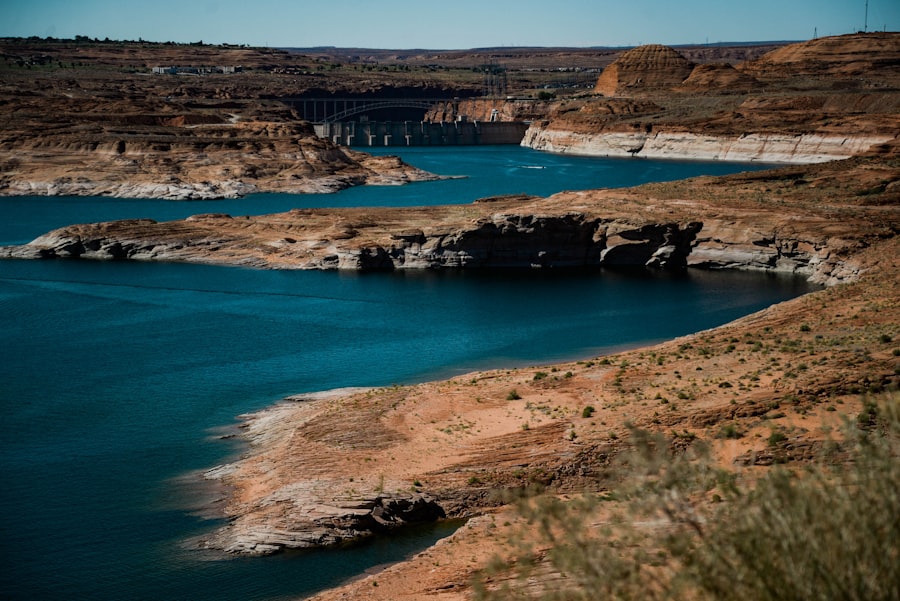
Utah’s renowned natural beauty, a cornerstone of its thriving tourism and recreation industry, faces a direct threat from the water crisis. The iconic landscapes that draw millions of visitors annually are intricately linked to the health of its water systems.
Impact on Ski Resorts and the Winter Sports Economy
Most of Utah’s ski resorts rely heavily on natural snowfall and, increasingly, on snowmaking operations that require significant water resources. As temperatures rise and precipitation patterns shift, natural snowfall becomes less reliable. This necessitates more extensive and costly snowmaking, which in turn puts a greater demand on water supplies, often at the very time they are most scarce. A less robust ski season can have a devastating impact on mountain communities, from ski instructors and lift operators to local businesses that cater to tourists, such as hotels, restaurants, and retail shops. The economic impact will cascade through these economies.
Water-Based Recreation and Declining Visitor Numbers
Lakes, rivers, and reservoirs are central to Utah’s popular water-based recreational activities, including boating, fishing, swimming, and water skiing. As these water bodies shrink due to evaporation and reduced inflows, the opportunities for such activities diminish. This can lead to a significant decline in visitor numbers for these specific attractions. Imagine a family planning a summer vacation centered around a beloved lake; if that lake becomes a mere puddle, their plans will undoubtedly change, and they will seek their recreation elsewhere. This direct loss of tourism revenue will affect local economies that depend on these summer visitors, impacting everything from bait and tackle shops to watercraft rental businesses.
The “Great Outdoors” Under Stress: A Long-Term Threat to Brand Identity
Utah has built a powerful brand identity around its “Great Outdoors.” This brand is inextricably linked to its stunning national parks, its red rock deserts, and its pristine alpine environments. The visible effects of drought – parched landscapes, low river flows, and diminished waterfalls – can tarnish this image. Potential visitors might perceive Utah as a less desirable destination if its natural wonders appear degraded. This erosion of brand appeal could have long-term consequences for the tourism sector, making it harder to attract visitors and investments in the future. The mystique of the untamed West could be replaced by a visible struggle for survival.
Urban Development and Housing: A Thirsty Foundation for Growth
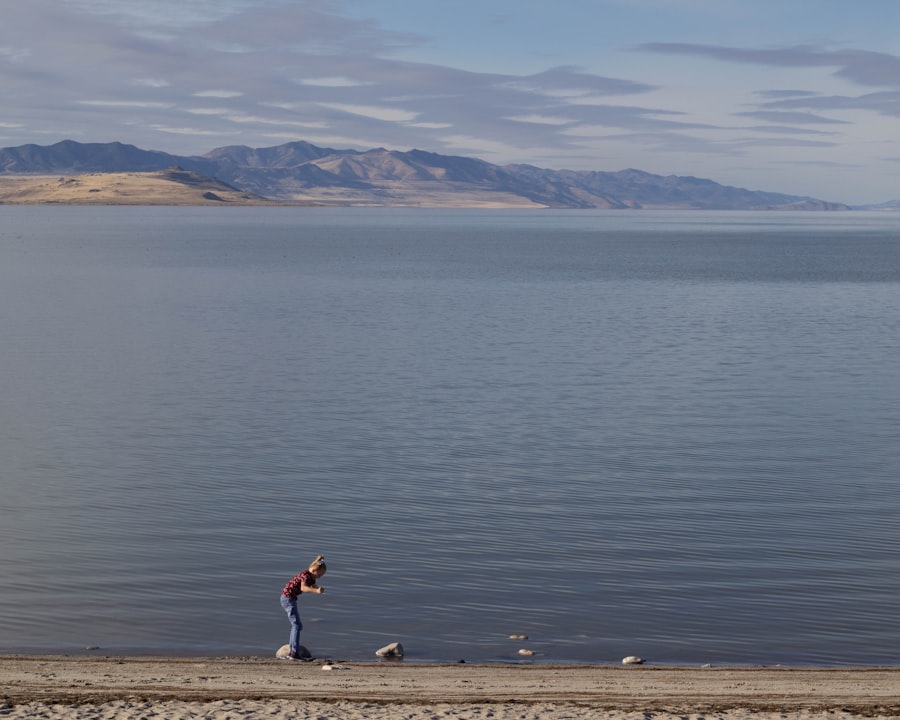
Utah’s rapid population growth has placed immense pressure on its water resources, and the crisis of 2026 will force a reckoning for urban development and the housing market. The foundational element of any new construction, a reliable water supply, will become a significant limiting factor.
Water Availability as a Bottleneck for New Development
As water becomes scarcer, the ability of municipalities to issue new water connections and permits for development will be severely curtailed. Developers seeking to build new housing subdivisions or commercial projects will face significant hurdles. The scarcity of water will become a critical bottleneck, slowing or halting the pace of new construction. This will likely lead to a contraction in the construction industry, impacting jobs in the trades, manufacturing of building materials, and related services. The economic engine of expansion will be forced to downshift.
Soaring Housing Costs and Affordability Concerns
With new construction likely to slow, the existing housing stock will be under increased demand. This imbalance between supply and demand will inevitably drive up housing prices. For a state already grappling with rising housing costs, the water crisis will exacerbate affordability concerns, making it even more difficult for residents to secure adequate and affordable housing. This could lead to increased outward migration of residents who can no longer afford to live in the state, impacting the tax base and the overall economic vitality of communities. The dream of homeownership could become an even more distant aspiration for many.
Rethinking Urban Planning: Density and Water-Wise Design
The water crisis will necessitate a fundamental rethinking of urban planning and design. Cities may need to prioritize infill development and higher-density housing to maximize existing infrastructure and minimize new water demands. Water-wise landscaping, efficient indoor water use, and the promotion of drought-tolerant plants will become not just aesthetic choices but economic imperatives. Developers will be incentivized to invest in water-efficient building designs and technologies. However, the transition to these new paradigms will require significant upfront investment and a shift in consumer preferences, which may take time to materialize.
The Utah water crisis of 2026 has raised significant concerns regarding its economic impact on the region, affecting everything from agriculture to tourism. As the state grapples with dwindling water resources, many industries are beginning to feel the strain, leading to potential job losses and increased costs for consumers. For a deeper understanding of how these changes might unfold, you can read a related article that explores the broader implications of the crisis on Utah’s economy. To learn more, visit this insightful article.
Infrastructure and Public Services: Strained Resources for a Growing Need
| Metric | 2026 Estimate | Impact Description |
|---|---|---|
| Water Shortage (acre-feet) | 500,000 | Projected reduction in available water supply due to drought and overuse |
| Agricultural Loss (million acres affected) | 150,000 | Farmland impacted by water scarcity leading to reduced crop yields |
| Economic Loss (billion) | 3.2 | Estimated economic impact on Utah’s economy from reduced agricultural output and increased water costs |
| Job Losses | 12,000 | Estimated number of jobs lost in agriculture and related industries |
| Increase in Water Prices (%) | 25 | Projected rise in water costs for consumers and businesses |
| Population Affected | 2 million | Number of residents experiencing water restrictions or shortages |
The water crisis of 2026 will place immense strain on Utah’s existing infrastructure and public services, demanding substantial investment and potentially impacting the quality and availability of essential services.
The Cost of Water Infrastructure Upgrades and Maintenance
Utah’s aging water infrastructure is already susceptible to leaks and inefficiencies, leading to substantial water loss. The crisis will necessitate significant investment in upgrading and repairing these systems, including pipelines, treatment plants, and reservoirs. This will place a considerable financial burden on municipalities and state governments, potentially requiring increased taxes or fees for water services. The cost of these upgrades will be a tangible economic impact, diverting funds that could otherwise be used for other public services or economic development initiatives.
Impact on Energy Production and Other Water-Dependent Industries
It is crucial to acknowledge that water is not just for drinking and agriculture; it is also a critical component of energy production. Hydropower relies on flowing water, and thermoelectric power plants, which generate a significant portion of Utah’s electricity, require vast amounts of water for cooling. A diminished water supply could impact energy generation capacity, potentially leading to higher energy costs for businesses and residents. This, in turn, will affect the profitability of businesses across all sectors, creating a drag on economic activity. The interconnectedness of water, energy, and economic growth cannot be overstated.
Public Health and Emergency Preparedness: A Thirsty Population
In times of extreme water scarcity, public health can be directly affected. Ensuring access to safe and potable water becomes a paramount concern. Municipalities will need to implement robust water conservation measures, potentially including mandatory restrictions and tiered pricing, to manage demand. The strain on emergency services could also increase, as they may be called upon to manage water distribution or respond to water-related public health emergencies. The economic cost of inadequate public health measures and emergency responses can be substantial, far exceeding the cost of proactive water management.
In conclusion, the Utah water crisis of 2026 is not a distant theoretical problem but an impending economic reality. The state’s economic tapestry, woven with threads of agriculture, technology, tourism, development, and essential public services, will be severely tested. Addressing this crisis requires a multi-pronged approach, encompassing innovative solutions, significant investment, bold policy decisions, and a collective commitment from all sectors of society. The drought is a stark reminder that water is not merely a resource; it is the lifeblood of our economy and our way of life. The choices made today will determine whether Utah weathers this coming storm or succumbs to its parching embrace.
FAQs
What is the Utah water crisis of 2026?
The Utah water crisis of 2026 refers to a severe shortage of water resources in the state of Utah, driven by prolonged drought, increased demand, and limited water supply. This crisis has led to significant challenges in water availability for residential, agricultural, and industrial use.
How is the 2026 water crisis expected to impact Utah’s economy?
The economic impact of the 2026 water crisis in Utah includes reduced agricultural productivity, increased costs for water-dependent industries, potential job losses, and higher expenses for water infrastructure and conservation measures. These factors collectively strain the state’s economy and may slow growth.
Which sectors are most affected by the Utah water crisis?
Agriculture is one of the most affected sectors due to its high water usage. Additionally, manufacturing, tourism, and real estate development face challenges as water scarcity limits operations and growth. Municipal water utilities also experience increased pressure to manage limited supplies.
What measures are being taken to address the water crisis in Utah?
Utah is implementing water conservation programs, investing in water recycling and infrastructure improvements, promoting drought-resistant crops, and encouraging responsible water use among residents and businesses. State and local governments are also exploring policy changes to better manage water resources.
Can the Utah water crisis affect neighboring states or regions?
Yes, since water resources such as rivers and reservoirs often cross state lines, Utah’s water crisis can impact neighboring states by reducing shared water availability. This may lead to regional cooperation challenges and necessitate coordinated water management strategies.