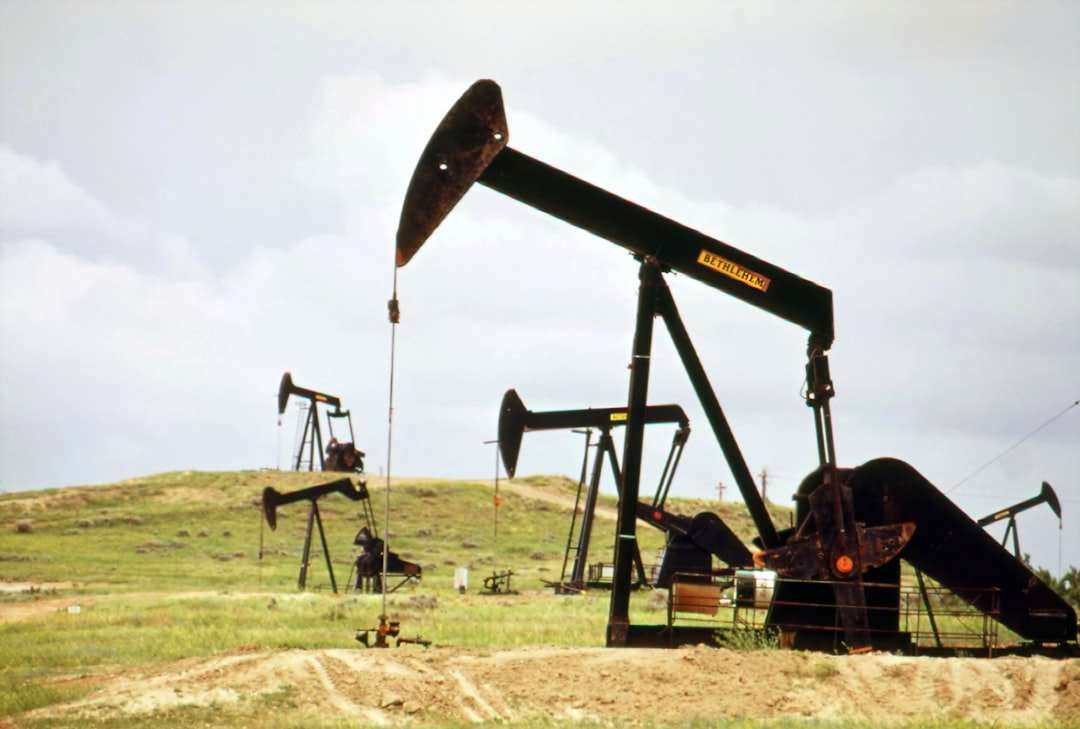
The vulnerability of the United States’ oil reserves has emerged as a pressing concern in recent years, particularly as global energy dynamics shift and geopolitical tensions rise. The U.S. has long relied on its strategic petroleum reserves (SPR) to buffer against supply disruptions, but the increasing frequency of natural disasters, cyber threats, and geopolitical conflicts has raised alarms about the resilience of these reserves.
As the nation grapples with the implications of climate change and the transition to renewable energy sources, understanding the vulnerabilities inherent in its oil reserve infrastructure becomes crucial for national security and economic stability. The significance of oil in the U.S. economy cannot be overstated.
It fuels transportation, powers industries, and is a critical component of everyday life for millions of Americans. However, the reliance on oil also exposes the country to various risks, including price volatility and supply chain disruptions. As the world moves toward a more interconnected energy landscape, the vulnerabilities associated with U.S.
oil reserves warrant careful examination and proactive measures to ensure that the nation can withstand potential shocks to its energy supply.
Key Takeaways
- US oil reserves face significant vulnerabilities due to aging infrastructure and potential threats.
- Disruptions to oil reserves can have widespread economic and national security impacts.
- Historical incidents highlight the risks and consequences of reserve vulnerabilities.
- Both government and private sector efforts are crucial in mitigating these risks.
- International stability is affected by the security and reliability of US oil reserves.
Current State of US Oil Reserves
As of late 2023, the United States boasts one of the largest oil reserves in the world, with significant quantities stored in both strategic and commercial facilities. The Strategic Petroleum Reserve, established in the 1970s in response to oil crises, serves as an emergency stockpile designed to mitigate supply disruptions. Currently, it holds approximately 600 million barrels of crude oil, strategically located in underground salt caverns along the Gulf Coast.
This reserve is intended to provide a buffer against sudden shortages caused by natural disasters or geopolitical events. Despite this substantial reserve, the current state of U.S. oil reserves is not without challenges.
The SPR has faced criticism for its declining inventory levels due to recent withdrawals aimed at stabilizing domestic prices amid global market fluctuations. Additionally, the increasing demand for oil, coupled with production constraints and regulatory hurdles, raises questions about the long-term sustainability of these reserves. As the nation navigates a complex energy landscape characterized by both traditional fossil fuels and emerging renewable sources, understanding the balance between maintaining adequate reserves and transitioning to a more sustainable energy future is essential.
Vulnerabilities in US Oil Reserve Infrastructure

The infrastructure supporting U.S. oil reserves is not impervious to vulnerabilities. Aging facilities, outdated technology, and insufficient maintenance pose significant risks to the integrity of both strategic and commercial reserves.
Many of the storage sites for the SPR were constructed decades ago and may not meet modern safety and environmental standards. This aging infrastructure increases the likelihood of leaks or other failures that could compromise the reserves’ effectiveness in times of crisis. Moreover, the geographical concentration of these reserves along the Gulf Coast exposes them to natural disasters such as hurricanes and flooding.
The 2005 Hurricane Katrina serves as a stark reminder of how such events can disrupt oil supply chains and damage critical infrastructure. The potential for catastrophic failure in these facilities underscores the need for comprehensive assessments and upgrades to ensure that U.S. oil reserves can withstand both natural and man-made threats.
Potential Threats to US Oil Reserves
The threats facing U.S. oil reserves are multifaceted and increasingly complex. Geopolitical tensions, particularly in oil-rich regions such as the Middle East, pose a significant risk to global oil supply chains.
Conflicts or sanctions affecting major oil-producing nations can lead to sudden spikes in prices and supply shortages that directly impact U.S. consumers and industries reliant on stable energy sources. In addition to geopolitical threats, cyberattacks have emerged as a growing concern for critical infrastructure across various sectors, including energy.
The increasing digitization of oil reserve management systems makes them vulnerable to malicious actors seeking to disrupt operations or steal sensitive information. A successful cyberattack on oil reserve infrastructure could have far-reaching consequences, potentially leading to supply disruptions and economic instability.
Impact of Disruption to US Oil Reserves
| Metric | Value | Unit | Notes |
|---|---|---|---|
| Strategic Petroleum Reserve (SPR) Capacity | 714 | Million Barrels | Maximum storage capacity of US SPR |
| Current SPR Inventory | 350 | Million Barrels | Approximate as of early 2024 |
| Daily US Oil Consumption | 20 | Million Barrels per Day | Average daily consumption |
| Days of Supply in SPR | 17.5 | Days | Current inventory divided by daily consumption |
| US Domestic Oil Production | 11 | Million Barrels per Day | Average daily production |
| Import Dependency | 25 | Percent | Percentage of oil consumption met by imports |
| Refinery Utilization Rate | 90 | Percent | Average refinery capacity utilization |
| Vulnerability Factors | Geopolitical Risks, Supply Chain Disruptions, Natural Disasters | N/A | Key factors affecting oil reserve security |
Disruptions to U.S. oil reserves can have profound implications for both the economy and national security. A sudden loss of access to strategic petroleum reserves could lead to skyrocketing fuel prices, affecting transportation costs and ultimately driving up prices for goods and services across various sectors.
This inflationary pressure can strain household budgets and reduce consumer spending, potentially leading to broader economic downturns. Moreover, disruptions in oil supply can compromise national security by limiting military readiness and operational capabilities. The U.S.
Thus, ensuring the resilience of U.S. oil reserves is not only an economic imperative but also a matter of national security.
Historical Examples of US Oil Reserve Vulnerability

Historical events provide valuable insights into the vulnerabilities associated with U.S. oil reserves. The 1973 Arab Oil Embargo serves as a pivotal example of how geopolitical tensions can disrupt oil supplies and impact domestic economies.
During this period, OPEC nations imposed an oil embargo on countries supporting Israel during the Yom Kippur War, leading to severe fuel shortages in the U.S. The crisis highlighted the nation’s dependence on foreign oil and prompted significant policy changes, including the establishment of the Strategic Petroleum Reserve. Another notable example occurred during Hurricane Katrina in 2005 when the storm severely impacted oil production and refining capacity along the Gulf Coast.
The resulting supply disruptions led to a spike in gasoline prices and highlighted vulnerabilities within both infrastructure and emergency response systems. These historical instances underscore the importance of learning from past crises to bolster current preparedness efforts.
International Implications of US Oil Reserve Vulnerability
The vulnerability of U.S. oil reserves extends beyond national borders, influencing international relations and global energy markets. As one of the largest consumers of oil worldwide, any disruption in U.S.
supply can have ripple effects across global markets, leading to price volatility that affects both producing and consuming nations alike. Countries that rely on stable U.S. energy supplies may find themselves vulnerable if domestic reserves are compromised.
Furthermore, U.S. oil reserve vulnerability can impact diplomatic relations with key allies and trading partners. Nations that depend on American energy exports may seek alternative sources if they perceive instability in U.S.
supply chains. This shift could alter geopolitical alliances and create new dynamics in international energy markets, underscoring the interconnectedness of global energy security.
Strategies to Mitigate US Oil Reserve Vulnerability
To address vulnerabilities in U.S. oil reserves, a multifaceted approach is necessary.
Upgrading storage facilities with advanced technology can improve monitoring capabilities and reduce the risk of leaks or failures. Additionally, diversifying energy sources is essential for reducing reliance on oil alone. Promoting renewable energy initiatives can help create a more balanced energy portfolio that mitigates risks associated with fluctuations in fossil fuel markets.
By investing in alternative energy technologies such as solar, wind, and biofuels, the U.S. can enhance its energy independence while simultaneously addressing environmental concerns.
Government Response to US Oil Reserve Vulnerability
The government plays a pivotal role in addressing vulnerabilities within U.S. oil reserves through policy initiatives and regulatory frameworks. In recent years, federal agencies have undertaken efforts to assess and enhance the resilience of critical energy infrastructure against both natural disasters and cyber threats.
This includes conducting vulnerability assessments and implementing best practices for emergency response planning. Moreover, legislative measures aimed at promoting energy independence have gained traction in Congress. Initiatives that support research into alternative energy sources and incentivize investment in renewable technologies are essential for reducing reliance on traditional fossil fuels while bolstering national security.
Private Sector Initiatives to Address US Oil Reserve Vulnerability
The private sector also has a critical role in addressing vulnerabilities associated with U.S. oil reserves. Energy companies are increasingly investing in advanced technologies aimed at improving operational efficiency and enhancing cybersecurity measures within their infrastructure.
Collaborations between private firms and government agencies can lead to innovative solutions that bolster resilience against potential threats. Furthermore, public-private partnerships focused on research and development can drive advancements in alternative energy technologies that contribute to a more sustainable energy future. By fostering collaboration between industry leaders and policymakers, the private sector can play an instrumental role in mitigating vulnerabilities within U.S.
oil reserves.
Addressing the Looming Threat of US Oil Reserve Vulnerability
In conclusion, addressing the vulnerabilities associated with U.S. oil reserves is imperative for ensuring national security and economic stability in an increasingly complex global landscape. The interplay between geopolitical tensions, aging infrastructure, cyber threats, and historical precedents underscores the need for proactive measures at both governmental and private sector levels.
By investing in modernizing infrastructure, diversifying energy sources, and fostering collaboration between public and private entities, the United States can enhance its resilience against potential disruptions to its oil supply chain. As the nation navigates its energy future amidst evolving challenges, prioritizing the security of its oil reserves will be essential for safeguarding both economic prosperity and national interests in an uncertain world.
The vulnerability of U.S. oil reserves has become a pressing concern, especially in light of recent geopolitical tensions and natural disasters that can disrupt supply chains. For a deeper understanding of this issue, you can read the article on the topic at this link. It explores the implications of reserve management and the potential risks associated with reliance on these critical resources.
WATCH THIS! 🎬 The US Strategic Reserve is a $1 Trillion Lie That Will Kill the Dollar
FAQs
What is the US oil reserve?
The US oil reserve, commonly referred to as the Strategic Petroleum Reserve (SPR), is a stockpile of crude oil maintained by the United States government to provide an emergency supply in case of significant disruptions to oil imports or supply.
Why is the US oil reserve considered vulnerable?
The US oil reserve is considered vulnerable due to factors such as aging infrastructure, potential cyber and physical security threats, limited capacity to respond quickly to large-scale disruptions, and geopolitical risks that could affect supply chains.
How large is the US Strategic Petroleum Reserve?
As of recent data, the US Strategic Petroleum Reserve holds approximately 600 million barrels of crude oil, making it the largest government-owned emergency oil stockpile in the world.
What are the main purposes of the US oil reserve?
The primary purposes of the US oil reserve are to mitigate the impact of severe oil supply interruptions, stabilize the oil market during emergencies, and support national security by ensuring energy availability.
How is the US oil reserve protected against threats?
The US oil reserve is protected through a combination of physical security measures, cybersecurity protocols, regular maintenance, and coordination with federal agencies to monitor and respond to potential threats.
Can the US oil reserve be quickly accessed in an emergency?
Yes, the US government can release oil from the Strategic Petroleum Reserve relatively quickly during emergencies, although the speed and scale of release depend on the nature of the crisis and logistical considerations.
What are the risks associated with relying on the US oil reserve?
Risks include potential delays in deployment, limited reserve capacity relative to national consumption, vulnerability to attacks or natural disasters, and the possibility that reserve oil may not fully offset global supply disruptions.
How does the US oil reserve impact global oil markets?
Releases from the US oil reserve can help stabilize global oil prices during supply shocks by increasing available supply, signaling government intervention, and influencing market expectations.
Has the US oil reserve been used frequently in the past?
The US oil reserve has been used several times since its establishment in the 1970s, including during the Gulf War, Hurricane Katrina, and more recently to address supply disruptions and price spikes.
What measures are being taken to reduce the vulnerability of the US oil reserve?
Measures include modernizing infrastructure, enhancing cybersecurity defenses, increasing coordination with international partners, diversifying energy sources, and improving emergency response planning.