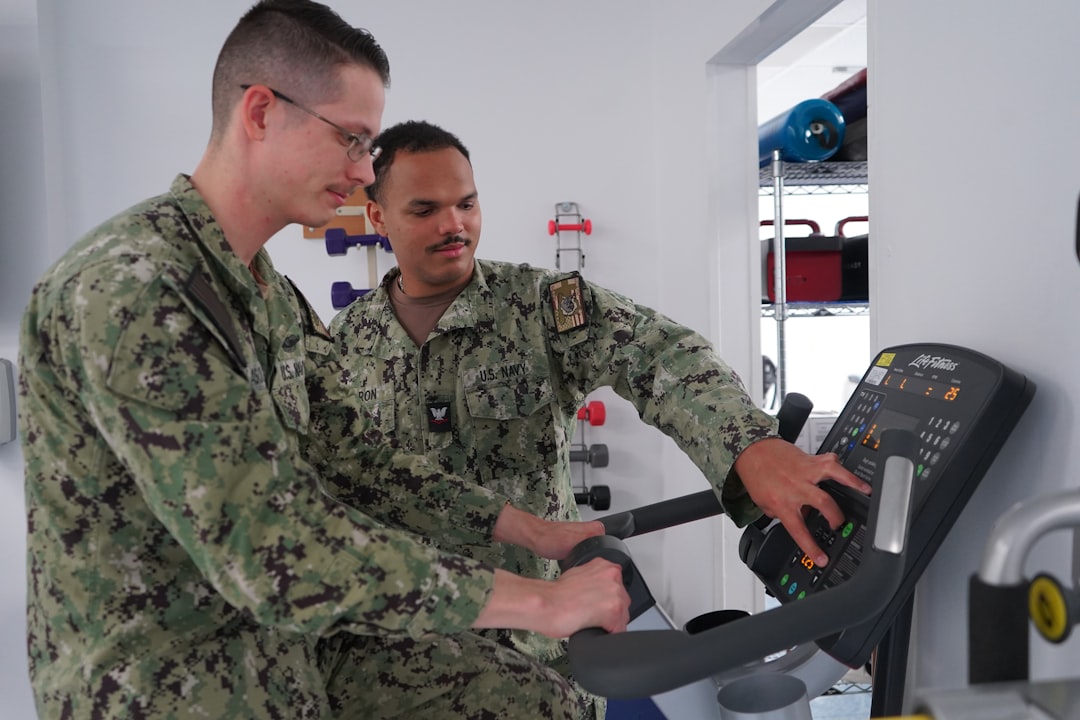
The United States Navy is undertaking a significant initiative to enhance its technical systems thinker training, aiming to equip its personnel with the advanced analytical and problem-solving skills necessary to navigate an increasingly complex technological landscape. This endeavor reflects a strategic recognition of the evolving demands placed upon naval operations, where sophisticated electronic warfare, cyber capabilities, autonomous systems, and artificial intelligence are becoming integral to maintaining maritime superiority. The program’s focus is on cultivating individuals who can not only operate but deeply understand and critically evaluate the intricate systems that underpin modern naval power.
Redefining Technical Acumen
The Navy’s approach to technical training has historically emphasized operational proficiency. However, the current strategic environment necessitates a shift towards fostering a deeper conceptual understanding of how systems function, interact, and can be employed or defended. This involves moving beyond rote memorization and procedural adherence to cultivate a mindset that can deconstruct complex problems, identify root causes, and develop innovative solutions. The training aims to move personnel from being mere operators to becoming strategic thinkers capable of leveraging technology to its full potential and anticipating future technological advancements.
The Cyber and Electronic Warfare Imperative
The modern battlespace is heavily influenced by the electromagnetic spectrum and the digital domain. Adversaries are rapidly developing and deploying advanced cyber and electronic warfare capabilities. Consequently, the Navy must ensure its personnel possess the foresight and analytical rigor to counter these threats and exploit vulnerabilities. This requires training that goes beyond basic network security or jamming techniques, delving into the intricate workings of signal processing, network architecture, stealth technologies, and the offensive and defensive applications of various spectrum management tools. The ability to think critically about an adversary’s technological capabilities and anticipate their moves is paramount.
Adapting to Emerging Technologies
The pace of technological change is accelerating, with artificial intelligence, machine learning, quantum computing, and advanced autonomy poised to revolutionize naval warfare. The Navy’s technical systems thinker training must be agile enough to incorporate these emerging technologies, not just in terms of their operational use, but also in understanding their underlying principles, limitations, and potential strategic implications. This includes fostering an environment where personnel are encouraged to explore, experiment, and contribute to the development and integration of these new systems, ensuring the Navy remains at the forefront of technological innovation.
Interdisciplinary Systems Integration Training
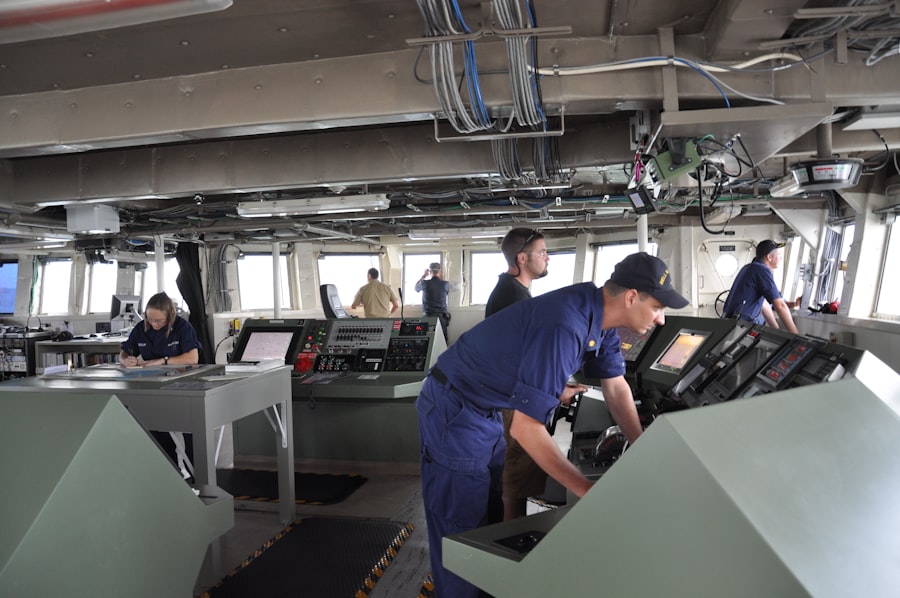
Naval vessels are no longer collections of independent systems but rather highly integrated networks. The effectiveness of a platform often depends on the seamless interaction between its various subsystems, from sensors and weapons to communication and navigation. The training program emphasizes an interdisciplinary approach, ensuring that technical personnel understand how different systems interface and influence one another. This holistic perspective is crucial for troubleshooting complex issues, optimizing performance, and developing strategies that leverage the combined capabilities of multiple systems.
The U.S. Navy has been increasingly focusing on enhancing its technical systems thinker training to improve decision-making and problem-solving skills among its personnel. A related article that delves into the importance of such training and its impact on operational effectiveness can be found at this link. This resource provides insights into how systems thinking can be applied in various naval operations, ultimately contributing to a more efficient and adaptive force.
Core Curriculum Development
Advanced Analytical Methodologies
At the heart of this enhanced training lies the development of advanced analytical methodologies. This includes coursework and exercises focused on systems engineering principles, statistical analysis, computational modeling and simulation, and data analytics. Personnel are trained to apply these methodologies to understand system performance, identify failure points, predict outcomes, and optimize operational parameters. The aim is to equip them with the quantitative tools necessary to make informed decisions in complex and data-rich environments.
Systems Thinking Frameworks
The curriculum incorporates established systems thinking frameworks, such as causal loop diagrams, stock and flow models, and leverage points. These tools help trainees visualize the interconnectedness of system components, understand feedback loops, and identify critical leverage points for intervention. The goal is to move beyond linear problem-solving to a more nuanced understanding of dynamic systems and their emergent behaviors.
Root Cause Analysis Techniques
Rigorous root cause analysis techniques are emphasized. This involves moving beyond superficial explanations for system malfunctions or performance deficiencies to identify the fundamental underlying issues. Methodologies like the “5 Whys,” Fishbone diagrams (Ishikawa diagrams), and Failure Mode and Effects Analysis (FMEA) are integrated into practical exercises, ensuring that participants develop a systematic approach to problem identification and resolution.
Scenario-Based Problem Solving
A significant portion of the training revolves around realistic, scenario-based problem-solving exercises. These simulations present trainees with complex technical challenges encountered in real-world naval operations, requiring them to apply their analytical skills to diagnose issues, propose solutions, and evaluate potential consequences. These scenarios are designed to mimic the pressure and uncertainty of operational environments, fostering effective decision-making under duress.
Understanding System Architectures and Vulnerabilities
A critical component of the training focuses on developing a deep understanding of various naval system architectures, from sensor networks and communication platforms to weapon systems and propulsion machinery. This involves studying the design principles, interfaces, and dependencies between different subsystems. Furthermore, the training delves into identifying potential vulnerabilities, both accidental and adversarial, within these architectures.
Network Topologies and Protocols
Personnel receive in-depth training on network topologies, communication protocols, and data flow within naval systems. This knowledge is essential for understanding how information is transmitted and processed, and for identifying potential choke points or security weaknesses. Understanding the nuances of various protocols, from legacy systems to modern IP-based networks, is crucial for effective operation and defense.
Software and Hardware Interdependencies
The training highlights the complex interdependencies between software and hardware components. Trainees learn to analyze how software bugs, hardware failures, or improper configurations can cascade through a system, leading to unexpected outcomes. This interdisciplinary understanding is vital for effective troubleshooting and for designing more robust and resilient systems.
Exploitation and Defense Strategies
A significant emphasis is placed on understanding how adversaries might exploit system vulnerabilities and on developing effective defense strategies. This includes studying offensive cyber techniques, electronic warfare tactics, and potential physical vulnerabilities. Conversely, the training equips personnel with the knowledge to design and implement layered defenses, including intrusion detection systems, secure coding practices, and robust operational procedures.
Advanced Mathematics and Engineering Principles
The cognitive demands of understanding and manipulating complex technical systems necessitate a strong foundation in advanced mathematics and engineering principles. The curriculum reinforces and expands upon these foundational disciplines to enable a deeper appreciation of the underlying physics, algorithms, and design considerations.
Linear Algebra and Differential Equations
Proficiency in linear algebra and differential equations is reinforced. These mathematical tools are fundamental to understanding signal processing, control systems, simulations, and a wide array of other technical domains. The training ensures that personnel can apply these concepts to analyze system behavior and predict responses to various inputs.
Probability and Statistics for System Analysis
A strong understanding of probability and statistics is crucial for evaluating system reliability, assessing risks, and interpreting sensor data. The training emphasizes how to apply these principles to quantify uncertainty, perform statistical inference, and make data-driven decisions in situations where perfect information is unavailable.
Thermodynamics and Fluid Dynamics in Naval Systems
For personnel involved with platforms like submarines or aircraft carriers, a solid grasp of thermodynamics and fluid dynamics is indispensable. The training covers the application of these principles to understand propulsion systems, environmental control, and the aerodynamic and hydrodynamic interactions that affect platform performance.
Signal Processing Fundamentals
Signal processing is a cornerstone of modern naval technology, underpinning everything from radar and sonar to communications and electronic warfare. The training provides a thorough grounding in the theory and application of digital signal processing techniques, including Fourier analysis, filtering, and spectral estimation.
Implementation and Methodologies
Blended Learning Approaches
The Navy is adopting blended learning approaches, combining traditional classroom instruction with online modules, virtual reality simulations, and hands-on laboratory exercises. This multi-modal approach caters to different learning styles and allows for greater flexibility in training delivery. The integration of interactive elements is crucial for engagement and retention.
Interactive E-Learning Modules
The development of sophisticated e-learning modules allows for self-paced learning and covers theoretical concepts in detail. These modules often incorporate interactive quizzes, embedded videos, and simulations to enhance comprehension and provide immediate feedback to the learner, allowing them to track their progress and identify areas requiring further study.
Immersive Simulation Environments
Virtual reality (VR) and augmented reality (AR) technologies are being leveraged to create immersive simulation environments. These tools allow trainees to experience realistic operational scenarios, practice troubleshooting complex systems, and make decisions in a safe and controlled setting. This provides invaluable practical experience without the risks and costs associated with real-world operations.
Hands-On Laboratory and Workshop Training
Despite the advancement of simulation, practical, hands-on experience remains indispensable. Dedicated laboratories and workshops equipped with realistic system components provide opportunities for students to work directly with hardware, conduct experiments, and develop their practical troubleshooting skills. This direct engagement with physical systems reinforces theoretical knowledge.
Collaboration and Knowledge Sharing Platforms
The complexity of modern naval systems necessitates effective collaboration and knowledge sharing among technical personnel. The training program emphasizes the development of these skills through the use of collaborative platforms and the promotion of a knowledge-sharing culture.
Digital Collaboration Tools
Trainees are instructed in the use of digital collaboration tools, such as shared document repositories, project management software, and communication platforms. These tools facilitate teamwork, allow for the efficient sharing of information and solutions, and foster a sense of collective problem-solving.
Cross-Functional Team Exercises
Exercises are designed to bring together personnel from different technical disciplines, encouraging them to collaborate and share their expertise. This fosters an understanding of different specialties and promotes a holistic approach to problem-solving, mirroring the integrated nature of naval operations.
Mentorship and Peer-to-Peer Learning
The program actively promotes mentorship and peer-to-peer learning. Experienced technical personnel are encouraged to share their knowledge and insights with newer members, creating a supportive learning environment. This cultivates a culture of continuous learning and knowledge transfer.
Continuous Assessment and Feedback Loops
To ensure the effectiveness of the training and to adapt it to evolving needs, a robust system of continuous assessment and feedback is being implemented. This allows for the identification of areas where trainees may be struggling and for the program itself to be refined.
Performance-Based Evaluations
Evaluations are increasingly performance-based, focusing on a trainee’s ability to apply knowledge and skills in practical scenarios rather than on rote memorization. This ensures that the training is producing individuals who are capable of effectively performing their duties in operational environments.
Regular Feedback Mechanisms
Regular feedback mechanisms are established for both trainees and instructors. Trainees receive constructive criticism on their performance, allowing them to identify areas for improvement. Instructors also provide feedback on the effectiveness of the curriculum and teaching methodologies, enabling continuous program enhancement.
Curriculum Adaptation Based on Operational Needs
The training curriculum is designed to be adaptable. Feedback from operational units, analysis of performance data, and emerging technological trends are actively used to refine and update the training content, ensuring its continued relevance and effectiveness in addressing the Navy’s evolving technical challenges.
Cultivating a Culture of Critical Inquiry
Encouraging Questioning and Skepticism
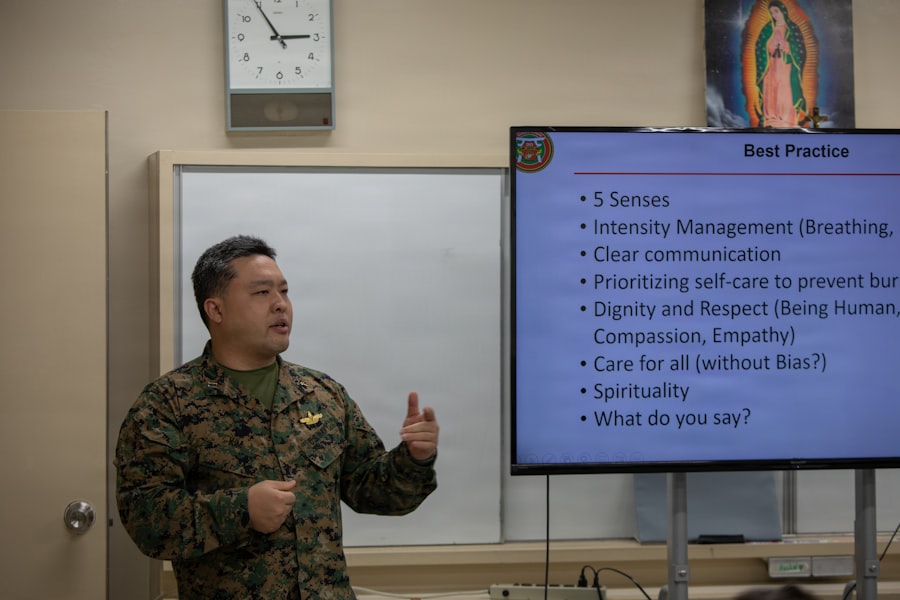
A core objective is to foster a culture where questioning assumptions and maintaining a healthy degree of skepticism are encouraged. Technical systems thinkers are not simply expected to accept information at face value but to probe, investigate, and seek evidence-based conclusions. This is crucial in an environment where misinformation or incomplete data can have serious consequences.
Challenging Established Paradigms
Personnel are encouraged to challenge established paradigms and conventional wisdom when the data or logical reasoning suggests an alternative perspective. This is essential for innovation and for avoiding the stagnation that can occur when established practices are not critically re-examined.
Evidence-Based Decision Making
The emphasis is on making decisions based on sound evidence and rigorous analysis, rather than on intuition or tradition alone. This involves teaching personnel how to critically evaluate information sources, identify biases, and construct well-supported arguments.
Fostering Innovation and Experimentation
The training program aims to create an environment where innovation and experimentation are not only permitted but actively encouraged. This includes providing opportunities for personnel to explore new ideas, test hypotheses, and contribute to the development of novel solutions.
“Innovation Labs” and Sandboxes
The establishment of “innovation labs” or digital sandboxes allows personnel to experiment with new technologies and develop creative solutions in a low-risk environment. These spaces provide the necessary resources and freedom to explore unconventional approaches.
Idea Generation and Prototyping Initiatives
The program supports initiatives for idea generation and rapid prototyping. This empowers individuals to bring their innovative concepts to fruition, fostering a spirit of enterprise and problem-solving within the technical ranks.
Strategic Foresight and Future-Oriented Thinking
Technical systems thinkers must possess the ability to anticipate future technological developments and their potential impact on naval operations. The training aims to equip them with the skills to think strategically and to plan for the long term.
Trend Analysis and Futures Studies
Personnel are introduced to methodologies for trend analysis and futures studies, enabling them to identify emerging technological trajectories and assess their potential implications for naval systems and strategy.
Impact Assessment of Emerging Technologies
The curriculum includes modules on assessing the potential impact of emerging technologies, such as AI, quantum computing, and advanced materials, on naval platforms, doctrine, and operational capabilities. This proactive approach ensures the Navy is prepared for future technological shifts.
The US Navy’s commitment to enhancing its operational effectiveness is exemplified through its Technical Systems Thinker Training program, which focuses on developing critical thinking and problem-solving skills among personnel. For those interested in exploring more about innovative training approaches within military contexts, a related article can be found at MyGeoQuest, where various educational strategies are discussed in detail. This resource provides valuable insights into how such training can be applied across different sectors, ultimately contributing to improved decision-making and mission success.
Impact and Future Directions
| Training Module | Duration | Skills Covered |
|---|---|---|
| Systems Thinking Fundamentals | 2 weeks | Understanding complex systems, causal loop diagrams, feedback loops |
| Technical Problem Solving | 3 weeks | Root cause analysis, troubleshooting techniques, decision making |
| Systems Integration | 4 weeks | Integration principles, interoperability, system architecture |
| Project Management | 2 weeks | Project planning, risk management, resource allocation |
Enhancing Operational Effectiveness and Readiness
The ultimate goal of this enhanced training initiative is to improve the United States Navy’s operational effectiveness and readiness. By cultivating a cadre of highly skilled technical systems thinkers, the Navy can better manage, maintain, and leverage its complex technological assets, leading to improved mission success and a stronger deterrent posture.
Reduced Downtime and Improved Maintenance
A deeper understanding of system interdependencies and failure modes can lead to more proactive maintenance strategies, reducing unexpected downtime and improving overall platform availability. Identifying root causes of issues swiftly also minimizes repair times.
Optimized System Performance and Resource Utilization
Technical systems thinkers can identify opportunities to optimize system performance, ensuring that technological investments are utilized to their fullest potential and that resources are allocated efficiently. This contributes to cost savings and enhanced operational efficiency.
Superior Tactical and Strategic Decision Making
The ability to critically analyze complex technical situations and anticipate the implications of technological choices empowers naval leaders to make more informed tactical and strategic decisions, thereby gaining a decisive advantage in any operational scenario.
Addressing the Evolving Threat Landscape
In an era of rapid technological advancement by potential adversaries, the Navy must remain ahead of the curve. This enhanced training is a critical component in ensuring the Navy can effectively counter emerging threats and maintain its technological edge.
Proactive Cyber Defense and Resilience
By understanding the intricate workings of networks and the potential for exploitation, personnel can implement more robust cyber defenses, making naval systems more resilient to attacks and ensuring mission continuity.
Information Warfare Superiority
In the information age, controlling the narrative and denying adversaries access to critical information is as important as kinetic engagements. Skilled technical thinkers are essential for developing and implementing effective information warfare strategies.
Countering Advanced Adversarial Technologies
The training equips personnel to understand and counter the increasingly sophisticated technological capabilities developed by potential adversaries, ensuring that the Navy can operate effectively in contested environments.
Long-Term Investment in Naval Technology
This initiative represents a long-term investment in the Navy’s technological future. By fostering a generation of highly skilled technical thinkers, the Navy ensures its ability to adapt to, integrate, and lead in the face of continuous technological evolution.
Cultivating a Culture of Continuous Learning
The program aims to instill a mindset of continuous learning and professional development, ensuring that technical personnel remain at the forefront of their fields throughout their careers. This adaptability is crucial for long-term technological relevance.
Driving Future Technological Innovation
By empowering personnel to think critically and creatively, the Navy fosters an environment that drives future technological innovation, ensuring it remains a leader in naval warfare technology for decades to come. This includes fostering an environment where new ideas are welcomed and explored, leading to groundbreaking advancements.
Ensuring Future Maritime Dominance
Ultimately, the success of this technical systems thinker training program is tied to ensuring the future maritime dominance of the United States Navy. By arming its personnel with unparalleled technical understanding and analytical prowess, the Navy secures its position as a preeminent global power.
FAQs
What is the US Navy Technical Systems Thinker Training?
The US Navy Technical Systems Thinker Training is a program designed to develop critical thinking skills in sailors to effectively analyze and solve complex technical problems related to naval systems.
Who is eligible to participate in the US Navy Technical Systems Thinker Training?
The training is open to sailors of all ranks and rates who are involved in the operation, maintenance, and support of technical systems within the US Navy.
What are the key components of the US Navy Technical Systems Thinker Training?
The training includes modules on systems thinking, problem-solving methodologies, root cause analysis, decision-making processes, and collaborative teamwork to address technical challenges in naval systems.
How long does the US Navy Technical Systems Thinker Training last?
The duration of the training may vary, but it typically ranges from a few days to several weeks, depending on the specific curriculum and depth of the technical systems being covered.
What are the benefits of completing the US Navy Technical Systems Thinker Training?
Completing the training equips sailors with the skills and mindset to effectively troubleshoot and resolve technical issues, leading to improved operational readiness and mission success for the US Navy.