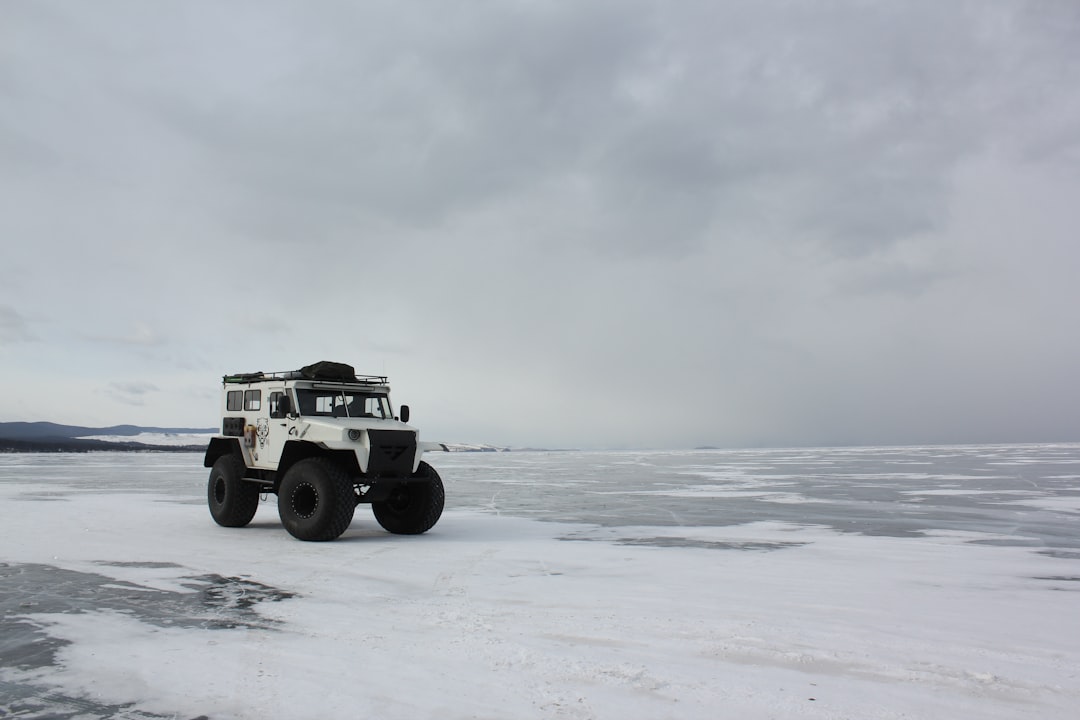
The Arctic region, characterized by its vast expanses of ice, frigid temperatures, and unique ecosystems, has long been a subject of intrigue and exploration. Spanning eight countries—Canada, Denmark (via Greenland), Finland, Iceland, Norway, Russia, Sweden, and the United States—the Arctic is not merely a remote wilderness; it is a dynamic area undergoing significant changes due to climate change and geopolitical shifts. The melting ice caps are revealing new shipping routes and untapped natural resources, prompting nations to reassess their interests and strategies in this critical region.
As the Arctic transforms, it becomes increasingly important for global powers to understand its implications for international relations and security. The Arctic is home to indigenous communities that have thrived in its harsh conditions for millennia. These communities possess invaluable knowledge about the land and its resources, which is now being recognized in discussions about governance and resource management.
The region’s biodiversity is also noteworthy, with unique species adapted to the extreme environment. However, the Arctic is not just a natural wonder; it is a focal point for geopolitical competition and military strategy. As nations vie for influence and access to resources, the Arctic’s significance on the world stage continues to grow.
Historical context of US military presence in the Arctic
The history of the United States’ military presence in the Arctic can be traced back to the early 20th century when strategic interests began to emerge in response to global conflicts. The establishment of military bases and research stations during World War II marked a significant turning point, as the U.S. recognized the Arctic’s potential as a strategic theater.
The Cold War further intensified military activities in the region, with both the U.S. and the Soviet Union seeking to assert their dominance over Arctic territories. This period saw the development of radar systems and air bases designed to monitor Soviet activities and protect North American airspace.
In the post-Cold War era, the focus shifted from military confrontation to cooperation among Arctic nations. However, this period of relative peace did not diminish the U.S. military’s interest in the region.
The rise of new challenges, such as climate change and increased shipping traffic, prompted a reevaluation of military strategies. The U.S. began to invest in modernizing its Arctic capabilities, recognizing that a robust presence was essential for safeguarding national interests and ensuring stability in a rapidly changing environment.
Geopolitical significance of the Arctic region
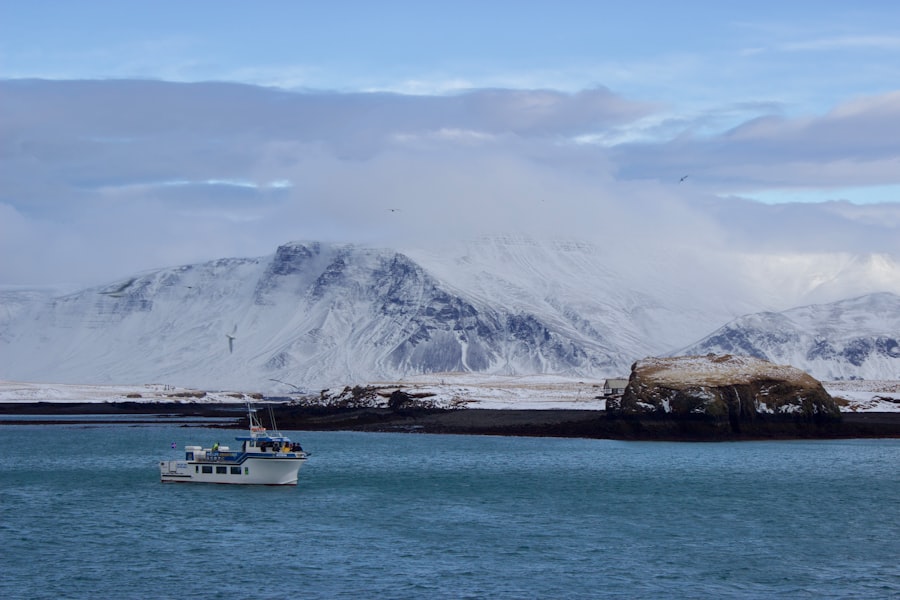
The geopolitical significance of the Arctic region has surged in recent years, driven by a combination of environmental changes and shifting power dynamics. As ice melts due to climate change, previously inaccessible areas are becoming navigable, opening up new shipping routes such as the Northern Sea Route and the Northwest Passage. These routes not only shorten travel times between major markets but also raise concerns about sovereignty and territorial claims among Arctic nations.
The potential for increased maritime traffic has led to heightened competition over shipping lanes and access to natural resources like oil, gas, and minerals. Moreover, the Arctic is rich in untapped resources that are becoming increasingly valuable as global demand rises. Estimates suggest that nearly 13% of the world’s undiscovered oil reserves and 30% of its natural gas reserves lie beneath the Arctic seabed.
This has prompted countries to assert their claims through various means, including scientific research and military posturing. The geopolitical landscape is further complicated by non-Arctic nations expressing interest in the region, seeking partnerships or asserting influence through economic investments and diplomatic initiatives.
US military interests in the Arctic
| Category | Metric |
|---|---|
| Personnel | Number of military personnel stationed in the Arctic |
| Equipment | Types and quantity of military equipment deployed in the Arctic |
| Operations | Number of military operations conducted in the Arctic region |
| Infrastructure | Investment in military infrastructure in the Arctic |
| Collaboration | Partnerships with other Arctic nations for military interests |
The United States has articulated clear military interests in the Arctic, driven by national security concerns and economic opportunities. One of the primary objectives is to maintain a credible defense posture in response to potential threats from rival nations, particularly Russia. The Kremlin has significantly increased its military presence in the Arctic, establishing new bases and conducting extensive military exercises.
In response, the U.S. aims to enhance its own capabilities through investments in infrastructure, surveillance systems, and joint exercises with allies. Additionally, U.S.
military interests extend beyond defense; they encompass safeguarding vital shipping routes and ensuring freedom of navigation in international waters. As commercial shipping increases in the Arctic, protecting these routes becomes paramount for economic stability and security. The U.S.
Coast Guard plays a crucial role in this regard, tasked with enforcing maritime laws and conducting search-and-rescue operations in one of the most challenging environments on Earth.
Strategic importance of the Arctic for US national security
The strategic importance of the Arctic for U.S. national security cannot be overstated. The region serves as a critical buffer zone against potential adversaries while also providing vital access routes for military operations.
The Arctic’s geographic location allows for rapid deployment of forces to respond to crises in Europe or Asia, making it an essential component of U.S. defense strategy. Furthermore, as global warming continues to reshape the landscape, understanding how these changes affect military operations becomes increasingly important.
The U.S. military’s ability to operate effectively in the Arctic hinges on its capacity to adapt to extreme weather conditions and challenging terrain. This necessitates investment in specialized equipment and training for personnel who will be deployed in this unforgiving environment.
By enhancing its operational readiness in the Arctic, the U.S. can deter potential aggression from adversaries while reassuring allies of its commitment to collective security.
Challenges and opportunities for US military presence in the Arctic
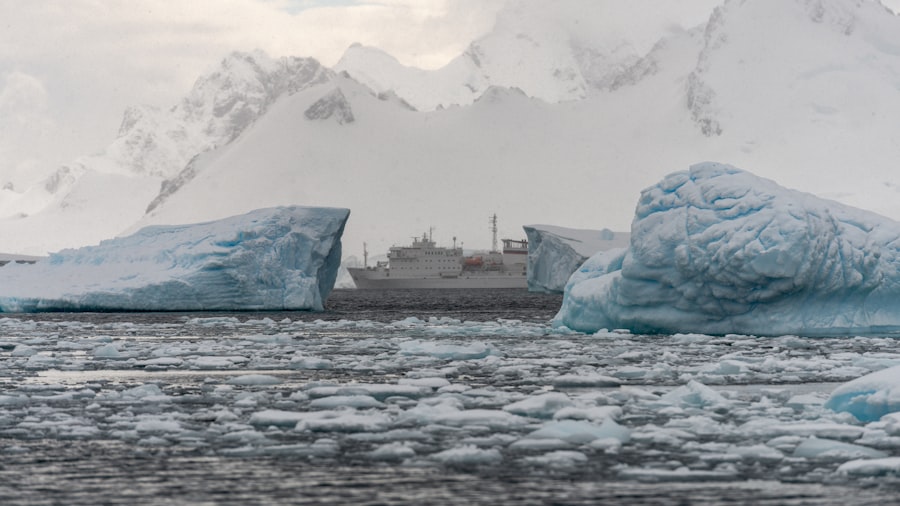
While there are numerous opportunities associated with an increased U.S. military presence in the Arctic, significant challenges also loom large. One of the foremost challenges is the harsh environmental conditions that can hinder operations and logistics.
Extreme cold temperatures, unpredictable weather patterns, and limited infrastructure pose obstacles for deploying troops and equipment effectively. Additionally, the remoteness of many areas complicates supply chains and necessitates innovative solutions for sustaining operations. On the other hand, these challenges present opportunities for technological advancements and collaboration with other nations.
Developing new technologies tailored for Arctic conditions can enhance operational capabilities while fostering partnerships with allies who share similar interests in the region.
Cooperation and competition with other Arctic nations
The dynamic between cooperation and competition among Arctic nations is a defining feature of contemporary geopolitics in the region. While there are ongoing territorial disputes and military posturing, there are also avenues for collaboration that can promote stability and mutual understanding. The Arctic Council serves as a platform for dialogue among member states, facilitating discussions on issues ranging from environmental protection to sustainable development.
However, competition remains a significant factor as nations seek to assert their claims over resources and shipping routes. Russia’s aggressive military buildup in the Arctic has raised concerns among other nations about potential encroachments on sovereignty and security interests. The U.S., along with its allies, must navigate this complex landscape by balancing deterrence with diplomacy to ensure that competition does not escalate into conflict.
Environmental considerations in US military operations in the Arctic
As U.S. military operations expand in the Arctic, environmental considerations have become increasingly prominent in strategic planning. The delicate ecosystems of the region are vulnerable to disturbances caused by human activity, including military exercises and infrastructure development.
Recognizing this reality, U.S. military leaders are prioritizing environmental stewardship alongside operational readiness. Efforts are being made to minimize ecological impacts through sustainable practices and adherence to environmental regulations.
This includes conducting environmental assessments before undertaking major projects and implementing measures to mitigate potential harm to wildlife habitats. By integrating environmental considerations into military planning, the U.S. can demonstrate its commitment to responsible stewardship while maintaining its strategic interests.
Potential threats and security risks in the Arctic region
The Arctic region is not without its share of potential threats and security risks that could impact U.
interests. One significant concern is the possibility of increased militarization by rival nations, particularly Russia and China, which could lead to heightened tensions or even conflict over territorial claims or resource access.
The presence of advanced military capabilities in close proximity raises questions about escalation dynamics and crisis management. Additionally, non-state actors such as environmental groups or criminal organizations may pose unique challenges in an increasingly accessible Arctic environment. Issues such as illegal fishing or resource exploitation could undermine regional stability while complicating enforcement efforts by national authorities.
Addressing these multifaceted threats requires a comprehensive approach that combines military readiness with diplomatic engagement and international cooperation.
US military capabilities and infrastructure in the Arctic
To effectively project power and respond to emerging challenges in the Arctic, the U.S. must invest in enhancing its military capabilities and infrastructure within the region. This includes upgrading existing bases and establishing new facilities equipped with modern technology capable of supporting operations under extreme conditions.
The development of icebreakers is particularly crucial for ensuring freedom of navigation while facilitating logistical support for deployed forces. Moreover, improving communication systems is essential for maintaining situational awareness across vast distances characterized by limited connectivity options. Advanced surveillance technologies can help monitor activities within contested areas while providing critical intelligence for decision-makers.
By bolstering its capabilities and infrastructure in the Arctic, the U.S. can enhance its deterrence posture while ensuring readiness for any contingencies that may arise.
Future outlook for US military presence in the Arctic
Looking ahead, the future outlook for U.S. military presence in the Arctic appears poised for continued evolution amid changing geopolitical dynamics and environmental realities. As climate change accelerates transformations within the region, it will necessitate ongoing assessments of strategic priorities and operational requirements.
The U.S. must remain agile in adapting its approach to address emerging challenges while capitalizing on opportunities for collaboration with allies. Furthermore, fostering partnerships with indigenous communities will be vital for ensuring that military activities align with local interests and environmental stewardship goals.
By engaging with these communities, the U.S. can gain valuable insights into sustainable practices while building trust that enhances overall regional stability. In conclusion, as global interest in the Arctic intensifies due to its strategic significance and resource potential, maintaining a robust U.S.
military presence will be essential for safeguarding national interests while promoting peace and cooperation among Arctic nations.
The increasing strategic importance of the Arctic region has led to a heightened U.S. military presence, as nations vie for control over its vast resources and strategic routes. An insightful article on this topic can be found on MyGeoQuest, which discusses the geopolitical dynamics and the implications of military activities in the Arctic. For more detailed information, you can read the full article by visiting this link. This resource provides a comprehensive overview of the current situation and the potential future developments in the region.
WATCH THIS! The Arctic Ice Is Melting, And It Will Start World War 3
FAQs
What is the current US military presence in the Arctic?
The US military has a limited presence in the Arctic, with a focus on maintaining security and conducting training exercises in the region. This presence includes military bases, airfields, and training facilities.
What is the purpose of the US military presence in the Arctic?
The primary purpose of the US military presence in the Arctic is to ensure national security, protect US interests, and support allies in the region. Additionally, the military presence allows for the monitoring of strategic waterways and potential threats in the Arctic.
How does the US military presence in the Arctic impact the environment?
The US military presence in the Arctic can have environmental impacts, such as the construction and operation of military facilities, as well as the potential for oil spills or other accidents. However, the US military is committed to minimizing its environmental footprint and adhering to environmental regulations in the Arctic.
What are the challenges of maintaining a military presence in the Arctic?
Challenges of maintaining a military presence in the Arctic include harsh weather conditions, limited infrastructure, and the vast and remote nature of the region. Additionally, the Arctic’s changing climate and potential for increased competition among global powers present strategic challenges for the US military.
How does the US military coordinate with other Arctic nations in the region?
The US military engages in various forms of cooperation and communication with other Arctic nations, including joint military exercises, information sharing, and diplomatic efforts. This collaboration is aimed at promoting stability and security in the Arctic region.