The deep sea, often referred to as the final frontier of Earth, harbors a wealth of untapped resources that have piqued the interest of scientists, governments, and corporations alike. With vast reserves of minerals, hydrocarbons, and biological resources lying beneath the ocean’s surface, the potential for deep sea resource extraction is immense. The seabed is believed to contain significant deposits of polymetallic nodules, rare earth elements, and even vast reserves of oil and natural gas.
As terrestrial resources become increasingly depleted, the allure of the deep sea grows stronger, promising new avenues for energy production and raw materials. Moreover, the deep sea is home to unique biological resources that could revolutionize medicine and biotechnology. Organisms found in extreme environments have evolved unique adaptations that may hold the key to breakthroughs in pharmaceuticals and industrial processes.
The potential for bioprospecting in these uncharted waters is vast, offering opportunities for innovation that could benefit humanity in numerous ways. As technology advances, the feasibility of extracting these resources becomes more realistic, leading to a growing interest in exploring and exploiting the deep sea.
Key Takeaways
- Deep sea resource extraction holds great potential for meeting the increasing global demand for minerals and energy resources.
- However, it also poses significant challenges and risks, including technological limitations, high costs, and potential environmental damage.
- Technology plays a crucial role in enabling deep sea resource extraction, including advanced robotics, remote sensing, and deep-sea drilling technologies.
- Deep sea resource extraction can have a significant environmental impact, including habitat destruction, biodiversity loss, and potential chemical and noise pollution.
- Legal and regulatory frameworks are essential for governing deep sea resource extraction, including issues related to jurisdiction, environmental protection, and resource ownership.
The Challenges and Risks of Deep Sea Resource Extraction
Despite the promising potential of deep sea resource extraction, significant challenges and risks accompany these endeavors. One of the foremost concerns is the technical difficulty associated with operating at extreme depths. The deep sea environment presents formidable obstacles, including high pressure, low temperatures, and complete darkness.
These conditions necessitate specialized equipment and technology, which can be prohibitively expensive and complex to develop and maintain. As a result, only a limited number of companies possess the expertise and resources required to undertake deep sea extraction projects. In addition to technical challenges, there are substantial environmental risks associated with deep sea resource extraction.
The disturbance of seabed ecosystems can have far-reaching consequences, potentially leading to habitat destruction and loss of biodiversity. The deep sea is a delicate environment where ecosystems are often poorly understood; thus, any disruption could have unforeseen impacts on marine life. Furthermore, the potential for oil spills or other accidents poses a significant threat not only to marine ecosystems but also to coastal communities that rely on healthy oceans for their livelihoods.
The Role of Technology in Deep Sea Resource Extraction
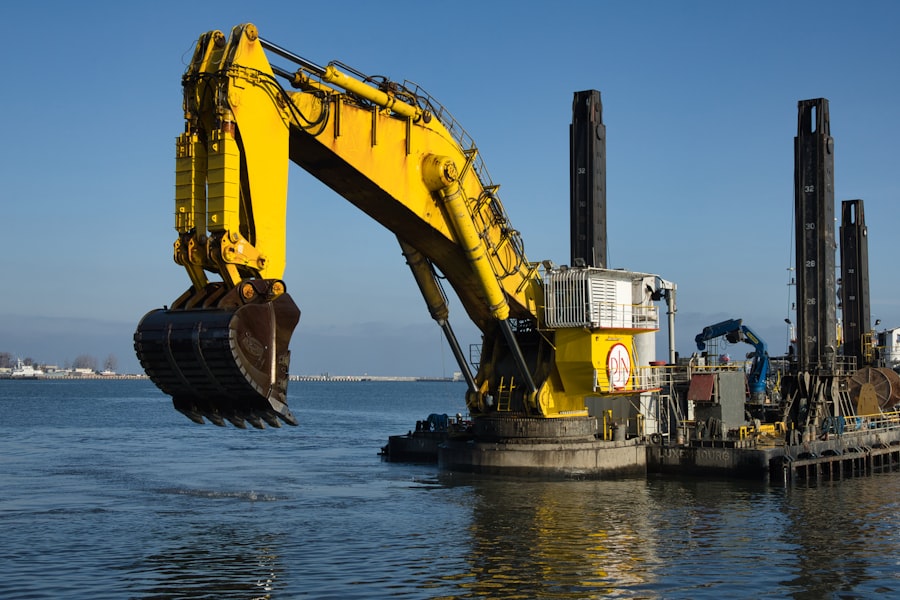
Technology plays a pivotal role in enabling deep sea resource extraction, transforming what was once considered impossible into a tangible reality. Advances in robotics, remote sensing, and underwater vehicles have revolutionized the way researchers and companies explore the ocean depths. Autonomous underwater vehicles (AUVs) and remotely operated vehicles (ROVs) are now capable of conducting detailed surveys and performing complex tasks at depths previously thought unreachable.
These innovations allow for more efficient exploration and extraction processes while minimizing human risk. Moreover, developments in materials science have led to the creation of equipment that can withstand the extreme conditions of the deep sea. Innovations such as pressure-resistant materials and advanced sensors enhance the safety and effectiveness of extraction operations.
As technology continues to evolve, it is likely that new methods will emerge that further reduce costs and environmental impacts associated with deep sea resource extraction. The integration of artificial intelligence and machine learning into these technologies may also streamline operations, allowing for more precise targeting of resources while minimizing ecological disruption.
Environmental Impact of Deep Sea Resource Extraction
| Environmental Impact | Deep Sea Resource Extraction |
|---|---|
| Biodiversity Loss | Disruption of deep-sea ecosystems leading to loss of unique species |
| Habitat Destruction | Damage to deep-sea habitats such as coral reefs and hydrothermal vents |
| Chemical Pollution | Release of toxic substances into the water from mining operations |
| Sediment Disturbance | Stirring up of sediment on the ocean floor, impacting marine life |
| Climate Change | Contribution to greenhouse gas emissions and ocean acidification |
The environmental impact of deep sea resource extraction is a critical concern that cannot be overlooked. The deep sea is home to unique ecosystems that have evolved over millions of years, often characterized by slow growth rates and intricate interdependencies among species. Disturbing these ecosystems through mining or drilling activities can lead to irreversible damage.
Additionally, the potential for chemical pollution from extraction activities poses a significant threat to marine biodiversity. Heavy metals and toxic substances released during mining operations can accumulate in marine organisms, leading to bioaccumulation and biomagnification within the food web.
This not only endangers marine species but also poses risks to human health through seafood consumption. As such, understanding and mitigating the environmental impacts of deep sea resource extraction is essential for ensuring sustainable practices that protect ocean health.
Legal and Regulatory Frameworks for Deep Sea Resource Extraction
The legal and regulatory frameworks governing deep sea resource extraction are complex and often fragmented. The United Nations Convention on the Law of the Sea (UNCLOS) provides a foundational legal framework for maritime activities, including resource extraction in international waters. However, enforcement remains a challenge due to the vastness of the ocean and varying national interests.
Countries often have differing interpretations of their rights over marine resources, leading to disputes over territorial claims and resource ownership. In recent years, there has been a push for more comprehensive regulations specifically addressing deep sea mining and drilling activities. Organizations such as the International Seabed Authority (ISA) are working to establish guidelines that balance resource extraction with environmental protection.
However, these efforts face significant hurdles due to competing economic interests and the need for international cooperation. As deep sea resource extraction becomes more prevalent, it is crucial for nations to collaborate on creating robust legal frameworks that ensure responsible practices while promoting sustainable development.
Economic Opportunities and Benefits of Deep Sea Resource Extraction
The economic opportunities presented by deep sea resource extraction are substantial, offering potential benefits for both national economies and global markets. As demand for energy and raw materials continues to rise, tapping into deep sea resources could provide a new source of supply that alleviates pressure on terrestrial resources. Countries with access to rich seabed deposits stand to gain significantly from royalties and taxes associated with extraction activities, potentially boosting their economies.
Furthermore, deep sea resource extraction can stimulate job creation in various sectors, including engineering, research, and environmental management. The development of new technologies and infrastructure necessary for these operations can lead to innovation and growth within local economies. Additionally, as nations invest in deep sea exploration and extraction capabilities, they may enhance their geopolitical standing by securing access to valuable resources that are increasingly sought after on the global stage.
Social and Cultural Implications of Deep Sea Resource Extraction
The social and cultural implications of deep sea resource extraction are multifaceted and often contentious. Indigenous communities and coastal populations may have longstanding connections to marine environments that are threatened by industrial activities. The potential disruption of traditional fishing practices or cultural sites can lead to social unrest and conflict over resource rights.
It is essential for stakeholders to engage with local communities in meaningful ways to address their concerns and incorporate their knowledge into decision-making processes. Moreover, there is a growing recognition of the need for equitable distribution of benefits derived from deep sea resource extraction. Ensuring that local communities share in the economic gains from these activities is crucial for fostering social cohesion and promoting sustainable development.
This requires transparent governance structures that prioritize community involvement and protect the rights of those most affected by extraction activities.
International Collaboration and Competition in Deep Sea Resource Extraction
International collaboration is vital for addressing the challenges associated with deep sea resource extraction while ensuring sustainable practices. As nations seek to exploit these resources, competition can arise over territorial claims and access rights. This competition may lead to tensions between countries with overlapping interests in specific regions of the ocean.
To mitigate conflicts, international dialogue and cooperation are essential for establishing shared norms and standards governing resource extraction. Organizations such as the ISA play a crucial role in facilitating collaboration among nations by providing a platform for dialogue on best practices and regulatory frameworks. Collaborative research initiatives can also enhance understanding of deep sea ecosystems, informing responsible extraction practices that minimize environmental impacts.
By fostering partnerships among governments, industry stakeholders, and scientific communities, it is possible to create a more sustainable approach to deep sea resource extraction that benefits all parties involved.
Deep Sea Resource Extraction and Climate Change
The intersection of deep sea resource extraction and climate change presents both challenges and opportunities. On one hand, extracting fossil fuels from the deep sea contributes to greenhouse gas emissions that exacerbate climate change. As nations grapple with their commitments to reduce carbon emissions under international agreements like the Paris Accord, reliance on deep-sea oil and gas may conflict with sustainability goals.
Conversely, advancements in technology related to deep sea resource extraction could also facilitate efforts to combat climate change. For instance, research into marine renewable energy sources such as tidal or wave energy could provide alternative energy solutions that reduce reliance on fossil fuels. Additionally, understanding carbon sequestration processes in deep-sea ecosystems may offer insights into mitigating climate change impacts.
Balancing these competing interests will be crucial as societies navigate the complexities of energy production in an era increasingly defined by climate concerns.
The Future of Deep Sea Resource Extraction: Innovations and Trends
The future of deep sea resource extraction is poised for transformation as innovations continue to emerge across various fields. One notable trend is the increasing focus on sustainable practices that prioritize environmental protection alongside resource utilization. Companies are beginning to adopt more responsible approaches by investing in technologies that minimize ecological disruption during extraction processes.
Furthermore, advancements in data analytics and artificial intelligence are likely to revolutionize exploration efforts by enabling more precise mapping of seabed resources. These technologies can enhance decision-making processes by providing real-time insights into environmental conditions and resource availability. As public awareness regarding environmental issues grows, there will be greater pressure on industries involved in deep sea resource extraction to adopt sustainable practices that align with societal values.
Ethical Considerations in Deep Sea Resource Extraction
Ethical considerations surrounding deep sea resource extraction are increasingly coming under scrutiny as stakeholders grapple with the implications of exploiting these remote environments. Questions arise regarding who has the right to access these resources and how benefits should be distributed among nations, corporations, and local communities. The potential for exploitation raises concerns about equity and justice in resource management.
Moreover, there is an ethical imperative to protect fragile marine ecosystems from irreversible damage caused by industrial activities. As society becomes more aware of its interconnectedness with nature, there is a growing call for responsible stewardship of ocean resources that prioritizes long-term sustainability over short-term gains. Engaging diverse perspectives—including those of indigenous peoples—can help shape ethical frameworks that guide decision-making processes related to deep sea resource extraction.
In conclusion, while the potential benefits of deep sea resource extraction are significant, they must be weighed against the myriad challenges it presents—technological hurdles, environmental risks, legal complexities, economic implications, social dynamics, international relations, climate change considerations, innovations on the horizon, and ethical dilemmas all play critical roles in shaping this evolving landscape. As humanity stands at this crossroads between opportunity and responsibility, it becomes imperative to navigate these waters thoughtfully—ensuring that future generations inherit not only valuable resources but also a healthy planet.
As the demand for resources continues to rise, the future of deep sea resource extraction is becoming an increasingly important topic of discussion. A related article that explores the implications and potential of this industry can be found on MyGeoQuest. For more insights, you can read the article here: MyGeoQuest.
WATCH THIS! The Map You Can’t See is Controlling the World
FAQs
What is deep sea resource extraction?
Deep sea resource extraction refers to the process of extracting valuable minerals and resources from the ocean floor, typically at depths greater than 200 meters. These resources can include metals such as copper, nickel, cobalt, and rare earth elements, as well as other valuable minerals.
What are the potential benefits of deep sea resource extraction?
Deep sea resource extraction has the potential to provide access to valuable minerals and resources that are in high demand for various industries, including technology, renewable energy, and manufacturing. It could also reduce the environmental impact of land-based mining and provide new economic opportunities for coastal and island nations.
What are the challenges and risks associated with deep sea resource extraction?
Challenges and risks associated with deep sea resource extraction include technological and engineering difficulties in accessing and extracting resources from extreme depths, potential environmental impacts on deep sea ecosystems, and regulatory and legal uncertainties related to international waters and seabed mining.
What is the current status of deep sea resource extraction technology?
While there have been significant advancements in deep sea exploration and technology, including remotely operated vehicles (ROVs) and autonomous underwater vehicles (AUVs), the technology for large-scale deep sea resource extraction is still in the early stages of development and testing.
What are the potential future developments in deep sea resource extraction?
Future developments in deep sea resource extraction may include the deployment of more advanced mining equipment and techniques, the establishment of international regulations and standards for deep sea mining, and the continued exploration and mapping of deep sea mineral deposits. Additionally, advancements in sustainable and environmentally responsible mining practices will be a focus for the future of deep sea resource extraction.