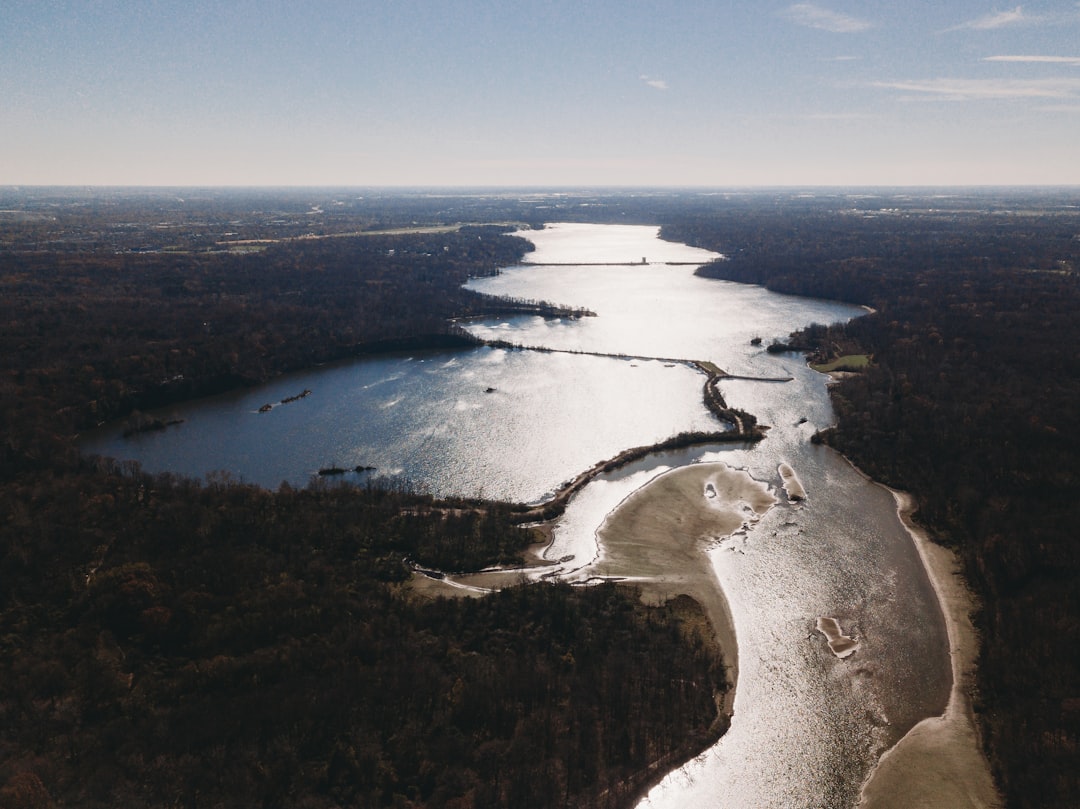
The Mississippi River, a colossal artery of North America, carries more than just water; it actively transports vast quantities of sediment, shaping landscapes, influencing ecosystems, and impacting human infrastructure. Understanding the multifaceted dynamics of this sediment transport is crucial for a wide range of disciplines, from fluvial geomorphology to environmental management and economic planning. This article delves into the intricate mechanisms governing Mississippi River sediment, exploring its sources, transport pathways, depositional patterns, and the significant ramifications of these processes.
The Mississippi River’s sediment load is not a monolithic entity but rather a complex amalgam originating from diverse geographical regions and geological formations. Readers should appreciate the vastness and varied nature of the river’s drainage basin, which acts as a colossal funnel for particulate matter. The recent developments in the Mississippi River infrastructure have significantly improved transportation efficiency.
Upper Mississippi Basin Contributions
The upper reaches of the Mississippi River, particularly its tributaries flowing through the agricultural heartland of the Midwest, are significant contributors. Soil erosion from cultivated fields, exacerbated by intense rainfall and inadequate conservation practices, introduces fine-grained sediments such as silts and clays. These particles, often laden with adsorbed nutrients and contaminants, become entrained in the river’s flow.
Missouri River Dominance
The Missouri River, the Mississippi’s longest tributary, is a disproportionately large source of sediment. Its vast drainage basin, encompassing arid and semi-arid regions, contributes substantial quantities of sand and silt derived from easily erodible loess deposits and weathered bedrock. Historically, the Missouri was often referred to as “the Big Muddy” for good reason, though dam construction has significantly reduced its sediment yield in recent decades.
Ohio River and Lower Basin Influx
While the Ohio River tends to contribute less coarse sediment due to its generally lower gradients and forested watersheds, it still adds a substantial volume of fine-grained material, particularly during flood events. Further downstream, local erosion along the main stem and its smaller tributaries, influenced by factors such as bank instability and land use, further augments the sediment budget.
Recent studies on Mississippi River sediment dynamics have highlighted the complex interactions between river flow, sediment transport, and delta formation. For a deeper understanding of these processes, you can explore the article titled “Sediment Dynamics and Delta Formation in the Mississippi River” available at this link. This article provides valuable insights into how sediment movement influences both ecological and geological aspects of the river system.
Processes of Sediment Transport
Once entrained, sediment particles embark on a journey driven by the river’s hydraulic forces. This journey is governed by a complex interplay of velocity, turbulence, and particle characteristics.
Bedload Transport
Larger and denser sediment grains, typically sand and gravel, move along the riverbed through a process known as bedload transport. This involves rolling, sliding, and saltation (small hops). The force exerted by the flowing water on the bed particles, known as shear stress, dictates the initiation and magnitude of bedload movement. Imagine a riverbed as a conveyor belt, with the largest parcels struggling to move but eventually yielding to the persistent push of the current.
Suspended Load Transport
Finer sediment particles, especially silts and clays, remain suspended within the water column for extended periods. This is due to their small size and low settling velocities, which are overcome by the upward turbulence of the flowing water. The suspended load constitutes the bulk of the Mississippi River’s total sediment discharge in terms of mass, giving the river its characteristic turbid appearance, particularly during high flow.
Factors Influencing Transport Capacity
The river’s capacity to transport sediment is a dynamic variable. Readers should understand that this capacity is highly sensitive to changes in flow regime. Higher discharge and increased flow velocity significantly enhance both bedload and suspended load transport. Channel morphology, including features like meanders and riffle-pool sequences, also plays a crucial role in altering local flow energies and thus sediment entrainment and deposition.
Depositional Environments and Landform Evolution
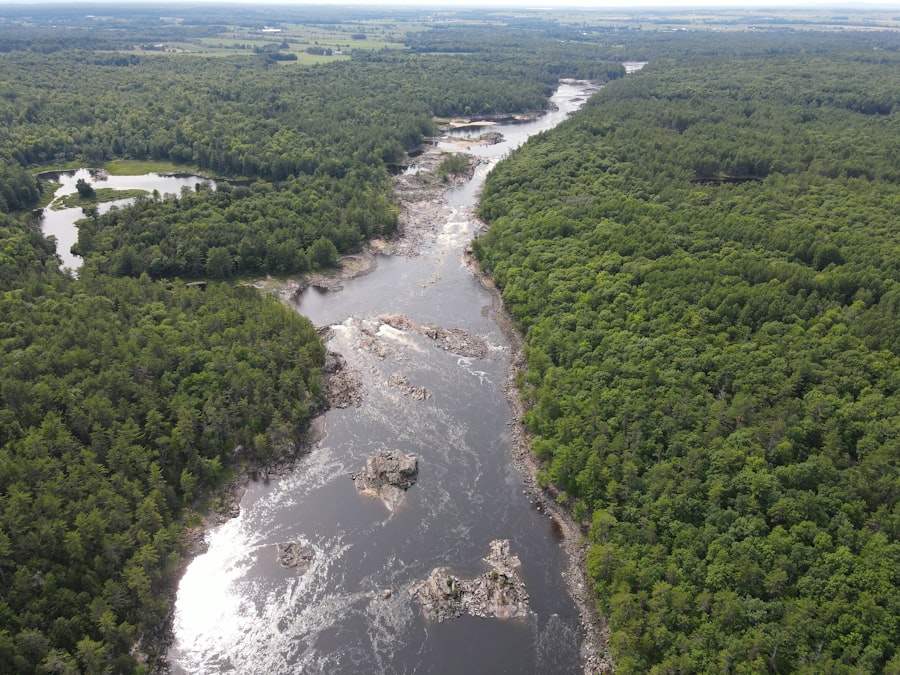
The journey of sediment along the Mississippi ultimately culminates in deposition, leading to the creation of distinctive geomorphic features and ecological habitats. The river’s delta, in particular, stands as a testament to the colossal scale of its sediment contributions.
Floodplain Development
During flood events, overbank flow carries suspended sediment onto the adjacent floodplain. As the water velocity decreases and the floodwaters recede, these fine-grained sediments settle out, accumulating over time to build up fertile alluvial soils. This process is fundamental to the agricultural productivity of the Mississippi Alluvial Plain.
Deltaic Formation
The Mississippi River Delta, a vast and dynamic landform, is the most prominent product of the river’s depositional processes. As the river enters the quiescent waters of the Gulf of Mexico, its velocity plummets, causing a dramatic reduction in its sediment-carrying capacity. This leads to the deposition of massive quantities of sand, silt, and clay, forming the intricate network of distributaries, wetlands, and barrier islands that characterize the delta. This landform is a living testament to the river’s power.
Riverbed and Bank Accretion
Within the river channel itself, sediment deposition can lead to the formation of bars, shoals, and islands. These features are dynamic, migrating and evolving in response to changes in flow conditions. Along the inner bends of meanders, reduced velocity promotes deposition, leading to the accretion of point bars. Conversely, erosion typically occurs on the outer bends where velocities are higher.
Human Impacts on Sediment Dynamics
Human activities have profound and often unintended consequences on the natural functioning of the Mississippi River’s sediment system. These interventions can have far-reaching effects on the river’s morphology, ecology, and the sustainability of coastal environments.
Dam Construction and Sediment Trapping
The construction of numerous dams and impoundments on the Mississippi River and its tributaries, particularly the Missouri River, has dramatically altered sediment delivery to the lower Mississippi. Dams act as sediment traps, impounding vast quantities of sand and silt behind their structures. This “hungry water” effect downstream, where the river is starved of its natural sediment supply, increases its erosive power on the riverbed and banks.
Leveeing and Channelization
Extensive levee systems and channelization projects, designed primarily for flood control and navigation, have disconnected the Mississippi River from its historic floodplains. This prevents the natural deposition of sediment during overbank flows, effectively channeling it directly into the Gulf of Mexico. This intervention has had significant implications for floodplain accretion and wetland nourishment.
Dredging for Navigation
Maintaining a navigable channel for commercial shipping requires extensive dredging operations. While necessary for economic activity, dredging removes vast quantities of sediment from the riverbed. The fate of this dredged material, whether it is disposed of on land, returned to the river, or used for beneficial purposes, has localized impacts on sediment budgets and water quality.
Recent studies on Mississippi River sediment dynamics have highlighted the complex interactions between sediment transport and river management practices. For a deeper understanding of these processes and their implications for the ecosystem, you can explore a related article that discusses the impact of sediment on river morphology and habitat. This insightful piece can be found at MyGeoQuest, where it delves into the challenges faced by the river due to human activities and climate change.
Consequences of Altered Sediment Dynamics
| Metric | Value | Unit | Description |
|---|---|---|---|
| Annual Sediment Load | 150 | Million Metric Tons | Estimated total sediment transported by the Mississippi River annually |
| Average Sediment Concentration | 200 | mg/L | Average concentration of suspended sediment in river water |
| Peak Sediment Discharge | 500,000 | Metric Tons per Day | Maximum sediment discharge during flood events |
| Delta Sediment Deposition Rate | 10 | cm/year | Rate of sediment accumulation in the Mississippi River Delta |
| Bedload Transport | 20 | Million Metric Tons per Year | Amount of sediment transported along the riverbed |
| Suspended Sediment Transport | 130 | Million Metric Tons per Year | Amount of sediment carried in suspension in the water column |
| Impact of Dams on Sediment Load | 30% | Reduction | Estimated reduction in sediment load due to upstream dams |
The cumulative effect of human modifications to the Mississippi River’s sediment regime is a cascade of environmental and socio-economic challenges. Understanding these consequences is paramount for effective management strategies.
Wetland Loss and Coastal Erosion
The most pressing consequence of reduced sediment delivery to the Mississippi River Delta is accelerated wetland loss and coastal erosion. The delta, naturally nourished by sediment deposition, is now sinking and eroding at an alarming rate. This loss of land is driven by subsidence (natural compaction of deltaic sediments) coupled with the starvation of new sediment. The wetlands act as a vital buffer against hurricanes and storm surge, and their loss increases the vulnerability of coastal communities. Think of the delta as a sandcastle, with the river historically adding new sand to keep it standing tall. Now, less sand is coming, and the tide (sea-level rise) is still coming in.
Riverbed Incision and Bank Erosion
The “hungry water” phenomenon downstream of dams and levees contributes to riverbed incision, where the river channel deepens, and increased bank erosion. This can undermine infrastructure such as bridges and pipelines, and necessitate costly protective measures.
Ecological Impacts
Changes in sediment dynamics significantly impact aquatic ecosystems. Altered sediment loads can affect water clarity, light penetration for aquatic plants, and habitat suitability for fish and invertebrates. The loss of wetlands, in particular, impacts vast populations of migratory birds, fish, and other wildlife that rely on these productive ecosystems.
Challenges for Future Management
Addressing the complex challenges posed by altered Mississippi River sediment dynamics requires innovative and integrated management approaches. This includes exploring strategies for sediment diversion, beneficial use of dredged material, and sustainable land-use practices within the watershed to minimize erosion. The future health and resilience of the Mississippi River and its associated ecosystems depend on a holistic understanding and adaptive management of its sediment budget. The task is akin to solving a Rubik’s Cube, where moving one facet inevitably affects others. Only with a comprehensive understanding of the intricate mechanisms at play can effective and sustainable solutions be implemented.
WATCH THIS! 🚨CRACKING: Why America’s $5 Trillion Dam is Failing Right Now
FAQs
What is sediment dynamics in the Mississippi River?
Sediment dynamics in the Mississippi River refer to the processes involving the erosion, transport, deposition, and resuspension of sediment particles within the river system. These dynamics influence the river’s morphology, water quality, and ecosystem health.
Why is sediment important in the Mississippi River?
Sediment plays a crucial role in shaping the river’s channel, supporting habitats, and maintaining delta regions. It also affects nutrient transport and can impact navigation and flood control efforts.
What factors influence sediment transport in the Mississippi River?
Sediment transport is influenced by river flow velocity, water discharge, sediment supply from tributaries, land use changes, dam operations, and weather events such as storms and floods.
How does sediment affect the Mississippi River Delta?
Sediment deposition helps build and sustain the Mississippi River Delta by counteracting land loss from subsidence and sea-level rise. Reduced sediment supply can lead to delta erosion and habitat degradation.
What human activities impact sediment dynamics in the Mississippi River?
Activities such as dam construction, levee building, river channelization, agriculture, and urban development alter sediment supply and transport, often reducing sediment delivery to downstream areas.
How is sediment measured and studied in the Mississippi River?
Scientists use sediment sampling, remote sensing, sediment traps, and hydrological modeling to study sediment concentration, grain size, transport rates, and deposition patterns in the river.
What are the environmental concerns related to sediment in the Mississippi River?
Excessive sediment can cause turbidity, harming aquatic life, while contaminated sediments may carry pollutants. Conversely, insufficient sediment supply can lead to habitat loss and increased vulnerability to flooding.
How do floods affect sediment dynamics in the Mississippi River?
Floods increase water flow and sediment transport capacity, often resulting in significant erosion and deposition events that reshape the river channel and floodplain.
Can sediment management improve the health of the Mississippi River?
Yes, sediment management strategies such as controlled sediment diversions and restoration projects can help restore natural sediment flow, support delta growth, and improve ecosystem resilience.