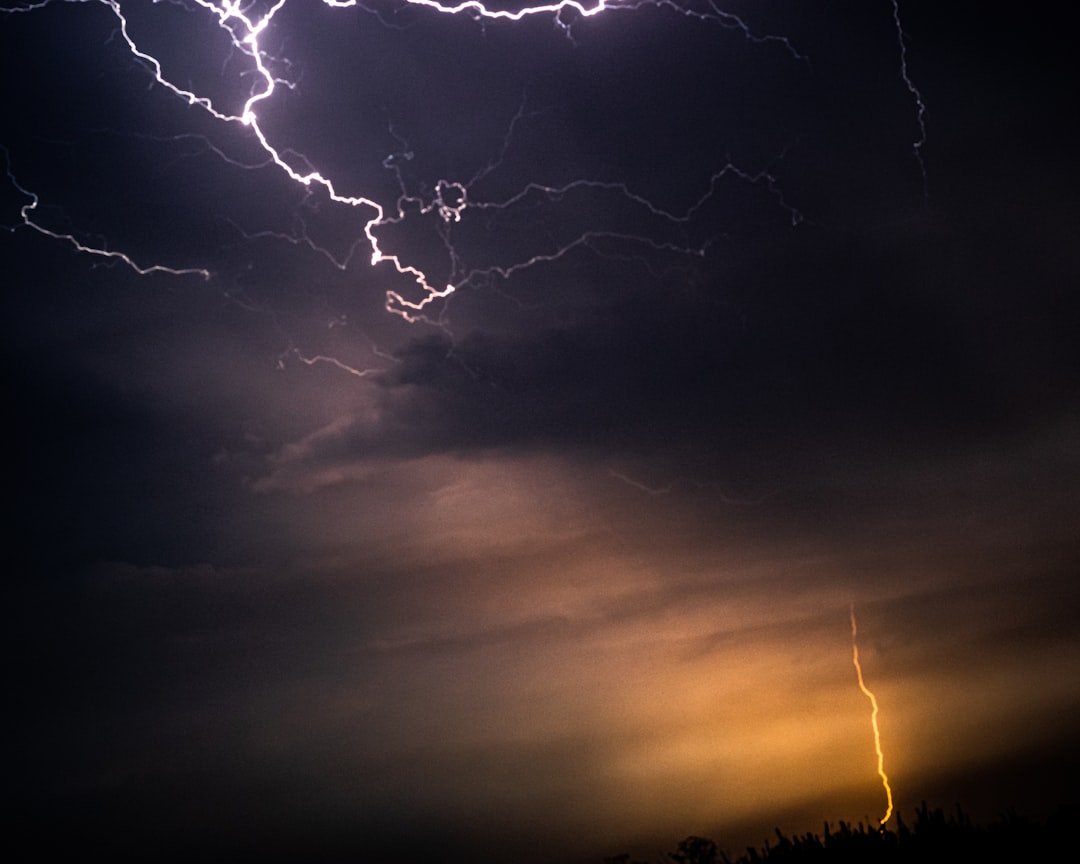
South America faces increasing challenges from severe storms that have become more frequent and intense in recent years. The continent’s varied geography—ranging from Chile’s deserts to the Amazon rainforest—creates diverse climate zones that experience different weather patterns. Recent storm activity has caused significant environmental damage and affected local populations, requiring coordinated responses from government agencies, research institutions, and communities.
These storms present serious risks to public safety and infrastructure. Their unpredictable nature, including sudden changes in strength and direction, complicates preparedness and response efforts. Climate change is altering global weather patterns, and South America is experiencing particularly acute effects.
The region’s combination of geographic diversity, climatic sensitivity, and socioeconomic constraints increases its vulnerability to severe weather events. Analyzing historical storm data, current meteorological trends, and projected climate scenarios is essential for developing effective disaster prevention and management strategies.
Key Takeaways
- Unpredictable storms in South America have increased in frequency and intensity, impacting communities and economies significantly.
- Historical data reveals changing storm patterns linked to climate variability and environmental factors.
- Governments and communities are adopting new technologies and strategies to better predict, respond to, and mitigate storm effects.
- Environmental consequences include damage to ecosystems, increased flooding, and soil erosion.
- International collaboration is crucial for resource sharing, research, and support to enhance resilience against future storms.
Historical Trends and Patterns of Storms in South America
Historically, South America has experienced a variety of storm systems, ranging from tropical cyclones in the northern regions to winter storms in the southern parts. However, the patterns of these storms have evolved over time. In the past, storms were often predictable based on seasonal changes and geographical features.
For instance, the Atlantic hurricane season typically brought storms to the northeastern coast, while the Andes mountains influenced weather patterns in the west. Yet, as climate change accelerates, these historical patterns are becoming increasingly erratic. Recent decades have witnessed a marked increase in the frequency and severity of storms across the continent.
Meteorological data indicates that regions previously considered safe from severe weather are now experiencing unprecedented storm activity. For example, countries like Argentina and Brazil have reported an uptick in severe thunderstorms and flooding events that were once rare. This shift not only disrupts local ecosystems but also challenges long-standing agricultural practices and urban planning efforts. The treacherous waters of the Drake Passage are known for their unpredictable weather and powerful currents.
Impact of Unpredictable Storms on South American Communities
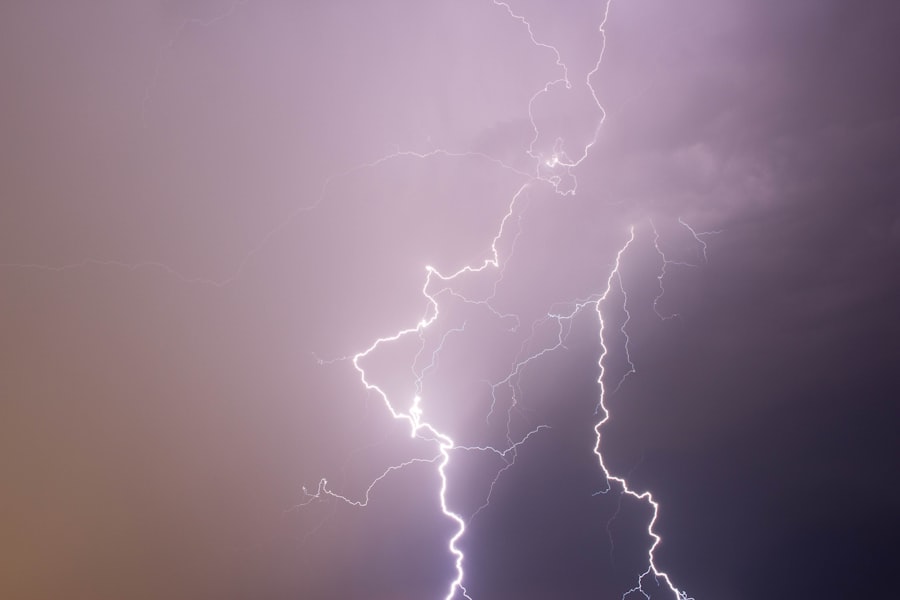
The impact of unpredictable storms on South American communities is profound and multifaceted. Communities often find themselves ill-prepared for the sudden onset of severe weather, leading to loss of life, displacement, and destruction of property. In rural areas, where infrastructure may be lacking, farmers face devastating losses to crops and livestock, threatening their livelihoods and food security.
Urban areas are not immune either; heavy rainfall can overwhelm drainage systems, resulting in flash floods that wreak havoc on neighborhoods. Moreover, the psychological toll on affected communities cannot be overlooked. The trauma associated with experiencing a natural disaster can lead to long-term mental health issues among residents.
Families may be forced to evacuate their homes, leading to a sense of instability and uncertainty about the future. The social fabric of communities can fray as individuals grapple with loss and displacement, highlighting the need for comprehensive support systems in the aftermath of such events.
Factors Contributing to the Increase in Unpredictable Storms
Several factors contribute to the increasing unpredictability of storms in South America. Climate change stands out as a primary driver, with rising global temperatures leading to more intense weather events. Warmer ocean waters fuel tropical storms and hurricanes, while altered atmospheric conditions can result in unexpected shifts in storm paths.
Additionally, deforestation in regions like the Amazon exacerbates these issues by disrupting local weather patterns and reducing the land’s natural resilience to extreme weather. Urbanization also plays a significant role in increasing storm impacts. As cities expand rapidly without adequate infrastructure planning, they become more vulnerable to flooding and other storm-related disasters.
Poorly constructed buildings and inadequate drainage systems can amplify the effects of heavy rainfall, leading to catastrophic outcomes for residents. Furthermore, socio-economic disparities mean that marginalized communities often bear the brunt of these storms, lacking the resources necessary for effective disaster preparedness and recovery.
Environmental Consequences of Unpredictable Storms in South America
| Metric | Value | Details |
|---|---|---|
| Average Annual Storms | 15-25 | Varies by region, higher in coastal areas |
| Storm Intensity | Category 1-3 Hurricanes | Occasional strong storms, mostly tropical cyclones |
| Unpredictability Index | High | Rapid formation and changing paths common |
| Most Affected Countries | Brazil, Argentina, Chile, Colombia | Coastal and southern regions especially vulnerable |
| Average Warning Time | 12-24 hours | Short lead times due to sudden storm development |
| Annual Economic Impact | Varies | Damage to infrastructure, agriculture, and housing |
| Fatalities per Year | 50-200 | Dependent on storm severity and preparedness |
The environmental consequences of unpredictable storms in South America are extensive and alarming. Increased storm activity leads to soil erosion, loss of biodiversity, and disruption of ecosystems. Heavy rainfall can wash away topsoil, diminishing agricultural productivity and threatening food security for millions.
In coastal areas, rising sea levels combined with storm surges can lead to significant habitat loss for marine life and coastal vegetation. Moreover, unpredictable storms can exacerbate existing environmental issues such as deforestation and pollution. Flooding can lead to runoff that carries pollutants into rivers and oceans, further degrading water quality and harming aquatic ecosystems.
The destruction of natural habitats due to storm damage can also hinder conservation efforts aimed at protecting endangered species. As these environmental consequences unfold, they create a feedback loop that makes communities even more vulnerable to future storms.
Government and Community Response to Unpredictable Storms
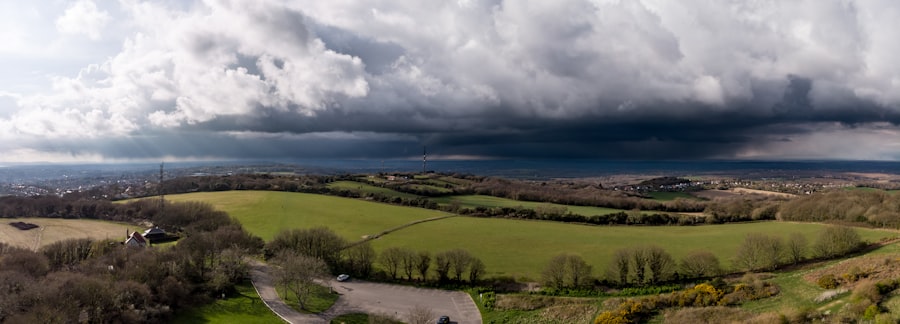
In response to the growing threat posed by unpredictable storms, governments across South America are beginning to implement more robust disaster management strategies. Many countries are investing in early warning systems that utilize advanced meteorological technology to provide timely alerts about impending storms. These systems aim to enhance community preparedness and reduce loss of life by ensuring that residents have adequate time to evacuate or take protective measures.
Community engagement is also crucial in building resilience against unpredictable storms. Local organizations often play a pivotal role in educating residents about disaster preparedness and response strategies. Initiatives that promote sustainable practices—such as reforestation projects or improved urban planning—can help mitigate some of the environmental impacts associated with severe weather events.
By fostering collaboration between government agencies and community groups, South American nations can create a more comprehensive approach to disaster risk reduction.
Economic Implications of Unpredictable Storms in South America
The economic implications of unpredictable storms in South America are significant and far-reaching. The immediate costs associated with storm damage—such as infrastructure repair, emergency response efforts, and healthcare for injured individuals—can strain national budgets and divert resources from other critical areas. For many countries already grappling with economic challenges, these additional burdens can hinder growth and development.
Furthermore, the long-term economic impacts can be equally severe.
Industries reliant on stable weather conditions—such as tourism—may also suffer as unpredictable storms deter visitors or damage natural attractions.
As businesses struggle to recover from storm-related losses, unemployment rates may rise, exacerbating social inequalities within affected communities.
Technological Advances in Predicting and Monitoring Storms
Technological advances have revolutionized the field of meteorology, providing scientists with tools to better predict and monitor storms in South America. Satellite imagery allows for real-time tracking of storm systems, enabling meteorologists to analyze their development and potential impact more accurately than ever before. Additionally, advancements in computer modeling help simulate various storm scenarios based on different environmental conditions.
These technological innovations not only enhance forecasting accuracy but also improve communication between meteorologists and local communities. By disseminating timely information about storm risks through various channels—such as social media or mobile alerts—authorities can ensure that residents are informed and prepared for impending weather events. As technology continues to evolve, it holds promise for further improving storm prediction capabilities across the continent.
Mitigation and Adaptation Strategies for Dealing with Unpredictable Storms
Mitigation and adaptation strategies are essential for addressing the challenges posed by unpredictable storms in South America. Governments are increasingly recognizing the importance of integrating climate resilience into urban planning and infrastructure development. This includes investing in flood defenses, improving drainage systems, and implementing sustainable land-use practices that reduce vulnerability to extreme weather events.
Community-level initiatives also play a vital role in fostering resilience against unpredictable storms. Programs that promote sustainable agriculture practices can help farmers adapt to changing weather patterns while preserving soil health. Additionally, community-based disaster response training equips residents with the skills needed to respond effectively during emergencies.
By combining top-down approaches with grassroots efforts, South American nations can create a more resilient future in the face of unpredictable storms.
International Collaboration and Support for South American Countries
International collaboration is crucial for addressing the challenges posed by unpredictable storms in South America. Many countries face similar threats from climate change and extreme weather events; therefore, sharing knowledge and resources can enhance collective resilience efforts. Organizations such as the United Nations offer platforms for countries to collaborate on disaster risk reduction strategies and share best practices.
Furthermore, financial support from international agencies can aid South American nations in implementing necessary infrastructure improvements and disaster preparedness programs. By fostering partnerships between governments, NGOs, and private sectors across borders, countries can leverage their strengths to build a more resilient response framework against unpredictable storms.
Conclusion and Future Outlook for Unpredictable Storms in South America
The future outlook for unpredictable storms in South America remains uncertain but underscores an urgent need for action at multiple levels. As climate change continues to influence weather patterns globally, it is likely that South America will face even more frequent and intense storms in the coming years. This reality necessitates proactive measures from governments, communities, and international partners alike.
By investing in technology, enhancing community preparedness, and fostering collaboration across borders, South American nations can work towards mitigating the impacts of unpredictable storms while building resilience against future challenges. The path forward will require commitment and innovation but holds promise for safeguarding both people and ecosystems against the growing threat posed by unpredictable storms on this diverse continent.
Unpredictable storms in South America have become a growing concern for both local communities and scientists alike. These extreme weather events can lead to devastating consequences, including flooding and landslides. For a deeper understanding of the factors contributing to these unpredictable storms, you can read more in this related article: Understanding the Impact of Climate Change on South American Weather Patterns.
WATCH THIS 🛑 Drake Passage: Earth’s Deadliest Waters Revealed
FAQs
What causes unpredictable storms in South America?
Unpredictable storms in South America are often caused by a combination of factors including the region’s diverse geography, varying climate zones, and atmospheric conditions such as the El Niño and La Niña phenomena. These factors can lead to sudden changes in weather patterns, making storms difficult to forecast accurately.
Which areas in South America are most affected by unpredictable storms?
Regions such as the Amazon Basin, the Andes Mountains, and coastal areas along the Pacific and Atlantic Oceans are frequently affected by unpredictable storms. Countries like Brazil, Colombia, Peru, and Argentina often experience sudden and severe weather events due to their geographic and climatic diversity.
How do unpredictable storms impact South American communities?
Unpredictable storms can cause flooding, landslides, infrastructure damage, and disruptions to agriculture and transportation. These impacts can lead to economic losses, displacement of populations, and challenges in emergency response and disaster management.
Are there any seasonal patterns to storms in South America?
Yes, many parts of South America experience seasonal weather patterns. For example, the rainy season in the Amazon typically occurs from December to May. However, due to climate variability and phenomena like El Niño, the timing and intensity of storms can be irregular and unpredictable.
What measures are being taken to improve storm prediction in South America?
Meteorological agencies in South America are investing in advanced weather monitoring technologies, satellite data, and climate modeling to improve storm forecasting. Regional cooperation and data sharing among countries also enhance the ability to predict and respond to severe weather events.
How does climate change affect the unpredictability of storms in South America?
Climate change is believed to increase the frequency and intensity of extreme weather events, including storms. Rising temperatures can alter atmospheric circulation patterns and increase moisture in the air, contributing to more unpredictable and severe storms in South America.
Can individuals prepare for unpredictable storms in South America?
Yes, individuals can prepare by staying informed through weather alerts, having emergency kits ready, securing property, and following guidance from local authorities. Community preparedness and awareness are crucial in minimizing the risks associated with sudden storms.