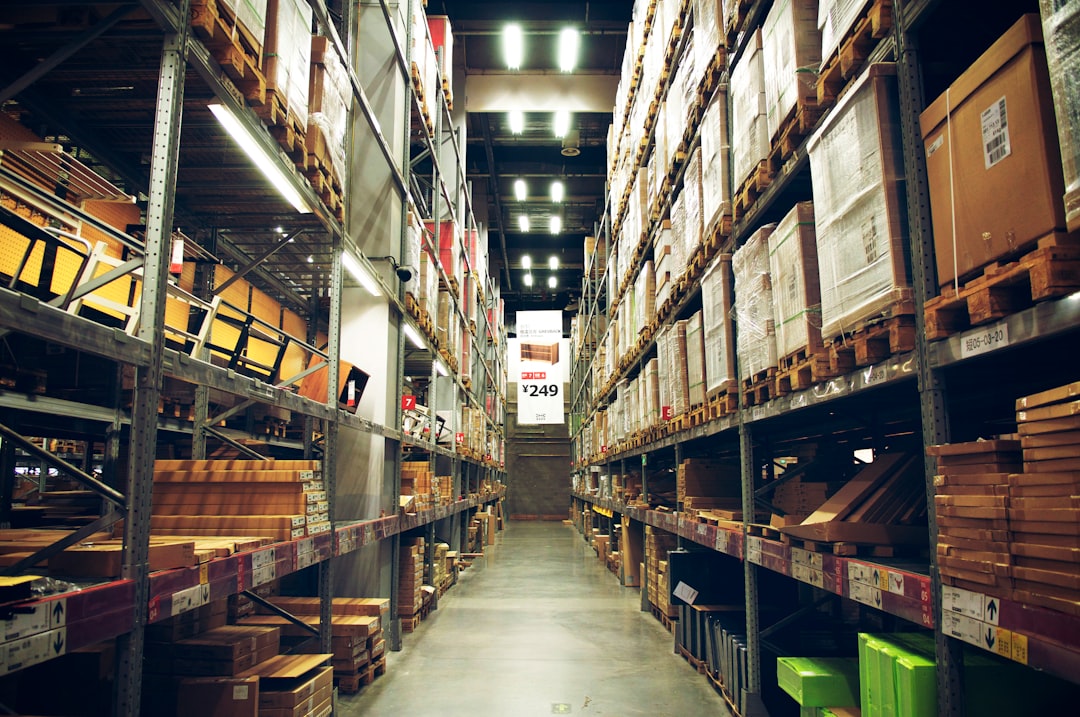
In recent years, the logistics and supply chain sectors have faced a significant challenge: a shortage of warehouse capacity. This issue has emerged as a critical concern for businesses across various industries, driven by a combination of factors including e-commerce growth, changing consumer behaviors, and global supply chain disruptions. As companies strive to meet increasing demand for their products, the limitations in available warehouse space have become a bottleneck, hindering their ability to operate efficiently.
The implications of this shortage extend beyond mere inconvenience; they affect inventory management, operational costs, and ultimately, customer satisfaction. The warehouse capacity shortage is not merely a temporary blip on the radar; it represents a systemic issue that has been exacerbated by recent global events. The COVID-19 pandemic, for instance, highlighted vulnerabilities in supply chains and led to unprecedented shifts in purchasing patterns.
As consumers turned to online shopping in droves, the demand for storage space surged, leaving many businesses scrambling to find adequate facilities to house their goods. This article delves into the causes and impacts of the warehouse capacity shortage, as well as potential solutions that businesses can implement to navigate this complex landscape.
Key Takeaways
- Warehouse capacity shortages stem from increased demand, supply chain disruptions, and limited storage space.
- These shortages negatively affect businesses by increasing costs and delaying order fulfillment.
- Consumers face longer wait times and reduced product availability due to warehouse constraints.
- Solutions include adopting technology, automation, and inventory strategies like cross-docking and just-in-time.
- Collaborating with third-party logistics providers and exploring shared or off-site warehousing can alleviate capacity issues.
Causes of the Warehouse Capacity Shortage
Several interrelated factors contribute to the ongoing warehouse capacity shortage. One of the primary drivers is the explosive growth of e-commerce. As more consumers opt for online shopping, retailers are compelled to stock larger inventories to meet immediate delivery expectations.
This surge in demand for warehouse space has outpaced the construction of new facilities, leading to a significant imbalance between supply and demand. Additionally, many existing warehouses are not equipped to handle the complexities of modern logistics, further exacerbating the issue. Another contributing factor is the global supply chain disruptions that have become increasingly common in recent years.
Events such as natural disasters, geopolitical tensions, and health crises have led to delays in shipping and production, causing businesses to hold onto inventory longer than anticipated. This accumulation of goods in warehouses has resulted in a strain on available space, making it difficult for companies to manage their stock effectively. Furthermore, rising real estate costs in key logistics hubs have made it challenging for businesses to secure new warehouse locations, compounding the problem.
Impacts of the Warehouse Capacity Shortage on Businesses
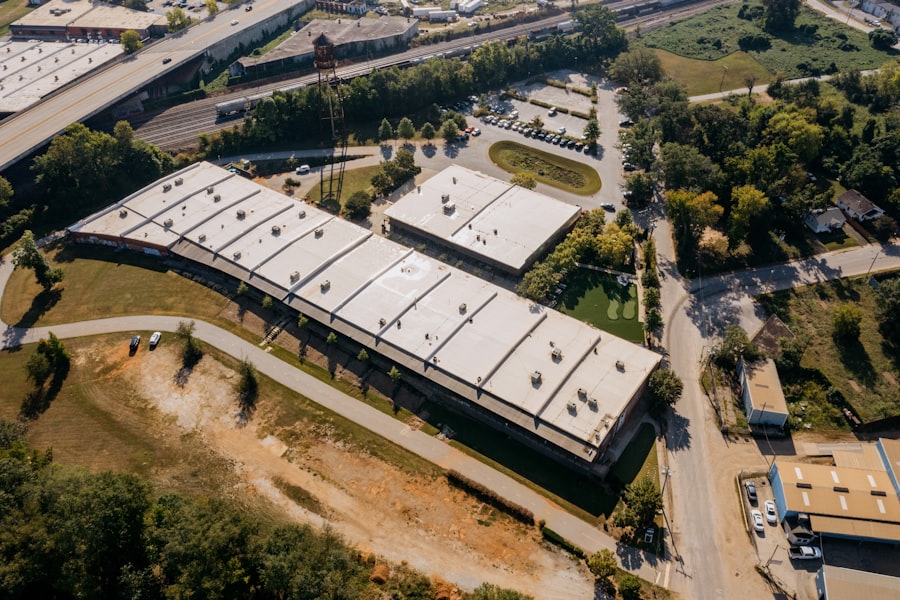
The warehouse capacity shortage has far-reaching implications for businesses operating in various sectors. One of the most immediate effects is the increased operational costs associated with storing inventory. As companies struggle to find adequate space, they may be forced to rent additional facilities at premium rates or invest in temporary storage solutions.
These added expenses can erode profit margins and hinder overall financial performance, particularly for small and medium-sized enterprises that may lack the resources to absorb such costs. Moreover, the shortage can lead to inefficiencies in inventory management. When warehouse space is limited, businesses may resort to overstocking or understocking products, both of which can have detrimental effects on customer satisfaction.
Overstocking can result in excess inventory that ties up capital and increases holding costs, while understocking can lead to stockouts and missed sales opportunities. This delicate balance becomes increasingly difficult to maintain in a constrained environment, ultimately impacting a company’s ability to compete effectively in the marketplace.
Impacts of the Warehouse Capacity Shortage on Consumers
Consumers are not immune to the repercussions of the warehouse capacity shortage; in fact, they often bear the brunt of its effects. One of the most noticeable impacts is longer delivery times. As businesses struggle to manage their inventory and fulfill orders promptly, customers may experience delays in receiving their purchases.
This can lead to frustration and dissatisfaction, particularly in an era where consumers have come to expect rapid delivery as a standard service. Additionally, the shortage can result in higher prices for consumers. As businesses face increased operational costs due to limited warehouse space, they may pass these expenses onto customers in the form of higher prices.
This inflationary pressure can affect consumer purchasing behavior, leading them to seek alternatives or delay purchases altogether.
Solutions for Businesses Dealing with Warehouse Capacity Shortage
| Metric | Description | Value | Unit | Notes |
|---|---|---|---|---|
| Warehouse Utilization Rate | Percentage of total warehouse space currently in use | 95 | % | High utilization indicates limited available capacity |
| Storage Space Shortage | Additional space required to meet current demand | 20,000 | sq ft | Represents unmet storage needs |
| Average Inventory Turnover | Number of times inventory is sold and replaced annually | 4.5 | turns/year | Lower turnover can exacerbate capacity issues |
| Backorder Rate | Percentage of orders delayed due to lack of storage capacity | 12 | % | Higher backorder rates indicate capacity constraints |
| Average Lead Time | Time from order placement to fulfillment | 7 | days | Increased lead time may result from capacity shortages |
| Temporary Storage Costs | Costs incurred for renting additional storage space | 15,000 | per month | Additional expense due to capacity shortage |
To navigate the challenges posed by warehouse capacity shortages, businesses must adopt proactive strategies that enhance their operational efficiency. One effective approach is optimizing existing warehouse space through better layout design and inventory management practices. By analyzing workflows and reorganizing storage systems, companies can maximize their use of available space and improve overall productivity.
Implementing techniques such as slotting optimization can also help ensure that high-demand items are easily accessible, reducing picking times and enhancing order fulfillment rates. Another solution involves diversifying storage options by exploring alternative warehousing arrangements. Businesses can consider utilizing temporary storage facilities or partnering with third-party logistics (3PL) providers that offer flexible warehousing solutions.
Implementing Technology to Optimize Warehouse Space
The integration of technology into warehouse operations presents a significant opportunity for businesses grappling with capacity shortages. Advanced warehouse management systems (WMS) can provide real-time visibility into inventory levels and storage utilization, enabling companies to make data-driven decisions about their operations. By leveraging analytics tools, businesses can identify trends in product demand and adjust their inventory strategies accordingly.
Moreover, technologies such as automated storage and retrieval systems (AS/RS) can enhance space utilization by maximizing vertical storage capabilities. These systems allow for efficient organization and retrieval of goods while minimizing the footprint required for storage. By investing in such technologies, businesses can not only alleviate capacity constraints but also improve overall operational efficiency and accuracy.
Collaborating with 3PL Providers to Address Warehouse Capacity Shortage
Collaboration with third-party logistics (3PL) providers offers a strategic avenue for businesses seeking to mitigate warehouse capacity shortages. 3PL providers specialize in logistics management and often possess extensive networks of warehouses that can accommodate varying storage needs. By partnering with these providers, companies can gain access to additional space without incurring the costs associated with building or leasing new facilities.
Furthermore, 3PL providers bring expertise in inventory management and distribution strategies that can enhance overall supply chain efficiency. They often employ advanced technologies and best practices that enable businesses to streamline their operations and respond more effectively to market fluctuations. This collaboration not only alleviates immediate capacity concerns but also positions companies for long-term success in an increasingly competitive landscape.
Utilizing Cross-Docking and Just-In-Time Inventory Strategies
Cross-docking and just-in-time (JIT) inventory strategies are two methodologies that can help businesses optimize their warehouse operations amidst capacity shortages. Cross-docking involves transferring goods directly from incoming shipments to outgoing deliveries without storing them in between. This approach minimizes handling time and reduces the need for extensive warehousing space, allowing companies to maintain leaner inventories while still meeting customer demand.
Similarly, JIT inventory strategies focus on aligning production schedules with customer demand to minimize excess stock. By receiving goods only as they are needed for production or fulfillment, businesses can reduce their reliance on large warehouses and lower holding costs. Implementing these strategies requires careful coordination with suppliers and logistics partners but can yield significant benefits in terms of efficiency and cost savings.
Investing in Automation to Maximize Warehouse Efficiency
Automation has emerged as a game-changer for warehouses facing capacity constraints. By incorporating automated systems such as robotic picking solutions and conveyor systems, businesses can significantly enhance their operational efficiency. These technologies reduce manual labor requirements and increase throughput rates, allowing warehouses to process orders more quickly and effectively.
Additionally, automation can improve accuracy in inventory management by minimizing human error during picking and packing processes. With real-time data tracking capabilities, automated systems provide businesses with greater visibility into their inventory levels and movements, enabling them to make informed decisions about stock replenishment and allocation. As companies invest in automation technologies, they position themselves to better navigate the challenges posed by warehouse capacity shortages while also enhancing overall customer satisfaction.
Exploring Off-Site and Shared Warehousing Options
In response to the ongoing warehouse capacity shortage, many businesses are exploring off-site and shared warehousing options as viable solutions. Off-site warehousing allows companies to store inventory in locations that may be more cost-effective or strategically advantageous than traditional warehouses. This flexibility enables businesses to adapt their storage capabilities based on changing market conditions without incurring significant overhead costs.
Shared warehousing arrangements involve multiple companies utilizing a single facility for their storage needs. This collaborative approach allows businesses to share resources and reduce individual costs associated with maintaining separate warehouses. By pooling their inventory within a shared space, companies can achieve economies of scale while also enhancing their ability to respond quickly to fluctuations in demand.
Conclusion and Future Outlook for Warehouse Capacity Shortage
The warehouse capacity shortage presents a multifaceted challenge that requires innovative solutions from businesses across industries. As e-commerce continues its upward trajectory and global supply chains remain susceptible to disruptions, companies must remain agile in their approach to warehousing and logistics management. By embracing technology, optimizing existing resources, collaborating with 3PL providers, and exploring alternative storage options, businesses can effectively navigate this complex landscape.
Looking ahead, it is likely that the warehouse capacity shortage will persist as consumer expectations evolve and market dynamics shift. However, organizations that proactively address these challenges will be better positioned for success in an increasingly competitive environment. The future of warehousing will undoubtedly involve a blend of traditional practices and cutting-edge innovations aimed at maximizing efficiency while meeting the demands of an ever-changing marketplace.
The ongoing warehouse capacity shortage has become a pressing issue for many businesses, impacting supply chains and logistics operations. For a deeper understanding of this challenge and its implications, you can read a related article on the topic at this link. This article provides insights into the factors contributing to the shortage and potential strategies for mitigating its effects.
WATCH THIS! 🌍 THE $15 TRILLION GAMBLE: What Happens If The Strait of Malacca Closes For One Week?
FAQs
What is a warehouse capacity shortage?
A warehouse capacity shortage occurs when the demand for storage space exceeds the available warehouse space, leading to insufficient room to store goods efficiently.
What causes warehouse capacity shortages?
Common causes include increased inventory levels, supply chain disruptions, seasonal demand spikes, limited warehouse infrastructure, and rapid business growth without corresponding expansion in storage facilities.
How does a warehouse capacity shortage impact businesses?
It can lead to delayed order fulfillment, increased operational costs, inventory mismanagement, reduced customer satisfaction, and potential loss of sales.
What industries are most affected by warehouse capacity shortages?
Retail, e-commerce, manufacturing, and logistics industries are often most affected due to their reliance on timely storage and distribution of goods.
How can businesses manage warehouse capacity shortages?
Strategies include optimizing existing space through better layout and inventory management, using third-party logistics providers, investing in automation, expanding warehouse facilities, and implementing just-in-time inventory practices.
Are there technological solutions to address warehouse capacity shortages?
Yes, technologies such as warehouse management systems (WMS), automation, robotics, and data analytics can improve space utilization and operational efficiency.
Can warehouse capacity shortages affect supply chains?
Yes, shortages can cause bottlenecks, disrupt supply chain flow, increase lead times, and reduce overall supply chain resilience.
Is warehouse capacity shortage a temporary or long-term issue?
It can be either; some shortages are seasonal or due to temporary demand spikes, while others result from sustained growth or structural limitations in warehouse infrastructure.
What role does inventory management play in preventing warehouse capacity shortages?
Effective inventory management helps maintain optimal stock levels, reducing excess inventory and freeing up warehouse space, thereby mitigating capacity shortages.
How can businesses forecast and plan for warehouse capacity needs?
By analyzing sales trends, seasonal demand, supply chain data, and growth projections, businesses can anticipate storage requirements and plan expansions or adjustments accordingly.