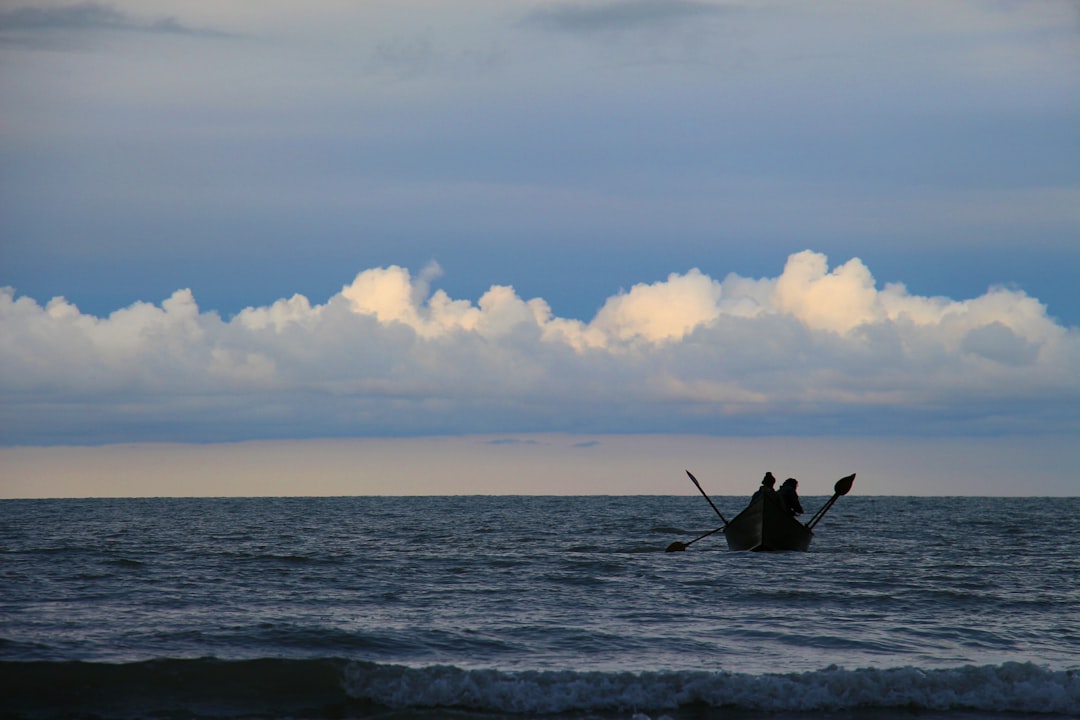
The Caspian Sea, a colossal inland body of water straddling the borderlands of several nations, has experienced a dramatic and frankly alarming decline in water levels over the past decade. This shrinkage, manifesting as an unprecedented 114-centimeter (approximately 3.7 feet) depth loss, is not merely an interesting geographical observation; it represents a profound environmental challenge with far-reaching implications for biodiversity, regional economies, and the livelihoods of millions. This article will delve into the multifaceted causes, observable impacts, and potential future scenarios surrounding this critical environmental event.
The Caspian Sea’s water level has been a subject of scientific inquiry for centuries, but the rate of decline witnessed in the last ten years stands out as a stark departure from historical norms. The 114cm reduction is a stark figure, a creeping thirst that has visibly reshaped coastlines and strained the delicate balance of this unique ecosystem. For the scientific community, this rate of loss is not a gentle ebb and flow of nature but a sharp, concerning signal.
Quantifying the Shrinkage: Data and Trends
Satellite imagery and ground-based measurements paint a consistent picture of a shrinking giant. Data collected by various international bodies and national environmental agencies consistently shows a downward trend that has accelerated. This isn’t guesswork; it’s a robust dataset that allows scientists to model future scenarios and understand the underlying mechanisms driving this phenomenon. The consistency across different monitoring methods lends significant weight to the findings, leaving little room for doubt about the severity of the situation. This measurable decline acts as a relentless ticking clock, reminding us of the urgency required to address the problem.
Historical Context: Fluctuations and Anomalies
While the Caspian Sea has experienced natural fluctuations in its water levels throughout geological history, the current rate of decline is far outside the bounds of typical natural variability. Past periods of lower water levels were often linked to climatic cycles or tectonic shifts. However, the speed and scale of the recent drop suggest that additional, perhaps anthropogenic, factors are at play. Understanding these historical patterns helps to contextualize the current crisis, highlighting how the present situation is distinct and demanding a focused response. It’s like comparing a common cold to a severe pandemic; both are illnesses, but their impact and required intervention are vastly different.
The alarming decline in the Caspian Sea’s depth, which has seen a loss of 114 centimeters over the past decade, has raised concerns among environmentalists and researchers alike. This phenomenon is not isolated; it reflects broader trends in global water bodies facing similar challenges. For a deeper understanding of the implications of such changes and the factors contributing to them, you can read a related article on this topic at My Geo Quest.
Unraveling the Causes: A Confluence of Factors
The dramatic decrease in the Caspian Sea’s water level is not attributable to a single culprit. Instead, it is the result of a complex interplay of climatic shifts, human activities, and the inherent characteristics of the Caspian basin itself. Pinpointing the precise contribution of each factor is an ongoing area of research, but the general consensus points to a confluence of pressures.
Climatic Influences: Rainfall, Evaporation, and Temperature Shifts
The most significant climatic driver is believed to be altered precipitation patterns within the Caspian Sea’s vast drainage basin. A reduction in rainfall in the key feeder river regions, particularly the Volga River which supplies over 80% of the Caspian’s freshwater inflow, directly impacts the sea’s replenishment.
Reduced Precipitation in River Basins
The upstream regions of major rivers flowing into the Caspian, especially those originating in the Caucasus and Central Asia, have experienced prolonged periods of reduced rainfall. This is a critical element, as these rivers act as the sea’s lifeblood. Imagine a bathtub with the drain slowly being opened and the faucet being turned down; the water level will inevitably drop. Scientists are meticulously analyzing long-term meteorological data to understand the extent and duration of these precipitation deficits.
Increased Evaporation Rates
Compounding the issue of reduced inflow is an increase in evaporation from the sea’s surface. Rising regional temperatures, a direct consequence of global climate change, accelerate the rate at which water turns into vapor and dissipates into the atmosphere. The warmer the air, the more moisture it can hold, and the more readily surface water is lost. This creates a double whammy: less water coming in and more water going out. This amplified evaporation is like a relentless sun beating down on a parched landscape, drawing out precious moisture.
Temperature Anomalies and Their Impact on Hydrology
Beyond direct evaporation, temperature anomalies can also indirectly influence water levels. Warmer winters can lead to less snowpack in mountainous regions, which acts as a natural reservoir, gradually releasing meltwater into rivers throughout the spring and summer. Reduced snowpack means less sustained freshwater input during crucial periods. Furthermore, changes in atmospheric circulation patterns, potentially linked to broader climatic shifts, can alter the frequency and intensity of storms, further influencing regional precipitation.
Anthropogenic Pressures: Water Use and Infrastructure
Human activities, both historical and contemporary, have also played a significant role in shaping the Caspian’s water balance. The increasing demands of a growing population and expanding agricultural sectors exert considerable pressure on freshwater resources.
Diversion of River Water for Agriculture and Industry
The diversion of water from rivers feeding the Caspian for irrigation, industrial processes, and municipal water supply represents a substantial draw. As the populations surrounding the Caspian have grown and agricultural practices have intensified, the demand for water has surged. This is akin to multiple straws systematically siphoning water from a shared container. The efficiency and sustainability of these water diversion practices are under scrutiny, as they directly reduce the amount of freshwater reaching the sea.
Impact of Hydroelectric Dams and Water Management Structures
The construction of hydroelectric dams and other water management structures on feeder rivers, while offering benefits in terms of power generation and flood control, can also significantly alter natural flow regimes. These structures can impound water, change seasonal flow patterns, and reduce the amount of water released downstream. This can be like putting a lid on a pot, controlling the steam but also affecting the natural convection within. The cumulative impact of multiple dams across a river system can be substantial, acting as a series of impediments to natural water flow.
Transboundary Water Management Challenges
The Caspian Sea is bordered by five nations (Russia, Kazakhstan, Turkmenistan, Iran, and Azerbaijan), making its management a complex transboundary issue. Disagreements over water allocation, pollution control, and the environmental impact of upstream activities can hinder coordinated efforts to address declining water levels. The lack of a unified and effective governance framework can leave the sea vulnerable to the actions of individual states, each prioritizing their own needs. This can result in a fragmented approach, with each nation trying to patch a hole in a sinking ship without a collective plan.
The Cascading Consequences: A System Under Stress

The shrinking of the Caspian Sea is not an isolated environmental event; its impacts ripple outwards, affecting a wide array of ecological, economic, and social systems. The gradual recession of the water’s edge is a visible symptom of a deeper systemic stress.
Ecological Devastation: Biodiversity at Risk
The Caspian Sea is a unique ecosystem, home to a rich array of endemic species that are now facing an existential threat. The dramatic change in habitat conditions is proving to be a death knell for many.
Impact on Fisheries and Aquaculture
The Caspian Sea has historically been a vital source of fish, including the highly prized Caspian salmon and sturgeon, famous for their caviar. Declining water levels lead to reduced spawning grounds, habitat degradation, and increased salinity in some areas, all of which negatively impact fish populations. The shrinking habitat is like a once-spacious auditorium being systematically dismantled, leaving performers with no stage. This has devastating consequences for commercial and artisanal fisheries, impacting the food security and livelihoods of coastal communities.
Threats to Wetland Habitats and Migratory Birds
The extensive wetlands and deltas surrounding the Caspian Sea are crucial habitats for a vast number of migratory bird species. As the water recedes, these wetlands shrink and degrade, reducing feeding and breeding grounds. This loss of vital resting and foraging areas can disrupt migration routes and threaten the survival of entire bird populations. It’s a domino effect, where the fall of one ecological element triggers the collapse of others.
Changes in Salinity and Water Quality
The reduction in freshwater inflow, coupled with increased evaporation, can lead to a rise in the salinity of the Caspian Sea, particularly in shallower bays and gulfs. Changes in salinity can stress or kill aquatic organisms that are adapted to specific conditions, leading to shifts in species composition and potentially the extinction of vulnerable populations. Moreover, a reduced water volume means pollutants become more concentrated, further degrading water quality and impacting both aquatic life and human health.
Socioeconomic Repercussions: Livelihoods and Economies
The economic and social well-being of the regions bordering the Caspian Sea are intrinsically linked to the health of the sea. The shrinking waters are creating a cascade of economic challenges.
Impact on Coastal Communities and Infrastructure
Communities that have historically relied on the sea for fishing, recreation, and tourism are directly impacted by the receding shoreline. Ports and harbors can become inaccessible, requiring costly dredging or relocation. Coastal infrastructure, such as roads, pipelines, and buildings, may become exposed or damaged as the sea retreats. The economic engine of these communities, once fueled by the sea, is sputtering.
Challenges for Transportation and Navigation
The Caspian Sea is a vital transportation corridor for regional trade and transit. Reduced water levels can make navigation more difficult and dangerous, impacting shipping routes and increasing transit times and costs. Dredging efforts are often required to maintain navigability, incurring significant expense and environmental disturbance. The arteries of commerce are becoming constricted.
Tourism and Recreation Decline
The attractiveness of the Caspian Sea as a tourist destination is diminishing as beaches shrink, recreational areas become degraded, and the overall aesthetic appeal is altered. This loss of tourism revenue can have a significant impact on local economies that depend on this sector for employment and income. The vibrant tapestry of leisure and hospitality is beginning to fray.
Geopolitical Implications: Competition and Cooperation
The Caspian Sea is a region of strategic importance, and the challenges posed by its shrinking water levels can exacerbate existing geopolitical tensions and create new ones.
Increased Competition for Scarce Water Resources
As the water levels drop, the competition for remaining freshwater resources among the riparian states is likely to intensify. This could lead to disputes over water allocation from feeder rivers and create friction in transboundary water management. The shared resource becomes a source of contention rather than cooperation.
Potential for Displacement and Migration
In the long term, the environmental degradation and economic hardship caused by the declining Caspian Sea could lead to population displacement and migration, presenting further humanitarian and political challenges for the affected nations. When the land can no longer sustain its people, they are forced to seek new horizons.
Looking Ahead: Scenarios and Strategies for Mitigation

The future of the Caspian Sea hinges on a combination of international cooperation, scientific understanding, and proactive environmental management. The outlook is concerning, but not entirely without hope if decisive action is taken.
Projections and Future Scenarios
Climate models and hydrological studies provide various projections for the Caspian Sea’s future water levels, often painting a grim picture if current trends continue unabated.
Potential for Further Water Level Decline
Under business-as-usual scenarios, where anthropogenic pressures remain high and climatic conditions continue to favor reduced inflow and increased evaporation, the Caspian Sea could experience further significant water level declines in the coming decades. This would exacerbate all the aforementioned impacts. It’s a path leading further into the desert.
The “Bathtub” Analogy Revisited: Tipping Points
Scientists often use the analogy of a bathtub to explain water balance. The Caspian Sea’s bathtub is losing water faster than it is being filled. There are concerns about potential “tipping points” where the ecosystem could undergo irreversible damage, even if water levels were to stabilize or rise at a later stage. This is like over-churning a delicate batter; it can’t be easily restored to its original state.
Mitigation and Adaptation Strategies: A Call to Action
Addressing the Caspian Sea’s water crisis requires a multi-pronged approach, encompassing both efforts to mitigate the causes and strategies to adapt to the unavoidable changes.
Enhancing Regional Cooperation and Water Governance
Strengthening regional cooperation among the Caspian Sea littoral states is paramount. This includes developing and implementing robust transboundary water management agreements, sharing data and research, and coordinating policies to reduce water abstraction and pollution. The idea of isolated solutions is as effective as trying to bail out a sinking boat with a sieve.
Implementing Sustainable Water Management Practices
On a national level, each riparian state must prioritize the implementation of sustainable water management practices. This includes improving irrigation efficiency, investing in water-saving technologies, promoting water reuse, and re-evaluating water-intensive industries. A paradigm shift towards water conservation is essential.
Investing in Climate Change Adaptation and Resilience
Beyond mitigation, investing in climate change adaptation measures is crucial. This could involve developing drought-resistant crops, supporting coastal communities in adapting to changing shorelines, and implementing ecosystem restoration projects to enhance resilience. Building a stronger shield against the storm is as important as trying to calm the winds.
Continued Scientific Research and Monitoring
Sustained and intensified scientific research and monitoring are essential to better understand the complex dynamics of the Caspian Sea, refine projections, and inform policy decisions. The more we understand the patient’s condition, the better we can treat the illness.
Recent studies have highlighted the alarming trend of the Caspian Sea experiencing a significant depth loss of 114 centimeters over the past decade, raising concerns about the ecological and economic impacts on the surrounding regions. This decline in water levels has been linked to various factors, including climate change and human activity. For a deeper understanding of the implications of this phenomenon, you can read more in this insightful article on the subject. The article provides valuable context and analysis that can help readers grasp the complexities of the situation. To explore further, visit this link.
The Unfolding Narrative: A Critical Juncture for the Caspian
| Metric | Value | Unit | Time Period | Notes |
|---|---|---|---|---|
| Depth Loss | 114 | cm | 1 decade | Average decrease in water depth of the Caspian Sea |
| Annual Depth Loss Rate | 11.4 | cm/year | 1 decade | Calculated average yearly depth loss |
| Surface Area | 371,000 | km² | Current | Approximate surface area of the Caspian Sea |
| Volume Loss Estimate | ~423 | km³ | 1 decade | Estimated volume loss based on depth decrease and surface area |
| Main Causes | Climate change, water extraction, evaporation | N/A | Ongoing | Factors contributing to depth loss |
The unprecedented 114cm depth loss in the Caspian Sea over the past decade is a stark wake-up call. It is a clear indication that this vital body of water, and the millions of lives and livelihoods it sustains, is under immense pressure. The narrative of the Caspian Sea is no longer one of enduring abundance but of precarious resource management.
A Legacy Under Threat: Our Responsibility
The Caspian Sea represents a unique natural heritage, a treasure trove of biodiversity, and a crucial economic artery for its bordering nations. The decisions made today will determine whether this legacy is preserved for future generations or lost to the creeping advancement of a drier future. We are the custodians of this magnificent, yet vulnerable, blue heart.
The Urgency of Collective Action
The challenge facing the Caspian Sea is too vast and too interconnected to be tackled by any single nation or sector alone. It demands a unified, concerted, and immediate response from all stakeholders. The time for incremental adjustments has passed; a bold and transformative approach is required. The currents of change are powerful, and only by swimming together can we navigate these turbulent waters.
The Road Ahead: Hope Amidst the Challenge
While the statistics are sobering and the challenges are formidable, the story of the Caspian Sea is also a story of human ingenuity and the potential for cooperation. By embracing scientific understanding, fostering collaboration, and committing to sustainable practices, it is still possible to steer the Caspian towards a more stable and prosperous future. The vastness of the sea itself can serve as a metaphor for the boundless potential for solutions when we unite our efforts.
FAQs
What is the Caspian Sea?
The Caspian Sea is the world’s largest enclosed inland body of water, located between Europe and Asia. It is bordered by five countries: Russia, Kazakhstan, Turkmenistan, Iran, and Azerbaijan.
How much has the Caspian Sea’s water level dropped in the past decade?
The Caspian Sea has experienced a depth loss of approximately 114 centimeters (1.14 meters) over the past decade.
What are the main causes of the Caspian Sea’s depth loss?
The primary causes include reduced river inflow due to damming and water diversion, increased evaporation rates linked to climate change, and regional climatic variations affecting precipitation patterns.
What are the potential environmental impacts of the Caspian Sea’s declining water levels?
Declining water levels can lead to habitat loss for aquatic and coastal species, increased salinity, disruption of fisheries, and negative effects on local economies dependent on the sea’s resources.
Are there any measures being taken to address the Caspian Sea’s water level decline?
Efforts include regional cooperation among bordering countries to manage water resources more sustainably, monitoring environmental changes, and exploring strategies to reduce water consumption and mitigate climate change impacts.