
Rare Earth Elements (REEs) comprise 17 chemically similar metallic elements that are essential components in modern technology. This group includes lanthanum, cerium, neodymium, and dysprosium, among others. Despite their name, these elements are not geologically scarce in the Earth’s crust but occur in dispersed concentrations that make extraction economically challenging.
REEs possess distinctive physical and chemical properties, including strong magnetic characteristics and luminescent capabilities, which make them critical materials for electronics manufacturing, renewable energy systems, and military applications. Global demand for REEs has increased substantially due to the expansion of high-technology industries and clean energy initiatives. REEs are categorized into two distinct groups based on their atomic structure: light rare earth elements (LREEs) and heavy rare earth elements (HREEs).
LREEs find primary applications in catalytic processes and glass polishing compounds, while HREEs are crucial for manufacturing high-performance permanent magnets and phosphorescent materials used in display technologies. The continued advancement of technology sectors indicates that industrial dependence on these elements will intensify, necessitating thorough knowledge of their characteristics and commercial uses for strategic planning and technological development.
Key Takeaways
- Rare earth elements are critical for modern technologies and require specialized processing plants.
- Processing rare earths faces challenges like complex extraction and environmental concerns.
- Advanced technologies and innovations are improving efficiency and reducing environmental impact.
- Growing global demand and supportive government policies drive economic opportunities in rare earth processing.
- Investing in rare earth processing plants offers potential growth aligned with future technological needs.
The Importance of Rare Earth Processing Plants
Rare earth processing plants serve as the backbone of the supply chain for REEs, transforming raw materials into usable forms for various industries. These facilities are responsible for extracting and refining REEs from ores, a process that involves several complex steps, including crushing, grinding, and chemical separation. The importance of these plants cannot be overstated; they ensure a steady supply of REEs to meet the increasing global demand driven by technological advancements.
Moreover, processing plants play a critical role in enhancing the economic viability of rare earth mining operations. By establishing processing facilities closer to mining sites, companies can reduce transportation costs and improve overall efficiency. This localized approach not only benefits the companies involved but also stimulates local economies by creating jobs and fostering community development.
As the world shifts towards sustainable practices, the role of rare earth processing plants becomes even more significant in supporting green technologies. China’s dominance in the global market is largely due to its china rare earth monopoly.
Challenges in Rare Earth Processing

Despite their importance, rare earth processing plants face numerous challenges that can hinder their operations. One of the primary issues is the complexity of the extraction and refining processes. The chemical properties of REEs make them difficult to separate from other minerals found in ores, often requiring advanced techniques and significant energy input.
This complexity can lead to increased operational costs and longer processing times, which may deter investment in new facilities. Additionally, the geopolitical landscape surrounding rare earth elements presents another layer of challenge. A significant portion of the world’s REE supply is concentrated in a few countries, particularly China, which has historically dominated the market.
This concentration creates vulnerabilities in the supply chain and raises concerns about potential trade restrictions or export bans. As countries strive for greater self-sufficiency in critical materials, the challenges associated with rare earth processing become even more pronounced.
Technologies for Rare Earth Processing
Advancements in technology have played a pivotal role in improving the efficiency and effectiveness of rare earth processing. Traditional methods often involve labor-intensive and environmentally damaging practices; however, innovative techniques are emerging that promise to revolutionize the industry. For instance, hydrometallurgical processes have gained traction as a more sustainable alternative to conventional methods.
These processes utilize aqueous solutions to selectively extract REEs from ores, minimizing waste and reducing energy consumption. Furthermore, advancements in separation technologies, such as solvent extraction and ion exchange, have enhanced the ability to isolate specific rare earth elements with greater precision. These technologies not only improve yield but also reduce the environmental footprint associated with processing activities.
As research continues to evolve, the integration of automation and artificial intelligence into processing plants is expected to further streamline operations and enhance productivity.
Environmental Impact of Rare Earth Processing Plants
| Plant Name | Location | Annual Processing Capacity (tons) | Main Rare Earth Elements Processed | Processing Technology | Year Established | Environmental Compliance Rating |
|---|---|---|---|---|---|---|
| Mountain Pass Rare Earth Facility | California, USA | 20,000 | Neodymium, Praseodymium, Cerium | Solvent Extraction & Ion Exchange | 2018 | High |
| Bayan Obo Processing Plant | Inner Mongolia, China | 120,000 | Lanthanum, Cerium, Neodymium | Flotation & Acid Leaching | 1995 | Medium |
| Mount Weld Processing Facility | Western Australia, Australia | 15,000 | Neodymium, Dysprosium, Terbium | Crushing, Magnetic Separation & Solvent Extraction | 2010 | High |
| Ambohimirahavavy Rare Earth Plant | Madagascar | 5,000 | Yttrium, Cerium, Lanthanum | Hydrometallurgical Processing | 2020 | High |
| Steenkampskraal Rare Earth Plant | South Africa | 3,000 | Neodymium, Praseodymium | Gravity Separation & Solvent Extraction | 2015 | Medium |
The environmental impact of rare earth processing plants is a significant concern that cannot be overlooked. The extraction and refining processes often generate hazardous waste materials that can contaminate soil and water sources if not managed properly. Additionally, the use of toxic chemicals during processing poses risks to both workers and surrounding communities.
As awareness of environmental issues grows, there is increasing pressure on companies to adopt more sustainable practices. To mitigate these impacts, many processing plants are exploring greener alternatives and implementing stricter waste management protocols. For example, some facilities are investing in closed-loop systems that recycle water and chemicals used during processing, thereby reducing overall waste generation.
Moreover, regulatory bodies are beginning to enforce stricter environmental standards for rare earth processing operations, pushing companies to prioritize sustainability in their practices.
Economic Opportunities in Rare Earth Processing
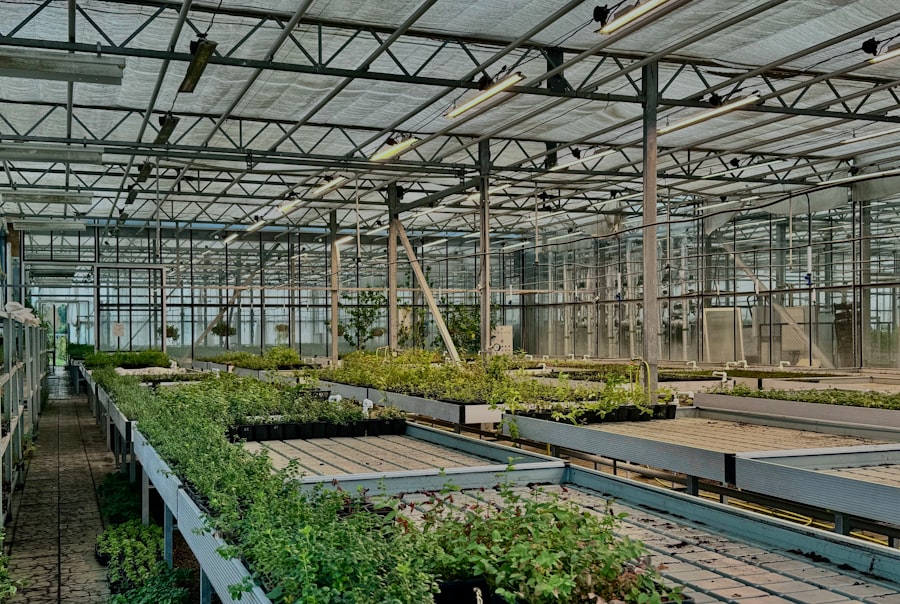
The economic opportunities presented by rare earth processing are substantial, particularly as global demand for these elements continues to rise. The establishment of processing plants can create numerous jobs across various sectors, from engineering and manufacturing to logistics and environmental management. This job creation not only benefits individuals but also stimulates local economies by increasing spending power and fostering community development.
Moreover, as countries seek to reduce their dependence on foreign sources of REEs, there is a growing push for domestic production capabilities. This shift presents an opportunity for investment in new processing facilities that can cater to local markets while also contributing to national security by ensuring a stable supply of critical materials. The potential for economic growth through rare earth processing is significant, making it an attractive area for both public and private investment.
Global Demand for Rare Earth Elements
The global demand for rare earth elements has surged in recent years due to their essential role in various high-tech applications. Industries such as electronics, renewable energy, and electric vehicles rely heavily on REEs for components like batteries, magnets, and catalysts. As countries transition towards greener technologies and strive for energy independence, the demand for these elements is expected to continue its upward trajectory.
Furthermore, emerging technologies such as 5G telecommunications and advanced defense systems are driving additional demand for REEs. The increasing integration of these elements into everyday products underscores their importance in modern society. As a result, stakeholders across industries are recognizing the need for a reliable supply chain that can meet this growing demand while addressing the associated challenges of extraction and processing.
Government Regulations and Policies for Rare Earth Processing
Government regulations and policies play a crucial role in shaping the landscape of rare earth processing. As concerns about environmental sustainability and national security grow, many countries are implementing stricter regulations governing the extraction and processing of REEs. These regulations aim to minimize environmental impacts while ensuring that operations adhere to safety standards that protect workers and surrounding communities.
In addition to environmental regulations, governments are also exploring policies that promote domestic production capabilities for rare earth elements. This includes providing incentives for investment in processing facilities and supporting research initiatives aimed at developing more efficient extraction methods. By fostering a favorable regulatory environment, governments can encourage innovation within the industry while simultaneously addressing concerns related to supply chain vulnerabilities.
Innovations in Rare Earth Processing
Innovation is at the forefront of advancements in rare earth processing technologies. Researchers and industry experts are continually exploring new methods to enhance efficiency while minimizing environmental impacts. One notable area of innovation is the development of bioleaching techniques that utilize microorganisms to extract REEs from ores.
This method offers a more sustainable alternative to traditional chemical processes by reducing reliance on toxic substances. Additionally, advancements in recycling technologies are gaining traction as a means to recover rare earth elements from end-of-life products. By developing efficient recycling processes, companies can reduce the need for virgin materials while simultaneously addressing waste management challenges associated with discarded electronics.
These innovations not only contribute to sustainability efforts but also present new economic opportunities within the circular economy framework.
Future Outlook for Rare Earth Processing Plants
The future outlook for rare earth processing plants appears promising as global demand continues to rise alongside technological advancements. As industries increasingly prioritize sustainability and self-sufficiency, there is likely to be a surge in investment aimed at establishing new processing facilities worldwide. This trend will not only enhance supply chain resilience but also create job opportunities across various sectors.
Moreover, ongoing research into innovative extraction methods and recycling technologies will likely reshape the landscape of rare earth processing in the coming years. As companies adopt more sustainable practices and governments implement supportive policies, the industry may witness a transformation that aligns with broader environmental goals while meeting the growing demand for critical materials.
Investing in Rare Earth Processing Plants
Investing in rare earth processing plants presents a unique opportunity for stakeholders looking to capitalize on the growing demand for these essential materials. With increasing awareness of supply chain vulnerabilities and environmental concerns, there is a strong case for investing in domestic production capabilities that can ensure a stable supply of REEs while promoting sustainability. Potential investors should consider various factors when evaluating opportunities within this sector, including technological advancements, regulatory environments, and market trends.
By aligning investments with innovative practices and sustainable approaches, stakeholders can position themselves favorably within an industry poised for growth. As global demand continues to rise, investing in rare earth processing plants may prove to be a strategic move with significant long-term benefits.
Rare earth processing plants play a crucial role in the supply chain of high-tech industries, and understanding their environmental impact is essential. For a deeper insight into the challenges and advancements in this field, you can read the article on MyGeoQuest, which discusses the latest developments in rare earth processing technologies and their implications for sustainability. Check it out here: MyGeoQuest.
WATCH THIS! 🚨 THEY CONTROL 94% OF YOUR MAGNETS 🧲 — And You Never Noticed 🤫
FAQs
What are rare earth processing plants?
Rare earth processing plants are industrial facilities designed to extract, separate, and refine rare earth elements (REEs) from mined ores. These plants use various chemical and physical processes to produce high-purity rare earth materials used in electronics, magnets, batteries, and other advanced technologies.
Why are rare earth processing plants important?
Rare earth processing plants are crucial because they enable the production of essential materials needed for modern technologies such as smartphones, electric vehicles, wind turbines, and military equipment. Processing these elements is complex and requires specialized facilities to ensure efficient and environmentally responsible extraction.
Where are rare earth processing plants typically located?
Rare earth processing plants are often located near mining sites to reduce transportation costs and environmental impact. Major processing facilities exist in countries with significant rare earth reserves, including China, the United States, Australia, and some parts of Southeast Asia.
What processes are involved in rare earth element extraction?
The extraction process typically involves crushing and grinding the ore, followed by physical separation methods like flotation or magnetic separation. Chemical processes such as acid or alkaline leaching, solvent extraction, and ion exchange are then used to separate and purify individual rare earth elements.
What environmental concerns are associated with rare earth processing plants?
Rare earth processing can generate hazardous waste, including radioactive materials and toxic chemicals. Proper waste management, water treatment, and emission controls are essential to minimize environmental impact. Advances in cleaner technologies and recycling are also being developed to address these concerns.
How do rare earth processing plants impact the global supply chain?
These plants play a key role in the global supply chain by providing the raw materials needed for high-tech manufacturing. Disruptions or limitations in processing capacity can affect the availability and price of rare earth elements worldwide, influencing industries reliant on these materials.
Are there any alternatives to traditional rare earth processing methods?
Yes, research is ongoing into alternative methods such as bioleaching, which uses microorganisms to extract rare earth elements, and recycling rare earths from electronic waste. These methods aim to reduce environmental impact and dependence on primary mining.
What safety measures are implemented in rare earth processing plants?
Safety measures include controlling exposure to hazardous chemicals, managing radioactive materials, ensuring proper ventilation, and providing protective equipment to workers. Regulatory compliance and continuous monitoring are essential to maintain safe operations.