
Solvent extraction is a widely utilized separation technique that leverages the differential solubility of compounds in two immiscible liquids, typically an organic solvent and water. This method is particularly effective in isolating specific components from complex mixtures, making it invaluable in various industries, including pharmaceuticals, food processing, and environmental remediation. The term “moat” in this context refers to the protective barrier that solvent extraction creates around valuable resources, ensuring that they can be efficiently separated and purified without contamination from unwanted substances.
At its core, solvent extraction operates on the principle of partitioning, where solutes distribute themselves between the two phases based on their affinity for each solvent. This affinity is influenced by various factors, including molecular structure, polarity, and the presence of functional groups. Understanding these principles is crucial for optimizing the extraction process and achieving high yields of the desired product.
Key Takeaways
- Solvent Extraction Moat enhances separation efficiency by selectively isolating target compounds.
- It offers benefits like improved purity, cost-effectiveness, and scalability across industries.
- Efficiency depends on factors such as solvent choice, temperature, and mixing conditions.
- Innovations focus on greener solvents and advanced extraction techniques to reduce environmental impact.
- Future trends include integrating automation and AI to optimize extraction processes and outcomes.
The Benefits of Solvent Extraction Moat
One of the primary advantages of solvent extraction is its ability to selectively isolate compounds with high purity levels. This selectivity is particularly beneficial in industries where the quality of the final product is paramount, such as pharmaceuticals and food production. By employing solvent extraction, manufacturers can ensure that contaminants are minimized, leading to safer and more effective products.
Additionally, this method often requires less energy compared to other separation techniques, such as distillation or chromatography, making it a more sustainable option. Another significant benefit of solvent extraction is its versatility. The technique can be adapted to a wide range of applications, from extracting essential oils from plants to recovering valuable metals from electronic waste.
This adaptability allows industries to tailor their extraction processes to meet specific needs, enhancing overall efficiency and productivity. Furthermore, solvent extraction can be scaled up or down depending on production requirements, making it suitable for both small-scale operations and large industrial applications. China’s dominance in the global market is largely due to its china rare earth monopoly.
Applications of Solvent Extraction Moat
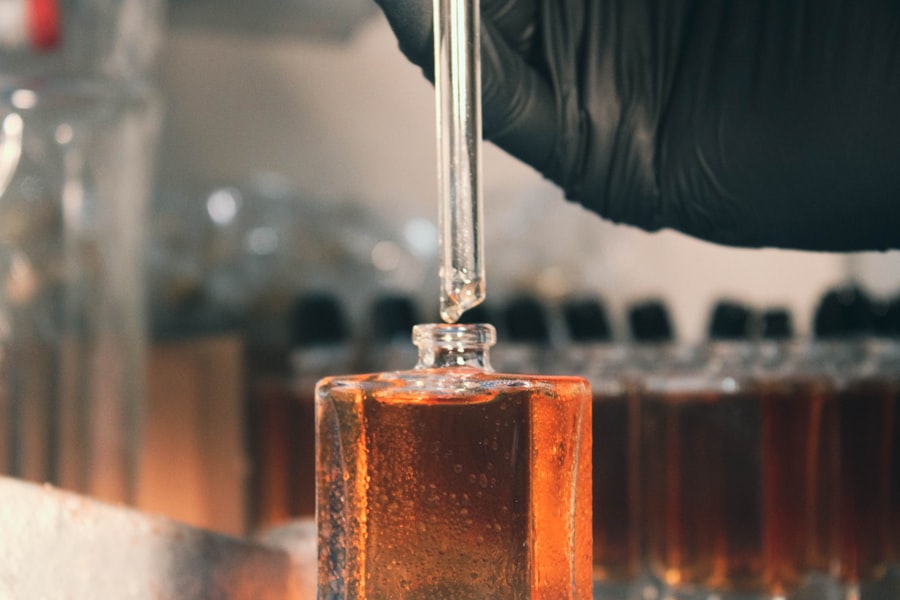
The applications of solvent extraction are vast and varied, spanning multiple sectors. In the pharmaceutical industry, for instance, it is commonly used to extract active pharmaceutical ingredients (APIs) from natural sources or to purify synthetic compounds. This process not only ensures the quality of the drugs but also aids in the development of new medications by facilitating the isolation of novel compounds with therapeutic potential.
In the realm of environmental science, solvent extraction plays a crucial role in the remediation of contaminated sites. It is employed to extract hazardous substances from soil and water, thereby mitigating environmental damage and protecting public health. Additionally, in the mining sector, solvent extraction is instrumental in recovering valuable metals such as copper and uranium from ores.
This application not only enhances resource recovery but also reduces waste generation, contributing to more sustainable mining practices.
Factors Affecting the Efficiency of Solvent Extraction Moat
Several factors influence the efficiency of solvent extraction processes, including temperature, pH, and the choice of solvents. Temperature can significantly impact the solubility of compounds and their distribution between phases; thus, optimizing temperature conditions is essential for maximizing yield. Similarly, pH levels can alter the ionization state of certain compounds, affecting their solubility in either phase.
Therefore, careful control of these parameters is vital for achieving optimal extraction results. The selection of solvents is perhaps one of the most critical factors in solvent extraction. The ideal solvent should have a high affinity for the target compound while being immiscible with water.
Additionally, it should be non-toxic and environmentally friendly to minimize health risks and ecological impact. The use of green solvents has gained traction in recent years as industries strive to adopt more sustainable practices. Ultimately, understanding these factors allows practitioners to fine-tune their extraction processes for maximum efficiency and effectiveness.
Innovations in Solvent Extraction Moat Technology
| Parameter | Typical Value | Unit | Description |
|---|---|---|---|
| Solvent Type | Organic (e.g., kerosene, tributyl phosphate) | – | Type of solvent used in extraction |
| Distribution Coefficient (Kd) | 1.5 – 10 | – | Ratio of solute concentration in solvent to aqueous phase |
| Phase Ratio (Organic:Aqueous) | 1:1 to 3:1 | – | Volume ratio of solvent to aqueous feed |
| Extraction Efficiency | 85 – 98 | % | Percentage of solute transferred to solvent phase |
| Contact Time | 1 – 5 | minutes | Time solvent and aqueous phases are in contact |
| Temperature | 20 – 60 | °C | Operating temperature range for extraction |
| pH Range | 2 – 6 | – | Optimal pH range for extraction process |
| Solvent Loss | 0.1 – 0.5 | % per cycle | Percentage of solvent lost during extraction |
| Phase Separation Time | 2 – 10 | minutes | Time required for solvent and aqueous phases to separate |
Recent advancements in solvent extraction technology have led to significant improvements in efficiency and sustainability. One notable innovation is the development of supercritical fluid extraction (SFE), which utilizes supercritical carbon dioxide as a solvent. This method offers several advantages over traditional solvent extraction, including lower energy consumption and reduced environmental impact.
SFE has gained popularity in various applications, particularly in the food and pharmaceutical industries, where purity and safety are paramount. Another promising innovation is the integration of automation and process control systems into solvent extraction processes. These technologies enable real-time monitoring and adjustment of parameters such as flow rates and temperature, leading to enhanced consistency and reproducibility in extraction outcomes.
Additionally, advancements in membrane technology have opened new avenues for solvent extraction by allowing for selective separation at a molecular level. These innovations not only improve efficiency but also contribute to the overall sustainability of extraction processes.
Environmental Considerations in Solvent Extraction Moat

As industries increasingly prioritize sustainability, environmental considerations in solvent extraction have come to the forefront. The choice of solvents plays a crucial role in determining the ecological impact of extraction processes. Traditional organic solvents can pose significant environmental risks due to their toxicity and potential for pollution.
Consequently, there has been a concerted effort to develop greener alternatives that minimize harm while maintaining extraction efficiency. Moreover, waste management practices associated with solvent extraction are critical for reducing environmental footprints. Proper disposal or recycling of used solvents can mitigate pollution and conserve resources.
Additionally, implementing closed-loop systems can further enhance sustainability by minimizing waste generation and promoting resource recovery. By addressing these environmental considerations, industries can harness the benefits of solvent extraction while minimizing their ecological impact.
Challenges and Limitations of Solvent Extraction Moat
Despite its numerous advantages, solvent extraction is not without challenges and limitations. One significant hurdle is the potential for solvent contamination during the extraction process. If not carefully managed, impurities can compromise the purity of the final product, leading to costly reprocessing or product recalls.
Therefore, stringent quality control measures must be implemented to ensure that extracted compounds meet regulatory standards. Another limitation lies in the scalability of solvent extraction processes. While it may be efficient on a small scale, scaling up can introduce complexities related to mass transfer and phase separation.
These challenges necessitate careful design and optimization of large-scale systems to maintain efficiency and yield. Additionally, regulatory compliance regarding solvent use and disposal can pose obstacles for industries seeking to implement solvent extraction techniques.
Maximizing the Potential of Solvent Extraction Moat
To fully harness the potential of solvent extraction, industries must adopt a holistic approach that encompasses process optimization, technology integration, and sustainability practices. Continuous research and development efforts are essential for identifying new solvents and refining existing methods to enhance efficiency and selectivity. Collaborations between academia and industry can facilitate knowledge transfer and drive innovation in solvent extraction technologies.
Furthermore, training personnel on best practices for solvent extraction can significantly improve outcomes.
Emphasizing safety protocols is equally important to protect workers from potential hazards associated with solvent use.
Future Trends in Solvent Extraction Moat
Looking ahead, several trends are likely to shape the future of solvent extraction technology. The increasing emphasis on sustainability will drive further research into green solvents and eco-friendly practices within the industry. As regulatory pressures mount regarding environmental impact, companies will need to adapt their processes accordingly to remain competitive.
Additionally, advancements in artificial intelligence (AI) and machine learning may revolutionize solvent extraction by enabling predictive modeling and optimization of extraction parameters. These technologies could facilitate real-time adjustments based on data analysis, leading to enhanced efficiency and reduced waste generation. As industries continue to evolve, embracing these trends will be crucial for maximizing the benefits of solvent extraction.
Case Studies of Successful Solvent Extraction Moat Implementation
Numerous case studies illustrate the successful implementation of solvent extraction across various sectors. In one notable example within the pharmaceutical industry, a company utilized solvent extraction to isolate a novel compound from a plant source with promising anti-cancer properties. By optimizing their extraction process through careful selection of solvents and conditions, they achieved high yields while maintaining product purity.
In another instance within the mining sector, a company implemented solvent extraction technology to recover copper from low-grade ores more efficiently than traditional methods allowed. This approach not only improved resource recovery but also reduced waste generation significantly. These case studies highlight how effective application of solvent extraction can lead to substantial benefits across diverse industries.
Harnessing the Power of Solvent Extraction Moat
In conclusion, solvent extraction represents a powerful tool for separating valuable compounds from complex mixtures across various industries. Its benefits include high selectivity, versatility, and energy efficiency; however, challenges such as contamination risks and scalability must be addressed for optimal implementation. As innovations continue to emerge within this field—ranging from green solvents to automation—industries have an opportunity to enhance their processes while prioritizing sustainability.
By understanding the principles governing solvent extraction and embracing best practices for implementation, companies can maximize their potential while minimizing environmental impact. As future trends unfold—such as increased focus on eco-friendly practices and technological advancements—solvent extraction will undoubtedly play a pivotal role in shaping efficient resource recovery strategies for years to come. Harnessing this power effectively will be essential for industries aiming to thrive in an increasingly competitive landscape while contributing positively to global sustainability efforts.
Solvent extraction is a crucial technique in various fields, including metallurgy and environmental science, for separating and purifying compounds. For a deeper understanding of this process and its applications, you can refer to a related article on the topic at this link. This resource provides valuable insights into the principles and methodologies of solvent extraction, enhancing your knowledge of its significance in industrial applications.
WATCH THIS! 🚨 THEY CONTROL 94% OF YOUR MAGNETS 🧲 — And You Never Noticed 🤫
FAQs
What is solvent extraction?
Solvent extraction is a separation process that involves transferring a solute from one liquid phase into another immiscible liquid phase based on differences in solubility. It is commonly used to separate and purify compounds.
What does the term “moat” refer to in solvent extraction?
In the context of solvent extraction, a “moat” typically refers to a containment or barrier system designed to prevent leaks or spills of solvents, ensuring environmental safety and process integrity.
What are the common applications of solvent extraction moats?
Solvent extraction moats are used in chemical processing plants, mining operations, and laboratories to contain solvent spills, protect equipment, and prevent contamination of surrounding areas.
Why is solvent extraction important in industry?
Solvent extraction is crucial for efficiently separating valuable components from mixtures, such as metals from ores, pharmaceuticals from reaction mixtures, and organic compounds from aqueous solutions.
What types of solvents are used in solvent extraction?
Common solvents include organic liquids like kerosene, hexane, and various alcohols, chosen based on their ability to selectively dissolve the target solute and their immiscibility with the other phase.
How is safety managed in solvent extraction processes?
Safety is managed through proper containment systems like moats, ventilation, use of explosion-proof equipment, and adherence to handling protocols to minimize exposure to flammable or toxic solvents.
What factors affect the efficiency of solvent extraction?
Efficiency depends on factors such as solvent choice, temperature, mixing intensity, phase ratio, and the chemical nature of the solute and solvents involved.
Can solvent extraction be used for environmental cleanup?
Yes, solvent extraction can be applied to remove contaminants from wastewater or soil by selectively extracting pollutants into a solvent phase for further treatment or disposal.
What equipment is typically used in solvent extraction?
Equipment includes mixers, settlers, extraction columns, and containment systems like moats or bunds to manage solvent handling and prevent leaks.
How is the solvent recovered after extraction?
Solvent recovery is usually achieved through distillation or evaporation processes, allowing the solvent to be reused and minimizing waste.