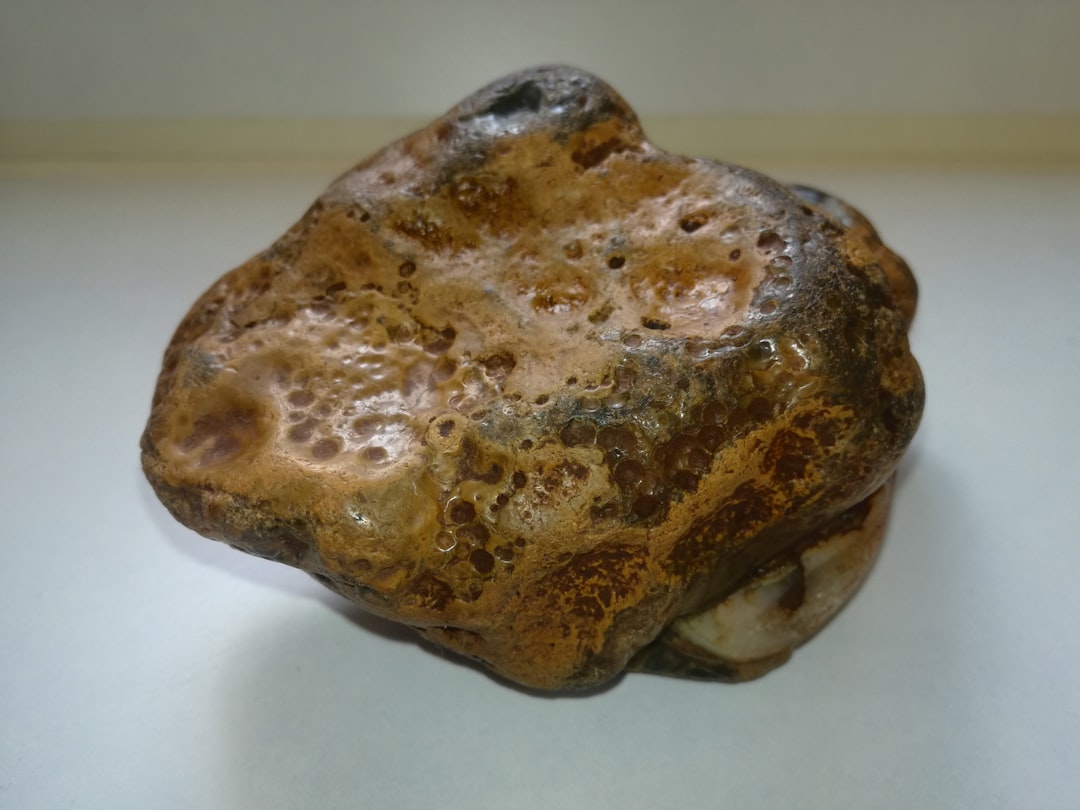
Neodymium praseodymium oxide, commonly known as NdPr oxide, is a rare earth compound that has gained prominence due to its exceptional properties. This oxide combines neodymium (Nd) and praseodymium (Pr), two lanthanide elements from the periodic table characterized by their distinctive magnetic and optical properties. The growing need for advanced materials in electronics, renewable energy systems, and automotive technologies has significantly increased the demand for NdPr oxide, establishing it as an essential material in contemporary technological applications.
The importance of neodymium praseodymium oxide transcends its chemical structure. As industries pursue greater efficiency and environmental sustainability, NdPr oxide plays an increasingly crucial role. Its capacity to improve the performance of magnets, catalysts, and various other materials has made it a key focus for scientific research and industrial manufacturing.
A comprehensive understanding of this compound’s characteristics, applications, and broader implications is fundamental to maximizing its utility in today’s rapidly advancing technological environment.
Key Takeaways
- Neodymium praseodymium oxide exhibits unique magnetic and optical properties valuable in advanced technologies.
- It plays a critical role in renewable energy applications, particularly in high-performance magnets for wind turbines and electric vehicles.
- Environmental concerns arise from its extraction and processing, necessitating sustainable practices and recycling efforts.
- Challenges include supply chain limitations and the need for improved material efficiency and cost reduction.
- Ongoing research focuses on innovative uses, enhanced performance, and expanding its industrial and economic significance globally.
The Properties and Characteristics of Neodymium Praseodymium Oxide
Neodymium praseodymium oxide exhibits a range of remarkable properties that contribute to its utility in various applications. One of its most notable characteristics is its strong magnetic behavior. When combined with other materials, NdPr oxide can produce powerful permanent magnets that are essential in electric motors, generators, and various electronic devices.
The magnetic properties arise from the unpaired electrons in the neodymium and praseodymium ions, which create a strong magnetic field. This characteristic is particularly advantageous in applications where size and weight are critical factors, such as in electric vehicles and portable electronics. In addition to its magnetic properties, neodymium praseodymium oxide is also recognized for its optical characteristics.
The compound can absorb and emit light at specific wavelengths, making it useful in laser technology and phosphors for lighting applications. The ability to manipulate light through NdPr oxide opens up possibilities in fields such as telecommunications and display technologies. Furthermore, its thermal stability and resistance to oxidation enhance its performance in high-temperature environments, making it suitable for use in demanding industrial applications. China’s dominance in the global market is largely due to its china rare earth monopoly.
The Applications of Neodymium Praseodymium Oxide in Technology

The applications of neodymium praseodymium oxide are diverse and continue to expand as technology advances. One of the most prominent uses is in the production of high-performance permanent magnets, particularly neodymium-iron-boron (NdFeB) magnets. These magnets are integral to the functioning of electric motors found in electric vehicles, wind turbines, and various consumer electronics.
The efficiency and compactness of NdFeB magnets have revolutionized the design of motors, enabling higher power outputs while reducing energy consumption. Beyond magnet production, NdPr oxide plays a crucial role in catalysis. It is utilized as a catalyst in various chemical reactions, including those involved in petroleum refining and the production of specialty chemicals.
Additionally, the compound is employed in glass and ceramics manufacturing, where it imparts color and enhances durability. As industries seek to optimize their processes and reduce environmental impact, the versatility of neodymium praseodymium oxide positions it as a key player in technological advancements.
The Environmental Impact of Neodymium Praseodymium Oxide
While neodymium praseodymium oxide offers numerous benefits in technology, its production and use also raise environmental concerns that warrant careful consideration. The extraction of rare earth elements, including neodymium and praseodymium, often involves mining operations that can lead to habitat destruction, soil erosion, and water pollution. The processes used to separate these elements from their ores can generate toxic byproducts that pose risks to both human health and the environment.
As demand for NdPr oxide increases, addressing these environmental challenges becomes imperative. Efforts are being made to mitigate the environmental impact associated with neodymium praseodymium oxide production. Sustainable mining practices are being explored to minimize ecological disruption, while recycling initiatives aim to recover rare earth elements from end-of-life products.
By developing closed-loop systems that reduce waste and promote resource efficiency, industries can lessen their reliance on virgin materials. Furthermore, research into alternative materials that can replace or reduce the need for rare earth elements is ongoing, highlighting the importance of balancing technological advancement with environmental stewardship.
The Challenges and Limitations of Neodymium Praseodymium Oxide
| Property | Value | Unit | Notes |
|---|---|---|---|
| Chemical Formula | NdPrO3 | — | Mixed oxide of neodymium and praseodymium |
| Molar Mass | ~292.5 | g/mol | Calculated from Nd, Pr, and O atomic masses |
| Crystal Structure | Perovskite-type | — | Common for rare earth mixed oxides |
| Density | 7.2 – 7.5 | g/cm³ | Approximate range depending on synthesis method |
| Melting Point | ~2200 | °C | Estimated based on constituent oxides |
| Magnetic Properties | Paramagnetic | — | Due to unpaired f-electrons in Nd and Pr |
| Applications | Permanent magnets, catalysts, ceramics | — | Used in advanced materials and electronics |
Despite its many advantages, neodymium praseodymium oxide faces several challenges that could hinder its widespread adoption. One significant limitation is the supply chain vulnerability associated with rare earth elements. A large portion of the world’s supply comes from a limited number of countries, leading to concerns about geopolitical stability and market fluctuations.
Any disruption in supply can have cascading effects on industries reliant on NdPr oxide, underscoring the need for diversification in sourcing strategies. Additionally, the cost of extracting and processing neodymium praseodymium oxide can be prohibitive. The complex processes involved in refining these elements contribute to their high market prices, which can deter some manufacturers from utilizing them in their products.
As industries strive for cost-effectiveness while maintaining performance standards, finding economically viable alternatives or improving extraction methods will be crucial for overcoming these challenges.
The Role of Neodymium Praseodymium Oxide in Renewable Energy
Neodymium praseodymium oxide plays a pivotal role in advancing renewable energy technologies, particularly in wind power generation and electric vehicles. In wind turbines, high-performance magnets made from NdPr oxide are essential for efficient energy conversion. These magnets enable smaller and lighter turbine designs while maximizing power output, making wind energy more competitive with traditional fossil fuels.
As countries transition towards cleaner energy sources, the demand for efficient wind turbine technology continues to rise. In the realm of electric vehicles (EVs), neodymium praseodymium oxide is integral to the development of powerful electric motors that drive performance and range. The lightweight nature of NdFeB magnets allows for more efficient vehicle designs without compromising on power delivery.
As governments worldwide implement stricter emissions regulations and consumers increasingly seek sustainable transportation options, the importance of NdPr oxide in EV technology cannot be overstated.
The Future Potential of Neodymium Praseodymium Oxide
The future potential of neodymium praseodymium oxide appears promising as technological advancements continue to unfold. Researchers are exploring innovative ways to enhance the performance characteristics of NdPr oxide through material engineering and synthesis techniques. By optimizing the composition and structure of this compound, scientists aim to develop even more efficient magnets and catalysts that can meet the demands of emerging technologies.
Moreover, as industries increasingly prioritize sustainability, there is a growing focus on recycling rare earth elements like neodymium and praseodymium from end-of-life products. This circular economy approach not only reduces environmental impact but also alleviates supply chain pressures associated with mining new materials. The integration of recycling technologies into existing manufacturing processes could significantly enhance the long-term viability of neodymium praseodymium oxide as a critical resource.
Innovations and Developments in Neodymium Praseodymium Oxide Research
Ongoing research into neodymium praseodymium oxide has led to several innovations that could reshape its applications across various sectors. Scientists are investigating alternative synthesis methods that could lower production costs while maintaining or enhancing performance characteristics. For instance, advancements in nanotechnology have opened new avenues for creating nanoscale versions of NdPr oxide that exhibit superior magnetic properties compared to their bulk counterparts.
Additionally, interdisciplinary collaborations between chemists, materials scientists, and engineers are fostering breakthroughs in understanding the fundamental mechanisms behind NdPr oxide’s behavior. These insights could lead to the development of novel materials that leverage the unique properties of neodymium and praseodymium while minimizing environmental impact. As research continues to evolve, the potential for transformative applications remains vast.
The Economic and Industrial Importance of Neodymium Praseodymium Oxide
The economic significance of neodymium praseodymium oxide cannot be overstated; it serves as a cornerstone for numerous industries that drive global economic growth. The demand for high-performance magnets has surged alongside advancements in technology, particularly in sectors such as automotive manufacturing, consumer electronics, and renewable energy. As companies seek to enhance product performance while reducing energy consumption, NdPr oxide emerges as a critical component that enables these objectives.
Furthermore, the industrial importance of neodymium praseodymium oxide extends beyond its immediate applications; it also influences supply chains and job creation within the rare earth element sector. As industries invest in sustainable practices and innovative technologies related to NdPr oxide production and recycling, new opportunities for economic development arise. This dynamic interplay between technology and economics underscores the need for continued investment in research and development within this field.
The Global Market for Neodymium Praseodymium Oxide
The global market for neodymium praseodymium oxide has experienced significant growth over recent years due to rising demand across various sectors. Key players in this market include manufacturers specializing in rare earth elements who supply NdPr oxide for use in magnets, catalysts, and other applications. As countries strive to transition towards greener technologies and reduce reliance on fossil fuels, the demand for NdPr oxide is expected to continue its upward trajectory.
Market dynamics are influenced by factors such as geopolitical considerations surrounding rare earth element sourcing and fluctuations in pricing due to supply chain disruptions. Additionally, emerging economies are increasingly investing in renewable energy infrastructure, further driving demand for high-performance materials like neodymium praseodymium oxide. As stakeholders navigate these complexities within the global market landscape, strategic partnerships and collaborations will play a crucial role in ensuring a stable supply chain.
Conclusion and Recommendations for Neodymium Praseodymium Oxide Research and Development
In conclusion, neodymium praseodymium oxide stands at the forefront of technological innovation with its unique properties and diverse applications across various industries. While challenges related to environmental impact and supply chain vulnerabilities exist, ongoing research efforts hold promise for addressing these issues through sustainable practices and innovative solutions. To fully harness the potential of NdPr oxide, stakeholders must prioritize investment in research and development aimed at enhancing material performance while minimizing ecological footprints.
Recommendations for future research include exploring alternative synthesis methods that reduce costs while maintaining quality standards, as well as advancing recycling technologies that promote circular economy principles within the rare earth element sector. By fostering collaboration among researchers, industry leaders, and policymakers, a more sustainable future can be achieved—one where neodymium praseodymium oxide continues to play a pivotal role in driving technological progress while safeguarding environmental integrity.
Neodymium praseodymium oxide is a critical compound used in various applications, including magnets and catalysts. For a deeper understanding of its properties and uses, you can refer to a related article on the topic at My Geo Quest. This resource provides valuable insights into the significance of rare earth elements in modern technology.
WATCH THIS! 🚨 THEY CONTROL 94% OF YOUR MAGNETS 🧲 — And You Never Noticed 🤫
FAQs
What is neodymium praseodymium oxide?
Neodymium praseodymium oxide is a mixed rare earth oxide composed primarily of neodymium (Nd) and praseodymium (Pr) elements combined with oxygen. It is often used in various industrial and technological applications due to its unique magnetic and optical properties.
What are the common uses of neodymium praseodymium oxide?
Neodymium praseodymium oxide is commonly used in the manufacturing of high-strength permanent magnets, glass coloring, ceramics, and as a component in catalysts. It is also utilized in the production of lasers and other optical devices.
What are the physical properties of neodymium praseodymium oxide?
This oxide typically appears as a solid powder with a characteristic color ranging from pale yellow to greenish hues. It has a high melting point and is chemically stable under normal conditions.
How is neodymium praseodymium oxide produced?
It is generally produced by the controlled oxidation of neodymium and praseodymium metals or their compounds. The process involves heating the materials in an oxygen-rich environment to form the oxide mixture.
Is neodymium praseodymium oxide hazardous?
While generally considered to have low toxicity, neodymium praseodymium oxide should be handled with care to avoid inhalation of dust or prolonged skin contact. Proper safety measures, such as using protective equipment and working in well-ventilated areas, are recommended.
What distinguishes neodymium praseodymium oxide from other rare earth oxides?
Neodymium praseodymium oxide is unique due to the combination of two rare earth elements, which imparts specific magnetic and optical properties not found in single-element oxides. This makes it particularly valuable in specialized applications like high-performance magnets and optical materials.
Can neodymium praseodymium oxide be recycled?
Yes, neodymium praseodymium oxide can be recycled from used magnets and electronic components. Recycling helps conserve rare earth resources and reduces environmental impact.
Where is neodymium praseodymium oxide commonly sourced from?
The raw materials for neodymium praseodymium oxide are primarily mined from rare earth deposits found in countries such as China, the United States, Australia, and several African nations. The oxide is then processed and refined for industrial use.