
Rare earth elements (REEs) comprise a group of 17 chemical elements that are critical components in modern defense technologies. These materials are essential for manufacturing advanced military systems, including precision-guided weapons, radar systems, electronic warfare equipment, and secure communication networks. The increasing sophistication of defense technologies has created substantial demand for REEs across military applications worldwide.
Defense applications of rare earth elements span multiple technological domains. These elements are fundamental to producing high-strength permanent magnets used in missile guidance systems, neodymium magnets for sonar equipment, and specialized alloys for jet engines. REEs are also required for manufacturing electronic components in military communications equipment, night vision systems, and satellite technology.
Additionally, they are essential for producing phosphors used in display screens and optical devices critical to modern warfare capabilities. The strategic importance of rare earth elements in defense systems has created significant supply chain considerations for military planners. Current global production is concentrated in specific geographic regions, creating potential vulnerabilities in defense manufacturing capabilities.
This concentration has prompted defense establishments to evaluate supply security, develop alternative sourcing strategies, and invest in domestic production capabilities to ensure continued access to these critical materials.
Key Takeaways
- Rare earth elements are critical for advanced defense technologies and national security.
- Accessing and utilizing these elements face significant challenges, including supply chain and environmental concerns.
- Innovations in extraction and processing are improving the efficiency and sustainability of rare earth element use.
- Collaborative research and development efforts are essential to maximize the potential of rare earth elements in defense systems.
- Sustainable mining practices and future advancements will shape the strategic importance of rare earth elements in defense.
The Importance of Rare Earth Elements in Defense Systems
Rare earth elements serve as the backbone of numerous defense technologies, making them indispensable in modern military operations. For instance, neodymium and dysprosium are essential for creating powerful permanent magnets used in missile guidance systems and advanced radar technologies. These magnets enhance the performance and efficiency of various military applications, allowing for greater precision and reliability in critical operations.
Furthermore, rare earth elements are integral to the production of high-capacity batteries that power unmanned aerial vehicles (UAVs) and other advanced military equipment, ensuring that these systems can operate effectively in diverse environments. The strategic importance of rare earth elements extends beyond their technical applications; they also have significant geopolitical implications. Countries that possess substantial reserves of these materials hold a competitive advantage in the global defense landscape.
For example, China has long dominated the rare earth market, controlling a significant portion of global production and supply. This dominance has raised concerns among other nations about their reliance on a single source for these critical materials. As a result, countries are increasingly seeking to establish their own supply chains and develop alternative sources to mitigate risks associated with supply disruptions. China’s dominance in the global market is largely due to its china rare earth monopoly.
Understanding the Potential of Defense System Rare Earth
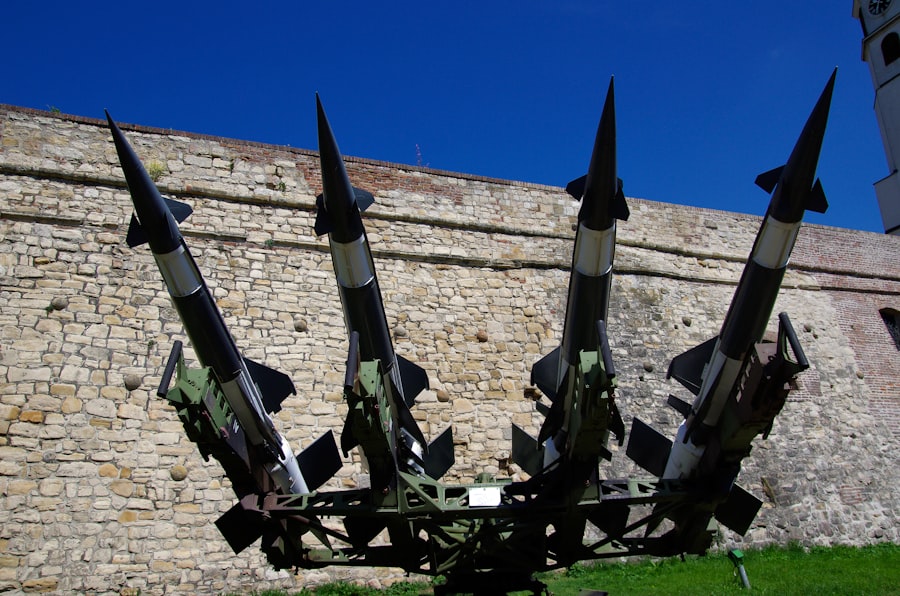
The potential of defense system rare earth elements is vast and continues to evolve as technology advances. Researchers are exploring innovative applications that leverage the unique properties of these materials to enhance military capabilities further. For instance, advancements in nanotechnology and materials science are paving the way for the development of lighter and more efficient materials that incorporate rare earth elements.
These innovations could lead to the creation of next-generation armor systems that provide superior protection while reducing weight, thereby improving mobility for ground forces. Moreover, the integration of rare earth elements into emerging technologies such as artificial intelligence (AI) and quantum computing holds promise for revolutionizing defense systems. As AI becomes increasingly prevalent in military applications, the need for high-performance computing systems that rely on rare earth elements will grow.
These materials can enhance processing speeds and energy efficiency, enabling faster decision-making and improved situational awareness on the battlefield. The potential for rare earth elements to drive advancements in defense technology underscores their critical role in shaping the future of military operations.
Challenges in Accessing and Utilizing Defense System Rare Earth
Despite their importance, accessing and utilizing rare earth elements presents several challenges that must be addressed to ensure a stable supply for defense systems. One significant hurdle is the environmental impact associated with mining and processing these materials. The extraction of rare earth elements often involves environmentally damaging practices that can lead to soil degradation, water contamination, and habitat destruction.
As awareness of environmental issues grows, there is increasing pressure on governments and companies to adopt more sustainable practices in rare earth mining. Additionally, geopolitical tensions can complicate access to rare earth resources. Countries that rely heavily on imports from nations with dominant positions in the rare earth market may find themselves vulnerable to supply chain disruptions due to political conflicts or trade disputes.
This reliance can hinder national security efforts and create strategic vulnerabilities. To mitigate these risks, nations must invest in domestic production capabilities and explore partnerships with other countries to diversify their sources of rare earth elements.
Innovations in Extracting and Processing Rare Earth Elements
| Metric | Description | Value / Range | Unit | Relevance to Defense Systems |
|---|---|---|---|---|
| Rare Earth Element (REE) Types | Common rare earth elements used in defense systems | Neodymium, Dysprosium, Terbium, Yttrium | Elements | Critical for magnets, lasers, and electronic components |
| Magnetic Strength | Magnetic flux density of rare earth magnets | 1.2 – 1.4 | Tesla (T) | Used in precision guidance and radar systems |
| Operating Temperature Range | Temperature range for rare earth magnets in defense applications | -40 to 150 | °C | Ensures reliability in harsh environments |
| Supply Concentration | Percentage of global rare earth supply used by defense sector | 15 – 20 | % | Indicates strategic importance of REEs |
| Extraction Efficiency | Efficiency of extracting rare earths for defense use | 70 – 85 | % | Impacts cost and availability of materials |
| Recycling Rate | Percentage of rare earths recycled from defense equipment | 5 – 10 | % | Potential to reduce supply risk |
| Global Production | Annual global production of rare earth elements | ~240,000 | Metric tons | Supports both civilian and defense industries |
In response to the challenges associated with rare earth element extraction and processing, researchers and companies are actively pursuing innovative solutions aimed at improving efficiency and reducing environmental impact. One promising approach involves developing new extraction techniques that minimize waste and energy consumption. For example, advancements in hydrometallurgical processes have shown potential for extracting rare earth elements from ores with greater efficiency while generating less pollution.
Furthermore, recycling rare earth elements from electronic waste presents an opportunity to create a more sustainable supply chain. As electronic devices become obsolete at an increasing rate, they represent a significant source of valuable materials that can be recovered and reused. Innovative recycling technologies are being developed to efficiently extract rare earth elements from discarded electronics, thereby reducing dependence on primary sources and minimizing environmental harm associated with mining.
The Role of Rare Earth Elements in Advanced Defense Technologies

The role of rare earth elements in advanced defense technologies extends far beyond traditional applications. In addition to their use in magnets and batteries, these materials are critical components in various high-tech systems that enhance military capabilities. For instance, rare earth elements are utilized in precision-guided munitions, where they contribute to improved targeting accuracy and effectiveness.
The integration of these materials into guidance systems allows for more efficient use of resources during military operations. Moreover, rare earth elements play a vital role in communication technologies that are essential for modern warfare. Advanced communication systems rely on high-frequency components made from rare earth materials to ensure secure and reliable transmission of information between military units.
This capability is crucial for maintaining situational awareness on the battlefield and coordinating complex operations effectively. As defense technologies continue to evolve, the demand for rare earth elements will likely increase as they become integral to next-generation systems.
Enhancing National Security through Rare Earth Element Utilization
The strategic utilization of rare earth elements is closely tied to national security considerations. As countries recognize the importance of these materials in defense systems, efforts are being made to secure domestic sources and reduce reliance on foreign suppliers. By investing in local mining operations and processing facilities, nations can bolster their self-sufficiency in critical materials needed for military applications.
Additionally, fostering partnerships with allied nations can enhance collective security by creating a more resilient supply chain for rare earth elements. Collaborative efforts can lead to shared research initiatives aimed at developing alternative sources or improving extraction techniques.
Sustainable and Responsible Practices in Rare Earth Element Mining
As concerns about environmental sustainability grow, there is an increasing emphasis on adopting responsible practices in rare earth element mining. Companies involved in this sector are being urged to implement measures that minimize ecological impact while maximizing resource recovery. This includes adopting cleaner extraction methods that reduce water usage and limit harmful emissions during processing.
Moreover, engaging with local communities affected by mining operations is essential for fostering social responsibility within the industry. By prioritizing community engagement and addressing concerns related to environmental degradation or displacement, companies can build trust and support for their operations. Sustainable practices not only benefit the environment but also contribute to a positive public perception of the industry as a whole.
Collaborative Efforts in Research and Development of Rare Earth Element Applications
Collaboration among governments, academia, and industry stakeholders is crucial for advancing research and development related to rare earth element applications in defense systems. Joint initiatives can facilitate knowledge sharing and resource pooling, leading to innovative solutions that address current challenges in accessing and utilizing these materials effectively. Research institutions play a vital role in exploring new applications for rare earth elements within defense technologies.
By conducting studies on material properties and potential uses, researchers can identify opportunities for enhancing existing systems or developing entirely new capabilities. Collaborative efforts can also extend to international partnerships aimed at addressing global challenges related to rare earth supply chains.
Future Outlook for Defense System Rare Earth
The future outlook for defense system rare earth elements appears promising as technological advancements continue to unfold. As nations prioritize national security and invest in modernizing their military capabilities, the demand for these materials is expected to rise significantly. This trend will likely drive further innovation in extraction methods, recycling technologies, and alternative material development.
Moreover, as geopolitical dynamics shift, countries may seek to establish more diversified supply chains for rare earth elements to reduce vulnerabilities associated with reliance on specific sources. This could lead to increased investment in domestic production capabilities as well as international collaborations aimed at securing access to critical materials needed for defense applications.
Maximizing the Benefits of Defense System Rare Earth
In conclusion, the significance of defense system rare earth elements cannot be underestimated in today’s rapidly evolving military landscape. Their critical role in advanced technologies underscores the need for strategic planning regarding sourcing, processing, and utilization within defense systems. By addressing challenges related to access and sustainability while fostering collaborative research efforts, nations can maximize the benefits derived from these essential materials.
As countries navigate the complexities surrounding rare earth elements, it is imperative that they prioritize responsible practices that balance national security interests with environmental stewardship. By doing so, they can ensure a stable supply chain while contributing positively to global sustainability efforts. Ultimately, harnessing the potential of defense system rare earth will be key to enhancing military capabilities while safeguarding national interests in an increasingly interconnected world.
In recent discussions about the importance of rare earth elements in modern defense systems, an insightful article can be found on MyGeoQuest. This article delves into the critical role that these materials play in the development and functionality of advanced military technologies. For more information, you can read the full article [here](https://www.mygeoquest.com/sample-page/).
WATCH THIS! 🚨 THEY CONTROL 94% OF YOUR MAGNETS 🧲 — And You Never Noticed 🤫
FAQs
What are rare earth elements and why are they important for defense systems?
Rare earth elements are a group of 17 chemically similar metallic elements that are critical in manufacturing high-tech devices. They are essential for defense systems because they are used in the production of advanced weaponry, communication systems, radar, and missile guidance technologies due to their unique magnetic, luminescent, and electrochemical properties.
Which rare earth elements are commonly used in defense applications?
Commonly used rare earth elements in defense applications include neodymium, dysprosium, terbium, and yttrium. These elements are vital for making powerful permanent magnets, lasers, and other components that enhance the performance and reliability of military equipment.
Why is the supply of rare earth elements a concern for national defense?
The supply of rare earth elements is a concern because their mining and processing are geographically concentrated, with a significant portion controlled by a few countries. This concentration creates vulnerabilities in the supply chain, potentially impacting the availability of critical materials needed for defense manufacturing and national security.
How do defense systems benefit from rare earth magnets?
Rare earth magnets, particularly those made from neodymium and dysprosium, provide strong magnetic fields in compact sizes. This allows defense systems to be more efficient, lightweight, and reliable, improving the performance of motors, sensors, and guidance systems in military hardware.
Are there efforts to develop alternatives to rare earth elements in defense technologies?
Yes, research is ongoing to find alternative materials and technologies that can reduce dependence on rare earth elements. These efforts include developing synthetic substitutes, recycling rare earth materials, and improving material efficiency to ensure a stable supply for defense needs.
What role does recycling play in managing rare earth elements for defense?
Recycling rare earth elements from electronic waste and retired military equipment helps reduce reliance on mining and imports. It supports sustainable resource management and ensures a more secure and environmentally friendly supply of these critical materials for defense applications.
How do governments support the rare earth element supply chain for defense?
Governments often invest in domestic mining, processing capabilities, stockpiling, and research initiatives to secure the rare earth supply chain. They may also establish strategic partnerships and trade agreements to diversify sources and reduce risks associated with supply disruptions.