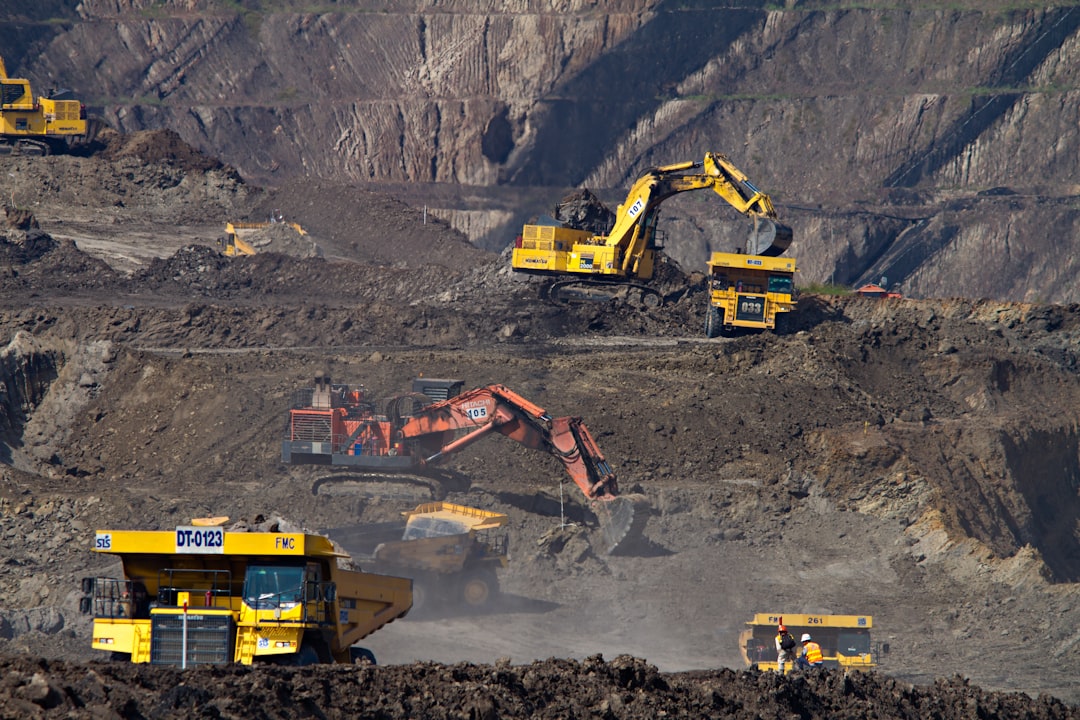
In the stark, arid expanse of the Atacama Desert, a hidden treasure lies beneath the parched earth: lithium. The Salar de Atacama, a vast salt flat in northern Chile, is one of the world’s largest and richest sources of this vital element. For decades, this remote landscape has been a focal point for the global demand for lithium, a metal that has become the backbone of modern technology. This article delves into the complex world of lithium mining in the Salar de Atacama, exploring its geological origins, the extraction processes, the economic and geopolitical implications, and the environmental challenges that come with harnessing this precious resource.
The Atacama Desert, a moonscape of salt-encrusted plains and volcanic peaks, is a testament to nature’s grand artistic endeavors. Within this dramatic setting, the Salar de Atacama plays a crucial role as a natural reservoir for lithium. Understanding the geological processes that formed this unique environment is key to appreciating the significance of its lithium deposits.
A Fiery Birth: Volcanic Influence and Mineral Formation
The story of lithium in the Salar de Atacama begins deep within the Earth’s crust. The region is volcanically active, a constant reminder of the planet’s internal dynamism. Over millions of years, volcanic activity has released a steady stream of minerals and gases from the Earth’s mantle. Among these were lithium-rich minerals contained within the magma.
The Long Haul: Weathering and Erosion’s Role
As this volcanic material weathered and eroded under the intense desert sun and occasional, infrequent rainfall, lithium was gradually leached into the surrounding rocks and soil. This gradual dissolution process, a slow but persistent grind of nature, allowed lithium to accumulate in the underground water systems.
The Great Collector: Hydrological Pathways and Brine Formation
The Atacama Desert’s unique hydrological system, characterized by underground aquifers and the formation of vast, saline brines, acts as the ultimate collector. Rainfall, however scarce, percolates through the volcanic rocks, picking up dissolved lithium. This mineral-rich water then flows underground, often over vast distances, eventually converging in the low-lying areas that form the salt flats.
A Hidden Ocean: The Salar’s Brine Reservoir
Beneath the crystalline surface of the Salar de Atacama lies a substantial reservoir of highly concentrated brine. This subterranean ocean, invisible to the casual observer, is saturated with various dissolved salts, including lithium. The arid climate of the Atacama, with its extremely high evaporation rates, plays a critical role in concentrating these brines. This concentration process is akin to a baker letting water evaporate from a sauce, intensifying its flavor and constituents. The longer the water stays trapped and evaporates, the higher the concentration of dissolved salts, including lithium, becomes.
A Treasure Trove Revealed: The Chemical Composition
The brine found in the Salar de Atacama is not merely salty; it is a complex chemical cocktail. While sodium chloride (common salt) is abundant, the brine also contains significant quantities of potassium, magnesium, and, crucially, lithium. The specific concentration of lithium varies across different parts of the Salar, but overall, it is among the highest found in natural brines globally, making extraction economically viable.
Lithium mining in the Salar de Atacama, Chile, has garnered significant attention due to its crucial role in the production of batteries for electric vehicles and renewable energy storage. The environmental impact of this mining process, particularly on local water resources and ecosystems, has raised concerns among environmentalists and indigenous communities. For a deeper understanding of the complexities surrounding lithium extraction in this region, you can read a related article that explores both the economic benefits and the environmental challenges associated with this industry at this link.
The Art of Extraction: From Brine to Battery Material
Extracting lithium from the Salar de Atacama is not a simple matter of digging into the earth. It involves a sophisticated, multi-stage process that leverages the unique environmental conditions and advanced chemical engineering. The brine, a liquid treasure chest, must be carefully opened and its valuable contents meticulously separated.
The Sun’s Alchemy: Evaporation Ponds as Natural Laboratories
The primary method of lithium extraction in the Salar de Atacama relies on vast networks of man-made evaporation ponds. These shallow, interconnected pools are strategically designed to maximize solar evaporation. Brine is pumped from beneath the salt flats into these ponds, where the intense desert sun and dry winds work their magic.
Concentrating the Lithium: A Layered Approach
As water evaporates, the concentration of dissolved salts increases. The process is carefully managed, with different salts precipitating out at different stages. As the brine becomes more concentrated, less soluble salts like sodium chloride crystallize and are removed. This layered approach gradually increases the lithium concentration in the remaining liquid, a painstaking refinement.
Harvesting the Richness: Precipitation and Pumping
Over a period of months, the brine can thicken significantly, becoming a much richer source of lithium. At this stage, the concentrated brine is pumped to the next phase of processing. This iterative process, relying on the relentless power of the sun, is a testament to humanity’s ability to harness natural forces for industrial purposes.
The Chemical Refinement: Precipitation and Purification
Once the brine has been sufficiently concentrated through solar evaporation, it moves to a chemical processing plant. Here, sophisticated chemical reactions are employed to isolate and purify the lithium.
Lithium Carbonate: The Intermediate Product
A common method involves adding chemicals like sodium carbonate to precipitate lithium carbonate. This white, powdery solid is a crucial intermediate product in the lithium supply chain, serving as the precursor for various lithium compounds. This step is akin to a chef precisely measuring ingredients to create a specific flavor profile.
Removing Impurities: A Critical Step
The precipitated lithium carbonate still contains impurities that must be removed. Through a series of washing, filtering, and re-precipitation steps, the lithium carbonate is gradually purified to meet the stringent quality standards required for its end applications, particularly in battery manufacturing.
From Powder to Power: Further Processing for Battery Grade
For use in lithium-ion batteries, lithium carbonate is often further processed into lithium hydroxide or lithium sulphate. These compounds are then supplied to battery manufacturers around the world. This final transformation is the bridge that connects the dusty plains of the Atacama to the sleek technology in our smartphones and electric vehicles.
Economic Powerhouse: Lithium’s Role in Chile and the Global Market
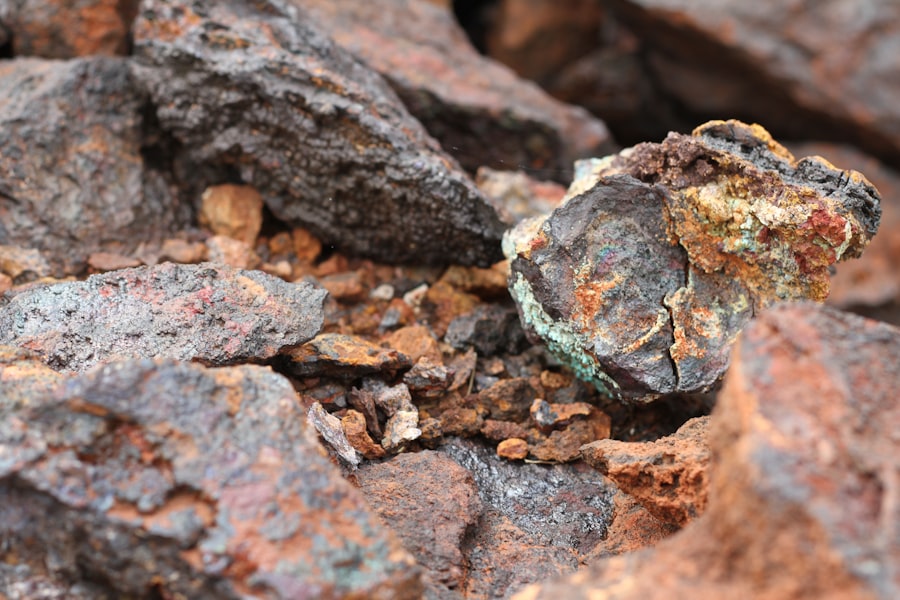
The Salar de Atacama is more than just a geological marvel; it is a significant economic engine for Chile and a critical node in the global supply chain for a rapidly growing industry. The extraction of lithium here fuels significant investment and impacts the national economy.
Chile’s Lithium Crown Jewel: A Natural Monopoly
Chile, a country blessed with vast mineral wealth, holds a prominent position in the global lithium market. The Salar de Atacama, with its exceptionally high lithium concentrations and cost-effective extraction methods, is undeniably its crown jewel. This natural advantage grants Chile substantial leverage in international negotiations and trade.
Exporting Wealth: Fueling Global Technologies
The lithium produced in the Salar de Atacama is a key export commodity for Chile. This “white gold” is shipped to battery manufacturers worldwide, powering everything from electric vehicles to portable electronics. The success of these technologies, in turn, drives further demand for lithium, creating a cyclical economic relationship.
Foreign Investment and Local Impact: A Double-Edged Sword
Lithium extraction in the Salar de Atacama has attracted significant foreign investment, bringing capital and technological expertise into the region. This influx of investment can create jobs and stimulate local economies. However, it also raises questions about the distribution of wealth and the long-term sustainability of resource extraction.
Geopolitical Significance: The Lithium Triangle and Beyond
Chile is a prominent member of the “Lithium Triangle,” a region encompassing parts of Argentina, Bolivia, and Chile, which holds the majority of the world’s proven lithium reserves. This concentration of resources imbues the region with geopolitical significance, making lithium a strategic commodity in international relations. Nations are increasingly mindful of securing reliable lithium supplies, as it is becoming as crucial as oil once was.
Price Volatility and Market Dynamics: The Ups and Downs of a Commodity
Like any commodity, the price of lithium is subject to market fluctuations. Demand from the booming electric vehicle sector, coupled with supply constraints and geopolitical events, can lead to significant price volatility. Understanding these market dynamics is crucial for both producers and consumers in the lithium industry.
Environmental Legacies: The Scars and Sentinels of Extraction

The profound environmental implications of lithium mining in the Salar de Atacama are a subject of ongoing debate and concern. The very arid conditions that make extraction efficient also make the ecosystem fragile. The pursuit of this vital resource leaves a discernible mark on the landscape.
Water Consumption: A Thirsty Process in an Arid Land
One of the most significant environmental concerns is the substantial water consumption associated with lithium extraction, particularly in the evaporation pond method. While the process relies on evaporation for lithium concentration, additional water is often required to maintain the brine’s fluidity and for the chemical processing stages. In a region characterized by extreme aridity, this water demand can strain local resources.
The Impact on Local Aquifers: A Delicate Balance
The extraction of brine and the potential need for freshwater can directly impact local aquifers, the underground reservoirs that supply water to the region’s delicate ecosystems and indigenous communities. Understanding the interconnectedness of these water systems is paramount to mitigating potential harm.
Competition for Scarce Resources: A Growing Concern
As demand for lithium grows, so does the potential for increased competition for water resources. This can create tension between mining operations, local populations, and the environment, underscoring the need for sustainable water management practices.
Biodiversity and Ecosystem Integrity: The Fragility of the Arid Landscape
The Salar de Atacama, despite its seemingly barren appearance, harbors a unique and fragile ecosystem. The presence of specialized flora and fauna, including flamingos and various microbial communities, is intrinsically linked to the delicate hydrological balance of the salt flats.
Habitat Disturbance: Altering Natural Habitats
The construction of vast evaporation ponds and the infrastructure associated with mining operations can lead to habitat disturbance and fragmentation, impacting the delicate balance of the local biodiversity. The sheer scale of these operations can fundamentally alter the natural contours of the landscape.
The Salinity Gradient: A Sensitive Environment
The complex salinity gradients within the Salar are crucial for supporting specific species. Changes in brine levels or composition due to extraction activities can disrupt these gradients, potentially affecting the survival of endemic species.
Waste Management and Chemical Footprint: The Byproducts of Extraction
The chemical processes involved in lithium purification generate byproducts and require the use of various chemicals. Responsible waste management and minimizing the chemical footprint of mining operations are critical for preventing environmental contamination.
Tailings and Slag: The Unwanted Residue
The solid waste materials, known as tailings or slag, produced during mining and processing must be managed effectively to prevent the leaching of contaminants into the soil and water.
Chemical Residues: A Potential Contaminant
The chemicals used in the precipitation and purification of lithium, if not managed properly, can pose a risk to the surrounding environment. Strict protocols for handling, storing, and disposing of these chemicals are essential.
Towards Sustainable Practices: Innovation and Regulation
Recognizing the environmental challenges, there is a growing emphasis on developing more sustainable lithium extraction methods and implementing robust regulatory frameworks.
Direct Lithium Extraction (DLE): A Promising Alternative
Emerging technologies, often referred to as Direct Lithium Extraction (DLE), aim to extract lithium more efficiently with potentially lower water consumption and a reduced environmental footprint. These methods often involve advanced chemical or physical processes that selectively capture lithium from brine, reducing the reliance on large-scale evaporation.
Stricter Regulations and Monitoring: Ensuring Accountability
Governments and international bodies are increasingly implementing and enforcing stricter environmental regulations for lithium mining operations. This includes comprehensive monitoring of water usage, biodiversity, and waste management to ensure a higher level of accountability.
Lithium mining in the Salar de Atacama, Chile, has garnered significant attention due to its critical role in the production of batteries for electric vehicles and renewable energy storage. The environmental impacts and sustainability concerns surrounding this industry are increasingly being discussed, highlighting the delicate balance between economic benefits and ecological preservation. For a deeper understanding of the challenges and opportunities in lithium extraction, you can read a related article on this topic at My Geo Quest. This resource provides valuable insights into the ongoing developments in the region and their implications for the future of lithium mining.
The Social Fabric: Indigenous Rights and Community Engagement
| Metric | Value | Unit | Notes |
|---|---|---|---|
| Estimated Lithium Reserves | 7.5 | Million metric tons | One of the largest lithium reserves globally |
| Annual Lithium Production | 80,000 | Metric tons | Approximate production as of recent years |
| Evaporation Pond Area | 1,500 | Hectares | Area used for lithium brine evaporation |
| Water Usage | 65 | Million cubic meters per year | Water extracted for lithium extraction processes |
| Brine Lithium Concentration | 1,500 | mg/L | Concentration of lithium in the brine |
| Extraction Method | Solar Evaporation | N/A | Primary method used in Salar de Atacama |
| Environmental Impact | Moderate to High | N/A | Concerns over water depletion and ecosystem effects |
Lithium mining in the Salar de Atacama is not just an industrial or environmental endeavor; it is deeply intertwined with the social fabric of the region, particularly concerning the rights and well-being of indigenous communities. Their ancestral lands are the very ground upon which this valuable resource is extracted.
Ancestral Territories: A Land Deeply Connected
The Salar de Atacama and its surrounding areas are the ancestral territories of several indigenous communities, including the Lickanantay (Atacameño) people. These communities have a profound cultural, spiritual, and historical connection to the land, and their traditional practices are often tied to the natural resources of the region.
Rights and Consultation: The Importance of Free, Prior, and Informed Consent
A critical aspect of responsible lithium mining involves respecting the rights of indigenous peoples, including the principle of Free, Prior, and Informed Consent (FPIC). This means that indigenous communities must be consulted and their consent obtained before any mining activities commence on their lands or that may affect their livelihoods and environment.
The Challenges of Consultation: Ensuring Meaningful Engagement
Effective consultation can be a complex process, requiring genuine dialogue, transparency, and a commitment to addressing community concerns. Ensuring that consultation is meaningful and not merely a perfunctory exercise is vital for building trust and equitable partnerships.
Benefit Sharing and Local Development: Creating Shared Value
Many stakeholders advocate for robust benefit-sharing mechanisms to ensure that indigenous communities and local populations derive tangible economic and social benefits from lithium extraction. This can include employment opportunities, investment in local infrastructure, and support for cultural preservation initiatives. The goal is to create a situation where the extraction of lithium enriches, rather than diminishes, the lives of those who call the Salar home.
Community Relations: Building Bridges of Trust
Establishing and maintaining positive and respectful relationships between mining companies and local communities is essential for the long-term sustainability of lithium extraction projects. This involves ongoing communication, addressing grievances, and fostering a sense of shared responsibility for the region’s future.
Addressing Social Impacts: Beyond Economic Gains
Beyond direct economic benefits, it is important to consider and mitigate other potential social impacts of mining, such as changes in local employment patterns, demographic shifts, and the potential for increased social inequality.
Cultural Preservation and Indigenous Knowledge: Valuing Heritage
Lithium mining operations have the potential to impact cultural heritage sites and traditional practices. It is crucial to work collaboratively with indigenous communities to ensure the preservation of their cultural heritage and to integrate indigenous knowledge into environmental management and resource stewardship.
The Future of Lithium in the Salar: Balancing Demand and Sustainability
The future of lithium mining in the Salar de Atacama is poised at a critical juncture, demanding a careful balancing act between meeting the ever-increasing global demand for this indispensable element and ensuring the long-term environmental and social sustainability of the region.
The Unrelenting Demand: Powering the Green Revolution
The global transition towards renewable energy and electric transportation is fueling an unprecedented demand for lithium. As more electric vehicles hit the roads and more renewable energy storage systems are deployed, the need for lithium-ion batteries, and consequently lithium, will continue to surge. The Salar de Atacama, as a major producer, will inevitably be a focal point in meeting this demand.
Innovations in Extraction and Processing: Pushing the Boundaries
Technological advancements in lithium extraction and processing are crucial for addressing the environmental challenges. The development and widespread adoption of more efficient and environmentally benign technologies, such as advanced Direct Lithium Extraction (DLE) methods, hold the promise of significantly reducing water consumption and the overall ecological footprint of mining operations.
Improving Efficiency: Doing More with Less
Research and development efforts are focused on optimizing every stage of the extraction process, from brine pumping to chemical purification. The aim is to extract more lithium with less energy, less water, and fewer chemicals, making the entire operation more resource-efficient.
Reducing Environmental Impact: A Priority for the Future
The focus is shifting from simply extracting lithium to doing so in a way that minimizes harm to the fragile desert ecosystem and respects the rights of local communities. This involves a proactive approach to environmental stewardship.
Regulatory Frameworks and International Cooperation: Shaping the Landscape
The future of lithium mining in the Salar de Atacama will also be shaped by evolving regulatory frameworks and increasing international cooperation. Governments globally are recognizing the strategic importance of lithium and are working to establish clear guidelines for responsible extraction, trade, and resource management.
Strengthening National Policies: Ensuring Responsible Production
Chile and other lithium-producing nations are likely to continue refining their national policies to ensure that lithium extraction benefits their economies and populations while upholding environmental and social standards. This can include measures related to taxation, licensing, environmental impact assessments, and community engagement.
Global Agreements and Standards: A Collective Responsibility
As the demand for lithium becomes a global imperative, there is a growing need for international agreements and standards that promote responsible sourcing, ethical labor practices, and a commitment to environmental protection across the entire lithium supply chain, from the mine to the battery.
The Enduring Legacy: Striking a Balance for Tomorrow
The Salar de Atacama represents a microcosm of the global challenge of resource extraction in the 21st century. The potential for wealth and technological advancement is immense, but it must be pursued with a profound understanding of the environmental sensitivities and the social responsibilities involved. The journey of lithium from the arid plains of Chile to the heart of our modern technologies is a complex one, echoing the continuous human endeavor to harness nature’s gifts while striving for a sustainable future. The ultimate success of lithium mining in the Salar de Atacama will be measured not only by the quantity of this vital element extracted but by the wisdom and care with which this extraction is conducted, ensuring that the treasures of the earth benefit all, now and for generations to come.
FAQs
What is the Salar de Atacama and why is it important for lithium mining?
The Salar de Atacama is a large salt flat located in northern Chile. It is one of the world’s richest sources of lithium, a key component used in batteries for electric vehicles and electronic devices. The region’s unique geology and climate make it ideal for lithium extraction through evaporation processes.
How is lithium extracted from the Salar de Atacama?
Lithium is extracted from brine pools beneath the salt flat. The process involves pumping lithium-rich brine to the surface into large evaporation ponds. Over several months, water evaporates, increasing lithium concentration, which is then processed to produce lithium carbonate or lithium hydroxide.
What environmental concerns are associated with lithium mining in the Salar de Atacama?
Environmental concerns include water depletion, as lithium extraction consumes significant amounts of water in an arid region, potentially affecting local ecosystems and indigenous communities. There are also concerns about habitat disruption and the impact on biodiversity in the area.
Who are the main companies involved in lithium mining in the Salar de Atacama?
Major companies operating in the Salar de Atacama include Sociedad Química y Minera de Chile (SQM) and Albemarle Corporation. These companies hold significant lithium extraction rights and operate large-scale evaporation ponds in the region.
How does lithium mining in the Salar de Atacama impact local communities?
Lithium mining can affect local communities by altering water availability, which is critical for agriculture and daily life in the arid region. While mining provides economic opportunities and jobs, there are ongoing debates about fair resource distribution, environmental protection, and respecting indigenous rights.