Critical minerals play a pivotal role in modern technology and industry, serving as essential components in a wide array of products, from smartphones to renewable energy systems. These minerals, which include lithium, cobalt, rare earth elements, and others, are fundamental to the production of batteries, electric vehicles, and advanced electronics. As the world increasingly shifts towards sustainable energy solutions and digital technologies, the demand for these critical minerals has surged.
This growing reliance on high-tech applications underscores the importance of securing a stable supply of these resources to ensure economic growth and technological advancement. Moreover, the geopolitical landscape is heavily influenced by the availability of critical minerals. Nations that possess rich deposits of these resources often find themselves in positions of power, shaping global trade dynamics and international relations.
For instance, countries like China have leveraged their dominance in rare earth elements to gain strategic advantages over other nations. As a result, securing access to critical minerals has become a priority for many governments, prompting them to explore new sourcing strategies and partnerships to mitigate risks associated with supply chain disruptions.
Key Takeaways
- Critical minerals are essential for modern technology and industry, making their sourcing crucial for global development.
- Sourcing critical minerals on land is becoming increasingly challenging due to geopolitical tensions, resource depletion, and environmental concerns.
- Deep sea mining has the potential to provide a new source of critical minerals, reducing the reliance on land-based mining.
- Deep sea mining can have significant environmental impacts, including habitat destruction and disturbance to marine ecosystems.
- Technological advancements in deep sea mining are making it more feasible and efficient, but the economic potential and regulatory framework still need to be carefully considered.
The Challenges of Sourcing Critical Minerals
Despite their importance, sourcing critical minerals presents numerous challenges. One of the primary issues is the concentration of mineral deposits in specific regions, which can lead to supply vulnerabilities. For example, a significant portion of the world’s cobalt supply comes from the Democratic Republic of Congo, a country that faces political instability and ethical concerns regarding mining practices.
This concentration creates a precarious situation for industries reliant on these minerals, as any disruption in supply can have far-reaching consequences. Additionally, the extraction processes for critical minerals can be complex and environmentally damaging. Traditional mining methods often involve significant land disturbance, water usage, and pollution, raising concerns about sustainability and ecological impact.
As industries strive to meet growing demand while adhering to environmental regulations, they face the challenge of balancing resource extraction with responsible stewardship of natural ecosystems. This dilemma has prompted many stakeholders to seek innovative solutions that minimize environmental harm while ensuring a steady supply of critical minerals.
Deep Sea Mining: A Potential Solution
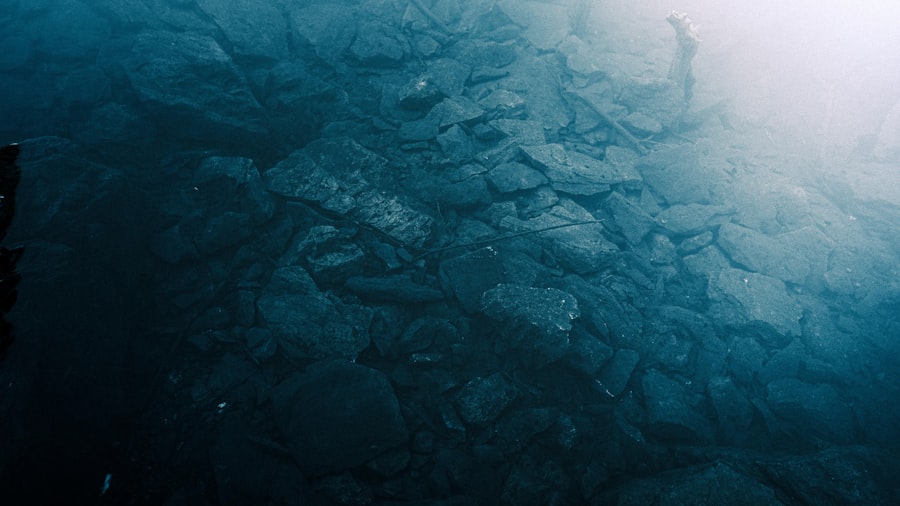
Deep sea mining has emerged as a potential solution to the challenges associated with sourcing critical minerals. The ocean floor is believed to harbor vast reserves of valuable resources, including polymetallic nodules, seafloor massive sulfides, and cobalt-rich ferromanganese crusts. These deposits contain essential minerals that could help alleviate some of the pressures faced by terrestrial mining operations.
As land-based resources become increasingly depleted or difficult to access, deep sea mining offers an alternative avenue for securing critical minerals. The allure of deep sea mining lies not only in its potential resource wealth but also in its ability to reduce some environmental impacts associated with traditional mining. By tapping into underwater deposits, proponents argue that it may be possible to limit land degradation and habitat destruction onshore.
However, this emerging industry is still in its infancy, and significant research is needed to fully understand the implications of deep sea mining on marine ecosystems and biodiversity.
The Environmental Impact of Deep Sea Mining
| Environmental Impact | Deep Sea Mining |
|---|---|
| Biodiversity Loss | High |
| Habitat Destruction | Significant |
| Seafloor Disturbance | Extensive |
| Sediment Plumes | Disruptive |
| Chemical Pollution | Potential |
While deep sea mining presents opportunities for resource extraction, it also raises significant environmental concerns. The ocean is a delicate ecosystem that supports a diverse array of marine life, many of which are still poorly understood. Disturbing the seabed through mining activities can lead to sediment plumes that smother marine organisms and disrupt food chains.
Additionally, the potential for toxic substances to be released during extraction processes poses risks not only to marine life but also to human health through the food chain. Furthermore, the long-term effects of deep sea mining on oceanic ecosystems remain largely unknown. Unlike terrestrial environments where restoration efforts can be implemented more readily, the deep sea is characterized by slow recovery rates due to its unique conditions.
This raises questions about the sustainability of extracting resources from such an environment and whether it can be done without causing irreversible damage. As stakeholders consider the viability of deep sea mining, it is crucial to weigh the potential benefits against the environmental costs.
The Technological Advancements in Deep Sea Mining
Technological advancements are playing a crucial role in shaping the future of deep sea mining. Innovations in robotics, remote sensing, and underwater exploration have made it possible to access previously unreachable depths and extract resources more efficiently.
These technologies not only enhance exploration capabilities but also improve safety by reducing risks associated with deep-sea operations. Moreover, advancements in extraction techniques are being developed to mitigate environmental impacts. For instance, new methods aim to minimize sediment disturbance and reduce waste generation during mining operations.
By employing precision mining technologies that target specific mineral deposits while leaving surrounding ecosystems intact, companies can work towards more sustainable practices in deep sea mining. However, ongoing research and development are essential to ensure that these technologies are effective and environmentally responsible.
The Economic Potential of Deep Sea Mining
The economic potential of deep sea mining is significant, particularly as global demand for critical minerals continues to rise. The ability to tap into vast underwater reserves could provide a new source of revenue for countries with access to these resources. This could lead to job creation in sectors related to exploration, extraction, and processing of minerals, contributing to local economies and fostering technological innovation.
Furthermore, as industries transition towards greener technologies and renewable energy sources, the demand for critical minerals is expected to grow exponentially. Deep sea mining could play a vital role in meeting this demand while reducing reliance on traditional land-based sources that may be subject to geopolitical tensions or environmental constraints. By diversifying supply chains through deep sea mining, nations can enhance their energy security and economic resilience in an increasingly competitive global market.
The Legal and Regulatory Framework of Deep Sea Mining
The legal and regulatory framework governing deep sea mining is complex and still evolving. The United Nations Convention on the Law of the Sea (UNCLOS) provides a foundational legal structure for activities in international waters, including provisions for mineral exploration and exploitation. However, the implementation of these regulations remains a challenge due to varying interpretations among nations and the need for comprehensive guidelines specific to deep sea mining.
As interest in deep sea mining grows, there is an urgent need for robust regulatory frameworks that address environmental protection, resource management, and equitable sharing of benefits among nations. Stakeholders must navigate a landscape where scientific understanding is still developing while ensuring that mining activities do not compromise marine ecosystems or violate international agreements. Collaborative efforts among governments, industry players, and environmental organizations will be essential in establishing effective regulations that promote responsible practices in deep sea mining.
The Role of International Collaboration in Deep Sea Mining
International collaboration is crucial for addressing the multifaceted challenges associated with deep sea mining. Given that many mineral deposits lie beyond national jurisdictions, cooperation among countries is necessary to establish shared standards and best practices for exploration and extraction activities. Collaborative research initiatives can help advance scientific understanding of marine ecosystems and inform decision-making processes regarding sustainable mining practices.
Additionally, partnerships between governments, private companies, and non-governmental organizations can facilitate knowledge sharing and capacity building in developing nations that may lack the resources or expertise needed for effective regulation and oversight of deep sea mining activities. By fostering dialogue among diverse stakeholders, international collaboration can help ensure that deep sea mining is conducted responsibly while maximizing its potential benefits for all parties involved.
The Future of Deep Sea Mining for Critical Minerals
The future of deep sea mining for critical minerals holds both promise and uncertainty. As technological advancements continue to evolve and regulatory frameworks develop, the industry may become more viable as a source of essential resources. However, ongoing research into the environmental impacts and ecological consequences will be paramount in determining whether deep sea mining can be pursued sustainably.
Moreover, public perception and societal acceptance will play a significant role in shaping the future landscape of deep sea mining. As awareness grows regarding environmental issues and ethical considerations surrounding resource extraction, stakeholders must engage with communities and address concerns transparently. Balancing economic interests with environmental stewardship will be key to ensuring that deep sea mining can contribute positively to global efforts toward sustainable development.
The Ethical Considerations of Deep Sea Mining
Ethical considerations surrounding deep sea mining are complex and multifaceted. The potential for environmental degradation raises questions about humanity’s responsibility toward preserving marine ecosystems for future generations. Many argue that exploiting ocean resources should only occur if it can be done sustainably and without causing irreversible harm to biodiversity.
Furthermore, there are ethical implications related to equity and access to resources. As nations vie for control over valuable mineral deposits in international waters, issues of fairness arise regarding who benefits from these resources and how profits are distributed. Ensuring that local communities and developing nations have a voice in decision-making processes will be essential in addressing these ethical dilemmas associated with deep sea mining.
The Potential Benefits and Risks of Deep Sea Mining
Deep sea mining presents a dual-edged sword: it offers potential benefits while simultaneously posing significant risks. On one hand, tapping into underwater mineral reserves could provide much-needed resources for emerging technologies and contribute to economic growth in resource-rich nations. It could also alleviate some pressure on terrestrial ecosystems by providing an alternative source for critical minerals.
On the other hand, the risks associated with deep sea mining cannot be overlooked. The potential for environmental damage is substantial, with unknown long-term consequences for marine life and ecosystems. Additionally, regulatory challenges may hinder effective oversight of mining activities, leading to exploitation without adequate safeguards in place.
As stakeholders navigate this complex landscape, careful consideration must be given to both the potential rewards and inherent risks associated with deep sea mining endeavors. In conclusion, while deep sea mining offers promising solutions for sourcing critical minerals essential for modern technology and industry, it also raises significant environmental concerns and ethical dilemmas that must be addressed through international collaboration and robust regulatory frameworks. Balancing economic interests with ecological stewardship will be crucial as society moves forward into an era where both technological advancement and environmental sustainability are paramount.
Deep sea mining has emerged as a critical topic in the quest for essential minerals needed for modern technology, particularly in the context of sustainability and environmental impact. For a deeper understanding of the implications and challenges associated with this practice, you can read the article on this subject at this link. This article provides insights into the potential benefits and risks of extracting minerals from the ocean floor, highlighting the balance between resource demand and ecological preservation.
WATCH THIS! The Map You Can’t See is Controlling the World
FAQs
What is deep sea mining?
Deep sea mining is the process of retrieving mineral deposits from the ocean floor. This can involve extracting minerals such as manganese, nickel, copper, and cobalt from deep sea hydrothermal vents, polymetallic nodules, and ferromanganese crusts.
What are critical minerals?
Critical minerals are minerals that are essential for the economic and national security of a country, and whose supply may be at risk due to geopolitical factors, limited availability, or environmental concerns. These minerals are used in various high-tech and green technologies, such as electric vehicles, renewable energy systems, and advanced electronics.
Why is deep sea mining for critical minerals controversial?
Deep sea mining for critical minerals is controversial due to concerns about its potential environmental impact on deep sea ecosystems, as well as the potential disruption of marine biodiversity and habitats. There are also concerns about the potential for conflicts over mining rights and the equitable distribution of benefits.
What are the potential benefits of deep sea mining for critical minerals?
Proponents of deep sea mining argue that it could provide a new source of critical minerals that are in high demand for emerging technologies, reduce the reliance on land-based mining, and contribute to global supply chain resilience.
What are the potential environmental risks of deep sea mining?
The potential environmental risks of deep sea mining include habitat destruction, disturbance of deep sea ecosystems, release of sediment plumes, and the potential for toxic chemical spills. There are also concerns about the long-term impacts on marine biodiversity and the potential for irreversible damage to deep sea ecosystems.
What is the current status of deep sea mining for critical minerals?
As of now, deep sea mining for critical minerals is still in the experimental and exploratory phase, with no commercial-scale operations in place. There are ongoing debates and discussions at the international level about the regulation and governance of deep sea mining activities.