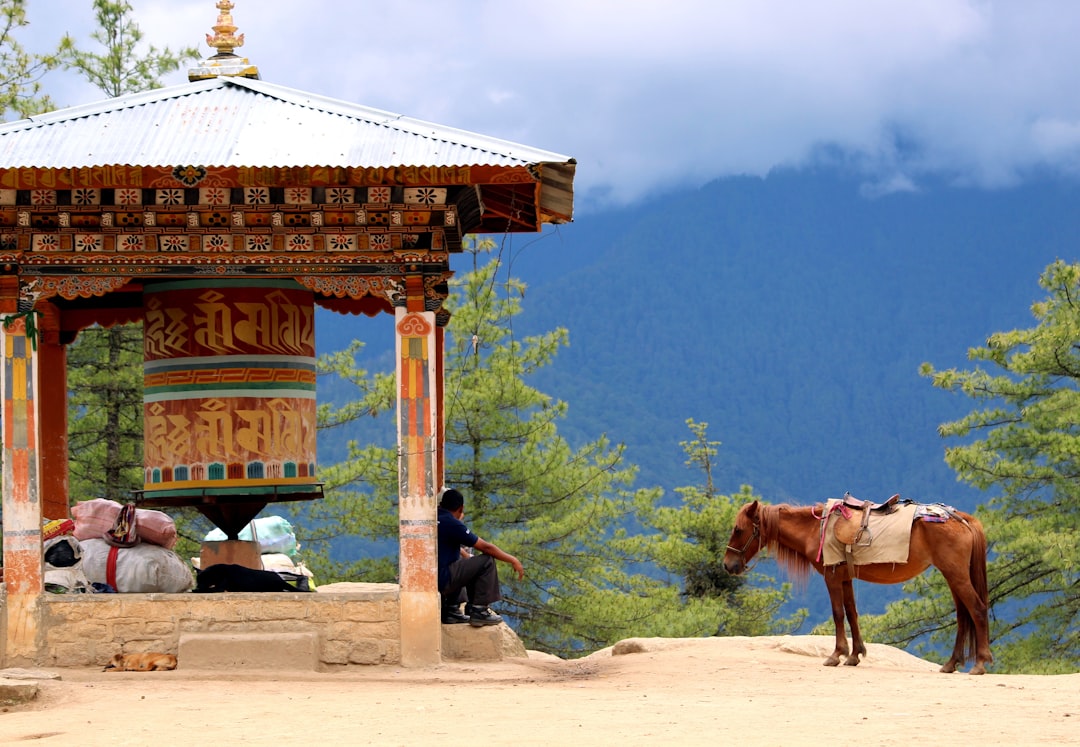
Bhutan, a small kingdom nestled in the eastern Himalayas, has garnered international attention for its unique approach to tourism. The country’s tourism policy is deeply rooted in its commitment to preserving its rich cultural heritage and pristine environment. Unlike many nations that prioritize mass tourism for economic gain, Bhutan has adopted a more measured strategy that emphasizes sustainability and cultural integrity.
This approach is not merely a marketing gimmick; it reflects the nation’s philosophy of Gross National Happiness, which prioritizes the well-being of its citizens over mere economic indicators. The Bhutanese government has crafted a tourism policy that seeks to balance the influx of visitors with the preservation of its natural and cultural resources. By implementing strict regulations and promoting high-value tourism, Bhutan aims to attract discerning travelers who appreciate the country’s unique offerings.
This policy not only safeguards the environment but also ensures that the benefits of tourism are equitably distributed among the local population. As Bhutan continues to navigate the complexities of global tourism, its policies serve as a model for other nations seeking to harmonize economic development with environmental and cultural preservation. Here is the sentence with the link:
You can learn about Bhutan’s gross national happiness explained in this video: Bhutan gross national happiness explained.
Key Takeaways
- Bhutan’s tourism policy focuses on “High Value, Low Impact” tourism to preserve its unique culture and environment.
- The Bhutanese government plays a key role in regulating tourism through a “minimum daily package” and a limited number of visas.
- Sustainable development and conservation efforts in Bhutan include initiatives such as the National Ecotourism Strategy and the Royal Society for Protection of Nature.
- Bhutan’s unique cultural and natural attractions, such as the Tiger’s Nest Monastery and the pristine landscapes, make it a sought-after destination for responsible travelers.
- Visiting Bhutan requires booking through a licensed tour operator and meeting the minimum daily package, which covers accommodation, meals, transportation, and guide services.
- Tourism has both positive and negative impacts on Bhutanese society and culture, leading to a need for responsible and sustainable tourism practices.
- The future of tourism in Bhutan will likely involve balancing economic growth with environmental and cultural preservation.
- Challenges and opportunities for Bhutan’s tourism industry include managing visitor numbers, diversifying tourism offerings, and promoting community-based tourism.
- Bhutan’s tourism policy differs from other countries’ policies by prioritizing sustainability and cultural preservation over mass tourism.
- Responsible and sustainable tourism in Bhutan involves respecting local customs, minimizing environmental impact, and supporting community-based initiatives.
The Concept of “High Value, Low Impact” Tourism
At the heart of Bhutan’s tourism strategy lies the concept of “high value, low impact” tourism. This philosophy is designed to attract a limited number of tourists who are willing to pay a premium for an authentic experience while minimizing the negative effects on the environment and local communities. By charging a daily minimum fee for visitors, Bhutan effectively regulates the number of tourists entering the country, ensuring that the influx does not overwhelm its delicate ecosystems or cultural sites.
This approach not only helps maintain Bhutan’s pristine landscapes but also fosters a deeper connection between visitors and the local culture. Tourists are encouraged to engage with local communities, participate in traditional activities, and learn about Bhutanese customs and values. This immersive experience allows travelers to appreciate the country’s unique identity while contributing to its economy in a meaningful way.
As a result, Bhutan’s tourism model stands in stark contrast to mass tourism practices that often lead to environmental degradation and cultural commodification.
The Role of the Bhutanese Government in Regulating Tourism
The Bhutanese government plays a pivotal role in regulating tourism through comprehensive policies and guidelines. The Ministry of Economic Affairs oversees the tourism sector, ensuring that all activities align with national goals for sustainable development. By establishing a framework that prioritizes environmental conservation and cultural preservation, the government actively shapes the tourism landscape in Bhutan.
One of the key regulatory measures is the requirement for all tourists to book their trips through licensed tour operators. This policy not only streamlines the travel process but also ensures that visitors receive high-quality services that adhere to Bhutan’s standards for sustainability. Additionally, the government conducts regular assessments of tourism impacts, allowing for adjustments to policies as needed.
This proactive approach enables Bhutan to remain responsive to both environmental challenges and changing tourist expectations, ensuring that its tourism industry evolves in harmony with its values.
The Sustainable Development and Conservation Efforts in Bhutan
| Efforts | Metrics |
|---|---|
| Protected Areas | Over 51% of the country’s land is protected as national parks and wildlife sanctuaries |
| Renewable Energy | 100% of Bhutan’s electricity is generated from renewable sources |
| Gross National Happiness | Bhutan measures its progress through GNH, focusing on sustainable development, environmental conservation, cultural preservation, and good governance |
| Carbon Negative | Bhutan is one of the few carbon-negative countries in the world, absorbing more carbon dioxide than it emits |
Sustainable development is a cornerstone of Bhutan’s national identity, and this commitment extends into its tourism policies. The government has implemented various initiatives aimed at conserving natural resources and protecting biodiversity. For instance, Bhutan has designated over 40% of its land as protected areas, including national parks and wildlife sanctuaries.
These efforts not only safeguard endangered species but also provide tourists with opportunities to experience the country’s stunning landscapes and diverse ecosystems. Moreover, Bhutan’s conservation efforts are closely linked to community engagement. Local populations are encouraged to participate in sustainable practices, such as organic farming and eco-friendly tourism initiatives.
By involving communities in conservation efforts, Bhutan fosters a sense of ownership and responsibility towards their natural surroundings. This collaborative approach not only enhances the visitor experience but also strengthens community ties and promotes economic resilience.
The Unique Cultural and Natural Attractions of Bhutan
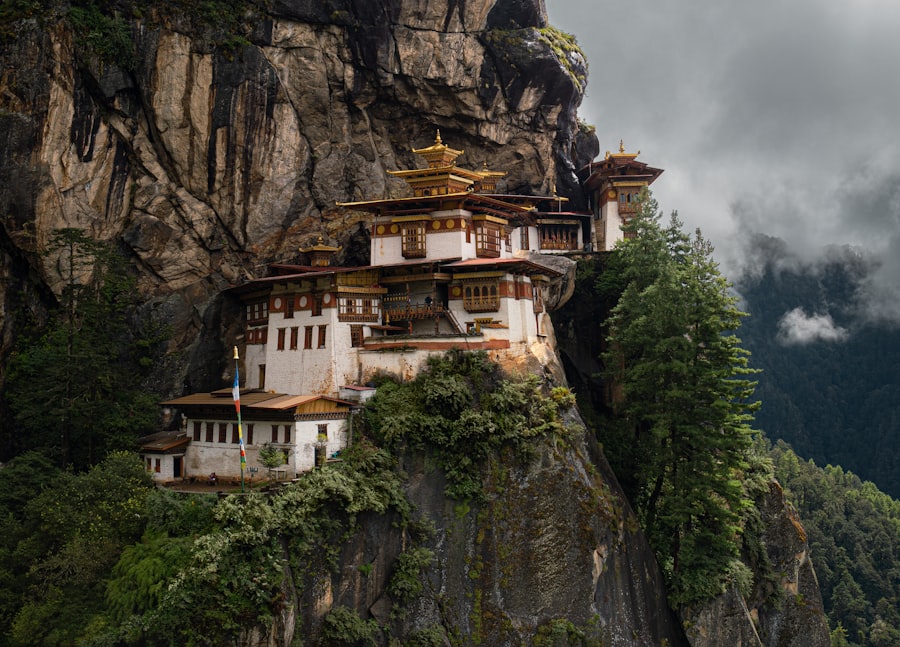
Bhutan is renowned for its breathtaking landscapes and rich cultural heritage, making it a treasure trove for travelers seeking unique experiences. The country boasts towering mountains, lush valleys, and pristine rivers, all of which contribute to its stunning natural beauty. Iconic landmarks such as the Paro Taktsang (Tiger’s Nest Monastery) offer visitors a glimpse into Bhutan’s spiritual heritage while providing breathtaking views of the surrounding landscape.
In addition to its natural wonders, Bhutan’s cultural attractions are equally compelling. The country is home to numerous festivals that celebrate its vibrant traditions, such as the colorful Tsechu festivals held annually in various districts. These events showcase traditional music, dance, and rituals that have been passed down through generations.
Visitors have the opportunity to immerse themselves in these cultural experiences, gaining insights into the values and beliefs that shape Bhutanese society.
The Requirements and Costs for Visiting Bhutan
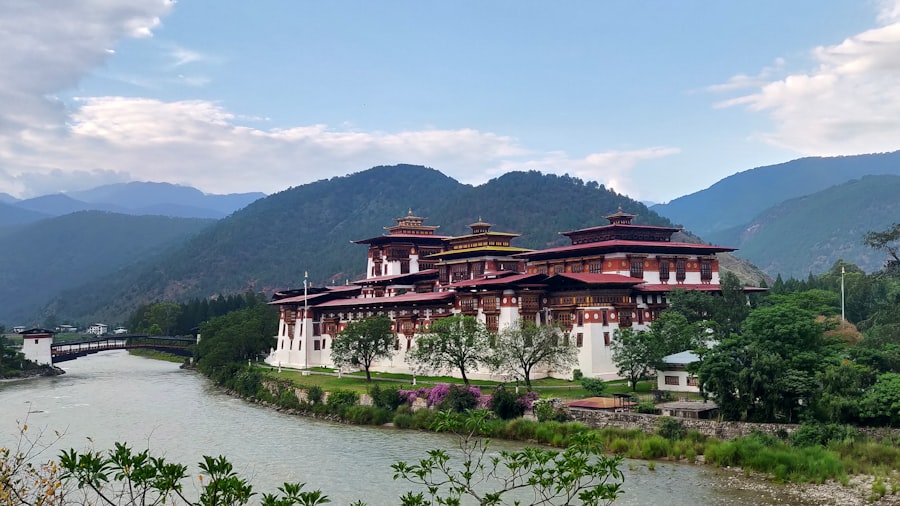
Traveling to Bhutan involves specific requirements and costs that reflect the country’s commitment to sustainable tourism. All visitors must obtain a visa prior to arrival, which can only be arranged through licensed tour operators. This policy ensures that tourists are well-informed about their travel plans and helps regulate visitor numbers effectively.
In terms of costs, Bhutan operates on a minimum daily package system that includes accommodation, meals, transportation, and a guide. This fee varies depending on the season and type of accommodation chosen but generally ranges from $200 to $250 per day for most travelers. While this may seem steep compared to other destinations, it guarantees a high-quality experience that aligns with Bhutan’s values of sustainability and cultural integrity.
The Impact of Tourism on Bhutanese Society and Culture
Tourism has had a profound impact on Bhutanese society and culture, both positively and negatively. On one hand, it has provided significant economic benefits by creating jobs and generating income for local communities. Many families have found new opportunities in hospitality, guiding services, and handicrafts as a result of increased visitor numbers.
This economic boost has allowed communities to invest in education, healthcare, and infrastructure improvements. On the other hand, the influx of tourists poses challenges to Bhutan’s cultural integrity and social fabric. As traditional customs come into contact with global influences, there is a risk of cultural dilution or commodification.
The government recognizes these challenges and actively promotes initiatives aimed at preserving cultural heritage while allowing for responsible engagement with visitors. By fostering an environment where local traditions are celebrated rather than exploited, Bhutan seeks to maintain its unique identity amidst the pressures of globalization.
The Future of Tourism in Bhutan
The future of tourism in Bhutan appears promising yet complex as the country navigates evolving global trends and challenges. With increasing awareness around sustainable travel practices, there is potential for Bhutan to position itself as a leading destination for eco-conscious travelers seeking authentic experiences. However, this requires ongoing commitment from both the government and local communities to uphold their values while adapting to changing tourist expectations.
As technology continues to shape travel experiences, Bhutan may also explore innovative ways to enhance visitor engagement without compromising its principles. Digital platforms can facilitate connections between travelers and local communities while promoting responsible tourism practices. By embracing these advancements thoughtfully, Bhutan can ensure that its tourism industry remains resilient and aligned with its core values of sustainability and cultural preservation.
The Challenges and Opportunities for Bhutan’s Tourism Industry
While Bhutan’s tourism industry holds great potential for growth, it also faces several challenges that must be addressed proactively. One significant concern is climate change, which poses threats to the country’s fragile ecosystems and biodiversity. As global temperatures rise, Bhutan may experience shifts in weather patterns that could impact agriculture, water resources, and natural attractions critical for tourism.
Additionally, maintaining a balance between visitor numbers and environmental preservation remains an ongoing challenge.
However, this challenge also presents an opportunity for innovation within the industry.
By investing in sustainable infrastructure and promoting lesser-known destinations, Bhutan can distribute tourist traffic more evenly while preserving its most cherished sites.
Comparisons with Other Countries’ Tourism Policies
Bhutan’s unique approach to tourism stands out when compared to policies adopted by other countries around the world. Many nations prioritize mass tourism as a means of economic growth, often leading to environmental degradation and cultural erosion. In contrast, Bhutan’s focus on high-value tourism emphasizes quality over quantity, allowing for more meaningful interactions between visitors and locals.
Countries like Costa Rica have also embraced sustainable tourism practices but often face challenges related to infrastructure development and managing visitor expectations. While both nations share similar goals of conservation and community engagement, Bhutan’s stringent regulations provide a more structured framework for achieving these objectives. By examining these comparisons, it becomes evident that there is no one-size-fits-all solution; each country must tailor its approach based on its unique context and values.
Tips for Responsible and Sustainable Tourism in Bhutan
For travelers seeking to explore Bhutan responsibly, several tips can enhance their experience while minimizing their impact on local communities and environments. First and foremost, visitors should respect local customs and traditions by familiarizing themselves with cultural norms before arrival. Engaging with locals in meaningful ways—such as participating in community events or supporting local artisans—can foster positive interactions.
Additionally, travelers should prioritize eco-friendly practices during their stay by minimizing waste, conserving water, and choosing sustainable transportation options whenever possible. Opting for accommodations that prioritize sustainability can further contribute to preserving Bhutan’s natural beauty. Lastly, being mindful of one’s footprint—both environmentally and culturally—ensures that future generations can continue to enjoy the wonders of this remarkable kingdom.
In conclusion, Bhutan’s tourism policy exemplifies a thoughtful approach that prioritizes sustainability while celebrating its rich cultural heritage. As the country continues to navigate the complexities of global tourism trends, it remains committed to preserving its unique identity for generations to come.
Bhutan’s tourism policy is designed to promote sustainable travel while preserving the country’s unique culture and environment. For a deeper understanding of how these policies are implemented and their impact on the local economy, you can read more in this related article on Bhutan’s tourism strategies. Check it out here: Bhutan Tourism Policy Explained.
WATCH THIS! Gross National Happiness Is A Trap
FAQs
What is Bhutan’s tourism policy?
Bhutan’s tourism policy is based on the principle of “high value, low volume” tourism. This means that the country focuses on attracting a limited number of high-end tourists in order to minimize the negative impact on the environment and culture.
How does Bhutan regulate tourism?
Bhutan regulates tourism through a system of minimum daily package rates for tourists. This includes a daily tariff that covers accommodation, meals, transportation, and a guide. Additionally, tourists must obtain a visa and book their travel through a licensed tour operator.
What are the benefits of Bhutan’s tourism policy?
Bhutan’s tourism policy aims to preserve the country’s natural environment and cultural heritage while generating revenue for the government. It also helps to ensure that tourism benefits local communities and contributes to sustainable development.
What are the challenges of Bhutan’s tourism policy?
One of the challenges of Bhutan’s tourism policy is balancing the need for economic development with the preservation of the country’s unique culture and environment. Additionally, the policy may limit the number of tourists who can visit Bhutan, potentially impacting the tourism industry.