
The vast continent of Africa stands at a pivotal crossroads, its burgeoning populations and developing economies demanding an exponential increase in energy supply. For decades, this energy deficit has acted as a silent handcuff, stifling economic growth and limiting human potential. However, a powerful, largely untapped resource exists, waiting to be galvanized: the substantial capital held within African pension funds. This article examines the critical role that these funds can play in unlocking Africa’s immense energy potential, exploring the opportunities, challenges, and strategic frameworks necessary for such a transformative collaboration.
Africa possesses an extraordinary diversity of energy resources. From the vast solar irradiation experienced across its equatorial belt to the considerable wind resources along its coastlines, and the geothermal potential bubbling beneath its surface, the continent is a veritable energy powerhouse in waiting. Hydroelectric power, while established in some regions, has significant further development potential. Furthermore, significant reserves of natural gas and, in some areas, oil, represent a valuable stepping stone in the transition to cleaner energy sources, providing reliable baseload power and acting as a feedstock for industrial development.
Solar: A Sun-Kissed Opportunity
The African continent receives some of the highest solar irradiance globally, making it an ideal location for solar power generation. With declining costs of solar photovoltaic technology, large-scale solar farms, distributed rooftop solar systems, and even off-grid solutions are increasingly viable and cost-effective. This solar abundance is not merely a theoretical advantage; it represents a tangible pathway to electrifying rural communities and powering industrial expansion.
The Potential for Scale
The sheer scale of land available across Africa, coupled with the consistent sunlight, allows for the development of utility-scale solar projects capable of powering entire nations. These projects can contribute significantly to national grids, reducing reliance on fossil fuels and volatile import markets.
Distributed Generation and Rural Electrification
Beyond large-scale projects, solar technology offers a decentralized solution. Microgrids powered by solar panels can bring electricity to remote villages previously inaccessible to conventional grid infrastructure, fundamentally altering livelihoods and economic opportunities.
Wind Power’s Breezy Prospects
Africa’s extensive coastlines and open plains are conducive to wind energy development. Nations like Morocco, Kenya, and South Africa have already made strides in harnessing wind power, demonstrating its feasibility and economic benefits. As turbine technology advances and costs decrease, wind power is poised to become a significant contributor to Africa’s energy mix.
Coastal and Inland Wind Farms
The consistent oceanic winds along many African coastlines present ideal conditions for offshore and onshore wind farms. Inland, specific geographical locations also offer strong and reliable wind patterns suitable for development.
Hybrid Solutions with Existing Infrastructure
Wind power can be effectively integrated with existing or developing infrastructure, complementing other renewable sources and providing a more stable energy supply.
Hydroelectric Power: A Measured Approach
While not without its environmental considerations, hydroelectric power remains a significant and proven source of energy in Africa. Existing dams provide valuable baseload power, and there is still considerable potential for new projects, particularly in regions with abundant water resources. Careful planning and sustainable practices are, however, paramount.
Enhancing Existing Capacity
Rather than solely focusing on new mega-dams, there is substantial potential for upgrading and optimizing the efficiency of existing hydroelectric facilities, maximizing their output with minimal new environmental impact.
Small and Medium-Scale Hydro
The development of small and medium-scale hydroelectric projects can provide localized power generation, serving communities and industries without the extensive environmental footprint of larger dams.
Geothermal Energy: Harnessing Earth’s Inner Fire
The East African Rift Valley, a geological marvel, presents one of the world’s most promising regions for geothermal energy. This constant, reliable source of heat from within the Earth offers a consistent and baseload power generation capability, independent of weather conditions.
The Rift Valley Advantage
The geological activity along the East African Rift offers unique opportunities for tapping into high-temperature geothermal resources, providing a stable and predictable energy source.
Exploring Untapped Potential
Beyond the immediate Rift Valley, further geological surveys and exploration can uncover additional geothermal potential across various regions of the continent.
Fossil Fuels: A Transitional Role
Africa also holds significant reserves of oil and natural gas. While the global transition towards cleaner energy is accelerating, these resources can play a crucial role in the interim, providing the reliable baseload power and industrial inputs necessary for economic development. Responsible extraction and a clear strategy for transitioning away from fossil fuels are vital.
Natural Gas as a Bridge Fuel
Natural gas, when compared to coal, offers a cleaner alternative for power generation during the transition to a fully renewable energy system. It can also serve as a vital feedstock for industries.
Monetizing Existing Reserves
Careful and strategic utilization of existing oil and gas reserves can generate revenue that can be reinvested into developing renewable energy infrastructure and other critical sectors.
Pension fund investment in Africa’s energy sector is gaining traction as more institutional investors recognize the potential for sustainable returns in renewable energy projects. A related article that delves into this topic is available at My GeoQuest, where it discusses the growing interest of pension funds in financing renewable energy initiatives across the continent. This investment trend not only aims to enhance financial performance but also supports Africa’s transition to a more sustainable energy future.
The Pension Fund Nexus: A Strategic Investment Pathway
African pension funds represent a significant pool of capital that has historically been invested domestically, but often in less impactful or growth-oriented sectors. These funds are designed to provide long-term security for retirees, and investing in Africa’s energy infrastructure aligns perfectly with this objective. Such investments offer the potential for stable, long-term returns while simultaneously addressing a critical developmental need.
The Growth of African Pension Funds
Over the past two decades, African pension funds have experienced substantial growth. As formal employment expands and retirement schemes become more prevalent, the assets under management have increased considerably. This burgeoning liquidity presents a compelling case for strategic deployment.
Accumulating Capital
The increasing number of formal sector employees contributing to pension schemes is steadily increasing the total assets held by these funds. This growing capital base represents a significant domestic financial resource.
Diversification Imperatives
As these funds mature, they face an increasing need to diversify their holdings to mitigate risk and maximize returns. Investing in new, high-growth sectors like energy infrastructure offers a prime diversification opportunity.
Investment Avenues for Energy Projects
Pension funds can engage with Africa’s energy sector through various investment mechanisms, each with its own risk-return profile and strategic advantages.
Direct Equity Investments
Pension funds can directly invest in energy companies, both established utilities looking to expand and nascent renewable energy developers. This offers a direct stake in the growth and profitability of these ventures.
Investing in Utilities
Established power utility companies, especially those undergoing modernization or expanding their renewable portfolios, can offer stable, long-term investment opportunities.
Funding Renewable Energy Developers
Emerging renewable energy companies, though potentially higher risk, can offer significant growth potential and a direct impact on the energy transition.
Debt Financing and Infrastructure Bonds
Providing debt financing through loans or by purchasing infrastructure bonds issued by energy projects can offer a steady stream of predictable income for pension funds. This is a more conservative investment approach.
Project Finance Loans
Pension funds can act as lenders to specific energy projects, providing the capital necessary for construction and development in exchange for interest payments.
Infrastructure Bonds
The issuance of green or infrastructure bonds specifically for energy projects allows pension funds to invest in a diversified portfolio of energy assets with defined repayment schedules.
Infrastructure Funds and Private Equity
Pooled investment vehicles, such as infrastructure funds and private equity funds specializing in the African energy sector, allow pension funds to diversify their risk and benefit from expert management.
Sector-Specific Funds
Investing in funds dedicated to renewable energy or broader energy infrastructure in Africa provides access to a curated selection of projects and professional oversight.
Blended Finance Mechanisms
Collaborating with development finance institutions (DFIs) and governments through blended finance structures can de-risk investments and attract larger capital commitments.
Navigating the Investment Landscape: Opportunities and Tailwinds

The investment landscape for African energy, while presenting challenges, is also characterized by significant opportunities and favorable tailwinds. Growing demand, supportive government policies, and technological advancements are creating a fertile ground for pension fund capital.
Growing Energy Demand
Africa’s population is projected to grow significantly in the coming decades, leading to a commensurate increase in energy consumption. This fundamental demand-side driver ensures a sustained market for energy products and services.
Demographic Shifts
The youth bulge across the continent translates to a growing workforce and an expanding middle class, both of which drive increased demand for electricity for homes, businesses, and industrial processes.
Economic Growth Aspirations
As African economies seek to industrialize and diversify, a reliable and affordable energy supply is a prerequisite for attracting investment and fostering sustainable growth.
Supportive Policy Frameworks
Many African governments are increasingly recognizing the importance of energy security and are implementing policies to attract investment in the sector, particularly in renewables. These include tax incentives, feed-in tariffs, and streamlined regulatory processes.
Renewable Energy Targets
A growing number of African nations have set ambitious renewable energy targets, signaling a commitment to clean energy and creating a predictable policy environment for investors.
Investment Promotion Agencies
Many countries have established investment promotion agencies tasked with facilitating foreign and domestic investment, including in the energy sector.
Public-Private Partnerships (PPPs)
Governments are increasingly embracing Public-Private Partnerships as a mechanism to leverage private capital and expertise for the development of large-scale energy infrastructure.
Technological Advancements and Cost Reductions
The global decline in the cost of renewable energy technologies, particularly solar and wind, has made these sources increasingly competitive with traditional fossil fuels. This technological progress is a crucial tailwind for investment.
The Falling Cost of Solar PV
The dramatic reduction in the cost of solar photovoltaic panels has made solar power an economically attractive option across the continent, even for off-grid or mini-grid applications.
Improvements in Wind Turbine Efficiency
Larger and more efficient wind turbines are enhancing the power output and economic viability of wind energy projects.
Energy Storage Solutions
Advancements in battery storage technology are increasingly addressing the intermittency challenges associated with solar and wind power, making them more reliable for grid integration.
Addressing the Hurdles: De-risking Pension Fund Investments
While the opportunities are compelling, investing in Africa’s energy sector is not without its inherent risks. Pension funds, by their fiduciary duty, must ensure the security of their members’ capital. Therefore, strategies to de-risk investments are paramount.
Political and Regulatory Instability
A common concern for investors in emerging markets is political and regulatory uncertainty. Fluctuations in government policies, changes in legislation, and geopolitical risks can deter investment.
Currency Volatility
The depreciation of local currencies against major international currencies can erode the value of investments and returns. This is a significant concern for funds seeking to repatriate profits or match liabilities in foreign currencies.
Contract Enforcement and Legal Frameworks
The effectiveness of legal systems and the consistent enforcement of contracts are crucial for investor confidence. Weak legal frameworks or corruption can create uncertainty and risk.
Expropriation Risk
While rare, the risk of government expropriation of assets, though diminished in many African nations, remains a consideration for some investors.
Infrastructure Deficiencies
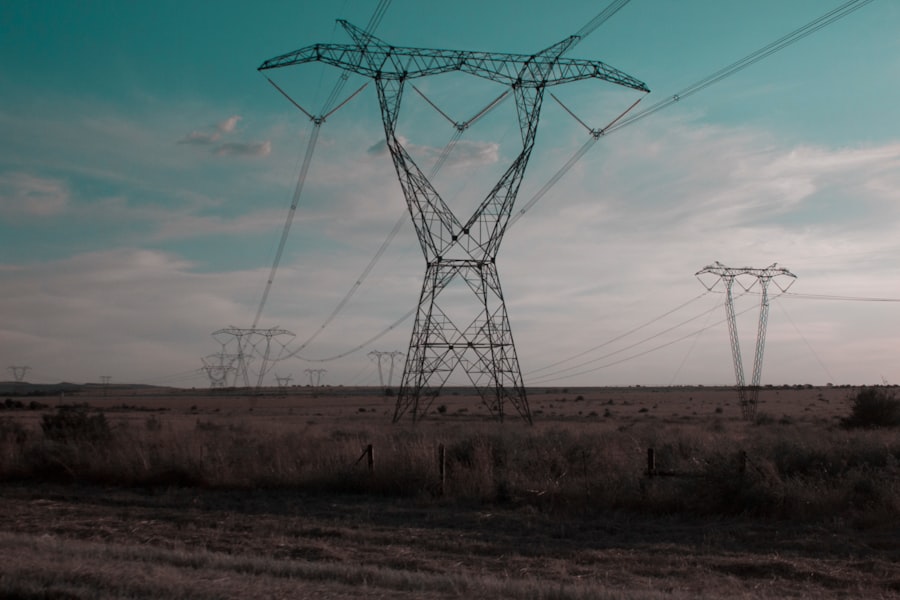
Beyond the power generation itself, the lack of robust transmission and distribution infrastructure can hinder the effective delivery of electricity to consumers, impacting project viability.
Transmission Constraints
The underdeveloped state of national grids in many African countries can create bottlenecks, preventing the efficient evacuation of power from generation sites to demand centers.
Distribution Network Issues
Aging or inadequate distribution networks can lead to significant power losses and an unreliable supply to end-users.
Logistics and Transportation Challenges
The movement of large equipment and materials for project construction, particularly in remote areas, can be hampered by poor road and rail networks.
Access to Foreign Exchange and Repatriation of Profits
For international pension funds or those with foreign currency obligations, the ability to access foreign exchange and repatriate profits can be a challenge, particularly in countries with foreign exchange controls.
Repatriation Restrictions
Some countries may have regulations that limit the amount of foreign currency that can be repatriated out of the country, impacting investor returns and capital flow.
Accessing Hard Currency
Securing access to US dollars or Euros for investment or repatriation can be difficult in certain markets, influencing investment decisions.
Capacity and Skill Gaps
A shortage of skilled labor in areas such as project management, engineering, and regulatory affairs can impact the successful execution of energy projects.
Technical Expertise Shortages
The availability of local engineers, project managers, and skilled technicians with experience in large-scale energy projects can be limited in some regions.
Regulatory and Financial Expertise
A lack of expertise in navigating complex regulatory environments and structuring sophisticated financial transactions can also pose a challenge.
Pension fund investment in Africa’s energy sector is gaining significant attention as the continent seeks to harness its vast renewable resources. A recent article highlights the potential for these investments to drive sustainable development while providing attractive returns for investors. For more insights on this topic, you can read the article on energy investments in Africa at MyGeoQuest. This growing trend not only supports the transition to cleaner energy but also helps to create jobs and stimulate economic growth across various regions in Africa.
Building Bridges: Strategies for Effective Pension Fund Engagement
| Country | Pension Fund Name | Investment in Energy Sector (in million) | Type of Energy Investment | Year | Percentage of Total Fund |
|---|---|---|---|---|---|
| South Africa | Government Employees Pension Fund (GEPF) | 1200 | Renewable (Solar, Wind) | 2023 | 8% |
| Kenya | National Social Security Fund (NSSF) | 350 | Geothermal, Hydro | 2023 | 5% |
| Nigeria | PenCom Pension Fund | 500 | Oil & Gas, Renewable | 2023 | 6% |
| Egypt | Egyptian Social Insurance Fund | 400 | Solar, Natural Gas | 2023 | 7% |
| Morocco | CNRA Pension Fund | 250 | Solar, Wind | 2023 | 4% |
To unlock the full potential of pension fund investments in Africa’s energy sector, a multi-pronged approach is necessary that focuses on risk mitigation, fostering collaboration, and creating a conducive investment environment.
Enhancing Risk Mitigation Mechanisms
Implementing robust risk mitigation strategies is crucial to building the confidence of pension fund trustees and ensuring the security of their members’ capital.
Political Risk Insurance
Securing political risk insurance from multilateral agencies or private insurers can protect investments against a range of political events, including expropriation, currency inconvertibility, and political violence.
Guarantees and Blended Finance
Partnerships with development finance institutions (DFIs) and the utilization of blended finance structures can offer guarantees and de-risk projects, making them more attractive to pension funds.
Forfaiting and Credit Enhancements
These financial instruments can provide credit enhancement to projects, reducing the risk for lenders and investors.
Fostering Collaboration and Partnerships
Collaboration between pension funds, governments, private sector developers, and DFIs is essential to overcome challenges and create synergistic investment opportunities.
Sovereign Guarantees
Governments can provide sovereign guarantees for essential infrastructure projects, enhancing their creditworthiness and attracting investment.
Public-Private Partnerships (PPPs)
Well-structured PPPs, where risks and rewards are clearly defined and shared, can be an effective model for developing large-scale energy projects.
Co-investment with DFIs
Pension funds can co-invest alongside DFIs, leveraging their development expertise and risk appetite to share the burden and increase investable opportunities.
Developing Robust Regulatory and Legal Frameworks
Governments have a critical role to play in establishing clear, stable, and predictable regulatory and legal frameworks that provide investor certainty.
Independent Regulatory Bodies
Establishing independent energy regulatory bodies can ensure fair competition, transparent tariff setting, and effective oversight of the sector.
Streamlined Permitting Processes
Simplifying and expediting the permitting and licensing processes for energy projects can significantly reduce development timelines and costs.
Dispute Resolution Mechanisms
Establishing efficient and impartial dispute resolution mechanisms can provide investors with confidence that contractual obligations will be upheld.
Capacity Building and Knowledge Transfer
Investing in local capacity building and knowledge transfer programs is essential for the long-term sustainability and success of the energy sector.
Training and Skill Development
Supporting programs that train local engineers, technicians, and project managers in renewable energy technologies and infrastructure development is vital.
Financial Literacy and Investment Expertise
Enhancing the financial literacy and investment expertise of pension fund managers within Africa can empower them to make more informed decisions about energy sector investments.
Public Awareness Campaigns
Educating the public about the benefits of renewable energy and infrastructure development can foster greater support and understanding of these vital projects.
The path to unlocking Africa’s energy potential through pension fund investments is not a sprint but a marathon. It requires a patient, strategic, and collaborative approach from all stakeholders. By acting as stewards of their members’ capital and recognizing the long-term developmental imperative, African pension funds can become potent catalysts for a brighter, more energized future for the continent. The wealth held within these funds is not merely a financial asset; it is a lifeline, a potential engine of progress, ready to be deployed to power Africa’s ascent.
FAQs
What role do pension funds play in Africa’s energy sector investment?
Pension funds in Africa are increasingly investing in the energy sector to diversify their portfolios and support the continent’s growing demand for reliable and sustainable energy. These investments help finance renewable energy projects, infrastructure development, and energy access initiatives.
Why is the energy sector attractive to pension fund investors in Africa?
The energy sector offers long-term, stable returns, which align well with the long-term liabilities of pension funds. Additionally, Africa’s energy demand is rapidly increasing, creating opportunities for growth and impact investing, especially in renewable energy sources like solar and wind.
What types of energy projects do African pension funds typically invest in?
African pension funds commonly invest in renewable energy projects such as solar, wind, hydroelectric, and geothermal power. They also invest in traditional energy infrastructure, including power generation plants and transmission networks, to improve energy access and reliability.
What challenges do pension funds face when investing in Africa’s energy sector?
Challenges include regulatory and political risks, currency fluctuations, limited project pipelines, and sometimes inadequate infrastructure. Pension funds also face difficulties in assessing project viability and managing risks associated with emerging markets.
How do pension fund investments impact Africa’s energy development?
Pension fund investments provide critical capital for expanding energy infrastructure, promoting renewable energy adoption, and improving energy access. This contributes to economic growth, job creation, and the continent’s transition to a more sustainable energy future.