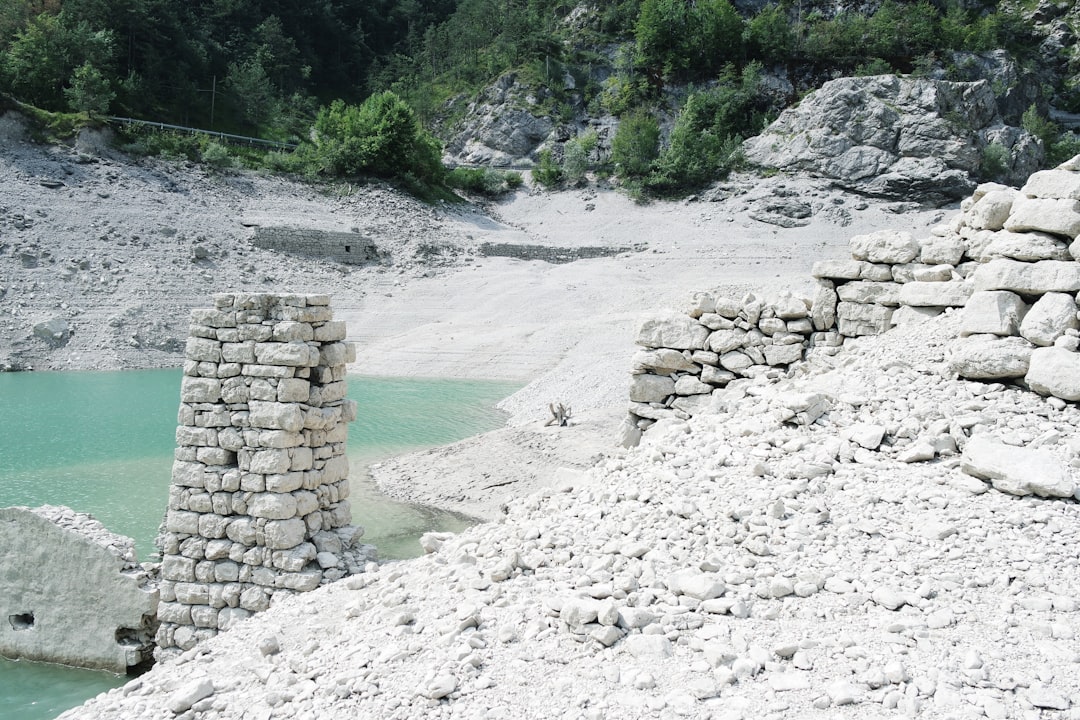
UNESCO World Heritage Sites are recognized for their cultural, historical, and natural significance, representing the collective heritage of humanity. However, some of these sites face the daunting challenge of contamination, which threatens their integrity and the stories they tell. Contaminated World Heritage Sites are locations that have been adversely affected by pollution, industrial waste, or other environmental hazards, leading to a complex interplay between preservation and remediation.
The recognition of these sites by UNESCO highlights the urgent need to address the environmental issues they face while maintaining their historical and cultural value. The designation of a site as a UNESCO World Heritage Site is intended to foster global awareness and protection. Yet, when contamination occurs, it complicates this mission.
The juxtaposition of cultural heritage and environmental degradation raises critical questions about responsibility, stewardship, and the future of these irreplaceable locations.
Key Takeaways
- Contaminated World Heritage Sites are important cultural and historical landmarks that are facing environmental challenges.
- Preserving contaminated World Heritage Sites is crucial for maintaining the cultural and historical significance of these locations.
- Contaminated World Heritage Sites face environmental challenges such as pollution, degradation, and loss of biodiversity.
- Case studies of contaminated World Heritage Sites highlight the urgent need for preservation and restoration efforts.
- Collaborative efforts between UNESCO and local governments are essential for the preservation and restoration of contaminated World Heritage Sites.
The Importance of Preserving Contaminated World Heritage Sites
Preserving contaminated World Heritage Sites is crucial not only for their historical and cultural significance but also for the lessons they impart about environmental stewardship. These sites often serve as tangible reminders of past human endeavors, showcasing both achievements and failures. By safeguarding these locations, society can learn from history, fostering a deeper understanding of the consequences of industrialization and environmental neglect.
The preservation of these sites allows future generations to engage with their heritage while promoting awareness of the importance of sustainable practices. Moreover, contaminated World Heritage Sites often hold immense educational potential. They can serve as outdoor classrooms where visitors can learn about the impacts of pollution and the importance of conservation efforts.
By integrating educational programs into the preservation strategies for these sites, stakeholders can raise awareness about environmental issues while simultaneously honoring the cultural narratives embedded within these locations. This dual focus on education and preservation can inspire a new generation to advocate for responsible environmental practices and heritage conservation.
Environmental Challenges Faced by Contaminated World Heritage Sites
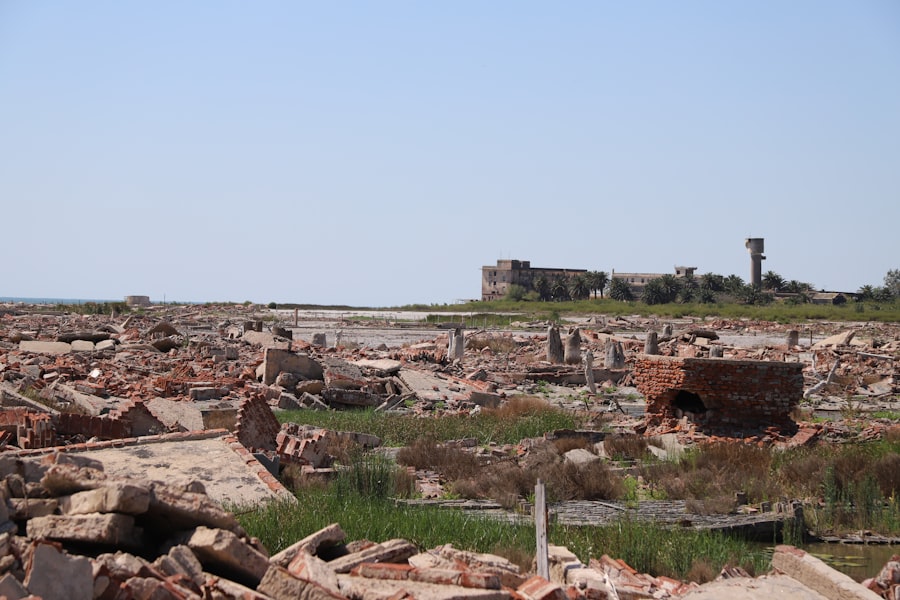
Contaminated World Heritage Sites face a myriad of environmental challenges that threaten their integrity and sustainability. Pollution from industrial activities, agricultural runoff, and urban development can lead to soil degradation, water contamination, and loss of biodiversity. These environmental issues not only compromise the physical structures and landscapes of these sites but also impact the ecosystems that support them.
The degradation of natural resources can result in diminished visitor experiences and reduced local community engagement, further exacerbating the challenges faced by these sites. In addition to pollution, climate change poses a significant threat to contaminated World Heritage Sites. Rising temperatures, extreme weather events, and shifting ecosystems can exacerbate existing contamination issues while introducing new challenges.
For instance, flooding can mobilize pollutants previously contained within a site, spreading contamination to surrounding areas. As climate change continues to evolve, it is imperative for stakeholders to develop adaptive management strategies that address both contamination and climate resilience to ensure the long-term preservation of these invaluable sites.
Case Studies of Contaminated World Heritage Sites
| World Heritage Site | Contaminant | Impact |
|---|---|---|
| Chernobyl, Ukraine | Radiation | Severe health effects, ecosystem disruption |
| Great Barrier Reef, Australia | Pollution | Coral bleaching, marine life decline |
| Yellowstone National Park, USA | Air pollution | Damage to vegetation, water quality issues |
One notable example of a contaminated World Heritage Site is the Historic Centre of Cracow in Poland. This site is renowned for its medieval architecture and rich cultural history; however, it has been affected by air pollution from industrial activities in the region. The deterioration of historical buildings due to acid rain and other pollutants has prompted local authorities to implement measures aimed at reducing emissions and preserving the site’s integrity.
This case illustrates the need for comprehensive strategies that address both environmental concerns and heritage conservation. Another significant case is the Iron Market in Port-au-Prince, Haiti, which was designated as a UNESCO World Heritage Site due to its historical importance. Following the devastating earthquake in 2010, the site faced contamination from debris and hazardous materials.
Efforts to restore the market have included not only rebuilding its structure but also addressing environmental concerns related to waste management and pollution control. This case highlights the importance of integrating environmental remediation into restoration efforts to ensure that cultural heritage is preserved in a sustainable manner.
Efforts to Preserve and Restore Contaminated World Heritage Sites
Efforts to preserve and restore contaminated World Heritage Sites require collaboration among various stakeholders, including governments, non-governmental organizations, local communities, and international bodies like UNESCO. These collaborative efforts often involve comprehensive assessments of contamination levels, followed by targeted remediation strategies aimed at restoring both the environment and the cultural significance of the site. Such initiatives may include soil decontamination, water treatment programs, and habitat restoration projects designed to revitalize ecosystems affected by pollution.
In addition to remediation efforts, public awareness campaigns play a vital role in preserving contaminated World Heritage Sites. Engaging local communities in conservation initiatives fosters a sense of ownership and responsibility toward these sites. Educational programs that highlight the historical significance of these locations alongside their environmental challenges can empower individuals to take action in their preservation.
By fostering community involvement and raising awareness about contamination issues, stakeholders can create a more sustainable future for these invaluable cultural treasures.
Balancing Preservation and Environmental Remediation

The challenge of balancing preservation with environmental remediation is a complex issue that requires careful consideration of both cultural heritage and ecological health. Stakeholders must navigate competing interests while ensuring that remediation efforts do not compromise the historical integrity of a site. This often involves interdisciplinary approaches that integrate expertise from fields such as archaeology, environmental science, and urban planning.
By fostering collaboration among experts from diverse backgrounds, stakeholders can develop holistic strategies that address both preservation and remediation needs. Moreover, it is essential to recognize that remediation efforts can enhance rather than detract from cultural heritage preservation. For instance, restoring natural landscapes around a contaminated site can improve visitor experiences while also providing ecological benefits.
By viewing preservation and remediation as complementary rather than opposing goals, stakeholders can create innovative solutions that honor both the past and the future.
Collaborative Efforts Between UNESCO and Local Governments
Collaboration between UNESCO and local governments is crucial for addressing the challenges faced by contaminated World Heritage Sites. UNESCO provides guidance and support for conservation efforts while advocating for sustainable practices that protect both cultural heritage and the environment. Local governments play a vital role in implementing these strategies on the ground, often facing unique challenges related to funding, policy development, and community engagement.
Joint initiatives between UNESCO and local authorities can lead to successful outcomes in preserving contaminated sites. For example, capacity-building programs aimed at training local officials in heritage conservation techniques can enhance their ability to manage contaminated sites effectively. Additionally, collaborative funding mechanisms can help secure resources for remediation projects that prioritize both environmental health and cultural preservation.
By working together, UNESCO and local governments can create a framework for sustainable management that benefits both heritage sites and surrounding communities.
The Role of Technology in Preserving Contaminated World Heritage Sites
Technology plays an increasingly important role in preserving contaminated World Heritage Sites by providing innovative solutions for monitoring, assessment, and remediation efforts. Advanced tools such as remote sensing, geographic information systems (GIS), and data analytics enable stakeholders to gather critical information about contamination levels and environmental conditions. These technologies facilitate informed decision-making regarding preservation strategies while allowing for real-time monitoring of site conditions.
Furthermore, technological advancements in remediation techniques offer new possibilities for addressing contamination issues effectively. Bioremediation methods that utilize microorganisms to break down pollutants are gaining traction as sustainable alternatives to traditional cleanup approaches. By harnessing technology in both monitoring and remediation efforts, stakeholders can enhance their ability to protect contaminated World Heritage Sites while minimizing environmental impacts.
Sustainable Tourism at Contaminated World Heritage Sites
Sustainable tourism presents an opportunity for contaminated World Heritage Sites to generate revenue while promoting awareness about environmental issues. By developing responsible tourism practices that prioritize conservation efforts, stakeholders can create economic incentives for preserving these sites. Sustainable tourism initiatives may include guided tours that educate visitors about the site’s history alongside its environmental challenges or eco-friendly accommodations that minimize ecological footprints.
Moreover, engaging local communities in tourism development can foster a sense of pride in their heritage while providing economic benefits. By involving residents in tourism initiatives, stakeholders can ensure that local voices are heard in decision-making processes related to site management. This collaborative approach not only enhances visitor experiences but also strengthens community ties to their cultural heritage.
The Future of Contaminated World Heritage Sites
The future of contaminated World Heritage Sites hinges on proactive measures taken today to address environmental challenges while preserving cultural heritage. As global awareness of environmental issues continues to grow, there is an increasing recognition of the need for sustainable practices in heritage conservation. Stakeholders must prioritize collaboration among governments, NGOs, local communities, and international organizations like UNESCO to develop comprehensive strategies that address both contamination and preservation.
Looking ahead, it is essential for stakeholders to remain adaptable in their approaches as new challenges arise from climate change and evolving societal needs. By fostering innovation through technology and community engagement, they can create resilient frameworks for managing contaminated World Heritage Sites that honor their historical significance while promoting ecological health.
The Ongoing Effort to Preserve History Amid Environmental Challenges
The ongoing effort to preserve contaminated World Heritage Sites reflects humanity’s commitment to safeguarding its collective heritage amid pressing environmental challenges. As these sites face threats from pollution and climate change, it becomes increasingly vital for stakeholders to adopt holistic approaches that integrate preservation with environmental remediation. Through collaboration between UNESCO, local governments, communities, and technological advancements, there exists a pathway toward sustainable management that honors both history and ecology.
Ultimately, preserving contaminated World Heritage Sites is not merely an act of conservation; it is an opportunity to learn from past mistakes while fostering a more sustainable future. By recognizing the interconnectedness of cultural heritage and environmental health, society can work toward creating resilient frameworks that protect these invaluable sites for generations to come. The journey may be fraught with challenges, but it is one worth undertaking for the sake of history—and for the sake of our planet’s future.
In recent years, the issue of contamination at UNESCO World Heritage sites has garnered significant attention, highlighting the urgent need for preservation efforts. A related article on this topic can be found on MyGeoQuest, which delves into the challenges and strategies for managing these precious sites amidst environmental threats. The article provides insights into how contamination affects the cultural and natural integrity of these locations and discusses potential solutions to mitigate these impacts. For more detailed information, you can read the full article by visiting this link.
FAQs
What are UNESCO World Heritage contaminated sites?
UNESCO World Heritage contaminated sites are locations that have been designated as World Heritage Sites by UNESCO, but are also affected by environmental contamination or pollution.
How does a site become designated as a UNESCO World Heritage contaminated site?
A site becomes designated as a UNESCO World Heritage contaminated site when it meets the criteria for both being a World Heritage Site and being affected by environmental contamination or pollution. These sites are recognized for their cultural, historical, or natural significance, but also face challenges related to contamination.
What are the risks associated with UNESCO World Heritage contaminated sites?
The risks associated with UNESCO World Heritage contaminated sites include potential harm to human health, damage to ecosystems, and threats to the cultural and historical significance of the site. Contamination can also impact the ability of the site to be preserved and enjoyed by future generations.
What efforts are being made to address contamination at UNESCO World Heritage sites?
Efforts to address contamination at UNESCO World Heritage sites include environmental remediation, conservation and preservation measures, and international cooperation to mitigate the impacts of pollution and contamination. UNESCO and other organizations work to raise awareness and support initiatives to protect and restore these sites.
Can contaminated UNESCO World Heritage sites still be visited?
Contaminated UNESCO World Heritage sites can still be visited, but visitors should be aware of any potential health or safety risks associated with contamination. It is important to follow any guidelines or restrictions in place to protect both visitors and the site itself.