
The Edenville Dam, located in Midland County, Michigan, has been a significant structure in the region’s water management system since its construction. Originally built to create a reservoir for recreational purposes and to provide hydroelectric power, the dam has played a crucial role in the local economy and environment. However, its history is marred by a catastrophic failure that raised serious concerns about dam safety and regulatory oversight.
The dam’s collapse not only caused immediate destruction but also highlighted the vulnerabilities inherent in aging infrastructure across the United States. As communities increasingly rely on dams for flood control, water supply, and energy generation, the Edenville Dam serves as a poignant reminder of the potential consequences of neglecting maintenance and safety protocols. The events surrounding its failure have sparked discussions about the importance of rigorous inspections, timely repairs, and the need for updated regulations to ensure the safety of such critical structures.
Understanding the complexities of the Edenville Dam’s history and its eventual failure is essential for grasping the broader implications for dam safety nationwide.
Key Takeaways
- The Edenville Dam failure was caused by a combination of structural weaknesses and inadequate maintenance.
- The collapse led to significant flooding, damaging homes and infrastructure in the surrounding area.
- Environmental impacts included disruption of local ecosystems and water quality issues.
- Recovery efforts involved emergency response, repairs, and community support initiatives.
- The incident highlighted the need for stricter regulatory oversight and improved dam safety practices.
History and background of the Edenville Dam
The Edenville Dam was constructed in 1924, primarily to create a reservoir for recreational activities and to generate hydroelectric power. Over the decades, it became an integral part of the local landscape, providing not only a scenic backdrop but also serving as a vital resource for the surrounding communities. The dam was designed to hold back the waters of the Tittabawassee River, creating a large lake that attracted visitors and supported local businesses.
Its construction was emblematic of the era’s optimism regarding infrastructure development and resource management. However, as time passed, the Edenville Dam began to show signs of aging. By the late 20th century, concerns about its structural integrity emerged, particularly as heavy rainfall events became more frequent.
The dam underwent various inspections and assessments, but many of these evaluations raised red flags regarding its ability to withstand significant flooding. Despite these warnings, necessary upgrades and repairs were often delayed or overlooked, setting the stage for a disaster that would ultimately unfold in May 2020.
Factors leading to the failure of the Edenville Dam
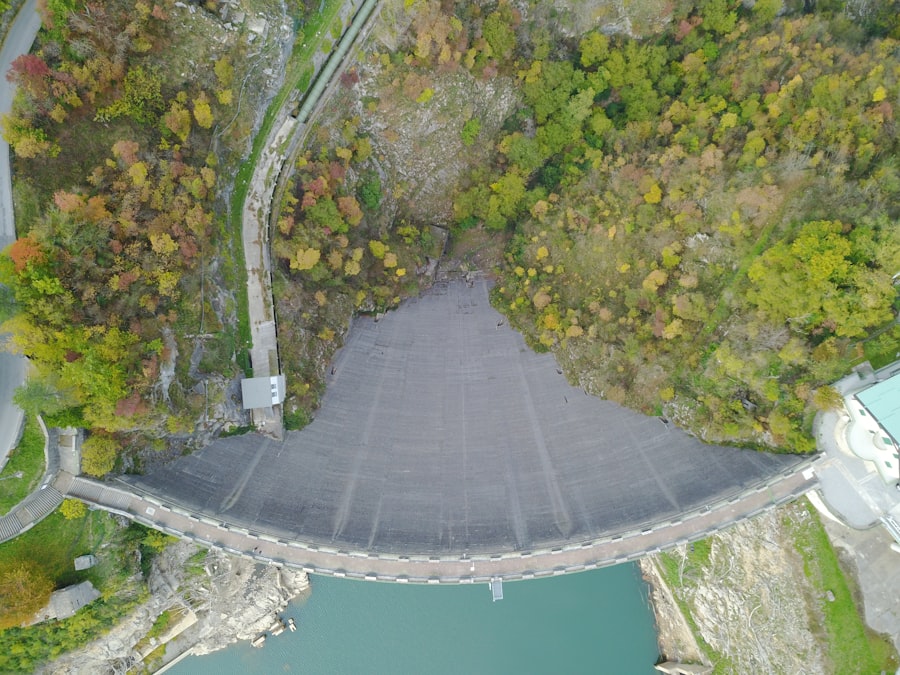
Several factors contributed to the catastrophic failure of the Edenville Dam. One of the primary issues was its inability to handle extreme weather events, which have become increasingly common due to climate change. In May 2020, heavy rainfall led to unprecedented water levels in the reservoir, placing immense pressure on the dam’s structure.
The design of the dam, which had not been updated to account for modern hydrological conditions, proved inadequate in managing such an influx of water. Additionally, a lack of proper maintenance and oversight exacerbated the situation. Over the years, inspections had revealed numerous deficiencies in the dam’s structure, including erosion and deterioration of key components.
However, regulatory agencies failed to enforce timely repairs or upgrades. This negligence created a perfect storm for disaster, as the dam was left vulnerable to failure when it was most needed to protect surrounding communities from flooding.
Impact of the Edenville Dam failure on the surrounding area
| Metric | Value | Description |
|---|---|---|
| Number of Evacuated Residents | 10,000+ | People evacuated from surrounding communities due to flooding risk |
| Area Flooded | Thousands of acres | Land submerged following dam failure and subsequent flooding |
| Homes Damaged or Destroyed | Hundreds | Residential properties impacted by floodwaters |
| Infrastructure Impacted | Roads, bridges, utilities | Critical infrastructure damaged or rendered unusable |
| Environmental Impact | Water contamination, habitat loss | Negative effects on local ecosystems and water quality |
| Economic Impact | Significant disruption to local economy | Losses due to property damage, business closures, and recovery costs |
| Emergency Response Time | Within hours | Time taken to initiate evacuation and emergency services |
The failure of the Edenville Dam had immediate and devastating consequences for the surrounding area. As water surged over the breached structure, it inundated homes, businesses, and infrastructure downstream. Entire neighborhoods were submerged, displacing residents and causing significant property damage.
The economic impact was profound; local businesses faced closures due to flooding, while residents grappled with the loss of their homes and possessions. In addition to physical destruction, the psychological toll on the community was immense. Many residents experienced trauma from witnessing their homes being swept away or damaged beyond repair.
The sense of security that had once accompanied living near a dam turned into fear and uncertainty. Recovery efforts would take months, if not years, as families sought assistance and began to rebuild their lives amidst the chaos left in the wake of the disaster.
Environmental consequences of the Edenville Dam failure
The environmental ramifications of the Edenville Dam failure were significant and far-reaching. The sudden release of water into the Tittabawassee River disrupted local ecosystems, leading to erosion and habitat destruction for various species that relied on stable water levels.
Moreover, contaminants that had accumulated in the reservoir were released into the river system during the flood event. This posed serious risks to water quality and raised concerns about long-term ecological impacts. The sediment disturbed by the floodwaters could have lasting effects on both aquatic life and human health in the region.
As communities began to assess damage and initiate recovery efforts, environmental monitoring became a critical component of understanding and mitigating these consequences.
Response and recovery efforts following the Edenville Dam failure
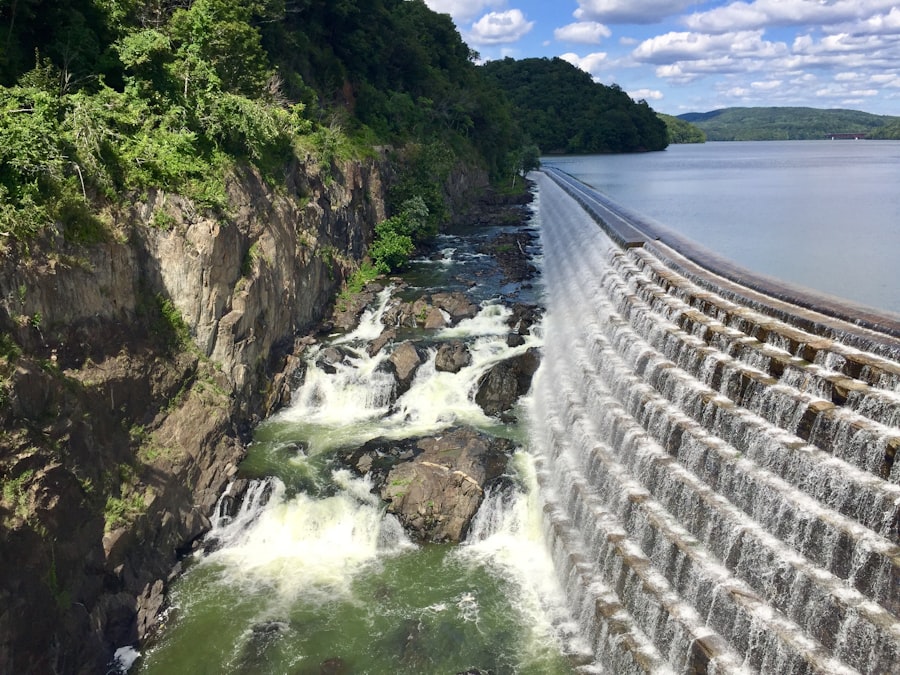
In the aftermath of the Edenville Dam failure, local authorities and emergency response teams mobilized quickly to address immediate needs. Evacuations were carried out to ensure residents’ safety, while shelters were established for those displaced by flooding. Local organizations and volunteers stepped up to provide food, clothing, and other essential supplies to affected families.
As recovery efforts progressed, long-term planning became essential. Government agencies at various levels began assessing damage and determining funding sources for rebuilding infrastructure. Community meetings were held to engage residents in discussions about future safety measures and improvements to prevent similar disasters from occurring again.
The road to recovery was long and arduous, but it also presented an opportunity for communities to come together and advocate for better infrastructure management.
Legal and regulatory implications of the Edenville Dam failure
The failure of the Edenville Dam raised significant legal and regulatory questions regarding accountability and oversight. In the wake of the disaster, lawsuits were filed against various parties involved in its management and maintenance. These legal actions sought to hold responsible those who had neglected their duties in ensuring the dam’s safety over the years.
The incident prompted calls for reforms in how dams are inspected and maintained across Michigan and beyond. Advocates argued that stricter regulations were necessary to prevent future failures and protect communities from similar disasters.
The legal ramifications of this event would likely shape policies related to dam safety for years to come.
Lessons learned from the Edenville Dam failure
The Edenville Dam failure served as a stark reminder of the importance of proactive maintenance and rigorous safety standards for aging infrastructure. One key lesson learned was that regular inspections must be coupled with timely action to address identified deficiencies. Neglecting maintenance can lead to catastrophic consequences that affect not only infrastructure but also entire communities.
Furthermore, this incident underscored the need for comprehensive risk assessments that take into account changing climate conditions. As weather patterns become more unpredictable, it is crucial for dam operators and regulatory agencies to adapt their strategies accordingly. The lessons learned from this disaster can inform future practices in dam management and help prevent similar tragedies from occurring elsewhere.
Comparison to other dam failures
The Edenville Dam failure is not an isolated incident; it shares similarities with other notable dam failures throughout history. For instance, the 1976 Teton Dam failure in Idaho resulted in widespread flooding and loss of life due to inadequate spillway capacity during heavy rainfall. Similarly, both incidents highlight how aging infrastructure can pose significant risks if not properly maintained or upgraded.
Comparing these failures reveals common themes: insufficient oversight, outdated designs, and a lack of preparedness for extreme weather events. Each incident serves as a cautionary tale about the consequences of neglecting infrastructure safety standards. By studying past failures like those at Edenville and Teton dams, stakeholders can better understand how to mitigate risks associated with aging dams across the country.
Future considerations for dam safety and maintenance
Looking ahead, there are several critical considerations for improving dam safety and maintenance practices nationwide. First and foremost is the need for increased funding dedicated to infrastructure upgrades and repairs. Many dams across the United States are nearing or have surpassed their intended lifespan; without adequate resources allocated for maintenance, they remain vulnerable to failure.
Additionally, fostering collaboration between federal, state, and local agencies is essential for effective oversight of dam safety regulations. Establishing clear communication channels can help ensure that concerns are addressed promptly and that best practices are shared among stakeholders involved in dam management. Finally, incorporating advanced technology into monitoring systems can enhance early detection capabilities for potential issues before they escalate into disasters.
Conclusion and outlook for the Edenville Dam
The future of the Edenville Dam remains uncertain as communities continue to grapple with its aftermath. While recovery efforts are underway, there is an urgent need for comprehensive assessments of both physical infrastructure and regulatory frameworks governing dam safety. The lessons learned from this incident must inform future practices not only at Edenville but also across similar structures nationwide.
As society becomes increasingly aware of climate change’s impact on weather patterns, proactive measures must be taken to ensure that dams can withstand extreme conditions. The Edenville Dam serves as both a cautionary tale and an opportunity for growth; by addressing vulnerabilities head-on through improved maintenance practices and regulatory reforms, stakeholders can work towards creating safer environments for communities reliant on these critical structures.
The failure of the Edenville Dam has raised significant concerns regarding infrastructure safety and environmental impact. For a deeper understanding of the implications of such dam failures, you can read a related article that discusses the broader context of dam safety and management practices. Check it out here: My GeoQuest.
WATCH THIS! The $50 Billion Lie: America’s Dams Are About to Fail (60-Minute Documentary)
FAQs
What caused the Edenville Dam failure?
The Edenville Dam failure was primarily caused by structural weaknesses exacerbated by heavy rainfall and flooding, which led to overtopping and subsequent breach of the dam.
When did the Edenville Dam failure occur?
The Edenville Dam failure occurred in May 2020 during a period of intense storms and flooding in Michigan.
Where is the Edenville Dam located?
The Edenville Dam is located in Midland County, Michigan, on the Tittabawassee River.
What were the consequences of the Edenville Dam failure?
The failure resulted in significant downstream flooding, evacuation of thousands of residents, property damage, and environmental impacts to the surrounding areas.
Who owned and operated the Edenville Dam?
The Edenville Dam was owned and operated by Boyce Hydro Power, LLC, a private company responsible for its maintenance and safety.
Was the Edenville Dam inspected before the failure?
Yes, the dam was inspected by state and federal agencies, but concerns about its structural integrity and compliance with safety regulations had been raised prior to the failure.
What actions were taken after the dam failure?
Emergency response efforts included evacuations, flood control measures, and investigations into the cause of the failure. Plans for dam repair or removal have also been discussed.
Can dam failures like Edenville be prevented?
Dam failures can often be prevented through regular maintenance, proper engineering, adherence to safety standards, and timely upgrades to address structural issues.
What lessons were learned from the Edenville Dam failure?
The failure highlighted the importance of rigorous dam safety oversight, the risks of aging infrastructure, and the need for effective emergency preparedness in dam management.
Is the Edenville Dam currently operational?
As of the latest updates, the Edenville Dam remains non-operational pending repairs or reconstruction following the failure.