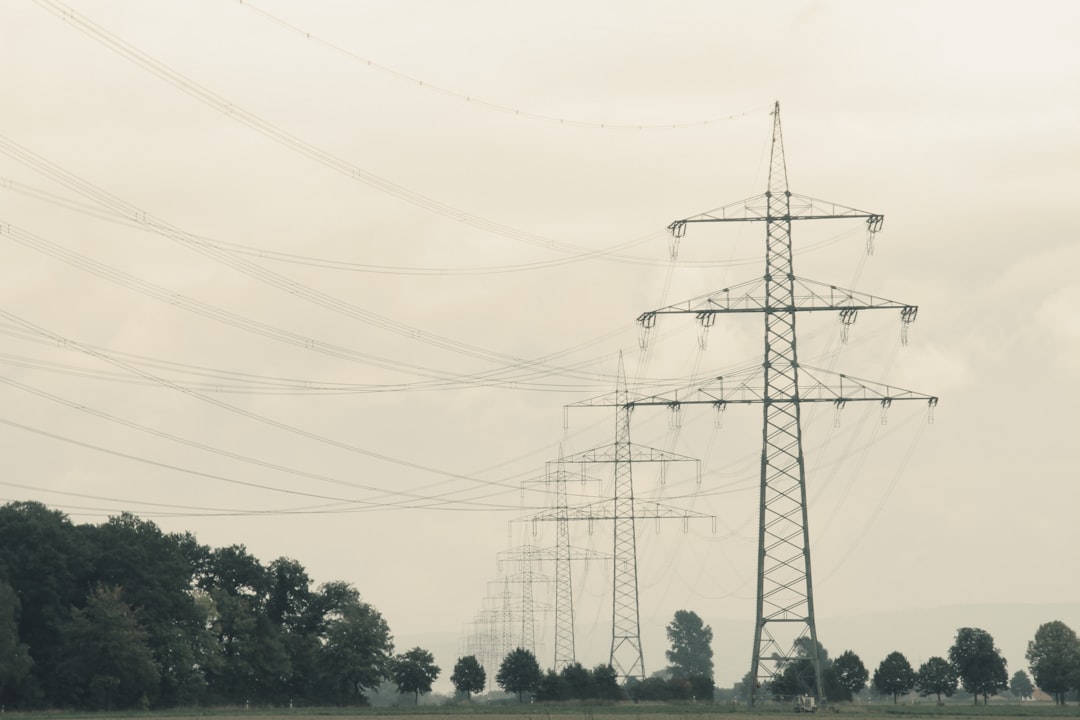
Power grids serve as the backbone of modern civilization, providing the essential electricity that powers homes, businesses, and critical infrastructure. However, the stability of these grids is often threatened by a myriad of factors, leading to potential collapse. A power grid collapse can result in widespread blackouts, economic turmoil, and even loss of life.
Understanding the complexities surrounding power grid stability is crucial for ensuring a reliable energy supply. As the world becomes increasingly dependent on electricity, the need to address vulnerabilities within power systems has never been more pressing. The phenomenon of power grid collapse is not merely a technical issue; it is intertwined with environmental, geological, and meteorological factors.
Natural cycles, such as seasonal changes and solar activity, can significantly impact the performance and reliability of power grids. By examining these influences, stakeholders can better prepare for potential disruptions and develop strategies to enhance grid resilience. This article delves into the various natural cycles that affect power grids, exploring their implications and the importance of proactive management.
Key Takeaways
- Natural cycles and weather patterns significantly influence power grid stability and can trigger collapses.
- Solar flares and geomagnetic storms pose serious risks to power grid infrastructure.
- Earthquakes and volcanic activity can disrupt power grids, highlighting the need for robust design.
- Preparedness, resilience, and advanced technology are crucial for mitigating power grid collapse risks.
- Building a sustainable and resilient power grid system requires integrating natural cycle awareness with modern monitoring tools.
The Impact of Natural Cycles on Power Grids
Natural cycles encompass a range of phenomena that occur over varying timeframes, from daily weather patterns to long-term climatic shifts. These cycles can have profound effects on power generation and distribution systems. For instance, seasonal variations in temperature can lead to increased demand for heating or cooling, placing additional strain on electrical infrastructure.
During peak demand periods, such as summer heatwaves or winter cold snaps, the risk of grid overload becomes heightened, potentially leading to failures. Moreover, natural cycles can also influence the availability of renewable energy sources. Solar and wind energy production is inherently variable, depending on weather conditions and seasonal changes.
For example, solar energy generation peaks during sunny summer months but may dwindle during winter when days are shorter and cloud cover is more prevalent. This variability necessitates careful planning and management to ensure that power grids can accommodate fluctuations in supply and demand without compromising stability.
Understanding the Role of Weather Patterns in Power Grid Collapse
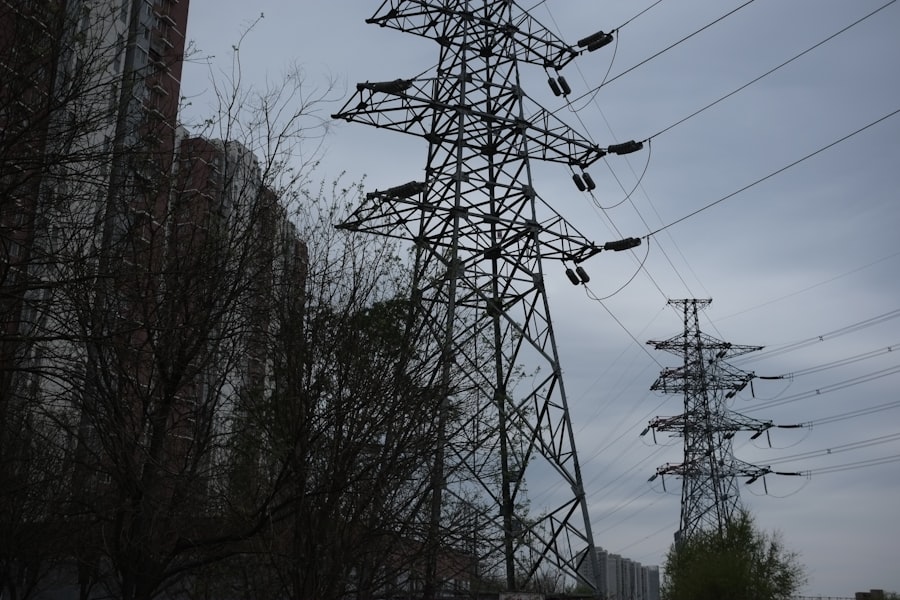
Weather patterns play a pivotal role in the functioning of power grids. Extreme weather events, such as hurricanes, tornadoes, and heavy snowstorms, can cause significant damage to electrical infrastructure. High winds can down power lines, while heavy snowfall can lead to ice accumulation on equipment, resulting in outages.
Additionally, flooding can inundate substations and other critical facilities, further exacerbating the risk of grid failure. Beyond immediate physical damage, weather patterns also influence energy consumption behaviors. For instance, during a heatwave, air conditioning usage surges, leading to increased electricity demand that can strain the grid.
Conversely, during cold snaps, heating requirements spike, creating similar challenges. Understanding these weather-related dynamics is essential for grid operators to implement effective demand response strategies and ensure that adequate resources are available to meet fluctuating needs.
The Influence of Seasonal Changes on Power Grid Stability
| Season | Average Temperature (°C) | Peak Power Demand (MW) | Grid Frequency Stability (%) | Outage Incidents | Renewable Energy Contribution (%) |
|---|---|---|---|---|---|
| Winter | 2 | 8500 | 99.7 | 15 | 25 |
| Spring | 15 | 7200 | 99.9 | 7 | 40 |
| Summer | 28 | 9500 | 99.5 | 20 | 35 |
| Autumn | 12 | 7800 | 99.8 | 10 | 30 |
Seasonal changes bring about distinct challenges for power grid stability. Each season presents unique demands on energy resources that must be managed effectively to prevent disruptions. In winter, for example, increased heating requirements can lead to higher electricity consumption, particularly in regions where electric heating is prevalent.
This surge in demand can strain existing infrastructure if not adequately anticipated. Conversely, summer months often see a rise in electricity usage due to air conditioning and cooling needs. The combination of high temperatures and increased demand can push power grids to their limits.
Seasonal changes also affect the availability of renewable energy sources; for instance, solar energy production is typically lower in winter months when daylight hours are reduced. As such, grid operators must account for these seasonal variations when planning energy generation and distribution strategies.
Exploring the Impact of Solar Flares on Power Grids
Solar flares are bursts of radiation from the sun that can have far-reaching effects on Earth’s magnetic field and atmosphere. These events can disrupt communication systems and pose significant risks to power grids. When solar flares occur, they can induce geomagnetic currents that interfere with electrical systems on Earth.
This interference can lead to voltage fluctuations and even equipment damage if not properly managed. The potential impact of solar flares on power grids has garnered increasing attention as society becomes more reliant on technology. In extreme cases, a significant solar flare could result in widespread blackouts by damaging transformers and other critical components of the electrical infrastructure.
As such, understanding the mechanisms behind solar flares and their potential consequences is vital for developing strategies to protect power grids from these cosmic events.
The Role of Geomagnetic Storms in Power Grid Collapse
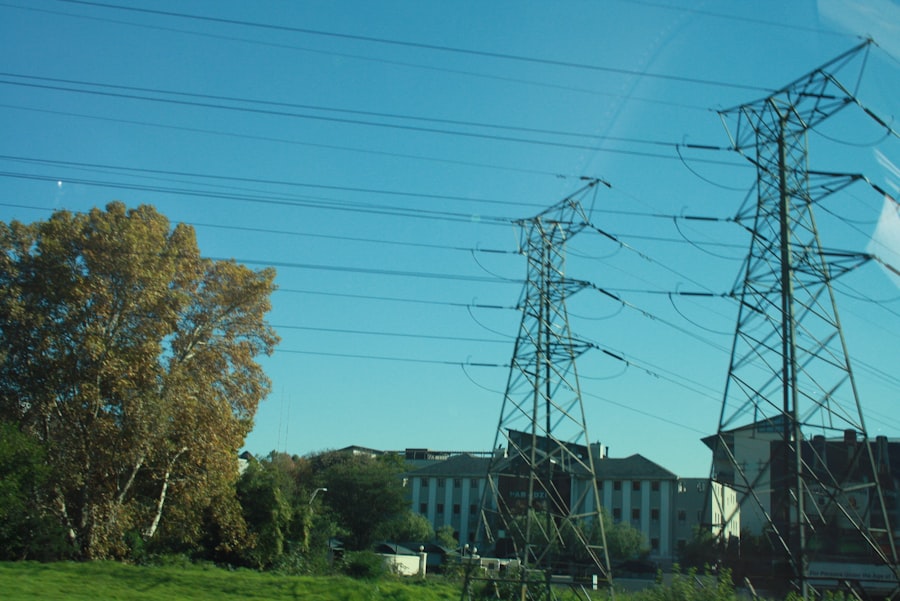
Geomagnetic storms are disturbances in Earth’s magnetic field caused by solar activity, including solar flares and coronal mass ejections. These storms can induce electric currents in power lines and transformers, leading to voltage instability and equipment failure. The severity of geomagnetic storms varies; while some may have minimal impact, others can cause significant disruptions to electrical systems.
The 1989 Quebec blackout serves as a stark reminder of the potential consequences of geomagnetic storms on power grids. A severe geomagnetic storm caused a massive failure in the Quebec power system, leaving millions without electricity for several hours. This incident highlighted the vulnerability of power grids to space weather phenomena and underscored the need for robust monitoring systems to detect geomagnetic activity and mitigate its effects.
Understanding the Effects of Earthquakes and Volcanic Activity on Power Grids
Natural disasters such as earthquakes and volcanic eruptions pose additional threats to power grid stability. Earthquakes can cause physical damage to infrastructure, including power lines, substations, and generation facilities. The shaking ground can lead to downed lines and damaged equipment, resulting in widespread outages that may take days or weeks to repair.
Volcanic activity also presents unique challenges for power grids. Ash clouds can disrupt air travel and damage electrical equipment through deposition on surfaces. Additionally, volcanic eruptions may trigger landslides or tsunamis that further threaten electrical infrastructure located near coastlines or mountainous regions.
Understanding these geological risks is essential for developing contingency plans that ensure rapid recovery from such disasters.
The Importance of Preparedness and Resilience in Power Grid Management
Preparedness and resilience are critical components of effective power grid management. As natural cycles continue to evolve due to climate change and other factors, grid operators must adopt proactive measures to enhance system reliability. This includes investing in infrastructure upgrades that can withstand extreme weather events and implementing advanced monitoring technologies that provide real-time data on grid performance.
Moreover, fostering collaboration among stakeholders—such as government agencies, utility companies, and emergency response teams—is essential for developing comprehensive preparedness plans. By conducting regular drills and simulations, stakeholders can identify vulnerabilities within the system and refine their response strategies accordingly. Building a resilient power grid requires a multifaceted approach that prioritizes both immediate response capabilities and long-term sustainability.
Mitigating the Risks of Power Grid Collapse in Natural Cycles
Mitigating the risks associated with power grid collapse necessitates a thorough understanding of natural cycles and their impacts on electrical systems. One effective strategy involves diversifying energy sources to reduce reliance on any single type of generation.
Additionally, investing in energy storage technologies can help balance supply and demand during peak periods or when renewable generation is low. Battery storage systems allow excess energy generated during low-demand periods to be stored for later use when demand surges. This capability not only stabilizes the grid but also reduces the likelihood of outages during extreme weather events or other disruptions.
The Role of Technology in Monitoring and Protecting Power Grids
Advancements in technology play a crucial role in enhancing the monitoring and protection of power grids against potential collapse. Smart grid technologies enable real-time data collection and analysis, allowing operators to identify issues before they escalate into major problems. These systems facilitate better communication between different components of the grid, improving overall efficiency and reliability.
Furthermore, predictive analytics powered by artificial intelligence can help forecast demand patterns based on historical data and current conditions. By anticipating fluctuations in electricity usage due to weather changes or other factors, operators can make informed decisions about resource allocation and grid management. Embracing technological innovations is essential for building a more resilient power grid capable of withstanding the challenges posed by natural cycles.
Building a Sustainable and Resilient Power Grid System
In conclusion, the stability of power grids is intricately linked to various natural cycles that influence their performance. From seasonal changes to solar flares and geomagnetic storms, understanding these factors is vital for ensuring reliable electricity supply in an increasingly complex world. As society continues to evolve alongside technological advancements, it becomes imperative for stakeholders to prioritize preparedness and resilience in power grid management.
By investing in infrastructure upgrades, diversifying energy sources, and leveraging technology for monitoring and predictive analytics, stakeholders can mitigate risks associated with power grid collapse. Building a sustainable and resilient power grid system requires collaboration among all parties involved—government agencies, utility companies, researchers, and communities alike—to create a future where reliable electricity remains accessible even amidst the challenges posed by natural cycles.
The stability of power grids is increasingly threatened by natural cycles, such as solar activity and climate change, which can lead to significant disruptions. For a deeper understanding of how these natural phenomena can impact energy infrastructure, you can read more in this related article on the topic. Check it out here: mygeoquest.
com/sample-page/’>Natural Cycles and Power Grid Resilience.
WATCH THIS! The $500 Billion Bet: Why America’s Biggest Dam Is Guaranteed to Fail
FAQs
What is a power grid collapse?
A power grid collapse occurs when a significant portion of an electrical power system fails, leading to widespread outages and disruption of electricity supply.
How can natural cycles contribute to power grid collapse?
Natural cycles such as seasonal weather changes, solar activity, and climate patterns can impact power demand and supply, potentially stressing the grid and increasing the risk of collapse.
What are some examples of natural cycles affecting power grids?
Examples include heatwaves causing high electricity demand for cooling, cold spells increasing heating needs, and solar storms disrupting electrical infrastructure.
Can natural disasters cause power grid collapse?
Yes, natural disasters like hurricanes, earthquakes, and floods can damage power infrastructure and lead to grid failures.
Is power grid collapse solely caused by natural cycles?
No, power grid collapse can result from a combination of factors including equipment failure, human error, cyberattacks, and natural cycles.
How do power grids adapt to natural cycles?
Power grids use forecasting, demand management, infrastructure upgrades, and integration of renewable energy sources to adapt to natural cycles and maintain stability.
What measures are taken to prevent power grid collapse during extreme natural events?
Measures include grid hardening, emergency response planning, real-time monitoring, and deploying backup power systems.
Are power grid collapses becoming more frequent due to natural cycles?
While natural cycles continue to influence grid stability, factors like climate change and increased demand may contribute to more frequent or severe grid disruptions.
How can consumers prepare for power grid collapse related to natural cycles?
Consumers can prepare by having emergency supplies, backup power options, and staying informed about weather and grid conditions.
What role does renewable energy play in relation to natural cycles and power grid stability?
Renewable energy sources like solar and wind are influenced by natural cycles but can enhance grid resilience when combined with energy storage and smart grid technologies.