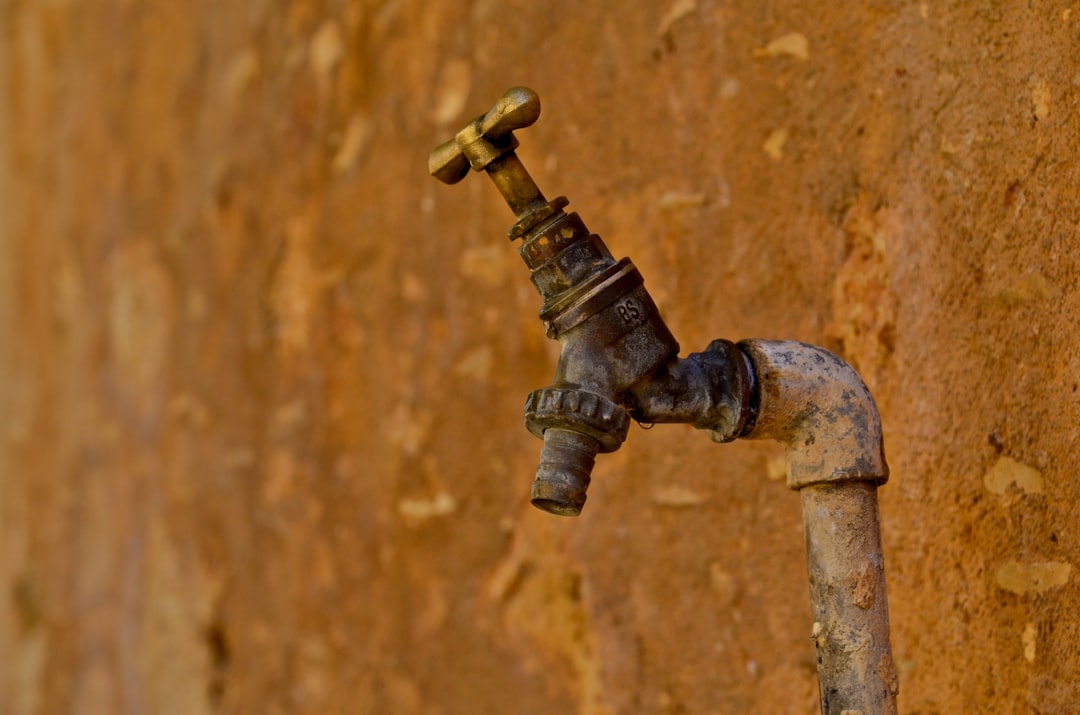
Non-Revenue Water (NRW) refers to the water that is produced by a water utility but does not generate any revenue. This phenomenon encompasses various forms of water loss, including physical losses due to leaks in the distribution system, as well as administrative losses stemming from issues such as metering inaccuracies, billing errors, and uncollected payments. Essentially, NRW represents a significant inefficiency in water management, where resources are expended to produce water that ultimately does not contribute to the utility’s income.
The implications of NRW extend beyond mere financial losses for water utilities. It also raises concerns about sustainability and resource management. As global water scarcity becomes an increasingly pressing issue, the need to optimize existing water supplies is paramount.
Non-Revenue Water not only signifies wasted resources but also highlights the challenges faced by utilities in maintaining infrastructure and ensuring equitable access to clean water for all consumers.
Key Takeaways
- Non-Revenue Water Loss refers to water that is produced but not billed due to leaks, theft, or metering inaccuracies.
- It significantly impacts water utilities by causing financial losses and reducing water availability.
- Identifying and measuring the causes of water loss is essential for effective management and reduction.
- Technology and stakeholder collaboration play crucial roles in detecting, managing, and reducing water loss.
- Reducing Non-Revenue Water Loss offers economic savings, environmental benefits, and supports sustainable water management.
The Impact of Non-Revenue Water Loss on Water Utilities
The impact of Non-Revenue Water on water utilities is multifaceted and profound. Financially, high levels of NRW can lead to significant revenue shortfalls, which in turn affect the utility’s ability to invest in infrastructure improvements and maintenance. When a substantial portion of produced water does not translate into income, utilities may struggle to cover operational costs, leading to a cycle of underinvestment and deteriorating service quality.
This financial strain can ultimately result in higher rates for consumers as utilities attempt to recoup losses. Moreover, the operational efficiency of water utilities is compromised by NRW. High levels of water loss can indicate systemic issues within the distribution network, such as aging infrastructure or inadequate maintenance practices.
This not only affects the reliability of water supply but can also lead to increased pressure on existing resources, exacerbating the challenges of meeting demand. As utilities grapple with these issues, they may find themselves in a reactive mode, focusing on immediate repairs rather than proactive strategies for long-term sustainability.
Identifying the Causes of Non-Revenue Water Loss
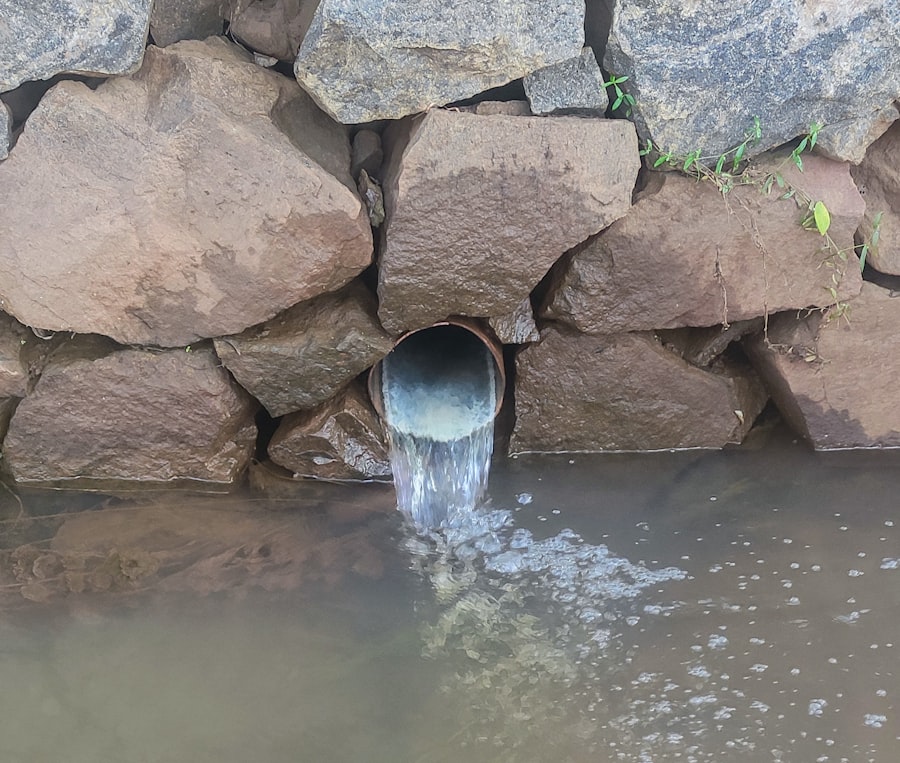
Identifying the causes of Non-Revenue Water loss is crucial for developing effective mitigation strategies. The sources of NRW can be broadly categorized into two main types: physical losses and administrative losses. Physical losses typically arise from leaks in pipes, joints, and fittings within the distribution network.
Aging infrastructure is often a significant contributor to these leaks, as older materials are more prone to failure. Additionally, factors such as ground movement, temperature fluctuations, and external damage can exacerbate these issues. On the other hand, administrative losses stem from inefficiencies in the management processes of water utilities.
These may include inaccuracies in metering, where water consumption is either overestimated or underestimated due to faulty equipment or improper installation. Billing errors can also contribute to NRW, as customers may not receive accurate invoices for their usage. Furthermore, uncollected payments from customers who do not pay their bills can lead to significant revenue losses.
Understanding these causes is essential for utilities aiming to implement targeted interventions that address both physical and administrative aspects of NRW.
Measuring Non-Revenue Water Loss
| Metric | Description | Unit | Typical Range | Measurement Method |
|---|---|---|---|---|
| Non-Revenue Water (NRW) | Volume of water produced but not billed due to losses and unauthorized consumption | Percentage (%) | 20% – 50% | Water balance analysis |
| Apparent Losses | Water lost due to unauthorized consumption, metering inaccuracies, and data handling errors | Percentage (%) | 5% – 15% | Customer meter testing and audit |
| Real Losses | Physical losses from leaks, bursts, and overflows in the distribution system | Percentage (%) | 10% – 35% | Leak detection and pressure management |
| Infrastructure Leakage Index (ILI) | Ratio of current real losses to unavoidable real losses | Dimensionless | 1.0 – 5.0 | Leakage assessment models |
| Unavoidable Real Losses (URL) | Minimum technically achievable leakage under current system conditions | Liters per connection per day (L/conn/day) | 1 – 5 L/conn/day | Hydraulic modeling and system assessment |
| Water Produced | Total volume of water supplied to the distribution system | Cubic meters (m³) | Varies by system size | Production meter readings |
| Billed Authorized Consumption | Volume of water billed to customers | Cubic meters (m³) | Varies by system size | Customer meter readings |
Measuring Non-Revenue Water loss is a critical step in understanding its scope and impact on water utilities. Various methodologies exist for quantifying NRW, with the most common approach being the calculation of the difference between the total volume of water produced and the volume that is billed to customers. This calculation provides a clear picture of how much water is lost or unaccounted for within the system.
Utilities often employ advanced metering technologies and data analytics to enhance their measurement capabilities. By utilizing smart meters and real-time monitoring systems, they can gain insights into consumption patterns and identify anomalies that may indicate leaks or other issues within the distribution network. Additionally, regular audits and assessments of infrastructure can help pinpoint areas where physical losses are occurring.
Accurate measurement is essential not only for identifying the extent of NRW but also for tracking progress over time as utilities implement strategies to reduce these losses.
Strategies for Reducing Non-Revenue Water Loss
To effectively reduce Non-Revenue Water loss, utilities must adopt a comprehensive approach that addresses both physical and administrative challenges. One key strategy involves investing in infrastructure upgrades and maintenance programs aimed at repairing or replacing aging pipes and fittings. By prioritizing areas with high leakage rates, utilities can significantly reduce physical losses and improve overall system efficiency.
In addition to infrastructure improvements, enhancing administrative processes is equally important. Implementing robust metering systems that utilize advanced technology can help ensure accurate billing and reduce discrepancies between produced and billed water volumes. Training staff on best practices for customer service and billing management can also contribute to minimizing administrative losses.
Furthermore, engaging with customers to promote timely payments and address billing concerns can foster a culture of accountability and support revenue generation.
The Role of Technology in Addressing Non-Revenue Water Loss

Technology plays a pivotal role in addressing Non-Revenue Water loss by providing utilities with innovative tools and solutions for monitoring, measuring, and managing their water distribution systems. Smart metering technologies have revolutionized how utilities collect data on water usage, enabling real-time monitoring that allows for quicker identification of leaks or irregularities in consumption patterns. These systems not only enhance accuracy but also empower consumers with information about their usage habits.
Moreover, Geographic Information Systems (GIS) have become invaluable in mapping out distribution networks and identifying areas prone to leaks or inefficiencies. By visualizing data spatially, utilities can prioritize maintenance efforts and allocate resources more effectively. Additionally, predictive analytics powered by artificial intelligence can help forecast potential issues before they escalate into significant problems, allowing for proactive maintenance strategies that minimize NRW.
The Economic and Environmental Benefits of Reducing Non-Revenue Water Loss
Reducing Non-Revenue Water loss yields substantial economic benefits for water utilities and communities alike. By minimizing water loss, utilities can enhance their revenue streams, allowing them to reinvest in infrastructure improvements and service enhancements.
From an environmental perspective, reducing NRW contributes to more sustainable water resource management. By optimizing existing supplies, utilities can alleviate pressure on freshwater sources and reduce the need for costly new infrastructure projects aimed at increasing supply capacity. Furthermore, minimizing water loss helps protect ecosystems that rely on stable water levels, promoting biodiversity and overall environmental health.
Case Studies of Successful Non-Revenue Water Loss Reduction
Numerous case studies illustrate successful initiatives aimed at reducing Non-Revenue Water loss across various regions. For instance, a prominent utility in Singapore implemented a comprehensive NRW reduction program that included advanced metering technologies and proactive leak detection methods. As a result, they achieved a remarkable reduction in NRW from over 15% to below 5% within a few years, significantly enhancing their operational efficiency and financial stability.
Another notable example comes from a utility in Brazil that adopted a community engagement approach alongside technological upgrades. By involving local residents in monitoring efforts and promoting awareness about water conservation, they were able to foster a sense of ownership among consumers while simultaneously reducing NRW levels by over 20%. These case studies highlight the importance of tailored strategies that consider local contexts and engage stakeholders effectively.
The Importance of Stakeholder Collaboration in Addressing Non-Revenue Water Loss
Addressing Non-Revenue Water loss requires collaboration among various stakeholders, including government agencies, utility companies, community organizations, and consumers themselves. Each party plays a vital role in creating an environment conducive to effective NRW management. For instance, government support through policy frameworks and funding initiatives can empower utilities to invest in necessary infrastructure upgrades.
Community engagement is equally crucial; when consumers are informed about the importance of reducing NRW and actively participate in conservation efforts, it fosters a culture of accountability that benefits everyone involved. Collaborative partnerships can also facilitate knowledge sharing among utilities facing similar challenges, enabling them to learn from one another’s successes and failures.
Regulatory and Policy Considerations for Non-Revenue Water Loss Reduction
Regulatory frameworks play a significant role in shaping how utilities approach Non-Revenue Water loss reduction. Policymakers must establish clear guidelines that incentivize efficient water management practices while holding utilities accountable for their performance. This may include setting targets for NRW reduction or providing financial incentives for investments in technology and infrastructure improvements.
Additionally, regulations should encourage transparency in reporting NRW levels and promote public awareness about the issue.
The Future of Non-Revenue Water Loss Management
The future of Non-Revenue Water loss management lies in continued innovation and collaboration among stakeholders at all levels. As technology advances, utilities will have access to increasingly sophisticated tools for monitoring and managing their distribution networks. The integration of smart technologies will likely become standard practice, enabling real-time data analysis that informs decision-making processes.
Moreover, as global awareness of water scarcity grows, there will be heightened pressure on utilities to adopt sustainable practices that prioritize resource conservation. This shift will necessitate ongoing investment in infrastructure improvements and community engagement initiatives aimed at fostering responsible water use among consumers. Ultimately, the future landscape of NRW management will be characterized by a proactive approach that emphasizes efficiency, sustainability, and collaboration across all sectors involved in water management.
Non-revenue water loss is a critical issue for water utilities, as it represents the difference between the water produced and the water that is billed to customers. This loss can occur due to various factors, including leaks, meter inaccuracies, and unauthorized consumption. For a deeper understanding of the implications and management strategies related to non-revenue water, you can read more in this related article on