
The Great Lakes Compact, established in 2008, represents a significant collaborative effort among the eight states bordering the Great Lakes—Minnesota, Wisconsin, Illinois, Indiana, Michigan, Ohio, Pennsylvania, and New York—as well as the Canadian province of Ontario. This legally binding agreement was designed to protect the vast freshwater resources of the Great Lakes from over-extraction and diversion, ensuring sustainable management of this vital ecosystem. The Compact arose from growing concerns about water scarcity and the potential for large-scale diversions of water outside the Great Lakes basin, which could threaten the ecological balance and the livelihoods of millions who depend on these waters.
The Compact is not merely a regulatory framework; it embodies a commitment to cooperative governance and environmental stewardship. By establishing a unified approach to water management, the Compact aims to safeguard the Great Lakes for future generations while balancing economic interests and environmental protection. The agreement includes provisions for water conservation, restoration of natural habitats, and the promotion of sustainable practices among the states involved.
As such, it serves as a model for regional cooperation in resource management, highlighting the importance of collective action in addressing shared environmental challenges.
Key Takeaways
- The Great Lakes Compact is a legally binding agreement among the Great Lakes states to manage and protect the water resources of the Great Lakes.
- The Compact contains loopholes that allow for certain types of water diversions and withdrawals, potentially undermining its effectiveness in preserving the Great Lakes.
- The definition of diversion in the Compact is crucial in determining what activities are allowed and what are prohibited in terms of water usage.
- There are exceptions to the diversion ban in the Compact, such as for communities located within the Great Lakes basin and for certain types of water usage.
- The exemptions in the Compact can have a significant impact on the overall effectiveness of the agreement in protecting the Great Lakes from overuse and depletion.
Overview of the Great Lakes Compact Loopholes
Despite its noble intentions, the Great Lakes Compact is not without its flaws.
One of the most significant concerns is the ambiguity surrounding certain definitions and terms within the Compact itself.
For instance, what constitutes a “diversion” can be interpreted in various ways, leading to potential exploitation by entities seeking to extract water for commercial purposes. This lack of clarity can create opportunities for circumvention of the Compact’s restrictions, allowing for practices that may not align with its original goals. Moreover, some states have been accused of lax enforcement of the Compact’s provisions.
The decentralized nature of governance among the states means that compliance can vary significantly from one jurisdiction to another. This inconsistency can lead to situations where certain states may prioritize economic development over environmental protection, potentially allowing for increased water extraction that could harm the Great Lakes ecosystem. As a result, stakeholders are increasingly calling for a more robust framework to address these loopholes and ensure that the Compact fulfills its intended purpose.
Understanding the Definition of Diversion in the Compact

To fully grasp the implications of the Great Lakes Compact, it is essential to understand how “diversion” is defined within its context. The Compact explicitly prohibits any diversion of water from the Great Lakes basin, with specific exceptions outlined for certain circumstances. However, the language used in defining diversion can be somewhat vague, leading to differing interpretations among stakeholders.
For example, while some may view temporary water transfers for emergency situations as acceptable diversions, others argue that any removal of water from the basin should be strictly regulated. This ambiguity raises critical questions about what constitutes a legitimate use of water resources versus what might be considered an exploitative diversion. The lack of a clear and universally accepted definition can create challenges in enforcement and compliance monitoring.
As various entities—ranging from municipalities to industries—seek to utilize Great Lakes water for their needs, understanding this definition becomes paramount in ensuring that all actions align with the Compact’s overarching goals of conservation and sustainability.
Examining the Exceptions to the Diversion Ban
| Exception | Description |
|---|---|
| Medical necessity | Allows diversion of controlled substances when medically necessary for a specific patient. |
| DEA-approved research | Permits diversion for research purposes approved by the Drug Enforcement Administration. |
| Pharmaceutical manufacturing | Allows diversion for the production of pharmaceutical drugs under strict regulations. |
| Import/export | Permits diversion for the import or export of controlled substances under certain conditions. |
While the Great Lakes Compact imposes a strict ban on diversions, it does allow for certain exceptions that warrant careful examination. These exceptions are primarily designed to accommodate specific needs that may arise within the basin’s communities. For instance, communities located within counties that straddle the Great Lakes basin may be permitted to draw water from outside the basin under certain conditions.
This provision aims to address local needs while still adhering to the overall intent of protecting the Great Lakes. However, these exceptions can also be a double-edged sword. Critics argue that they may open doors for potential abuse or misinterpretation, leading to increased pressure on water resources.
The challenge lies in ensuring that any exceptions granted do not compromise the integrity of the Compact or lead to unsustainable practices. As such, ongoing dialogue among stakeholders is essential to navigate these complexities and ensure that exceptions are applied judiciously and transparently.
Analyzing the Impact of Exemptions on the Compact
The impact of exemptions on the Great Lakes Compact cannot be understated. While they are intended to provide flexibility in addressing local needs, they also pose risks to the overall health of the Great Lakes ecosystem. For instance, if exemptions are granted too liberally or without stringent oversight, they could lead to increased water extraction that undermines conservation efforts.
This potential for over-extraction raises concerns about long-term sustainability and ecological balance within the basin. Furthermore, exemptions can create disparities among states and communities regarding access to water resources. Some areas may benefit from more lenient interpretations of exemptions, while others may face stricter regulations.
This inconsistency can foster resentment among stakeholders and complicate collaborative efforts aimed at protecting the Great Lakes. To mitigate these risks, it is crucial for decision-makers to engage in transparent discussions about exemptions and their implications for both local communities and the broader ecosystem.
Exploring the Role of the Regional Body in Managing the Compact
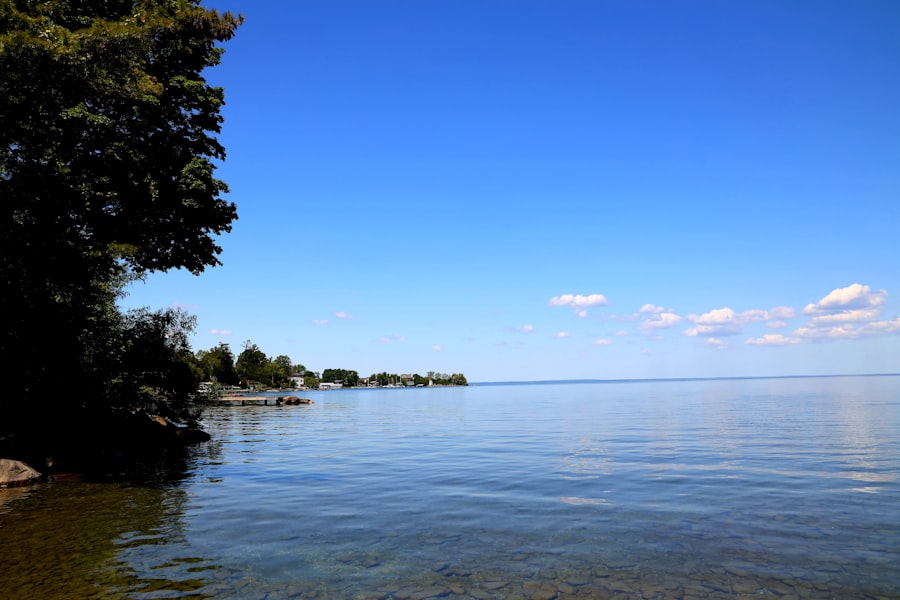
The management of the Great Lakes Compact is overseen by a regional body composed of representatives from each member state and province. This body plays a critical role in ensuring compliance with the Compact’s provisions and facilitating communication among stakeholders. By serving as a central authority, it helps coordinate efforts to monitor water usage, assess compliance with regulations, and address any emerging challenges related to water management.
However, the effectiveness of this regional body is contingent upon its ability to operate transparently and inclusively. Stakeholders must feel confident that their voices are heard and that their concerns are taken seriously in decision-making processes. Additionally, adequate resources must be allocated to support monitoring and enforcement efforts.
Without a strong regional body equipped with both authority and accountability, the goals of the Great Lakes Compact may remain unfulfilled.
Addressing Potential Challenges to the Compact’s Effectiveness
As with any regulatory framework, challenges to the effectiveness of the Great Lakes Compact abound. One significant challenge is climate change, which poses threats to water levels and quality within the Great Lakes basin. Fluctuating precipitation patterns and increased evaporation rates can alter hydrological dynamics, potentially exacerbating tensions over water usage among states and communities.
The Compact must adapt to these changing conditions by incorporating climate resilience strategies into its management practices. Another challenge lies in balancing economic development with environmental protection. As populations grow and industries expand within the basin, demands for water resources will likely increase.
Striking a balance between meeting these demands and preserving the ecological integrity of the Great Lakes will require innovative solutions and collaborative approaches among stakeholders. Addressing these challenges head-on will be essential for ensuring that the Compact remains relevant and effective in safeguarding this precious resource.
Evaluating the Role of Public Participation in Compact Decision-Making
Public participation is a cornerstone of effective governance under the Great Lakes Compact. Engaging citizens in decision-making processes fosters transparency and accountability while ensuring that diverse perspectives are considered in shaping policies related to water management. By involving local communities, environmental organizations, and other stakeholders in discussions about water usage and conservation efforts, decision-makers can better understand public concerns and priorities.
However, meaningful public participation requires more than just opportunities for input; it necessitates genuine engagement and responsiveness from decision-makers. Stakeholders must feel empowered to voice their opinions and see their feedback reflected in policy outcomes. Building trust between authorities and communities is crucial for fostering a collaborative atmosphere where all parties work together toward shared goals related to protecting the Great Lakes.
Discussing the Importance of Monitoring and Reporting in the Compact
Monitoring and reporting mechanisms are vital components of ensuring compliance with the Great Lakes Compact’s provisions. Regular assessments of water usage, quality, and ecological health provide essential data that inform decision-making processes and help identify emerging issues before they escalate into crises. By establishing robust monitoring frameworks, stakeholders can track progress toward sustainability goals while holding each other accountable for their commitments under the Compact.
Moreover, transparent reporting practices enhance public trust in governance processes related to water management. When stakeholders have access to accurate information about water usage trends and conservation efforts, they are better equipped to engage in informed discussions about policy decisions affecting their communities.
Examining the Potential for Future Amendments to the Compact
As environmental conditions evolve and new challenges emerge, there may be a need for future amendments to the Great Lakes Compact. Stakeholders must remain vigilant in assessing whether existing provisions adequately address contemporary issues such as climate change impacts or shifts in population dynamics within basin communities. The ability to adapt through amendments will be crucial for maintaining relevance and effectiveness over time.
However, amending a legally binding agreement like the Compact requires careful consideration and consensus among member states and provinces. Engaging stakeholders throughout this process will be essential for ensuring that any proposed changes reflect collective priorities while safeguarding ecological integrity. By fostering an adaptive governance framework that embraces change when necessary, stakeholders can work together toward a sustainable future for the Great Lakes.
Conclusion and the Future of the Great Lakes Compact
The future of the Great Lakes Compact hinges on its ability to navigate complex challenges while remaining true to its foundational goals of conservation and sustainable management. As pressures on water resources continue to mount due to climate change, population growth, and economic development demands, stakeholders must collaborate effectively to uphold their commitments under this vital agreement. By addressing loopholes, enhancing public participation, strengthening monitoring practices, and remaining open to necessary amendments, stakeholders can ensure that the Great Lakes remain protected for generations to come.
The Compact serves as both a legal framework and a symbol of regional cooperation—a testament to what can be achieved when communities come together with a shared vision for preserving one of North America’s most precious natural resources.
The Great Lakes Compact is a crucial agreement aimed at protecting the water resources of the Great Lakes region, but there are concerns about potential loopholes that could undermine its effectiveness. For a deeper understanding of these issues, you can read the article that explains the various loopholes in detail. Check it out here: Great Lakes Compact Loopholes Explained.
WATCH THIS! The Great Lakes Are Dying: The $6 Trillion Lie That’s Killing America’s Water
FAQs
What is the Great Lakes Compact?
The Great Lakes Compact is a legally binding agreement among the eight Great Lakes states (Illinois, Indiana, Michigan, Minnesota, New York, Ohio, Pennsylvania, and Wisconsin) and the Canadian province of Ontario. It aims to protect the Great Lakes and prevent the diversion of water outside of the basin.
What are the loopholes in the Great Lakes Compact?
Loopholes in the Great Lakes Compact refer to potential gaps or weaknesses in the agreement that could allow for the diversion or withdrawal of water from the Great Lakes basin, contrary to the intended purpose of the compact.
What are some examples of loopholes in the Great Lakes Compact?
Examples of loopholes in the Great Lakes Compact include exemptions for certain types of water withdrawals, such as for agricultural or industrial purposes, as well as potential loopholes related to groundwater pumping and interbasin transfers.
How do these loopholes impact the protection of the Great Lakes?
These loopholes could potentially undermine the overall goal of protecting the Great Lakes from excessive water withdrawals and diversions, leading to potential environmental and ecological impacts on the Great Lakes basin.
What efforts are being made to address these loopholes?
Efforts are being made by various stakeholders, including environmental organizations, policymakers, and legal experts, to address and close these loopholes in the Great Lakes Compact through legislative and regulatory measures.