
Environmental DNA, commonly referred to as eDNA, represents a groundbreaking approach in the field of ecological research and biodiversity monitoring. It encompasses genetic material that organisms shed into their environment, which can be collected from various substrates such as soil, water, or sediment. This genetic material can include skin cells, feces, or even reproductive materials, providing a non-invasive means to assess the presence of species in a given habitat.
The analysis of eDNA allows researchers to identify species without the need for direct observation or capture, making it a powerful tool for studying biodiversity and ecosystem health. The methodology behind eDNA sampling is relatively straightforward. Researchers collect samples from the environment and then extract the DNA present in those samples.
Advanced techniques such as polymerase chain reaction (PCR) are employed to amplify specific genetic markers, enabling scientists to detect even trace amounts of DNThis innovative approach has revolutionized the way ecologists study species distributions and population dynamics, particularly in aquatic environments where traditional monitoring methods can be challenging and resource-intensive.
Key Takeaways
- eDNA is genetic material shed by organisms into the environment, providing a non-invasive way to monitor species presence and abundance.
- Carp play a crucial role in aquatic ecosystems, impacting water quality, vegetation, and other species.
- eDNA is used to study carp populations by collecting water samples and analyzing genetic material to detect their presence.
- Using eDNA for carp monitoring offers advantages such as cost-effectiveness, sensitivity, and early detection capabilities.
- Challenges of using eDNA for carp monitoring include potential contamination, degradation of genetic material, and data interpretation complexities.
The Importance of Carp in Aquatic Ecosystems
Carp, particularly species such as the common carp (Cyprinus carpio), play a significant role in aquatic ecosystems. As omnivorous fish, they contribute to nutrient cycling and energy flow within their habitats. Carp feed on a variety of food sources, including algae, detritus, and invertebrates, which can influence the structure of aquatic communities.
Their feeding habits can help control algal blooms and promote the growth of submerged vegetation, which is essential for maintaining healthy ecosystems. However, the ecological role of carp is complex and can vary depending on their population density and the specific characteristics of the ecosystem they inhabit. In some cases, carp can enhance biodiversity by creating habitats for other species through their foraging activities.
Conversely, when introduced into non-native environments, carp can become invasive, leading to significant ecological disruptions. Understanding the dual nature of carp’s role in ecosystems is crucial for effective management strategies.
How eDNA is Used to Study Carp Populations
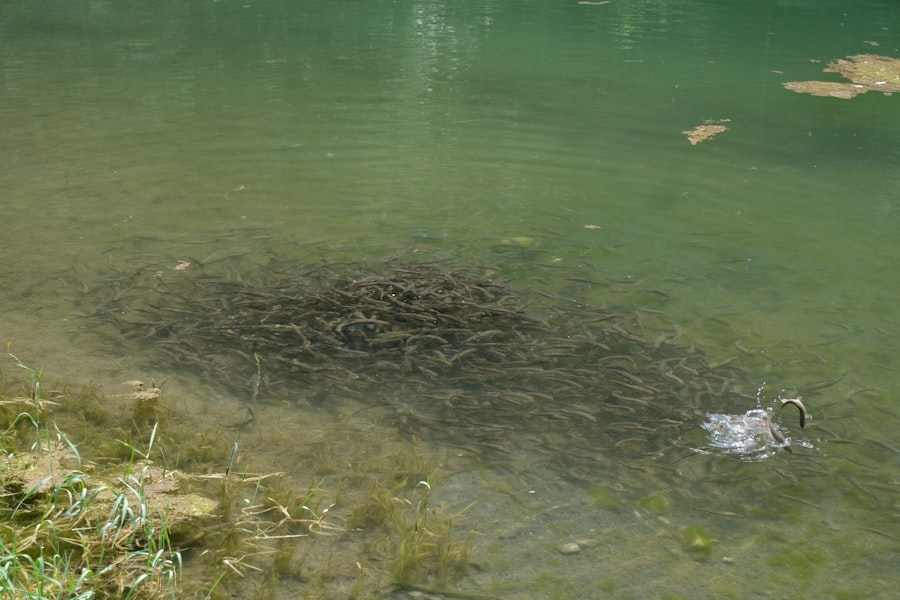
The application of eDNA technology in studying carp populations has opened new avenues for researchers seeking to understand their distribution and abundance. By collecting water samples from various locations within a water body, scientists can analyze the eDNA present to determine whether carp are present and estimate their population size. This method allows for rapid assessments across large areas, providing a comprehensive picture of carp distribution without the need for extensive netting or trapping.
Moreover, eDNA analysis can reveal insights into the genetic diversity of carp populations. By examining variations in genetic markers, researchers can assess the health and resilience of these populations. This information is vital for conservation efforts and management practices aimed at maintaining balanced aquatic ecosystems.
The ability to monitor carp populations through eDNA not only enhances scientific understanding but also informs policy decisions regarding fisheries management and habitat restoration.
The Advantages of Using eDNA for Carp Monitoring
| Advantages of Using eDNA for Carp Monitoring |
|---|
| 1. Non-invasive method |
| 2. High sensitivity |
| 3. Cost-effective |
| 4. Time-efficient |
| 5. Wide spatial coverage |
One of the primary advantages of using eDNA for monitoring carp populations is its non-invasive nature. Traditional methods often involve capturing fish, which can be stressful for the organisms and may alter their behavior or distribution patterns. In contrast, eDNA sampling allows researchers to gather critical data without disturbing the aquatic environment or its inhabitants.
This approach is particularly beneficial in sensitive habitats where minimizing human impact is essential. Additionally, eDNA sampling is often more cost-effective and time-efficient than traditional monitoring methods. Collecting water samples requires less manpower and equipment compared to netting or trapping fish.
Furthermore, eDNA analysis can yield results more quickly, enabling timely decision-making in management practices. The ability to conduct large-scale surveys with relative ease makes eDNA an invaluable tool for researchers and conservationists working to understand and manage carp populations effectively.
The Challenges of Using eDNA for Carp Monitoring
Despite its many advantages, the use of eDNA for monitoring carp populations is not without challenges. One significant issue is the potential for environmental factors to influence the degradation of eDNA in aquatic environments. Factors such as temperature, UV exposure, and microbial activity can affect the persistence of DNA in water samples, leading to variability in detection rates.
Researchers must carefully consider these factors when designing studies and interpreting results. Another challenge lies in distinguishing between closely related species or different populations within the same species using eDNA analysis. While advancements in genetic techniques have improved species identification accuracy, there are still limitations when it comes to resolving genetic differences among similar taxa.
This can complicate efforts to monitor specific carp populations or assess their impacts on native species. Addressing these challenges requires ongoing research and refinement of eDNA methodologies.
The Role of Carp in Invasive Species Management
Carp are often cited as one of the most problematic invasive species in freshwater ecosystems worldwide. Their introduction into non-native habitats has led to significant ecological consequences, including habitat degradation and declines in native fish populations. As such, effective management strategies are essential to mitigate their impacts on local ecosystems.
Understanding the role of carp in invasive species management involves recognizing their capacity to outcompete native species for resources and alter habitat structures. Invasive carp species can disrupt food webs by consuming large quantities of aquatic vegetation and invertebrates that are vital for native fish populations. Their feeding behavior can lead to increased turbidity in water bodies, further harming aquatic habitats by reducing light penetration necessary for plant growth.
Consequently, managing carp populations is critical not only for preserving biodiversity but also for maintaining the overall health of aquatic ecosystems.
The Impact of Carp on Native Species and Habitats
The impact of carp on native species and habitats is profound and multifaceted. As opportunistic feeders, carp can significantly alter the composition of aquatic communities by outcompeting native fish for food resources. This competitive advantage often leads to declines in native fish populations, particularly those that rely on similar food sources or habitats.
The presence of carp can also disrupt breeding grounds for native species by uprooting vegetation and increasing sedimentation levels. Moreover, carp can contribute to changes in nutrient cycling within aquatic ecosystems. Their feeding habits can lead to increased nutrient loading in water bodies, promoting algal blooms that further degrade water quality and harm aquatic life.
These blooms can create hypoxic conditions that are detrimental to fish and other organisms dependent on oxygen-rich environments. The cascading effects of carp invasions underscore the need for effective management strategies that address both their population dynamics and their broader ecological impacts.
The Use of eDNA for Early Detection of Carp Invasions
Early detection of invasive species is crucial for effective management and mitigation efforts. eDNA technology offers a promising solution for identifying new carp invasions before they become established and cause significant ecological harm. By regularly monitoring water bodies using eDNA sampling techniques, researchers can detect the presence of carp at low densities, allowing for timely intervention measures.
The ability to identify invasive carp early on enables resource managers to implement control strategies before populations grow unchecked. This proactive approach can include targeted removal efforts or habitat restoration initiatives aimed at enhancing conditions for native species. By leveraging eDNA technology for early detection, stakeholders can better protect aquatic ecosystems from the detrimental effects of invasive carp.
The Future of eDNA Technology in Carp Management
The future of eDNA technology in carp management appears promising as advancements continue to emerge in genetic analysis techniques and environmental monitoring tools. Researchers are exploring ways to enhance the sensitivity and specificity of eDNA assays, allowing for more accurate detection of carp populations across diverse habitats. Additionally, integrating eDNA data with other ecological indicators could provide a more comprehensive understanding of ecosystem health.
Furthermore, as public awareness grows regarding the impacts of invasive species like carp, there is potential for increased collaboration among researchers, policymakers, and conservation organizations. This collaborative effort could lead to more effective management strategies that incorporate eDNA monitoring alongside traditional approaches. As technology evolves, it is likely that eDNA will play an increasingly central role in shaping sustainable practices for managing carp populations and protecting aquatic ecosystems.
Ethical Considerations in Carp Management Using eDNA
The use of eDNA technology raises important ethical considerations that must be addressed as researchers and managers work towards effective carp management strategies. One key concern revolves around the potential consequences of invasive species removal efforts on local ecosystems and communities that depend on them.
Additionally, ethical considerations extend to the methods employed in eDNA sampling itself. Researchers must ensure that their sampling practices do not inadvertently harm sensitive habitats or non-target species during collection processes.
Collaborative Efforts in Carp Research and Management
Collaboration among researchers, government agencies, conservation organizations, and local communities is essential for effective carp research and management initiatives. By pooling resources and expertise, stakeholders can develop comprehensive strategies that address both the ecological impacts of carp invasions and the socio-economic factors influencing management decisions. Collaborative efforts foster knowledge sharing and innovation while promoting community involvement in conservation initiatives.
Moreover, partnerships between academic institutions and governmental agencies can facilitate the development of best practices based on scientific research findings. Engaging local communities in monitoring efforts not only enhances data collection but also fosters a sense of stewardship over local ecosystems. Through collaborative approaches that prioritize communication and shared goals, stakeholders can work together towards sustainable solutions for managing carp populations while safeguarding aquatic biodiversity.
Environmental DNA (eDNA) is a powerful tool for studying aquatic ecosystems, particularly in monitoring invasive species like carp. By analyzing genetic material found in water samples, researchers can gain insights into the presence and distribution of these fish without the need for physical capture. For more information on the applications of eDNA in environmental studies, you can read a related article on this topic at this link.
WATCH THIS! The Great Lakes Are Dying: The $6 Trillion Lie That’s Killing America’s Water
FAQs
What is environmental DNA (eDNA)?
Environmental DNA (eDNA) refers to genetic material that is shed by organisms into the environment, such as water or soil. This genetic material can be used to identify the presence of specific species in a given area.
What is the significance of eDNA in carp management?
eDNA has become a valuable tool in the management of invasive species, such as carp. By analyzing eDNA in water samples, scientists can detect the presence of carp in a particular water body without having to physically capture or observe the fish.
How is eDNA used to detect carp presence?
Scientists collect water samples from a water body and analyze them for the presence of carp DNA. If carp DNA is detected, it indicates that carp are present in the area.
What are the advantages of using eDNA for carp detection?
Using eDNA for carp detection is non-invasive, cost-effective, and can provide early detection of carp presence. It also allows for monitoring of carp populations in a given area over time.
Are there any limitations to using eDNA for carp detection?
While eDNA is a powerful tool for detecting the presence of carp, it does not provide information on the abundance or distribution of the fish. Additionally, environmental factors such as water flow and degradation of DNA can affect the accuracy of eDNA results.