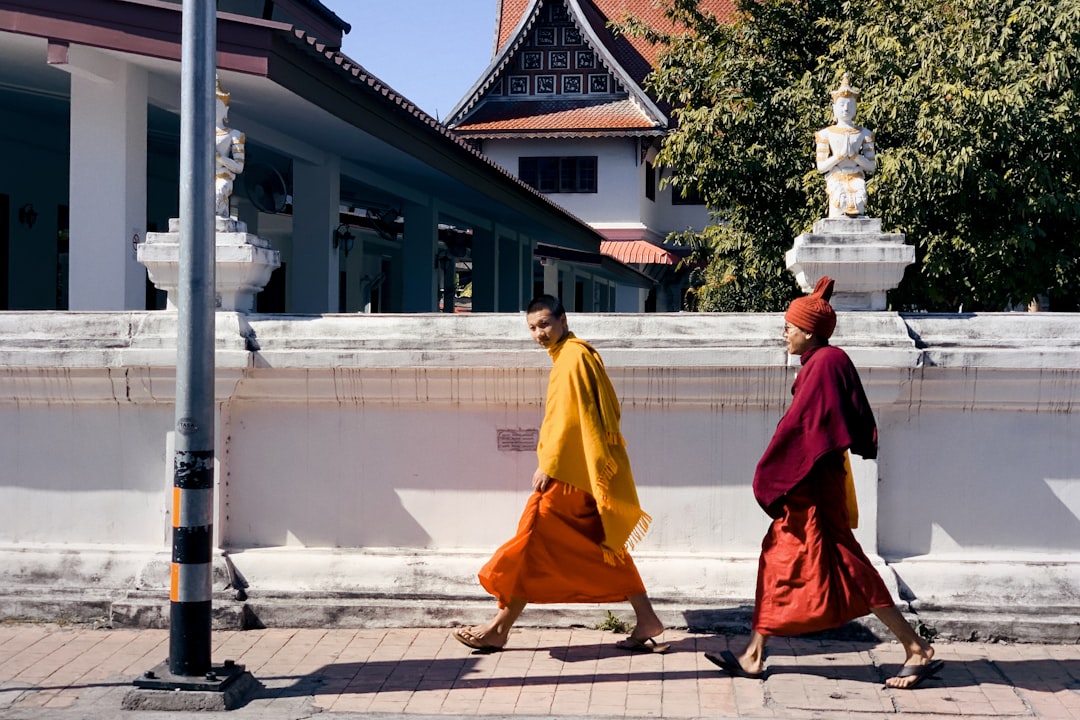
Bhutan, a small kingdom nestled in the eastern Himalayas, is renowned for its breathtaking landscapes and rich cultural heritage. One of the most striking aspects of Bhutanese culture is its dress code, which reflects the nation’s commitment to preserving its traditions and identity. The dress code in Bhutan is not merely a matter of fashion; it is a profound expression of the country’s values, beliefs, and social norms.
Visitors to Bhutan often find themselves intrigued by the vibrant colors and intricate designs of traditional attire, which serve as a window into the nation’s soul. The significance of Bhutan’s dress code extends beyond aesthetics. It embodies the principles of Gross National Happiness, a philosophy that prioritizes the well-being of the people over material wealth.
In this context, clothing becomes a means of fostering unity and pride among the Bhutanese people. As one delves deeper into the intricacies of Bhutan’s dress code, it becomes evident that it is a vital component of the country’s cultural fabric, offering insights into its history, spirituality, and social structure. Here is the sentence with the link:
You can learn about Bhutan’s gross national happiness explained in this video: Bhutan gross national happiness explained.
Key Takeaways
- Bhutan’s dress code reflects its rich cultural heritage and traditional values.
- Traditional clothing in Bhutan includes the gho for men and kira for women, which are significant to Bhutanese identity.
- The dress code is important in preserving Bhutanese culture and promoting national identity.
- Visitors to Bhutan should adhere to the dress guidelines, which include modest and respectful attire.
- The influence of Buddhism is evident in the modest and symbolic nature of Bhutanese clothing.
Traditional Clothing in Bhutan
Traditional clothing in Bhutan is characterized by its unique styles and vibrant colors, which vary across different regions and communities. The national dress for men is known as the “gho,” a knee-length robe that is tied at the waist with a belt called a “kera.” The gho is typically made from handwoven fabric, often adorned with intricate patterns that reflect the wearer’s regional identity. For women, the traditional attire consists of a “kira,” a long, ankle-length dress that is worn over a blouse called a “wonju.
The choice of fabric and design in traditional clothing often carries significant meaning. For instance, certain colors may symbolize specific virtues or social status, while patterns can denote regional affiliations. The meticulous attention to detail in traditional attire highlights the importance of craftsmanship in Bhutanese culture.
Each piece of clothing tells a story, connecting the wearer to their heritage and community. As such, traditional clothing serves not only as a means of protection against the elements but also as a powerful symbol of identity and belonging.
Importance of Dress Code in Bhutanese Culture
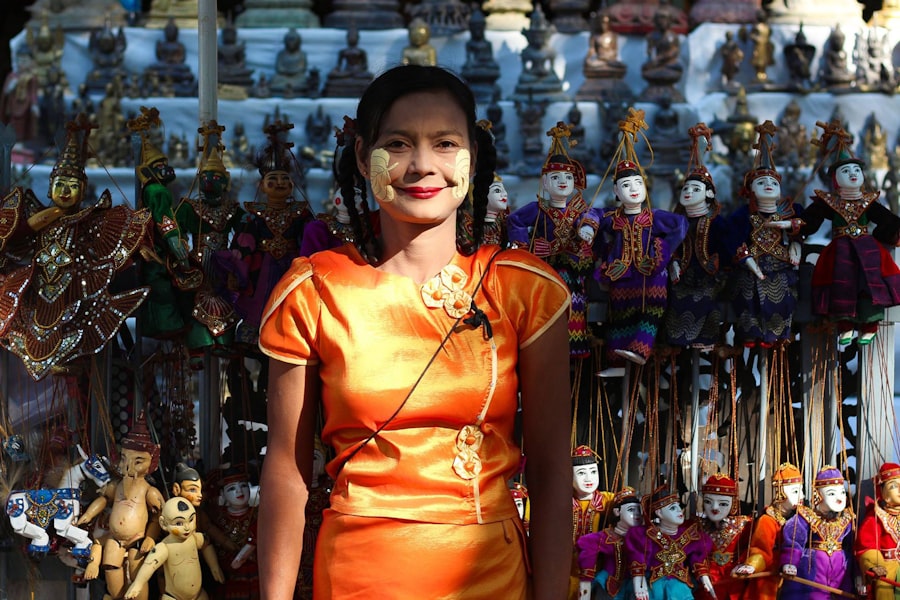
The dress code in Bhutan holds immense cultural significance, serving as a reflection of the nation’s values and social hierarchy. It is deeply intertwined with the concept of respect—both for oneself and for others. Wearing traditional attire is seen as a way to honor one’s heritage and maintain cultural continuity.
In Bhutan, individuals are encouraged to embrace their traditional clothing as a means of fostering national pride and unity. Moreover, the dress code plays a crucial role in social interactions within Bhutanese society. It establishes a sense of belonging and community among individuals who share similar cultural backgrounds.
When people don their traditional attire, they are not just dressing for themselves; they are participating in a collective expression of identity that transcends individual differences. This communal aspect of dressing reinforces social bonds and strengthens the fabric of Bhutanese society.
Guidelines for Dressing in Bhutan
| Guidelines for Dressing in Bhutan |
|---|
| 1. Men and women should wear traditional Bhutanese clothing in public places. |
| 2. For men, this includes the gho, a knee-length robe, and for women, the kira, an ankle-length dress. |
| 3. Visitors are also encouraged to wear modest and respectful clothing when visiting religious sites and dzongs. |
| 4. It is recommended to remove hats and sunglasses when entering religious buildings. |
In Bhutan, there are specific guidelines governing how individuals should dress in various contexts. These guidelines are rooted in cultural norms and are designed to promote respect for tradition while accommodating modern influences. For instance, when visiting government offices or religious sites, it is essential to wear traditional attire as a sign of respect.
This expectation extends to both locals and visitors alike, emphasizing the importance of adhering to cultural customs. Visitors to Bhutan are encouraged to familiarize themselves with these guidelines to ensure they dress appropriately during their stay. While casual clothing may be acceptable in certain settings, it is advisable to opt for traditional attire when engaging with local communities or attending cultural events.
By doing so, visitors not only show respect for Bhutanese customs but also enhance their own experience by immersing themselves in the local culture.
Differences in Dress Code for Men and Women
The dress code in Bhutan exhibits distinct differences between men’s and women’s attire, reflecting traditional gender roles within society. Men’s clothing typically consists of the gho, which is designed for practicality and ease of movement. The gho’s simple yet elegant design allows men to engage in various activities while maintaining a dignified appearance.
In contrast, women’s clothing—the kira—often features more elaborate designs and vibrant colors, showcasing the artistry and creativity inherent in Bhutanese culture. These differences in dress code also highlight societal expectations regarding gender presentation. While men’s attire tends to prioritize functionality, women’s clothing often emphasizes beauty and grace.
This divergence can be seen as a reflection of broader cultural values that celebrate femininity through intricate designs and vibrant colors. However, it is essential to recognize that these traditional roles are evolving, with contemporary influences gradually reshaping perceptions of gender and clothing in Bhutan.
Influence of Buddhism on Bhutanese Dress Code
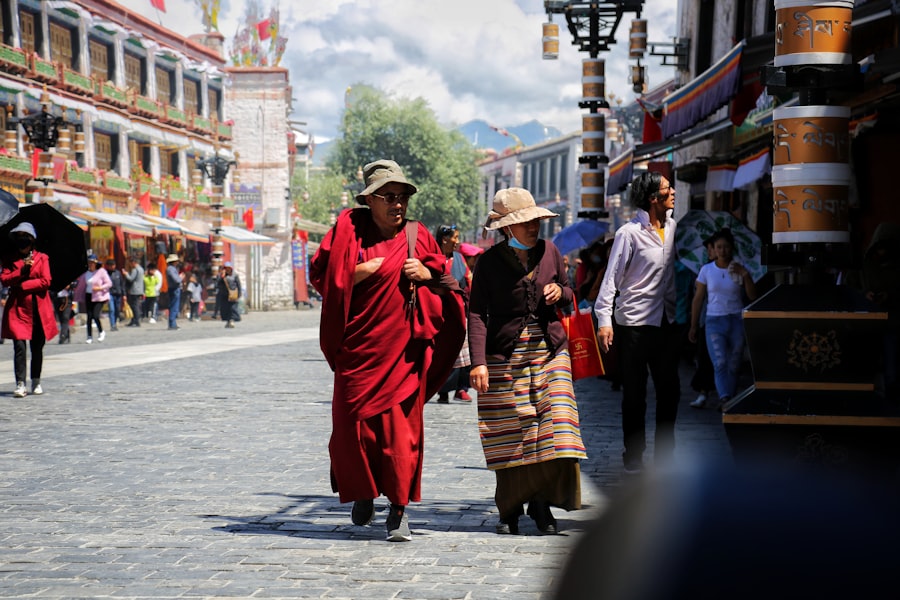
Buddhism plays a pivotal role in shaping Bhutanese culture, including its dress code. The principles of Buddhism—such as humility, respect, and mindfulness—are deeply embedded in how individuals choose to present themselves through clothing. Traditional attire often incorporates symbols and motifs that hold spiritual significance, serving as reminders of Buddhist teachings.
For instance, certain patterns may represent auspicious symbols or deities revered in Buddhist practice. Wearing such clothing can be seen as an expression of devotion and reverence for one’s faith. Additionally, modesty is highly valued in Buddhist culture, influencing the design and style of traditional garments.
This emphasis on modesty extends to both men’s and women’s attire, reinforcing the idea that clothing should reflect inner virtues rather than superficial appearances.
Modern Adaptations of Traditional Bhutanese Clothing
While traditional clothing remains an integral part of Bhutanese identity, modern adaptations have emerged as society evolves. Young Bhutanese individuals often blend traditional elements with contemporary fashion trends, creating unique styles that resonate with their generation. This fusion allows them to express their individuality while honoring their cultural heritage.
The incorporation of modern fabrics and designs into traditional attire has also gained popularity. For example, some individuals may choose to wear a gho or kira made from lighter materials suitable for warmer climates or opt for contemporary cuts that enhance comfort without compromising tradition. These adaptations reflect a dynamic cultural landscape where tradition coexists with modernity, allowing Bhutanese people to navigate their identities in an increasingly globalized world.
Dress Code for Formal Occasions and Festivals
Formal occasions and festivals in Bhutan are marked by vibrant displays of traditional attire, showcasing the richness of the country’s cultural heritage. During significant events such as weddings or religious ceremonies, individuals don their finest ghos and kiras, often embellished with intricate accessories that enhance their overall appearance. These occasions provide an opportunity for people to celebrate their culture while reinforcing social bonds within their communities.
Festivals such as Tshechu are particularly noteworthy for their elaborate displays of traditional clothing. Participants often wear garments that reflect their regional identities, creating a colorful tapestry that highlights the diversity within Bhutanese culture. The act of dressing up for these events goes beyond mere aesthetics; it serves as a way for individuals to connect with their roots and participate in communal celebrations that strengthen cultural ties.
Impact of Globalization on Bhutanese Dress Code
Globalization has brought about significant changes in many aspects of life around the world, including fashion and dress codes. In Bhutan, exposure to global trends has influenced how individuals perceive and adopt clothing styles. While traditional attire remains cherished, younger generations are increasingly drawn to contemporary fashion influenced by international styles.
This shift has led to a blending of traditional and modern elements in everyday wear. Many young Bhutanese now incorporate global fashion trends into their wardrobes while still honoring their cultural roots through accessories or traditional patterns. However, this influence also raises questions about cultural preservation and identity as globalization continues to shape societal norms.
Understanding the Symbolism of Bhutanese Clothing
Bhutanese clothing is rich with symbolism that reflects the country’s values and beliefs. Each garment carries meanings that extend beyond mere fabric; they embody stories passed down through generations. For instance, specific colors may symbolize purity or prosperity, while patterns can represent auspicious symbols associated with Buddhist teachings.
Understanding this symbolism enhances one’s appreciation for Bhutanese culture and its intricate relationship with clothing. When individuals wear traditional attire, they are not just dressing; they are participating in a narrative that connects them to their ancestors and community. This deep-rooted symbolism reinforces the idea that clothing serves as a powerful medium for expressing identity and values.
Respectful and Considerate Dressing as a Visitor in Bhutan
For visitors to Bhutan, understanding and respecting the local dress code is essential for fostering positive interactions with the community. Dressing appropriately demonstrates an appreciation for Bhutanese culture and traditions while enhancing one’s travel experience. Visitors are encouraged to embrace traditional attire when engaging with locals or attending cultural events.
By choosing to wear traditional clothing during their stay, visitors not only show respect but also immerse themselves in the vibrant tapestry of Bhutanese life. This act fosters connections with local communities and allows travelers to gain deeper insights into the country’s rich heritage.
Bhutan is renowned for its unique cultural heritage, which is reflected in its strict dress code that emphasizes traditional attire. This dress code is not just a matter of fashion; it plays a significant role in preserving the country’s identity and values. For a deeper understanding of Bhutan’s cultural practices, you can read more in this related article on MyGeoQuest.
WATCH THIS! Gross National Happiness Is A Trap
FAQs
What is Bhutan’s dress code?
Bhutan’s dress code requires all citizens and visitors to wear the national dress, known as the “kira” for women and “gho” for men, in public places.
What is a “kira” and “gho”?
The “kira” is a traditional Bhutanese dress for women, consisting of a long, ankle-length dress accompanied by a short jacket and a colorful scarf. The “gho” is a knee-length robe for men, tied at the waist with a belt.
Why does Bhutan have a strict dress code?
The dress code is a part of Bhutan’s efforts to preserve its unique cultural identity and traditions. It is also seen as a way to promote national pride and unity.
Are there any exceptions to the dress code?
There are certain exceptions to the dress code for specific occasions, such as religious ceremonies and formal events. However, in general, the dress code is strictly enforced in public places.
What are the consequences for not following the dress code?
Failure to adhere to the dress code in public places can result in fines or other penalties. It is important for both citizens and visitors to respect and comply with the dress code while in Bhutan.