
The global digital infrastructure critically relies on a vast network of submarine telecommunications cables. These submerged arteries transmit the majority of the world’s internet traffic, carrying data across oceans and connecting continents. Given their immense importance, ensuring their continuous operation is paramount. A vital component of this operational resilience is the strategic placement and meticulous management of undersea cable spare parts depots. These facilities, while perhaps less visible than the cables themselves, play an indispensable role in minimizing downtime and maintaining global connectivity.
Undersea cables are the silent workhorses of the internet. They are not merely thick wires; rather, they are complex systems comprising optical fibers, strength members, and protective layers, designed to withstand the harsh deep-sea environment. The sheer volume of data they transmit is staggering, facilitating everything from international financial transactions and scientific research to social media and streaming services. A disruption to even a single major cable can have far-reaching consequences, impacting economies, communication, and national security.
Economic Impact of Cable Downtime
The financial implications of an undersea cable fault are substantial. Businesses that rely on uninterrupted connectivity, such as those in finance, e-commerce, and cloud computing, can incur significant losses from even short outages. Delayed transactions, inaccessible data, and disrupted supply chains translate directly into lost revenue and damaged reputations. Furthermore, the cost of repairing a damaged cable, including specialized vessels, personnel, and materials, can run into millions of dollars.
Geopolitical Significance
Beyond economics, undersea cables hold considerable geopolitical significance. Nations and regions are increasingly dependent on these cables for their strategic communications and intelligence gathering. The vulnerability of these critical assets has led to concerns about sabotage, espionage, and the potential for targeted disruptions during times of conflict. Protecting these cables, therefore, is not just an economic imperative but also a national security priority.
In the ever-evolving landscape of global telecommunications, the establishment of undersea cable spare parts depots has become increasingly vital for ensuring the reliability and efficiency of internet connectivity. A related article that delves deeper into this topic can be found at MyGeoQuest, where experts discuss the strategic importance of these depots in maintaining the integrity of undersea cable networks and minimizing downtime during repairs.
Anatomy of a Cable Fault
Despite their robust construction, undersea cables are susceptible to various forms of damage. Understanding these failure modes is crucial for developing effective repair strategies and, by extension, for the efficient stocking of spare parts.
Common Causes of Damage
The overwhelming majority of cable faults are attributed to external aggression, primarily fishing activities and anchoring. Trawling nets can snag and abrade cables, while anchors from large vessels can directly sever them. Natural phenomena, though less frequent, also contribute to damage. Submarine landslides, earthquakes, and volcanic activity can displace or break cables. Less common but still a concern are manufacturing defects, although these are typically identified and rectified during the cable’s initial deployment.
Fishing and Anchoring Incidents
Fishing vessels, particularly those engaged in bottom trawling, pose a persistent threat. Their equipment can become entangled with cables, leading to abrasive damage or complete severing. Similarly, the anchors of large ships, especially in busy shipping lanes or congested harbors, can inadvertently damage or pull apart cables. These incidents are often unpredictable and can occur despite extensive charting and warnings.
Natural Disasters
While cables are designed to withstand significant environmental stresses, extreme natural events can overwhelm their protective measures. Submarine landslides, triggered by earthquakes or unstable seabed conditions, can exert immense force, burying or snapping cables. Volcanic eruptions and tectonic shifts on the ocean floor also present a risk, though these are typically concentrated in specific geological zones.
The Repair Process Overview
When a cable fault is detected, a complex and time-sensitive repair operation is initiated. This process involves precise fault localization, deployment of specialized cable-laying and repair vessels, recovery of the damaged cable sections, splicing in new cable, and re-laying the repaired section. The availability of appropriate spare parts is a critical determinant of the repair’s speed and success.
Fault Localization
Advanced fault location systems use techniques such as optical time-domain reflectometry (OTDR) to pinpoint the exact location of a break or degradation along the fiber optic lines. This allows repair crews to navigate to the precise area of concern, minimizing search time.
Cable Repair Vessels
Dedicated cable repair vessels are equipped with specialized machinery, including linear cable engines, grapnels, and remotely operated vehicles (ROVs) to locate, recover, and re-lay cable segments. These vessels often carry significant stores of spare cable and repair equipment.
Strategic Location and Stock Levels
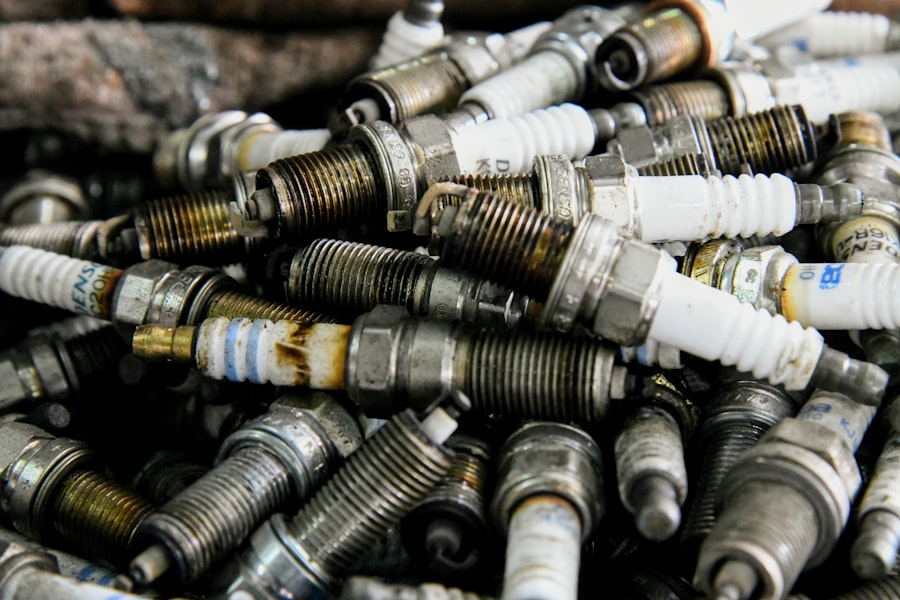
The effectiveness of an undersea cable spare parts depot hinges on its strategic location and the meticulously managed stock levels of essential components. These considerations are not arbitrary; they are the result of careful logistical planning and risk assessment.
Geographic Distribution
Spare parts depots are strategically distributed across the globe to minimize transit times to potential fault locations. Imagine them as emergency service hubs, positioned to reach a crisis zone as quickly as possible. These locations are often at major port cities or in close proximity to critical high-traffic cable routes. A depot in the Mediterranean, for instance, would serve the cables linking Europe, Africa, and Asia, while a facility in Singapore might cover the bustling Southeast Asian cable network.
Proximity to High-Traffic Routes
Depots are preferentially located near areas where cable density is high, or where there is a history of frequent faults. This ensures that repair crews can access necessary materials with minimal delay, reducing the financial and social impact of an outage.
Accessibility and Logistics
Beyond geographical proximity, the accessibility of the depot by sea and air is crucial for rapid deployment of personnel and equipment. Efficient customs procedures and stable political environments are also factors in choosing depot locations.
Inventory Management Principles
Maintaining optimal stock levels is a delicate balancing act. Too much stock ties up capital and incurs storage costs; too little risks prolonged outages. Therefore, inventory management in this sector employs sophisticated principles.
Critical Spares Identification
Not all cable components are stocked in equal measure. Critical spares, such as various cable types (different armorings, fiber counts), jointing kits, repeaters, and equalizers, are prioritized. These items are indispensable for almost any repair scenario.
Predictive Analytics and Demand Forecasting
Operators leverage historical fault data, cable age, environmental factors, and regional activity (e.g., increased fishing in certain seasons) to forecast potential repair demands. This data-driven approach helps optimize stock levels and anticipate future needs. Think of it as a weather forecast for cable faults, allowing preparations to be made in advance.
Multi-Party Ownership and Shared Resources
It is common for multiple cable owners and consortiums to pool resources and jointly own or share access to spare parts depots. This collaborative model reduces individual costs while ensuring broader availability of critical components. It’s akin to a neighborhood watch program for global connectivity.
Types of Spare Parts Stocked
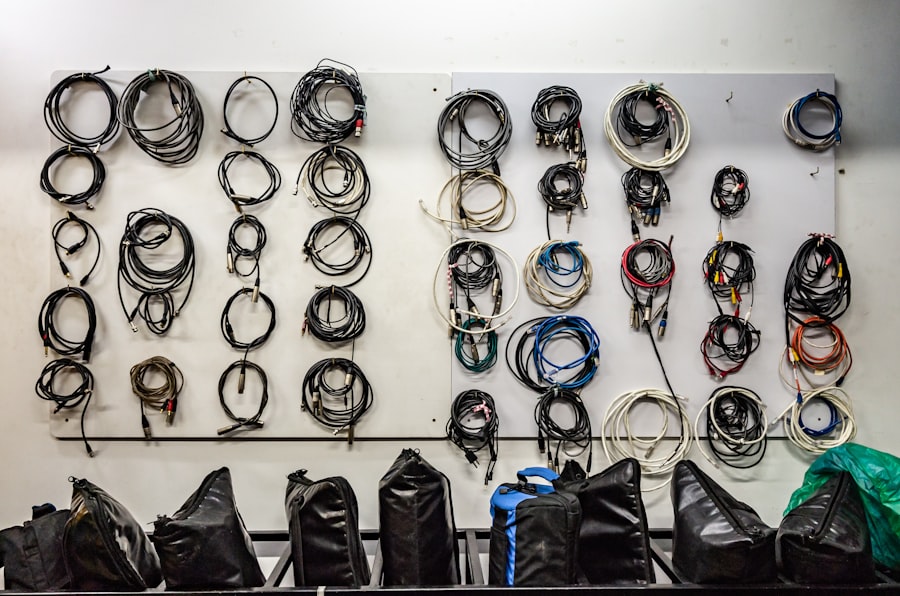
A comprehensive spare parts depot is more than just a warehouse; it is a specialized facility housing a diverse array of components, each critical for different repair scenarios.
Cable Sections
The most fundamental spare part is the cable itself. Depots stock various lengths and types of submarine cable, differentiating by armor (e.g., single-armored, double-armored, lightweight), fiber count, and electrical characteristics. This allows repair crews to match the replacement cable precisely to the original installation, ensuring seamless integration and optimal performance.
Lightly Armored Cable
Used in deeper waters where risks from external aggression are lower, these cables offer less protection but are lighter and easier to deploy.
Double Armored Cable
Employed in shallower, more hazardous areas, these cables feature multiple layers of steel wire armor for enhanced protection against anchors and fishing gear.
Jointing Kits and Splice Closures
When a damaged section of cable is removed, a new section must be spliced in. This intricate process requires specialized jointing kits, which contain the necessary optical fiber fusion splice equipment, protective housings, and sealing materials to create a robust and watertight connection, capable of withstanding deep-sea pressures.
Optical Fiber Splicing Tools
These precision instruments are used to meticulously fuse individual optical fibers together, ensuring minimal signal loss at the connection point.
Pressure-Resistant Housings
Once spliced, the fibers are encapsulated within robust housings designed to protect the splice from hydrostatic pressure and environmental elements.
Repeaters and Branching Units
For very long cable systems, repeaters are essential amplifiers that boost the optical signal, preventing degradation over vast distances. Branching units allow a single trunk cable to split off and connect to multiple landing points. These complex active components are vital and often custom-made; therefore, having spares readily available is critical.
Submerged Optical Amplifiers
These devices use specialized components to regenerate the optical signal, maintaining its strength and integrity over thousands of kilometers.
Power Feed Equipment Components
Repeaters and branching units require electrical power, which is supplied from shore-based stations. Spares for the power feeding equipment, including transformers and rectifiers, are also crucial.
Testing and Monitoring Equipment
While not direct spare parts for the cable itself, advanced testing and monitoring equipment are indispensable for the repair process. This includes specialized fault locators, optical power meters, and communication systems used during the repair operation.
Optical Time-Domain Reflectometers (OTDR)
As mentioned, these instruments are critical for precisely identifying the location of a fault or degradation along the cable path.
Remotely Operated Vehicles (ROVs)
ROVs equipped with cameras and manipulators are used for visual inspection of the seabed, cable identification, and assisting with cable recovery operations.
In the ever-evolving landscape of global telecommunications, the establishment of undersea cable spare parts depots has become increasingly vital for ensuring uninterrupted connectivity. These depots serve as strategic hubs that facilitate quick repairs and maintenance of undersea cables, which are essential for international data transmission. For a deeper understanding of this topic, you can explore a related article that discusses the significance of these depots and their impact on the telecommunications industry. To learn more, visit this insightful article that delves into the logistics and operational aspects of undersea cable maintenance.
Operational Excellence and Future Challenges
| Depot Location | Number of Spare Parts | Types of Spare Parts | Average Restock Time (days) | Storage Capacity (cubic meters) | Last Inventory Update |
|---|---|---|---|---|---|
| New York, USA | 150 | Repeaters, Cable Joints, Power Feed Equipment | 5 | 1200 | 2024-05-15 |
| Lisbon, Portugal | 120 | Repeaters, Branching Units, Cable Joints | 7 | 950 | 2024-05-10 |
| Singapore | 180 | Repeaters, Power Feed Equipment, Cable Joints, Branching Units | 4 | 1300 | 2024-05-20 |
| Sydney, Australia | 100 | Repeaters, Cable Joints | 6 | 800 | 2024-05-18 |
| Tokyo, Japan | 140 | Repeaters, Power Feed Equipment, Branching Units | 5 | 1100 | 2024-05-12 |
The effective management of undersea cable spare parts depots is a testament to operational excellence in a highly specialized field. However, the landscape of global connectivity is constantly evolving, presenting new challenges for maintaining this critical infrastructure.
Regulatory Compliance and Environmental Considerations
Operating spare parts depots involves strict adherence to international and national regulations concerning storage of materials, environmental protection, and waste disposal. Handling specialized equipment and components requires specific safety protocols. Furthermore, the environmental impact of cable repairs, including the potential disturbance of marine ecosystems, is a growing concern that influences operational practices.
Waste Management Protocols
Proper disposal of damaged cable sections and obsolete equipment is essential, requiring adherence to environmental regulations and best practices.
Maritime Safety Regulations
All operations, including the deployment of repair vessels from depot ports, must comply with stringent international maritime safety standards.
Cybersecurity Risks
While the depots themselves are physical entities, the sophisticated inventory systems and communication networks that manage them are susceptible to cyber threats. Protecting these digital assets from cyberattacks is becoming increasingly important to prevent disruption to supply chains and repair coordination.
Data Integrity and System Resilience
Ensuring the integrity of inventory data and the resilience of control systems against cyber intrusion is vital for maintaining operational efficiency.
Secure Communication Channels
Communication between depots, repair vessels, and control centers must be secure to prevent unauthorized access or manipulation of critical information.
The Evolving Landscape of Cable Technology
The continuous evolution of undersea cable technology, with higher fiber counts, increased data transmission speeds, and new deployment techniques, means that spare parts depots must constantly adapt. Keeping pace with these advancements requires ongoing investment in new inventories and training for personnel.
Integration of New Fiber Types
As new generations of optical fibers are introduced, depots must stock compatible spares and ensure repair technicians are proficient in handling them.
Obsolescence Management
Managing the lifecycle of older cable types and their associated spares is crucial to avoid holding obsolete inventory while ensuring support for legacy systems.
Conclusion
Undersea cable spare parts depots represent an unsung hero in the story of global connectivity. They are the emergency rooms of the internet, silently standing ready to address breakdowns in the arteries of our digital world. Their strategic locations, meticulously managed inventories, and specialized equipment are all geared towards one critical objective: minimizing downtime and ensuring the uninterrupted flow of data that underpins modern society. As the demand for bandwidth continues to skyrocket and the complexity of these networks increases, the role of these depots will only grow in importance, underscoring their vital contribution to the resilience and reliability of our interconnected planet. The next time you stream a video, send an email, or make an international call, remember the hidden infrastructure and the dedicated facilities that work tirelessly to ensure those connections remain unbroken.
FAQs
What are undersea cable spare parts depots?
Undersea cable spare parts depots are storage facilities that hold essential components and materials needed for the maintenance and repair of submarine communication cables. These depots ensure quick access to parts to minimize downtime in case of cable faults or damage.
Why are spare parts depots important for undersea cables?
Spare parts depots are crucial because undersea cables are vital for global telecommunications and internet connectivity. Having readily available spare parts allows for rapid repairs, reducing service interruptions and maintaining network reliability.
What types of spare parts are typically stored in these depots?
Typical spare parts include cable joints, repeaters, connectors, cable sections, protective coverings, and specialized tools required for underwater cable repair and maintenance.
Where are undersea cable spare parts depots usually located?
These depots are strategically located near major landing stations, coastal hubs, or ports where undersea cables come ashore. This positioning facilitates quick deployment of repair teams and equipment.
Who manages and operates undersea cable spare parts depots?
Spare parts depots are usually managed by telecommunications companies, cable operators, or specialized maintenance contractors responsible for the operation and upkeep of submarine cable networks.