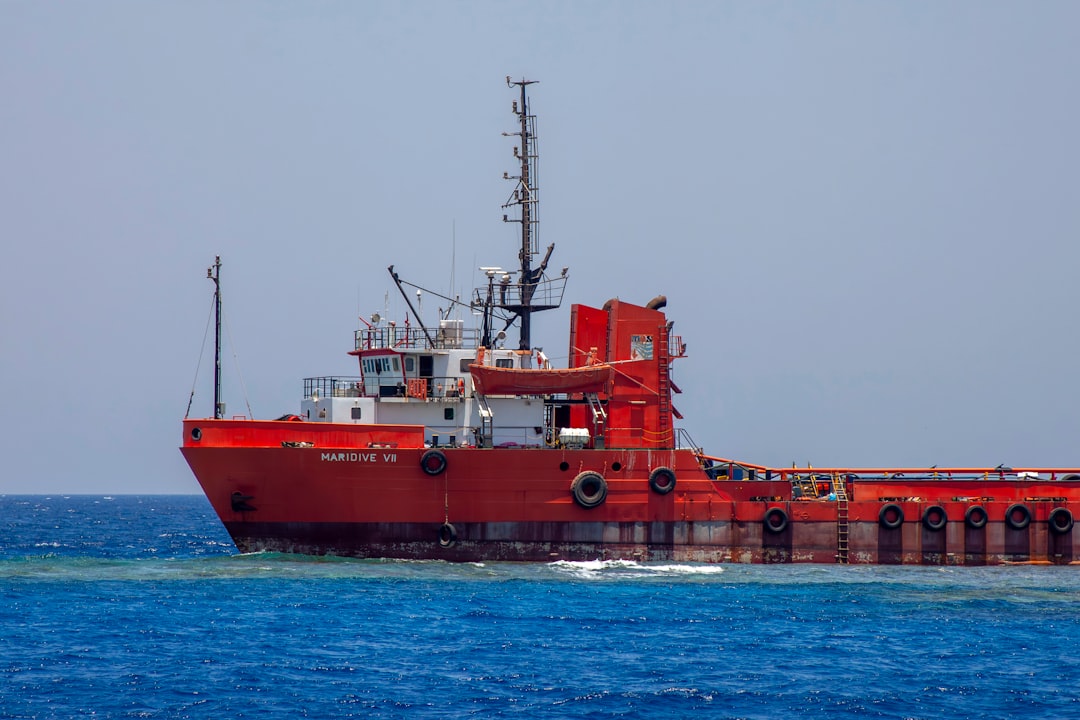
The vast, interconnected world we inhabit relies on a hidden circulatory system: undersea cables. These cables, a complex network of fiber optics, transmit the immense volume of data that powers our global economy, communication, and entertainment. When these vital arteries are damaged, the ripple effect can be significant, disrupting services and impacting businesses and individuals alike. The silent guardians of this digital bloodstream are the undersea cable repair ships. Their availability and the crucial role they play are paramount to maintaining the seamless flow of information.
The operational capacity and rapid deployment of undersea cable repair ships are central to the resilience of the global communications infrastructure. These specialized vessels, often referred to as “cable layers” or “cable ships,” are sophisticated floating command centers and workshops, equipped to locate, excavate, repair, and even lay new sections of subsea cable.
Types of Cable Repair Vessels
The fleet of cable repair vessels can be broadly categorized based on their capabilities and primary roles. While some are dedicated to purely repair operations, others can also undertake the laying of new cables.
Dedicated Repair Ships
These vessels are specifically designed and outfitted for the intricate task of repairing damaged undersea cables. They typically possess a robust set of equipment, including:
- Cable Engines and Capstans: Powerful machinery used to retrieve damaged cable sections from the seabed.
- Cable Ploughs and Dredges: Tools for excavating the seabed to expose buried cables.
- Remotely Operated Vehicles (ROVs) and Submersibles: Advanced underwater robots equipped with cameras, manipulators, and cutting tools to inspect and precisely cut damaged cable sections.
- Workshop Facilities: Onboard laboratories and workshops for splicing and testing new cable sections before rejoining them.
- Navigational and Positioning Systems: High-precision GPS and sonar systems that allow the ships to accurately locate cable routes and damaged sections on the seabed.
- Secure Storage for Spare Cable: Ample capacity to carry sufficient lengths of replacement cable.
The design of these ships prioritizes stability, maneuverability in challenging sea conditions, and efficient deck space for handling heavy cable equipment. They are the scalpel and suture kit for the deep-sea data highways.
Cable Laying Ships with Repair Capabilities
Many modern cable ships are dual-purpose, capable of both laying new fiber optic cables and performing repairs. These vessels often boast larger cable storage capacity and more advanced laying equipment, making them versatile assets for network operators. Their ability to transition between laying and repair roles enhances their operational flexibility and cost-effectiveness. These are the architects who not only build new roads but can also quickly mend existing ones when a pothole appears.
Geographic Distribution and Availability
The availability of these specialized vessels is a critical concern, particularly in regions with a high density of undersea cable landing points. The global distribution of these ships is not uniform, reflecting the historical development of subsea cable networks and current global connectivity demands.
Major Operational Hubs
Key regions with a significant concentration of cable repair vessels include:
- Europe: With a long history of transatlantic and intra-European cable systems, Europe has a substantial fleet. Ports in the United Kingdom, France, Spain, and the Netherlands are often home bases for these ships.
- North America: The East and West coasts of the United States, as well as Canada, host numerous vessels due to the extensive network of cables connecting to North America.
- Asia-Pacific: This region, experiencing rapid digital growth, has seen a significant increase in cable repair capabilities. Countries like Japan, Singapore, South Korea, and Australia are prominent.
- Middle East and Africa: As connectivity expands in these regions, there is a growing presence of cable repair assets to support the developing subsea infrastructure.
The strategic positioning of these ships is akin to pre-positioned emergency response units. Their readiness to deploy from these hubs is crucial.
Factors Influencing Availability
Several factors influence the actual availability of a cable repair ship at any given time:
- Current Deployment: A ship may be actively engaged in a repair operation, a new cable laying project, or undergoing scheduled maintenance.
- Geographic Proximity: The time it takes for a ship to reach a damaged cable is a significant consideration. Travel times can range from hours to several days.
- Fleet Size and Contractor Availability: The total number of available ships and the contractual arrangements with specialized repair companies determine the overall capacity.
- Weather Conditions: Severe weather can delay or prevent ship deployment and repair operations, impacting availability.
The logistical challenge of having the right ship in the right place at the right time is a constant endeavor for network operators.
The availability of undersea cable repair ships is crucial for maintaining global communication networks, especially in the face of increasing demand for data transmission. For more insights on this topic, you can read a related article that discusses the challenges and advancements in undersea cable repair operations. Check it out here: My Geo Quest.
The Critical Functions of Undersea Cable Repair Ships
Undersea cable repair ships perform a multifaceted and highly technical set of operations, essential for maintaining network integrity. Their work is often performed under challenging environmental conditions, demanding precision, expertise, and specialized equipment.
Locating the Damage
The initial and often most complex step in the repair process is accurately pinpointing the location of the cable fault. This is where the advanced technological prowess of these vessels truly shines.
Sonar and Acoustic Systems
Cable ships employ sophisticated sonar and acoustic systems to map the seabed and detect anomalies. These systems can identify potential cable breaks or obstructions.
- Side-Scan Sonar: This technology provides detailed images of the seabed, allowing operators to identify the cable and any potential damage.
- Multi-Beam Echosounders: Used for detailed bathymetric surveys, these systems create high-resolution maps of the seafloor topography, helping to understand the environment around the cable.
The seabed is a vast, often uncharted territory. These ships are the cartographers and archaeologists, meticulously searching for the source of the problem.
Navigation and Tracking Systems
Precise navigation and tracking are paramount. Undersea cables are laid along pre-defined routes, and repair ships must adhere strictly to these paths.
- Integrated Navigation Systems: Combining GPS, inertial navigation, and acoustic positioning, these systems keep the vessel precisely on course.
- Cable Tracking Systems: Specialized equipment can detect the electromagnetic signature of the buried cable, even in deep water, guiding the ship along its exact route.
Imagine trying to thread a needle in a dark room while the needle is also moving. That’s the kind of precision required.
Excavation and Retrieval
Once the damage is located, the vessel must access the cable. This often involves excavating the seabed where the cable is buried.
Seabed Ploughing and Dredging
For cables buried for protection against anchors and natural hazards, specialized equipment is used to expose them.
- Cable Plough: This heavy-duty equipment is towed by the ship, digging a furrow in the seabed to lift the buried cable to the surface.
- Dredging Equipment: In some cases, suction dredgers or other excavating tools are employed to remove sediment and debris around the cable.
This process is akin to carefully unearthing an archaeological artifact, ensuring no further damage occurs.
Cable Retrieval Techniques
With the cable exposed, the process of retrieval begins. This is a delicate operation that can reveal the nature of the damage.
- Grappling and Lifting: In shallower waters or for specific types of damage, grappling hooks can be used to secure and lift the cable.
- Cable Engines: More commonly, powerful cable engines on board the ship are used to carefully reel in the damaged section of the cable.
The tension on the cable must be meticulously controlled to prevent further breakage.
Cable Repair and Splicing
The core of the repair operation involves the meticulous process of joining the severed ends of the cable or replacing damaged segments. This is where onboard expertise and technology are critical.
Pre-Repair Assessment
Before any splicing begins, the damaged cable is thoroughly inspected to determine the extent of the damage and the best course of action.
- Visual Inspection: Using ROVs and onboard analysis, technicians examine the cable sheath, armor, and fiber optics.
- Electrical and Optical Testing: Sophisticated testing equipment is used to assess the integrity of the cable’s electrical conductivity and light transmission capabilities.
This diagnostic phase is like a doctor evaluating a patient’s condition before surgery.
Splicing Techniques
The joining of undersea cables is a highly skilled process, often involving the fusion of optical fibers.
- Fusion Splicing: Optical fibers are precisely aligned and fused together using an electric arc. This process is performed in a controlled environment to minimize contamination and ensure minimal signal loss.
- Mechanical Splicing: In some instances, mechanical connectors are used to join cables, particularly for temporary repairs or less critical sections.
The goal is to create a splice that is as imperceptible to the transmitted data as possible. The integrity of the connection is paramount, ensuring the signal can flow without interruption.
Replacement of Damaged Sections
If a significant portion of the cable is damaged, it may need to be replaced entirely.
- Preparation of New Cable Segment: A new segment of cable, manufactured to precise specifications, is prepared onboard.
- Joining New to Old: The new cable segment is then spliced to the existing cable ends, ensuring a seamless connection.
This is akin to replacing a faulty section of a pipeline, ensuring the flow is unimpeded.
The Importance of Availability and Rapid Response
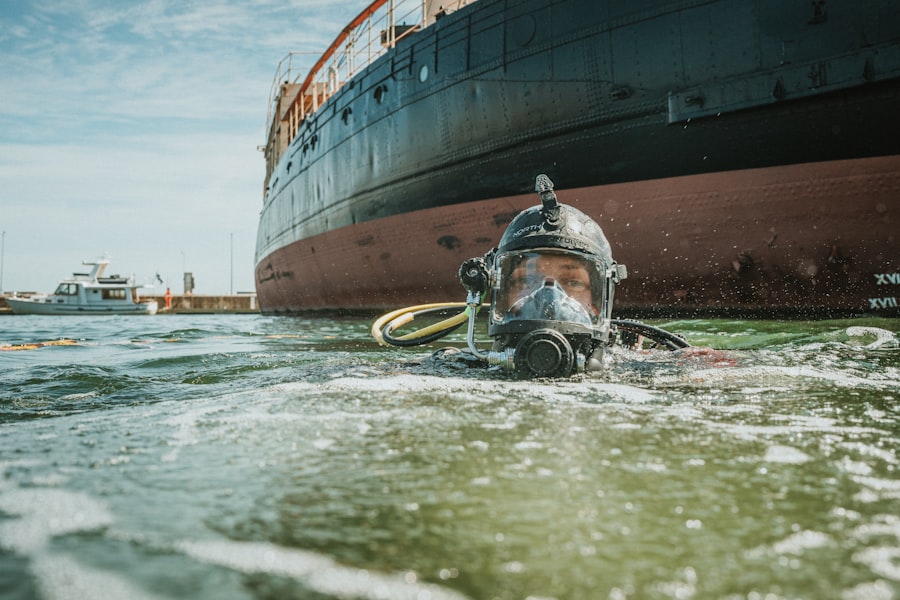
The availability of operational undersea cable repair ships and their capacity for rapid response are not merely logistical conveniences; they are fundamental to the stability and reliability of the global digital infrastructure. Disruptions to undersea cables, whether due to accidental damage or deliberate acts, can have far-reaching consequences.
Minimizing Service Disruptions
The most immediate and tangible impact of an undersea cable fault is the disruption of communication and data services.
Economic Repercussions
When major data links are severed, businesses reliant on constant connectivity face significant economic losses.
- Financial Markets: Trading platforms and financial institutions depend on high-speed, uninterrupted data flow. Downtime can lead to missed opportunities and financial instability.
- E-commerce and Online Services: Businesses operating online experience lost revenue and reputational damage when their services become inaccessible.
- Telecommunications: Voice calls, internet access, and mobile data services can be degraded or completely lost, impacting millions of users.
The global economy is a finely tuned engine, and undersea cables are the high-speed conveyor belts of its operations. Any break in these belts causes immediate and costly operational failures.
Social and Communication Impacts
Beyond economic concerns, cable outages can have profound social and personal consequences.
- Emergency Services: Communication networks are vital for coordinating emergency responses. Disruptions can hinder the effectiveness of police, fire, and medical services.
- Personal Communication: Social media, video calls, and messaging services are integral to modern social interaction. Outages can isolate individuals and communities.
- Information Access: Access to news, educational resources, and vital government information can be compromised.
The interconnectedness of the world means that a cable fault in one region can affect communication flows across continents, impacting everyday lives.
Maintaining Network Redundancy and Resilience
The concept of redundancy is central to the design of modern telecommunications networks. Undersea cable repair ships are the backstop that ensures this redundancy actually works.
The Role of Repair in Network Resilience
A robust network design incorporates multiple, independent cable routes. However, even redundant systems can be overwhelmed by widespread damage or when multiple critical cables are affected.
- Failover Mechanisms: When a primary cable fails, traffic is ideally rerouted through secondary or tertiary cables. The speed of repair directly influences how long these failover systems are under strain.
- Preventing Cascading Failures: Prompt repair of a damaged cable prevents the overload of alternative routes, which could itself lead to further disruptions.
Think of a complex plumbing system. If one pipe bursts, there are other pipes to reroute the water. But if the plumber can’t fix the burst pipe quickly, the entire system can be affected by pressure imbalances and eventual failures in other areas.
The Cost of Downtime vs. the Cost of Repair
While the specialized nature of undersea cable repair ships and their operations are expensive, the cost of prolonged downtime far outweighs the investment in these assets.
- Economic Loss Calculation: Estimates of economic losses due to undersea cable outages often run into billions of dollars per day.
- Investment Justification: The significant investment in maintaining a capable fleet of repair ships and standby contracts is therefore a necessary cost of doing business in the modern interconnected world.
The proactive investment in repair capabilities is an insurance policy against catastrophic economic and social disruption.
Challenges and Future Trends in Undersea Cable Repair
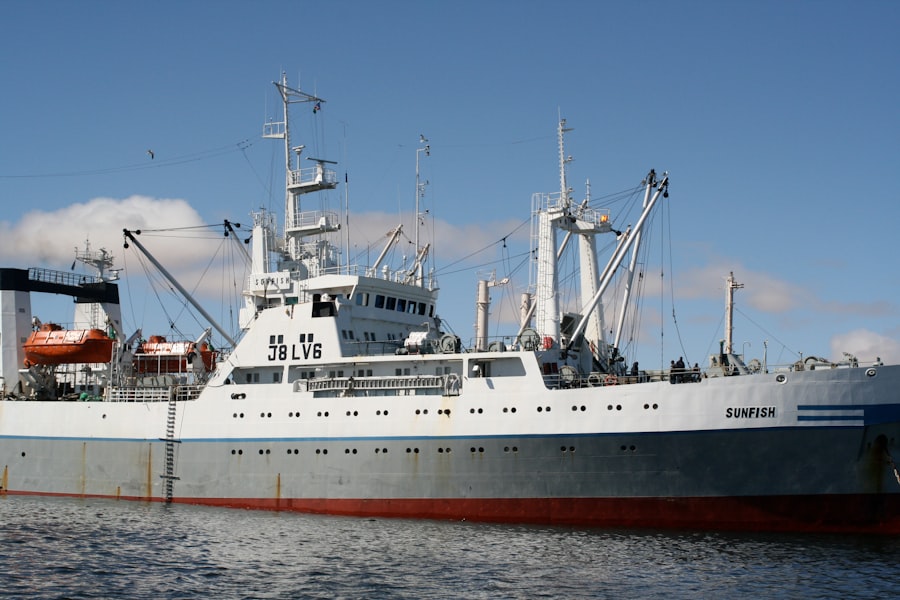
The field of undersea cable repair is constantly evolving, facing new challenges and embracing technological advancements to improve efficiency and expand its reach.
Environmental and Operational Hurdles
The deep-sea environment presents a unique set of formidable challenges that repair operations must contend with.
Deep-Sea Operations
Operating at depths of thousands of meters introduces significant engineering and logistical complexities.
- Pressure: Extreme hydrostatic pressure at great depths requires specialized, robust equipment and materials.
- Temperature: Subsea temperatures can be frigid, impacting equipment performance and requiring specific protective measures.
- Visibility: In the deep ocean, light penetration is minimal, making optical navigation and inspection reliant on artificial lighting and advanced sensing technologies.
These conditions demand vessels and equipment that are essentially highly fortified submarines in their own right, capable of operating in a hostile alien environment.
Weather and Sea State
Navigating and operating heavy machinery in rough seas is inherently dangerous and can significantly delay or halt operations.
- Storms and High Waves: Severe weather can make it impossible to launch ROVs, deploy equipment, or maintain the precise positioning required for cable work.
- Seasonal Limitations: In certain geographical areas, weather patterns can create specific windows of opportunity for repair operations.
The sea, while a highway for data, is also a powerful and unpredictable force that dictates the pace of repair work.
Technological Advancements
Continuous innovation is driving improvements in the speed, efficiency, and safety of undersea cable repair.
Enhanced ROVs and AUVs
Remotely Operated Vehicles (ROVs) and Autonomous Underwater Vehicles (AUVs) are becoming increasingly sophisticated.
- Increased Dexterity and Precision: Newer ROVs have more advanced manipulators, allowing for finer control during cable handling and splicing preparation.
- Advanced Sensing and Imaging: Improved sonar, optical, and chemical sensors provide more detailed information about the cable and its surroundings.
- AI and Automation: Future developments are likely to incorporate artificial intelligence for tasks like fault localization and pre-programmed repair sequences.
These underwater robots are the tireless, highly skilled robotic arms that perform the delicate surgical tasks on the seabed.
Improved Cable Technology
The cables themselves are also evolving, with advancements aimed at improving durability and facilitating easier repair.
- Stronger Armor and Sheathing: New materials and designs offer greater protection against physical damage.
- Standardized Components: Efforts towards standardization in cable design can simplify the process of finding compatible replacement parts.
The future of cable design aims to make these vital arteries more robust, like building a superhighway that is more resistant to wear and tear.
The Evolving Landscape of Cable Ownership and Repair
The business models and partnerships involved in undersea cable infrastructure are also dynamic.
Consortia and Independent Operators
Historically, undersea cables were often owned and operated by consortia of telecommunications companies. While this model persists, there is a growing trend of independent operators and content providers investing in their own subsea infrastructure.
- Impact on Repair Services: This shift can lead to increased demand for specialized repair services and potentially drive competition among providers.
- Contractual Agreements: Network operators enter into long-term contracts with specialized cable repair companies, ensuring access to vessels and expertise.
The ownership structure directly influences who is responsible for commissioning repairs and the urgency with which they are addressed.
Geopolitical Considerations
Undersea cables are increasingly recognized as critical national infrastructure, leading to geopolitical considerations regarding their security and maintenance.
- National Security: The potential for sabotage or espionage targeting undersea cables is a growing concern for governments.
- International Cooperation: Ensuring the reliability of global communication requires international cooperation on cable maintenance and international waters.
The strategic importance of these data arteries means their repair and maintenance are no longer purely commercial concerns but also matters of international security and stability.
The availability of undersea cable repair ships is crucial for maintaining global communication networks, and recent developments highlight the challenges faced in this sector. For a deeper understanding of the factors influencing the deployment and efficiency of these specialized vessels, you can read a related article that discusses the intricacies of undersea infrastructure maintenance. This insightful piece can be found here, providing valuable context to the ongoing conversations about maritime logistics and technology.
Conclusion: The Unseen Pillars of Our Connected World
| Ship Name | Country | Availability Status | Repair Capacity (km/day) | Current Location | Next Maintenance Date |
|---|---|---|---|---|---|
| CS Global Mariner | USA | Available | 15 | Pacific Ocean | 2024-09-15 |
| Normand Installer | Norway | In Repair | 12 | Baltic Sea | 2024-07-30 |
| CS Reliance | USA | Available | 14 | Atlantic Ocean | 2024-10-10 |
| Leon Thevenin | France | On Mission | 13 | Indian Ocean | 2024-08-20 |
| CS Sovereign | USA | Available | 16 | Caribbean Sea | 2024-11-05 |
The undersea cable repair ships, often operating silently beneath the waves, are the unsung heroes of our digital age. Their availability, operational readiness, and the incredible technical skills of their crews are indispensable. Without these vessels, the seamless flow of information that underpins our global economy, communication, and social fabric would be vulnerable to frequent and potentially catastrophic disruptions.
The intricate dance of locating, excavating, and repairing these vital arteries of data requires a fusion of advanced technology, seasoned expertise, and unwavering dedication. As the demand for bandwidth and global connectivity continues to grow, the importance of a robust and readily available fleet of undersea cable repair ships will only intensify. They are the silent guardians, the emergency responders, and the skilled artisans who ensure that the digital world continues to hum, connect, and thrive, often in obscurity, but always with paramount importance. The next time you send an email, make a video call, or browse the web, take a moment to consider the sophisticated network of undersea cables and the dedicated ships that work tirelessly to keep it functional – the unseen pillars of our interconnected world.
FAQs
What is an undersea cable repair ship?
An undersea cable repair ship is a specialized vessel equipped to locate, retrieve, and repair damaged submarine communication cables that lie on the ocean floor. These ships carry advanced technology and tools necessary for cable maintenance and restoration.
Why is the availability of undersea cable repair ships important?
The availability of repair ships is crucial because submarine cables carry the majority of international data traffic. Quick access to repair ships ensures minimal disruption to global communications and internet services when cables are damaged.
How many undersea cable repair ships are currently operational worldwide?
The exact number varies, but there are approximately 20 to 30 specialized undersea cable repair ships globally. These ships are operated by cable companies, governments, and private contractors to maintain and repair submarine cable networks.
What factors affect the availability of undersea cable repair ships?
Availability can be influenced by factors such as ongoing repair assignments, maintenance schedules, weather conditions, geopolitical restrictions, and the geographic distribution of ships relative to cable damage locations.
How long does it typically take for an undersea cable repair ship to respond to a cable fault?
Response times vary depending on the ship’s location and weather conditions but generally range from a few days to a couple of weeks. Rapid deployment is prioritized to restore communication services as quickly as possible.