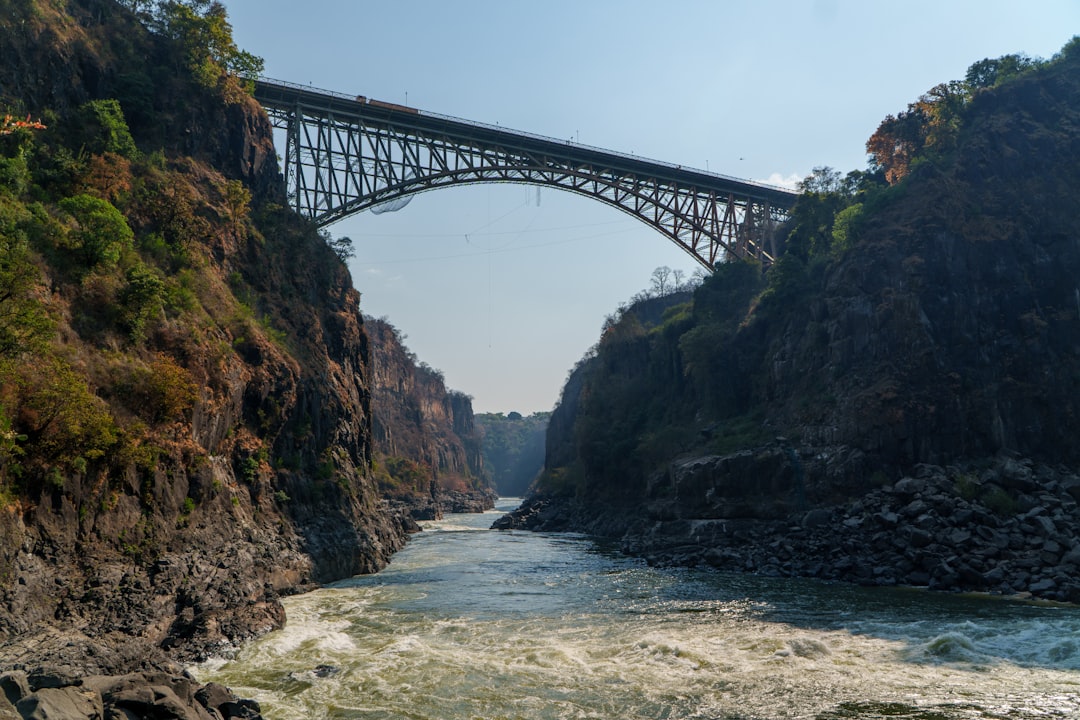
The construction of the Three Gorges Dam, which began in 1994 and was completed in 2012, stands as one of the most ambitious engineering feats in modern history. Spanning the Yangtze River in Hubei province, China, this colossal structure was designed to control flooding, generate hydroelectric power, and improve river navigation. However, the project has been shrouded in controversy since its inception.
Proponents hailed it as a solution to chronic flooding and a means to bolster China’s energy needs, while critics raised alarms about its environmental and social ramifications. The sheer scale of the dam, which is the largest in the world, has made it a focal point for debates surrounding large-scale infrastructure projects. The dam’s construction involved the relocation of millions of people and the submergence of vast areas of land, including towns, archaeological sites, and natural habitats.
This massive undertaking sparked widespread protests and opposition from environmentalists and local communities alike. The Chinese government, however, maintained that the benefits of the dam would far outweigh its drawbacks. As the project progressed, it became clear that the Three Gorges Dam was not just a national engineering project but a symbol of China’s rapid modernization and its complex relationship with nature and society.
Key Takeaways
- The Three Gorges Dam project sparked controversy due to its massive scale and social-environmental impacts.
- Significant environmental consequences emerged, including altered ecosystems and sedimentation issues.
- Thousands of communities were displaced, highlighting the human cost of the dam’s construction.
- While hydroelectric power generation was a success, the dam faced operational challenges and failures.
- Concerns over dam safety, corruption, and impacts on cultural heritage and public health remain critical issues.
Environmental Impacts of Three Gorges Dam: Unforeseen Consequences
The environmental impacts of the Three Gorges Dam have been profound and often unforeseen. While the dam was initially promoted as a means to mitigate flooding and generate clean energy, it has led to significant ecological disruptions. The alteration of the Yangtze River’s natural flow has affected sediment transport, leading to changes in water quality and aquatic ecosystems.
The dam has also created a reservoir that inundates vast areas of land, resulting in the loss of forests and wildlife habitats. This transformation has had cascading effects on local biodiversity, with some species facing increased threats to their survival. Moreover, the dam’s construction has exacerbated issues such as water pollution and algal blooms.
The stagnation of water in the reservoir has created conditions conducive to the proliferation of harmful microorganisms, which can adversely affect both aquatic life and human health. As a result, the very objectives of flood control and energy generation have been compromised by the environmental consequences of the dam. The long-term ecological balance of the Yangtze River basin remains uncertain, raising questions about the sustainability of such large-scale interventions in natural systems.
Displacement of Communities: The Human Cost of Three Gorges Dam
One of the most tragic aspects of the Three Gorges Dam project is the displacement of millions of people from their homes. Estimates suggest that over 1.
These communities faced not only physical displacement but also profound cultural and social upheaval.
Many residents were forced to leave behind ancestral lands, homes, and livelihoods, leading to a loss of identity and community cohesion. The government promised compensation and new housing for those affected; however, many found that the reality fell short of these assurances. The psychological toll on displaced individuals has been significant.
Reports indicate that many former residents experienced feelings of loss, anxiety, and depression as they struggled to adapt to new environments. The disruption of social networks and traditional ways of life has left lasting scars on these communities. Furthermore, the relocation process was often marred by inadequate planning and insufficient support systems, leading to further hardships for those affected.
The human cost of the Three Gorges Dam serves as a stark reminder that large infrastructure projects can have devastating consequences for vulnerable populations.
Hydroelectric Power Generation: The Success and Failures of Three Gorges Dam
| Metric | Value | Notes |
|---|---|---|
| Installed Capacity | 22,500 MW | Largest hydroelectric power station in the world |
| Annual Power Generation | ~100 TWh | Significant contribution to China’s electricity supply |
| Construction Period | 1994 – 2012 | 18 years from start to full operation |
| Reservoir Capacity | 39.3 billion cubic meters | Helps in flood control and water storage |
| Flood Control Success | Effective | Reduced flood risk downstream significantly |
| Environmental Impact | High | Displacement of over 1.3 million people, ecosystem disruption |
| Seismic Risk | Increased | Concerns about induced seismicity due to reservoir weight |
| Economic Impact | Positive and Negative | Boosted local economy but caused relocation costs and cultural loss |
| Carbon Emissions Reduction | Significant | Replaces coal-fired power plants, reducing greenhouse gases |
The Three Gorges Dam was heralded as a monumental achievement in hydroelectric power generation, with an installed capacity of over 22,500 megawatts. This capacity positions it as one of the largest power-generating facilities in the world, capable of supplying electricity to millions of households across China. The dam’s ability to produce clean energy has been touted as a significant step towards reducing reliance on fossil fuels and addressing climate change concerns.
In this regard, it represents a success story for renewable energy initiatives. However, despite its impressive output, the dam has faced challenges that have raised questions about its long-term viability as a sustainable energy source. Fluctuations in water levels due to seasonal changes can impact power generation efficiency.
Additionally, sediment buildup in the reservoir threatens to reduce its capacity over time, potentially diminishing its energy output. Critics argue that while the dam may provide immediate benefits in terms of energy production, it may not be a sustainable solution in the face of ongoing environmental changes and challenges associated with sedimentation.
Sedimentation and Erosion: Challenges Faced by Three Gorges Dam
Sedimentation poses a significant challenge for the Three Gorges Dam, threatening both its operational efficiency and structural integrity. The alteration of natural river flow patterns has disrupted sediment transport downstream, leading to increased sediment accumulation within the reservoir itself. This buildup can reduce water storage capacity over time, ultimately impacting hydroelectric power generation and flood control capabilities.
As sediment settles at the bottom of the reservoir, it can also create navigational hazards for vessels traversing the Yangtze River. Erosion is another concern linked to the dam’s construction. The alteration of river dynamics has led to increased erosion along certain riverbanks downstream, affecting local ecosystems and communities reliant on stable shorelines.
This erosion can result in loss of agricultural land and increased vulnerability to flooding in areas previously shielded by natural barriers. As sedimentation and erosion continue to pose challenges for the Three Gorges Dam, ongoing monitoring and management strategies will be essential to mitigate these issues and ensure the dam’s long-term functionality.
Dam Safety and Structural Concerns: Uncovering Potential Risks
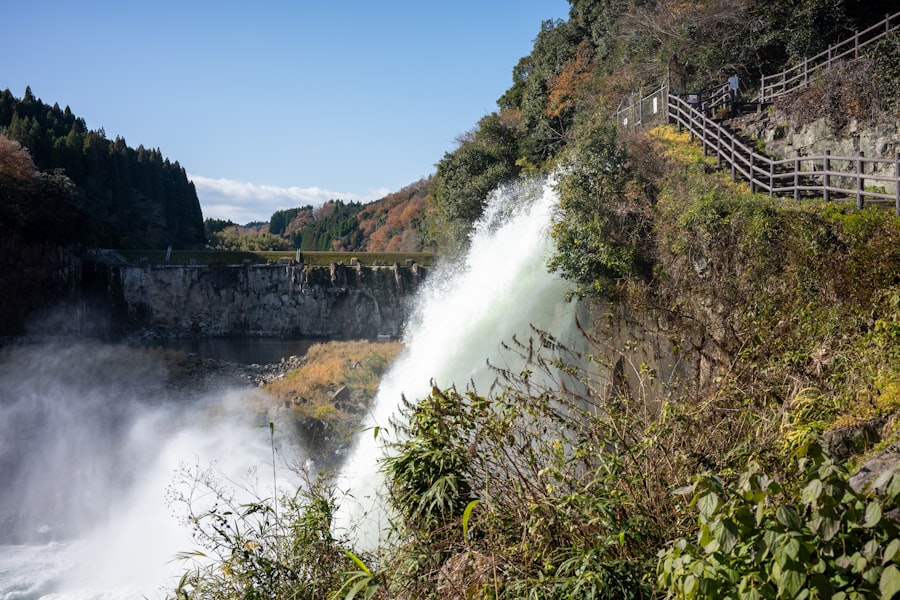
The safety and structural integrity of the Three Gorges Dam have been subjects of scrutiny since its construction. Given its immense size and the volume of water it holds back, any failure could have catastrophic consequences for millions living downstream. Concerns have been raised regarding potential risks associated with seismic activity in the region, as well as issues related to aging infrastructure over time.
Experts have warned that regular maintenance and rigorous safety assessments are crucial to prevent disasters that could arise from structural weaknesses. In addition to natural risks, human factors such as mismanagement or corruption can exacerbate safety concerns surrounding large infrastructure projects like the Three Gorges Dam. Reports have surfaced indicating lapses in oversight during construction phases and ongoing maintenance efforts.
These issues highlight the importance of transparency and accountability in managing such critical infrastructure. As climate change continues to pose new challenges for water management systems worldwide, ensuring the safety and resilience of dams like Three Gorges will be paramount for protecting communities at risk.
Wildlife and Biodiversity: The Effects of Three Gorges Dam on Ecosystems
The ecological consequences of the Three Gorges Dam extend beyond immediate environmental impacts; they also encompass significant threats to wildlife and biodiversity within the Yangtze River basin. The alteration of natural habitats due to flooding has led to declines in various species populations, including those already endangered before construction began. Aquatic life has been particularly affected by changes in water temperature, flow patterns, and sedimentation rates caused by the dam’s presence.
Moreover, migratory fish species that once thrived in the Yangtze River face barriers to their natural migration routes due to altered river conditions created by the dam’s reservoir. This disruption can lead to decreased reproductive success for these species, further threatening their survival. Conservationists have raised alarms about potential long-term consequences for biodiversity in this vital ecosystem, emphasizing that large-scale infrastructure projects must consider ecological impacts alongside economic benefits.
Cultural Heritage and Archaeological Discoveries: Uncovering Lost Treasures
The construction of the Three Gorges Dam resulted in significant losses to cultural heritage as numerous archaeological sites were submerged beneath its reservoir waters. Ancient towns, temples, and artifacts dating back thousands of years were lost forever due to flooding caused by this monumental project. While some efforts were made to document these sites before inundation occurred, many treasures remain undiscovered or irretrievably lost.
However, amidst this loss lies an opportunity for archaeological exploration in areas previously inaccessible due to river conditions. As water levels fluctuate or recede over time, new sites may emerge for researchers to study ancient civilizations that once thrived along the banks of the Yangtze River. This duality highlights both the tragic consequences of large-scale infrastructure projects on cultural heritage as well as potential avenues for rediscovery that may arise from such transformations.
Corruption and Mismanagement: The Dark Side of Three Gorges Dam
The narrative surrounding the Three Gorges Dam is not solely one of engineering triumph; it is also marred by allegations of corruption and mismanagement throughout its development. Reports have surfaced detailing instances where funds allocated for construction were misappropriated or poorly managed, leading to delays and cost overruns that burdened taxpayers. Such issues raise questions about accountability within government agencies responsible for overseeing such monumental projects.
Furthermore, mismanagement during both construction phases and ongoing operations can exacerbate existing challenges related to safety or environmental impacts associated with dams like Three Gorges. Transparency measures must be implemented alongside rigorous oversight mechanisms if future infrastructure projects are to avoid repeating past mistakes seen within this controversial undertaking.
Public Health and Water Quality: Examining the Impact on Surrounding Communities
The public health implications stemming from the Three Gorges Dam cannot be overlooked when assessing its overall impact on surrounding communities. Changes in water quality due to sedimentation patterns have raised concerns about contamination levels affecting local populations reliant on river resources for drinking water or agriculture. Algal blooms resulting from stagnant waters within reservoirs pose additional risks by introducing harmful toxins into ecosystems that can ultimately affect human health.
Moreover, displacement caused by dam construction has led many individuals into unfamiliar environments where access to healthcare services may be limited or inadequate compared with their previous communities’ resources available before relocation occurred. As such, addressing public health concerns must be prioritized alongside environmental considerations when evaluating large-scale infrastructure projects like this one.
Future of Three Gorges Dam: What Lies Ahead
Looking ahead at the future trajectory of the Three Gorges Dam reveals a complex interplay between opportunities for innovation and ongoing challenges stemming from its construction legacy. As climate change continues reshaping global weather patterns—impacting rainfall distribution—strategies must be developed not only for managing existing infrastructure but also adapting it effectively over time. Innovations in technology may offer solutions aimed at mitigating some adverse effects associated with sedimentation or erosion while enhancing safety protocols surrounding dam operations overall; however, these advancements will require collaboration among stakeholders across various sectors—including government agencies, environmental organizations, local communities—to ensure sustainable outcomes moving forward.
In conclusion, while the Three Gorges Dam represents an engineering marvel with significant contributions toward hydroelectric power generation capabilities within China’s energy landscape today—its legacy remains fraught with complexities that demand careful consideration as society navigates future challenges posed by climate change alongside pressing social justice issues arising from displacement experienced by affected populations throughout this transformative journey.
In the quest to uncover the secrets of the Three Gorges Dam, an insightful article can be found on My Geo Quest, which delves into the environmental and social impacts of this monumental structure.