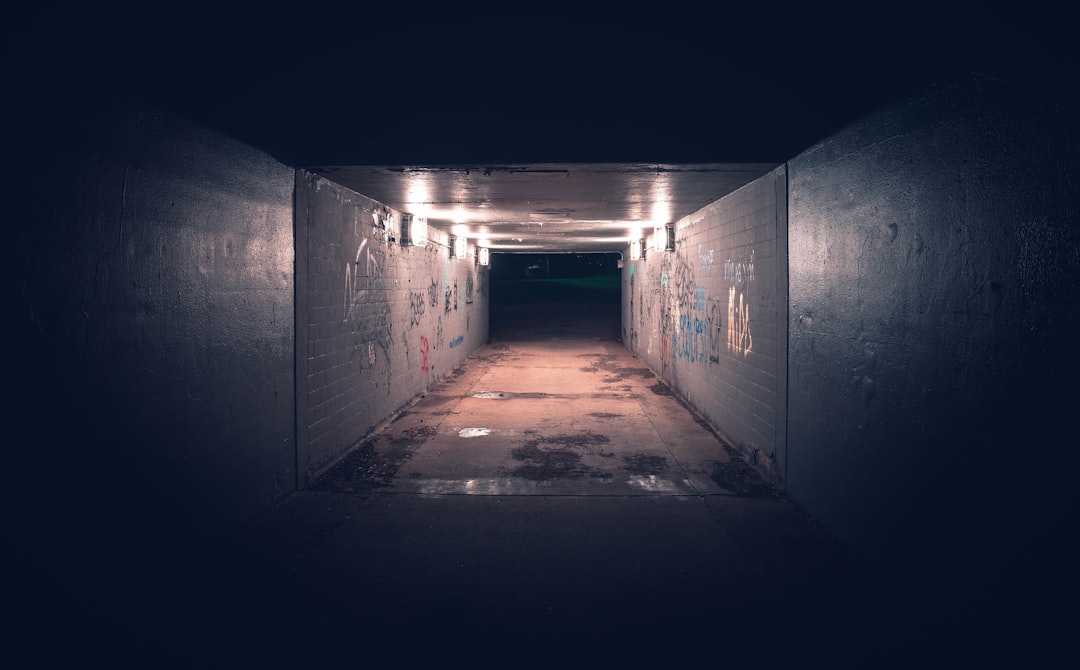
Beneath the bustling streets of cities around the globe lies a hidden world, a labyrinth of tunnels and passageways that often goes unnoticed by the average citizen. This subterranean realm is not merely a void; it is a complex network that serves various purposes, from transportation to utilities. The intricate systems of city tunnels are a testament to human ingenuity, reflecting the evolution of urban planning and infrastructure.
As people traverse the surface, they remain blissfully unaware of the bustling activity occurring just below their feet, where history, engineering, and mystery intertwine. The hidden world beneath urban landscapes is not just a physical space; it is a repository of stories and secrets waiting to be uncovered. These tunnels have witnessed the rise and fall of civilizations, serving as conduits for trade, escape routes during times of conflict, and even shelters during disasters.
The very ground that supports the weight of skyscrapers and busy streets is also home to a rich tapestry of history that continues to shape the cities above. As urban explorers and historians delve into these subterranean realms, they reveal layers of human experience that have long been forgotten or overlooked.
Key Takeaways
- City tunnels have a rich history, originating as essential underground networks for transportation and utilities.
- Many forgotten and abandoned tunnels reveal intriguing stories and architectural marvels beneath urban areas.
- Modern city tunnels serve diverse purposes, from transit systems to utility conduits, showcasing advanced engineering.
- Preserving these tunnels is crucial for cultural heritage and future urban development.
- The future of city tunnels involves innovative designs and sustainable technologies to meet growing urban demands.
The Origins of City Tunnels
The origins of city tunnels can be traced back to ancient civilizations, where the need for efficient transportation and resource management prompted the construction of underground passageways. The Romans, for instance, were pioneers in this field, creating extensive aqueduct systems that not only supplied water but also facilitated trade and communication across their vast empire. These early tunnels were often ingeniously designed, showcasing the engineering prowess of their time.
As cities grew in size and complexity, the demand for underground infrastructure became increasingly apparent. In medieval times, tunnels took on new significance as they provided essential routes for merchants and travelers. Many cities constructed underground passages to protect their inhabitants from invaders while allowing for the movement of goods and people.
These tunnels often connected important buildings such as castles, churches, and marketplaces, creating a web of interconnectivity that was crucial for urban life. Over time, the evolution of city tunnels reflected changing societal needs, adapting to advancements in technology and shifts in population dynamics.
Forgotten Underground Networks
As cities expanded and modernized, many of the original underground networks fell into disuse and were eventually forgotten. These abandoned tunnels, once bustling with activity, now lie silent beneath the surface, often shrouded in mystery. Some have been sealed off entirely, while others remain accessible only to those brave enough to explore their depths.
The stories embedded within these forgotten networks are rich with intrigue, offering glimpses into the lives of those who once relied on them. Urban explorers often seek out these hidden spaces, drawn by the allure of discovery and the thrill of venturing into the unknown. They document their findings through photography and storytelling, shedding light on the forgotten history that lies beneath modern cities.
These explorations not only serve as a reminder of the past but also raise questions about preservation and the importance of remembering the infrastructure that once played a vital role in urban life. The juxtaposition of old and new creates a fascinating narrative that continues to evolve as cities grow and change.
The Role of City Tunnels in History
| City | Tunnel Name | Year Completed | Length (km) | Primary Purpose | Historical Significance |
|---|---|---|---|---|---|
| London | Thames Tunnel | 1843 | 0.4 | Pedestrian and Railway | First underwater tunnel, pioneering engineering techniques |
| New York | Holland Tunnel | 1927 | 2.6 | Vehicular Traffic | First mechanically ventilated underwater vehicular tunnel |
| Paris | Paris Catacombs | Late 18th Century | 300 (network) | Quarry and Burial Site | Historical underground ossuary and city expansion solution |
| Tokyo | Tokyo Metro Tunnels | 1927 (first line) | Over 300 | Subway Transit | Facilitated urban mass transit and city growth |
| Boston | Big Dig Tunnels | 2007 | 7.5 | Vehicular Traffic | Major urban highway relocation project improving city landscape |
City tunnels have played a significant role in shaping historical events and societal developments throughout time. During periods of conflict, these underground passages often served as escape routes or hiding places for those seeking refuge from danger. For example, during World War II, many cities constructed extensive tunnel systems to protect civilians from bombings.
These networks provided safe passage for those fleeing danger and facilitated the movement of essential supplies. Moreover, city tunnels have been instrumental in fostering economic growth. They have enabled the efficient transport of goods and resources, connecting various parts of a city and facilitating trade.
The historical significance of city tunnels cannot be overstated; they are woven into the very fabric of urban life and continue to influence contemporary society.
The Intriguing Architecture of City Tunnels
The architecture of city tunnels is as diverse as the cities they inhabit. From grandiose stone archways reminiscent of ancient Roman engineering to utilitarian concrete structures designed for modern transportation systems, each tunnel tells its own story through its design. The aesthetic choices made by architects and engineers reflect not only functional considerations but also cultural values and artistic expressions prevalent at the time of construction.
Many city tunnels feature intricate designs that showcase craftsmanship and attention to detail. Decorative elements such as mosaics, carvings, and murals can be found in some tunnels, transforming them into underground galleries that celebrate local history and culture. In contrast, other tunnels prioritize functionality over aesthetics, employing minimalist designs that emphasize efficiency and safety.
Regardless of their appearance, these architectural marvels serve as vital arteries within urban environments, facilitating movement while also contributing to the character of the city.
Exploring the Modern-Day Uses of City Tunnels
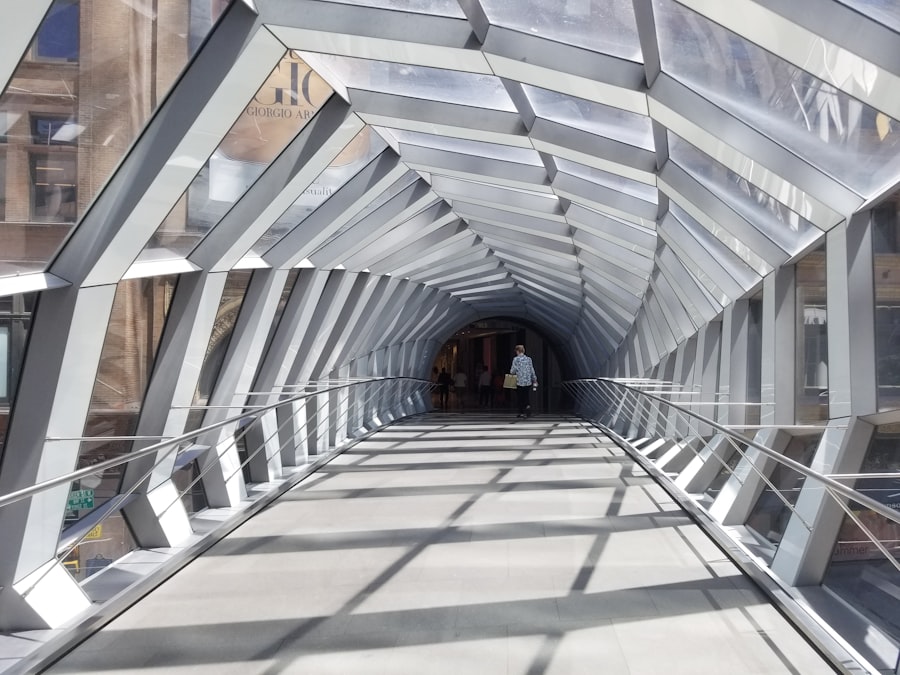
In contemporary urban landscapes, city tunnels continue to serve essential functions beyond their historical roles. Many modern cities have embraced underground infrastructure as a solution to growing population densities and traffic congestion. Subways and light rail systems are prime examples of how tunnels are utilized for public transportation, providing efficient means for commuters to navigate bustling urban centers.
Additionally, city tunnels are increasingly being repurposed for various uses beyond transportation. Some have been transformed into pedestrian walkways or bike paths, promoting sustainable modes of travel while enhancing accessibility within cities. Others serve as storage facilities for utilities such as water or electricity, ensuring that essential services remain uninterrupted even during adverse weather conditions.
As urban planners look toward the future, the potential for innovative uses of city tunnels remains vast.
The Mystery of Abandoned City Tunnels
Abandoned city tunnels evoke a sense of mystery and intrigue that captivates both historians and adventurers alike. These forgotten passageways often harbor secrets from bygone eras, offering glimpses into the lives of those who once traversed them. The allure of exploring these neglected spaces lies not only in their historical significance but also in the stories they tell about resilience and adaptation.
Many abandoned tunnels have become sites for urban exploration, attracting individuals eager to uncover their hidden narratives. As explorers navigate through crumbling walls and overgrown pathways, they encounter remnants of past lives—old signage, discarded artifacts, and even graffiti that speak to the passage of time. Each discovery adds another layer to the rich tapestry of history embedded within these underground networks, inviting further investigation into their origins and purpose.
Uncovering the Secrets of Underground Transportation
The secrets of underground transportation systems are often hidden from public view yet play a crucial role in maintaining the flow of urban life. Subways and metro systems are prime examples of how cities have harnessed underground space to alleviate surface congestion while providing efficient transit options for residents. These intricate networks require meticulous planning and engineering expertise to ensure safety and reliability.
Innovations in technology have led to advancements in tunnel construction methods, allowing for more efficient excavation processes and enhanced safety measures. Additionally, many cities are exploring sustainable transportation solutions that integrate electric trains or automated systems within their underground networks.
The future of underground transportation holds promise for creating more interconnected urban environments while reducing reliance on traditional vehicular traffic.
The Engineering Marvels of City Tunnels
The engineering feats associated with city tunnels are nothing short of remarkable. Constructing these subterranean structures requires advanced techniques and technologies that push the boundaries of what is possible. From tunneling machines capable of boring through solid rock to sophisticated ventilation systems designed to ensure air quality within confined spaces, engineers continually innovate to meet the challenges posed by underground construction.
One notable example is the use of tunnel boring machines (TBMs), which have revolutionized how tunnels are excavated. These massive machines can create smooth-walled tunnels with minimal disruption to the surface above, allowing for efficient construction even in densely populated areas. Additionally, advancements in materials science have led to stronger and more durable tunnel linings that can withstand environmental pressures over time.
The engineering marvels behind city tunnels exemplify human creativity and determination in overcoming obstacles while shaping urban landscapes.
The Future of City Tunnels
As urbanization continues to accelerate globally, the future of city tunnels appears promising yet challenging. Urban planners are increasingly recognizing the potential benefits of expanding underground infrastructure to accommodate growing populations while minimizing surface congestion. Innovative designs that incorporate green spaces or recreational areas within tunnel systems are gaining traction as cities seek to enhance livability while addressing environmental concerns.
Moreover, advancements in technology will likely play a pivotal role in shaping the future of city tunnels. Smart infrastructure solutions that integrate sensors for monitoring structural integrity or energy-efficient lighting systems could transform how these spaces are utilized and maintained. As cities evolve into smart urban environments, the integration of technology within tunnel systems will be essential for ensuring safety, efficiency, and sustainability.
Preserving and Protecting City Tunnels for Future Generations
Preserving city tunnels is crucial not only for maintaining historical integrity but also for ensuring their continued functionality in modern urban life. As cities grapple with issues such as climate change and population growth, safeguarding these underground networks becomes increasingly important. Efforts to document and restore abandoned tunnels can provide valuable insights into past engineering practices while offering opportunities for adaptive reuse.
Community engagement plays a vital role in preservation efforts as well. Raising awareness about the historical significance of city tunnels can foster appreciation among residents and encourage support for preservation initiatives. Collaborative projects involving local governments, historians, engineers, and community members can lead to innovative solutions that honor the past while addressing contemporary needs.
By prioritizing preservation efforts today, cities can ensure that future generations inherit a rich legacy rooted in their subterranean histories. In conclusion, city tunnels represent a fascinating intersection between history, engineering, and urban life. From their origins in ancient civilizations to their modern-day applications, these hidden networks continue to shape our cities in profound ways.
As exploration reveals forgotten stories beneath our feet, it becomes clear that preserving this underground heritage is essential for understanding our past while paving the way for a sustainable future.
The secret history of city tunnels reveals fascinating stories about urban development and hidden infrastructure that often go unnoticed. For those interested in exploring more about the intricate networks beneath our cities, a related article can be found at My Geo Quest, which delves into the mysteries and engineering marvels of subterranean passages.
WATCH THIS! The Map You Can’t See: America’s $50 Billion Secret Underground City
FAQs
What are city tunnels?
City tunnels are underground passageways constructed beneath urban areas. They serve various purposes, including transportation, utilities, and pedestrian movement.
Why were city tunnels originally built?
Many city tunnels were initially built for practical reasons such as facilitating transportation (subways, railways), housing utility lines (water, sewage, electricity), or providing secret routes for military or political purposes.
How old are some of the oldest city tunnels?
Some of the oldest city tunnels date back to ancient times, such as the Cloaca Maxima in Rome, which was constructed around 600 BCE as a drainage system.
Are city tunnels still in use today?
Yes, many city tunnels are actively used today for public transportation, utility infrastructure, and pedestrian pathways. Some historical tunnels have been repurposed for tourism or cultural events.
What is the “secret history” of city tunnels?
The “secret history” often refers to lesser-known facts about tunnels, such as their use for smuggling, secret military operations, hidden escape routes, or underground societies that have existed beneath cities.
How are city tunnels constructed?
City tunnels are typically constructed using methods like cut-and-cover, boring machines, or hand excavation, depending on the era, location, and purpose of the tunnel.
Are there any famous city tunnels with historical significance?
Yes, examples include the Paris Catacombs, London’s Tube tunnels, and the Prohibition-era tunnels in cities like Chicago and New York, which were used for smuggling alcohol.
Can the public access city tunnels?
Access varies; some tunnels are open to the public as part of transportation systems or tours, while others are restricted due to safety, security, or preservation reasons.
What challenges are associated with maintaining city tunnels?
Challenges include structural integrity, water leakage, ventilation, safety regulations, and adapting old tunnels to modern standards.
How have city tunnels influenced urban development?
City tunnels have enabled efficient transportation, expanded utility networks, and influenced city planning by allowing cities to grow vertically and manage space more effectively.