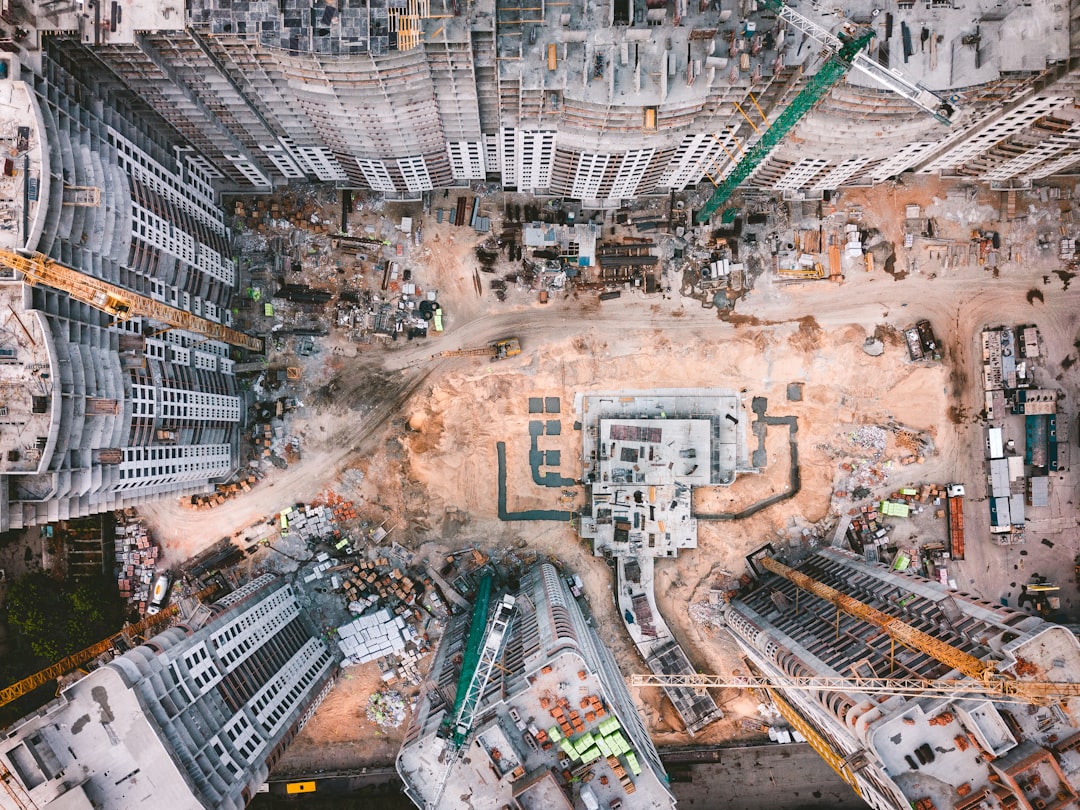
Urban infrastructure serves as the backbone of modern cities, facilitating the daily lives of millions. It encompasses a wide array of systems and services that are essential for the functioning of urban environments, including transportation networks, utilities, and communication systems. As cities continue to grow and evolve, the complexity of their infrastructure becomes increasingly apparent.
Urban infrastructure not only supports economic activities but also plays a crucial role in enhancing the quality of life for residents. Understanding the intricacies of urban infrastructure is vital for city planners, policymakers, and citizens alike, as it directly impacts urban sustainability and resilience. The significance of urban infrastructure extends beyond mere functionality; it shapes the very character of cities.
From the roads that connect neighborhoods to the water systems that provide clean drinking water, each component contributes to the overall health and vibrancy of urban life. As cities face challenges such as population growth, climate change, and technological advancements, the need for robust and adaptable infrastructure becomes more pressing. This article delves into various aspects of urban infrastructure, particularly focusing on the often-overlooked hidden elements that play a critical role in supporting urban ecosystems.
Key Takeaways
- Hidden infrastructure, including underground utilities and communication networks, is crucial for urban functionality.
- Transportation and technology systems form the backbone of modern city infrastructure.
- Maintaining and upgrading hidden infrastructure presents significant challenges for urban planners.
- Innovations in monitoring technologies are improving the management of concealed urban systems.
- Understanding hidden infrastructure is essential for sustainable and smart city development.
The Role of Hidden Infrastructure in Cities
Hidden infrastructure refers to the systems and services that operate beneath the surface or are otherwise not immediately visible to the public eye. These components are essential for the seamless operation of urban environments, yet they often go unnoticed until a failure occurs. Examples include underground utilities such as water, sewage, and electricity lines, as well as transportation tunnels and communication networks.
The role of hidden infrastructure is multifaceted; it not only supports essential services but also contributes to the overall efficiency and sustainability of urban areas. The importance of hidden infrastructure cannot be overstated. It enables cities to function smoothly by providing essential services that residents rely on daily.
For instance, without a reliable sewage system, public health would be at risk, leading to potential outbreaks of disease. Similarly, underground electrical grids ensure that homes and businesses have access to power without the visual clutter of overhead lines. As urban populations continue to swell, the demand for these hidden systems will only increase, necessitating a greater focus on their maintenance and development.
Underground Utilities and Services

Underground utilities form a critical component of urban infrastructure, providing essential services such as water supply, sewage disposal, electricity distribution, and telecommunications. These systems are typically buried beneath streets and sidewalks, making them largely invisible to the public. However, their significance is profound; they are responsible for delivering vital resources that sustain urban life.
The design and maintenance of these utilities require careful planning and coordination among various stakeholders to ensure reliability and efficiency. The management of underground utilities presents unique challenges. Aging infrastructure can lead to frequent disruptions, such as water main breaks or power outages, which can have cascading effects on urban life.
Moreover, as cities expand and develop, the need for new utility installations often conflicts with existing systems. This necessitates innovative solutions for integrating new technologies while maintaining the integrity of older infrastructure. As cities strive for sustainability, there is an increasing emphasis on upgrading these systems to be more resilient against climate change and other environmental pressures.
Transportation Networks and Infrastructure
| Metric | Description | Example Value | Unit |
|---|---|---|---|
| Road Network Length | Total length of roads in a region | 120,000 | km |
| Railway Network Length | Total length of railway tracks | 15,500 | km |
| Number of Airports | Total operational airports | 45 | Count |
| Public Transit Ridership | Average daily passengers on public transit | 2,500,000 | Passengers/day |
| Bridge Count | Total number of bridges in the network | 3,200 | Count |
| Average Commute Time | Average time spent commuting | 35 | Minutes |
| Freight Rail Volume | Annual freight transported by rail | 500 | Million tons |
| Port Throughput | Annual cargo handled by ports | 150 | Million tons |
Transportation networks are another vital aspect of urban infrastructure that significantly influences city dynamics. These networks encompass roads, railways, subways, and pedestrian pathways that facilitate movement within urban areas. Efficient transportation systems are crucial for economic growth, as they enable the flow of goods and people.
However, much of this infrastructure is hidden from view; for example, subway systems operate underground while roadways often conceal extensive networks of drainage and utility lines beneath their surfaces. The design and maintenance of transportation infrastructure require a delicate balance between accessibility and sustainability. Urban planners must consider not only current transportation needs but also future growth patterns and environmental impacts.
As cities adapt to these innovations, they must also address issues related to congestion, pollution, and equitable access to transportation options.
Communication and Technology Infrastructure
In today’s digital age, communication and technology infrastructure has become an integral part of urban life. This includes everything from internet connectivity to cellular networks that enable seamless communication among residents. Much like other forms of hidden infrastructure, these systems operate behind the scenes but are essential for modern living.
The rapid advancement of technology has transformed how cities function, making reliable communication networks a necessity for economic competitiveness and social interaction. The expansion of communication infrastructure poses its own set of challenges. As demand for high-speed internet and mobile connectivity grows, cities must invest in upgrading existing networks while ensuring equitable access for all residents.
This often involves complex coordination among various service providers and government agencies. Additionally, as cities become more reliant on technology for services such as traffic management and public safety, the resilience of communication networks becomes paramount. Ensuring that these systems can withstand disruptions—whether from natural disasters or cyber threats—is critical for maintaining urban functionality.
The Impact of Hidden Infrastructure on Urban Development

Hidden infrastructure significantly influences urban development patterns and land use decisions. The presence or absence of reliable utilities can determine where businesses choose to locate or where new housing developments are built. For instance, areas with robust water supply systems and efficient waste management are more attractive to developers than those lacking these essential services.
Consequently, understanding the distribution and condition of hidden infrastructure is crucial for effective urban planning. Moreover, hidden infrastructure can shape social equity within cities. Areas with outdated or insufficient utilities may experience higher rates of poverty or limited access to essential services.
This disparity can perpetuate cycles of inequality and hinder overall community development. As cities strive for inclusivity and sustainability, addressing these hidden disparities becomes increasingly important. By investing in upgrading hidden infrastructure in underserved areas, cities can promote equitable growth and improve quality of life for all residents.
Challenges in Maintaining and Upgrading Hidden Infrastructure
Maintaining and upgrading hidden infrastructure presents numerous challenges for urban planners and policymakers. One significant issue is funding; many cities struggle to allocate sufficient resources for infrastructure maintenance due to competing budgetary priorities. Aging systems often require extensive repairs or replacements that can be costly and time-consuming.
Additionally, the complexity of coordinating multiple stakeholders—such as utility companies, government agencies, and community organizations—can complicate efforts to implement necessary upgrades. Another challenge lies in public awareness and engagement regarding hidden infrastructure issues. Many residents may not fully understand the importance of these systems until a failure occurs, leading to a lack of support for funding initiatives or policy changes aimed at improving them.
Effective communication strategies are essential for raising awareness about the significance of hidden infrastructure and garnering public support for necessary investments.
Innovations in Uncovering and Monitoring Hidden Infrastructure
As cities grapple with the challenges associated with hidden infrastructure, innovative technologies are emerging to aid in monitoring and managing these systems more effectively. Geographic Information Systems (GIS) allow urban planners to visualize underground utilities and assess their condition in real-time. This technology enables more informed decision-making regarding maintenance schedules and upgrades while minimizing disruptions to surface activities.
Additionally, advancements in sensor technology are revolutionizing how cities monitor their hidden infrastructure. Sensors can detect leaks in water lines or monitor the structural integrity of bridges without requiring extensive excavation or disruption to surface activities. These innovations not only enhance efficiency but also contribute to proactive maintenance strategies that can prevent costly failures before they occur.
Environmental Considerations in Urban Infrastructure
Environmental considerations play a crucial role in shaping urban infrastructure development and management practices. As cities face increasing pressures from climate change—such as rising sea levels and extreme weather events—there is a growing recognition of the need for sustainable infrastructure solutions.
For instance, green infrastructure approaches—such as permeable pavements or green roofs—can help manage stormwater runoff while improving air quality in urban areas. Similarly, integrating renewable energy sources into utility systems can reduce reliance on fossil fuels and lower greenhouse gas emissions. By prioritizing environmental considerations in urban infrastructure planning, cities can create more sustainable communities that are better equipped to adapt to future challenges.
The Future of Hidden Infrastructure in Smart Cities
The concept of smart cities is rapidly gaining traction as urban areas seek to leverage technology for improved efficiency and quality of life. Hidden infrastructure will play a pivotal role in this transformation by enabling data-driven decision-making processes that enhance service delivery across various sectors. For example, smart sensors embedded within utility lines can provide real-time data on usage patterns or detect anomalies that may indicate potential failures.
As cities embrace smart technologies, there is also an opportunity to foster greater public engagement in infrastructure management. Mobile applications could allow residents to report issues related to hidden infrastructure or access information about ongoing maintenance projects in their neighborhoods. By involving citizens in these processes, cities can cultivate a sense of ownership over their infrastructure while ensuring that it meets the needs of diverse communities.
The Importance of Understanding Hidden Urban Infrastructure
In conclusion, understanding hidden urban infrastructure is essential for fostering sustainable development in modern cities. These often-overlooked systems play a critical role in supporting essential services while shaping social equity and economic growth patterns within urban environments. As cities continue to evolve amidst various challenges—ranging from population growth to climate change—the need for robust maintenance strategies and innovative solutions becomes increasingly apparent.
By prioritizing investments in hidden infrastructure and leveraging emerging technologies for monitoring and management, cities can enhance their resilience while improving quality of life for all residents. Ultimately, recognizing the significance of hidden infrastructure will empower urban planners, policymakers, and citizens alike to create more sustainable communities that thrive in an ever-changing world.
The hidden infrastructure of cities plays a crucial role in their functionality and sustainability, often going unnoticed by the average citizen. For a deeper understanding of this topic, you can explore the article on urban infrastructure at this link. This resource delves into the complexities of underground systems, including utilities and transportation networks, that support urban life and contribute to the overall efficiency of metropolitan areas.
WATCH THIS! The Map You Can’t See: America’s $50 Billion Secret Underground City
FAQs
What is meant by the hidden infrastructure of cities?
Hidden infrastructure refers to the essential systems and networks beneath urban areas that support city functions but are not visible to the public. This includes utilities like water pipes, sewage systems, electrical cables, gas lines, telecommunications networks, and transportation tunnels.
Why is hidden infrastructure important for cities?
Hidden infrastructure is crucial because it ensures the delivery of vital services such as clean water, electricity, waste management, and communication. It supports public health, safety, and the overall functioning and growth of urban environments.
What are common types of hidden infrastructure found in cities?
Common types include water supply and sewage pipes, stormwater drainage systems, electrical and fiber optic cables, natural gas pipelines, subway tunnels, and underground storage facilities.
How do cities maintain their hidden infrastructure?
Cities maintain hidden infrastructure through regular inspections, repairs, upgrades, and monitoring using technologies like sensors, cameras, and geographic information systems (GIS). Maintenance is often coordinated by municipal departments or utility companies.
What challenges are associated with hidden infrastructure?
Challenges include aging systems, limited accessibility for repairs, risk of damage during construction, lack of accurate records, and the high cost of upgrades. These issues can lead to service disruptions and safety hazards.
How does hidden infrastructure impact urban planning?
Urban planners must consider hidden infrastructure when designing new developments or upgrading existing areas to ensure compatibility, avoid damage, and optimize the use of underground space. Proper planning helps improve resilience and sustainability.
Can hidden infrastructure be made more visible or accessible?
While the infrastructure itself remains underground, cities can improve accessibility through better mapping, digital visualization tools, and creating dedicated access points. Public awareness initiatives can also help people understand the importance of these systems.
What role does technology play in managing hidden infrastructure?
Technology enables better monitoring, predictive maintenance, and efficient management of hidden infrastructure. Innovations like smart sensors, drones, and AI-driven analytics help detect issues early and optimize resource allocation.
How does hidden infrastructure affect city resilience?
Robust hidden infrastructure enhances a city’s resilience by ensuring continuous service during emergencies, natural disasters, or system failures. Well-maintained infrastructure supports quick recovery and reduces the impact of disruptions.
Are there environmental considerations related to hidden infrastructure?
Yes, hidden infrastructure can impact the environment through energy use, potential leaks or contamination, and land use. Sustainable design and materials, along with efficient operation, help minimize environmental footprints.