
Energy supply chains are the backbone of modern economies, facilitating the production, distribution, and consumption of energy resources. They encompass a complex network of processes that include extraction, refining, transportation, and delivery of energy in various forms, such as oil, natural gas, and electricity. The efficiency and reliability of these supply chains are crucial for ensuring that energy reaches consumers and industries without interruption.
As societies become increasingly dependent on energy for technological advancements and economic growth, the significance of robust energy supply chains cannot be overstated. Moreover, energy supply chains play a pivotal role in addressing global challenges such as climate change and energy security. With the transition towards renewable energy sources, the dynamics of these supply chains are evolving.
The integration of sustainable practices into energy supply chains is essential for reducing carbon footprints and promoting environmental stewardship. As nations strive to meet their energy needs while minimizing ecological impacts, the importance of resilient and adaptable energy supply chains becomes even more pronounced.
Key Takeaways
- Energy supply chains are crucial for ensuring the availability and distribution of energy resources to meet global demand.
- Vulnerabilities in energy supply chains, such as natural disasters and geopolitical conflicts, can lead to disruptions in the flow of energy resources.
- Disruptions in energy supply chains can have far-reaching impacts on economies, industries, and the daily lives of people.
- Technology plays a key role in enhancing the efficiency, reliability, and resilience of energy supply chains.
- Environmental and geopolitical factors, such as climate change and international conflicts, can significantly impact the stability and security of energy supply chains.
Vulnerabilities in Energy Supply Chains
Despite their critical role, energy supply chains are fraught with vulnerabilities that can lead to significant disruptions. One major vulnerability lies in the reliance on specific geographic regions for energy resources. For instance, many countries depend heavily on oil and gas imports from politically unstable regions, making them susceptible to geopolitical tensions and conflicts.
Such dependencies can create bottlenecks in supply, leading to price volatility and energy shortages. Additionally, aging infrastructure poses another significant risk to energy supply chains. Many countries operate with outdated facilities and pipelines that are prone to failures and accidents.
Natural disasters, such as hurricanes or earthquakes, can exacerbate these vulnerabilities by damaging critical infrastructure. The interconnectedness of global energy markets means that disruptions in one region can have cascading effects worldwide, highlighting the need for a comprehensive understanding of these vulnerabilities.
The Impact of Disruptions in Energy Supply Chains
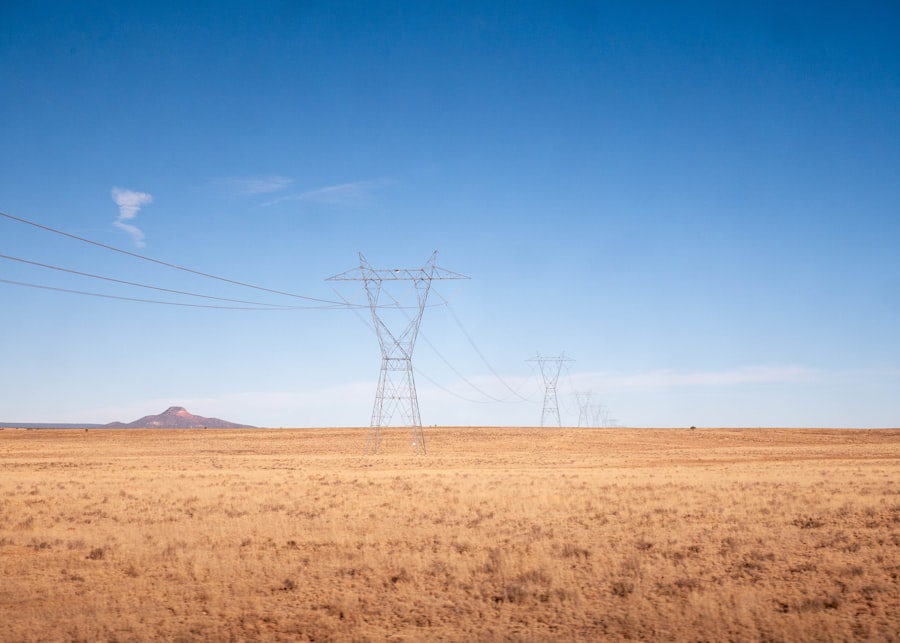
Disruptions in energy supply chains can have far-reaching consequences for economies and societies. When energy supplies are interrupted, industries may face production halts, leading to financial losses and job cuts. For consumers, disruptions can result in higher energy prices and limited access to essential services.
Moreover, the environmental implications of disrupted energy supply chains cannot be overlooked. In times of crisis, there may be a rush to exploit alternative energy sources that are less environmentally friendly, leading to increased emissions and ecological degradation.
Therefore, understanding the multifaceted impacts of disruptions is crucial for developing effective strategies to mitigate risks.
The Role of Technology in Energy Supply Chains
| Technology | Impact |
|---|---|
| Renewable Energy Sources | Reduction in carbon emissions |
| Smart Grids | Efficient energy distribution |
| IoT Sensors | Real-time monitoring of energy usage |
| Blockchain | Transparent and secure energy transactions |
| Artificial Intelligence | Optimization of energy supply chain operations |
Technology plays a transformative role in enhancing the efficiency and resilience of energy supply chains. Innovations such as smart grids, advanced data analytics, and blockchain technology are revolutionizing how energy is produced, distributed, and consumed. Smart grids enable real-time monitoring and management of energy flows, allowing for better demand response and integration of renewable energy sources.
This technological advancement not only improves efficiency but also enhances the reliability of energy supply. Furthermore, data analytics can provide valuable insights into supply chain operations, helping companies identify potential vulnerabilities and optimize their processes. Predictive analytics can forecast demand fluctuations and potential disruptions, enabling proactive measures to be taken.
Blockchain technology offers transparency and traceability in transactions within the energy sector, fostering trust among stakeholders and reducing the risk of fraud. As technology continues to evolve, its integration into energy supply chains will be essential for building a more resilient and sustainable future.
Environmental and Geopolitical Factors Affecting Energy Supply Chains
Environmental factors significantly influence the dynamics of energy supply chains. Climate change poses a growing threat to energy infrastructure through extreme weather events that can disrupt production and distribution networks. Rising sea levels may threaten coastal facilities, while droughts can impact hydropower generation.
As the frequency and intensity of such events increase, energy supply chains must adapt to mitigate these risks. Geopolitical factors also play a crucial role in shaping energy supply chains. Political instability in oil-rich regions can lead to supply disruptions that affect global markets.
Trade policies and international relations further complicate the landscape, as countries navigate tariffs and sanctions that impact energy imports and exports. The interplay between environmental challenges and geopolitical tensions necessitates a comprehensive approach to managing energy supply chains that considers both local and global contexts.
Strategies for Strengthening Energy Supply Chains
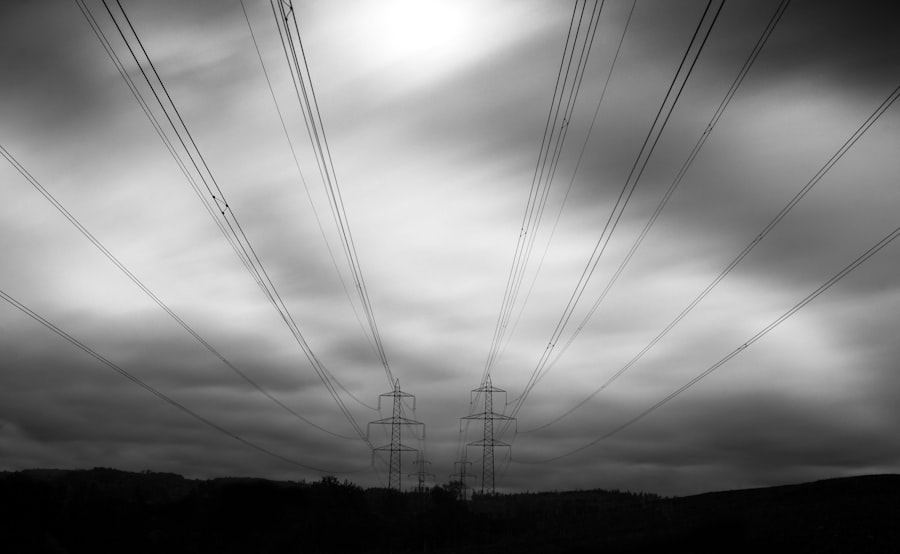
To enhance the resilience of energy supply chains, a multifaceted approach is required. Diversification of energy sources is one key strategy that can reduce dependence on any single resource or region. By investing in a mix of renewable energies alongside traditional fossil fuels, countries can create a more balanced energy portfolio that is less vulnerable to disruptions.
Additionally, investing in infrastructure modernization is critical for strengthening energy supply chains. Upgrading aging facilities and implementing advanced technologies can improve efficiency and reduce the risk of failures. Governments and private sectors must collaborate to ensure that investments are made strategically to bolster resilience against potential threats.
Furthermore, fostering partnerships among stakeholders within the energy sector can facilitate knowledge sharing and innovation, leading to more robust supply chain practices.
The Need for Resilience in Energy Supply Chains
Resilience in energy supply chains is not merely an option; it is a necessity in an increasingly unpredictable world. The ability to withstand shocks—whether from natural disasters, geopolitical conflicts, or market fluctuations—determines the stability of energy supplies. Building resilience involves not only preparing for potential disruptions but also having contingency plans in place to respond effectively when they occur.
A resilient energy supply chain is characterized by flexibility and adaptability. This means being able to pivot quickly in response to changing circumstances, whether that involves sourcing alternative suppliers or adjusting production methods. Training personnel to handle crises effectively is also essential for maintaining operational continuity during disruptions.
Ultimately, fostering resilience within energy supply chains will contribute to greater overall stability in economies and societies.
The Role of Government in Supporting Energy Supply Chains
Governments play a crucial role in supporting the integrity and resilience of energy supply chains through policy-making and regulation. By establishing clear frameworks for energy production and distribution, governments can create an environment conducive to investment and innovation within the sector. Incentives for renewable energy development can encourage diversification away from fossil fuels while promoting sustainability.
Moreover, governments must prioritize infrastructure investment to ensure that critical facilities are modernized and capable of withstanding potential disruptions. Public-private partnerships can be instrumental in achieving these goals by leveraging resources from both sectors to enhance resilience. Additionally, governments should engage with international partners to address global challenges affecting energy supply chains collaboratively.
The Future of Energy Supply Chains
The future of energy supply chains is poised for transformation as technological advancements continue to reshape the landscape. The shift towards decentralized energy systems—where local communities generate their own power—will alter traditional supply chain dynamics significantly. This decentralization can enhance resilience by reducing reliance on centralized facilities that are vulnerable to disruptions.
Furthermore, the increasing emphasis on sustainability will drive innovation within energy supply chains. Companies will need to adopt circular economy principles that minimize waste and promote resource efficiency throughout their operations. As consumer preferences shift towards greener options, businesses that prioritize sustainability will likely gain a competitive edge in the market.
Case Studies of Energy Supply Chain Disruptions
Examining case studies of past disruptions provides valuable insights into the vulnerabilities present within energy supply chains. For instance, Hurricane Katrina in 2005 severely impacted oil production in the Gulf of Mexico, leading to significant price spikes and fuel shortages across the United States. This event highlighted the importance of preparedness and infrastructure resilience in mitigating the effects of natural disasters on energy supplies.
Another notable example is the 2021 Texas winter storm that caused widespread power outages due to extreme cold temperatures affecting natural gas production and electricity generation. This incident underscored the need for better planning and investment in infrastructure capable of withstanding severe weather events—a lesson that resonates across many regions facing similar climate challenges.
Collaboration and Coordination in Energy Supply Chains
Collaboration among stakeholders is essential for enhancing the resilience of energy supply chains. This includes cooperation between governments, private companies, non-governmental organizations (NGOs), and local communities. By working together, these entities can share knowledge, resources, and best practices that contribute to more robust supply chain management.
Coordination is particularly important during times of crisis when rapid responses are necessary to mitigate disruptions’ impacts. Establishing communication channels among stakeholders ensures that information flows efficiently during emergencies, allowing for timely decision-making and resource allocation. Ultimately, fostering a culture of collaboration will strengthen the entire ecosystem surrounding energy supply chains, making them more resilient against future challenges.
In conclusion, as global reliance on energy continues to grow amidst evolving environmental and geopolitical landscapes, understanding the intricacies of energy supply chains becomes paramount. By addressing vulnerabilities through strategic investments in technology and infrastructure while fostering collaboration among stakeholders, societies can build resilient systems capable of withstanding disruptions while promoting sustainable practices for future generations.
In recent years, the fragility of supply chains has become increasingly evident, particularly in the energy sector. Disruptions caused by geopolitical tensions, natural disasters, and pandemics have highlighted the vulnerabilities within these complex networks. An insightful article that delves into the intricacies of supply chain fragility in the energy sector can be found on MyGeoQuest. This article explores the various factors contributing to these vulnerabilities and discusses potential strategies for enhancing resilience. For a deeper understanding, you can read more about it by visiting this page.
WATCH THIS! One Narrow Strait Holds Global Economy Hostage
FAQs
What is supply chain fragility in the context of energy?
Supply chain fragility in the context of energy refers to the vulnerability of the energy supply chain to disruptions, such as natural disasters, geopolitical events, or technological failures. This fragility can lead to disruptions in the availability and distribution of energy resources, impacting industries and consumers.
What are some factors that contribute to supply chain fragility in the energy sector?
Factors that contribute to supply chain fragility in the energy sector include reliance on a limited number of energy sources, geopolitical tensions in energy-producing regions, aging infrastructure, and the interdependence of different components of the energy supply chain.
How does supply chain fragility in the energy sector impact businesses and consumers?
Supply chain fragility in the energy sector can lead to increased costs for businesses, disruptions in production and distribution, and potential shortages of energy resources for consumers. These impacts can have far-reaching effects on the economy and daily life.
What are some strategies to mitigate supply chain fragility in the energy sector?
Strategies to mitigate supply chain fragility in the energy sector include diversifying energy sources, investing in resilient infrastructure, improving supply chain transparency and visibility, and developing contingency plans for potential disruptions. Collaboration between industry stakeholders and government entities is also crucial in addressing supply chain fragility.