On September 9, 2010, a catastrophic event unfolded in San Bruno, California, when a natural gas pipeline exploded, resulting in a devastating fire that claimed the lives of eight individuals and destroyed numerous homes. The explosion sent a massive fireball into the sky, illuminating the night and leaving a lasting scar on the community. This tragic incident not only highlighted the potential dangers associated with aging infrastructure but also raised critical questions about safety protocols and regulatory oversight in the energy sector.
The San Bruno pipeline explosion serves as a poignant reminder of the vulnerabilities inherent in the transportation of hazardous materials and the dire consequences that can arise from lapses in safety measures. The aftermath of the explosion was felt far beyond the immediate vicinity of the blast. Families were displaced, neighborhoods were irrevocably altered, and a community was left grappling with grief and uncertainty.
As investigations unfolded, it became clear that this disaster was not merely an accident but rather a culmination of systemic failures in maintenance, oversight, and emergency response. The San Bruno tragedy prompted a nationwide reevaluation of pipeline safety standards and practices, igniting discussions about how to prevent such disasters from occurring in the future.
Key Takeaways
- The San Bruno pipeline explosion was a catastrophic event with significant community and environmental impact.
- Investigations revealed multiple factors, including maintenance issues and regulatory oversights, contributed to the explosion.
- The disaster prompted extensive legal actions and financial penalties against responsible parties.
- Recovery efforts focused on community support, environmental cleanup, and infrastructure repair.
- Lessons learned led to improved pipeline safety standards and future prevention strategies.
History of the Pipeline and its Maintenance
The pipeline involved in the San Bruno explosion was part of a larger network operated by Pacific Gas and Electric Company (PG&E), which has been a significant player in California’s energy landscape for over a century.
However, as time passed, questions arose regarding the adequacy of its maintenance and inspection protocols.
The aging infrastructure posed inherent risks, particularly as it traversed densely populated areas. PG&E’s maintenance practices came under scrutiny following the explosion. Investigators discovered that the company had not conducted sufficient inspections or adequately addressed known issues related to the pipeline’s integrity.
Internal documents revealed that PG&E had been aware of potential problems for years but had failed to take appropriate action to mitigate risks. This negligence raised alarms about the company’s commitment to safety and its responsibility to protect the communities it served. The history of the pipeline, marked by deferred maintenance and insufficient oversight, set the stage for a disaster that could have been prevented.
Investigation into the Cause of the Explosion

In the wake of the explosion, a comprehensive investigation was launched to determine its root causes. The National Transportation Safety Board (NTSB) took the lead in examining various factors that contributed to the disaster. Their findings revealed a complex interplay of technical failures, inadequate safety practices, and regulatory shortcomings.
One critical aspect of the investigation focused on the pipeline’s welds, which were found to be substandard and susceptible to failure under pressure. The NTSB’s investigation also highlighted deficiencies in PG&E’s emergency response protocols. The company had failed to promptly identify and respond to the rupture, exacerbating the situation and delaying critical firefighting efforts.
Furthermore, it became evident that PG&E’s communication with local emergency services was lacking, hindering coordinated response efforts during a time of crisis. The investigation underscored the need for improved training and preparedness among utility companies and emergency responders alike.
Possible Factors Contributing to the Explosion
| Factor | Description | Potential Impact | Likelihood |
|---|---|---|---|
| Gas Leak | Accumulation of flammable gas due to pipeline or equipment failure | High – Can cause large-scale explosion if ignited | Medium |
| Electrical Fault | Short circuit or spark from electrical equipment | Medium – Possible ignition source for flammable materials | Low |
| Human Error | Improper handling or maintenance procedures | High – Can lead to unsafe conditions or accidental ignition | Medium |
| Equipment Failure | Malfunction of safety valves, sensors, or containment systems | High – May result in uncontrolled release of hazardous substances | Medium |
| Chemical Reaction | Unintended reaction between incompatible substances | Medium – Can generate heat or gases leading to explosion | Low |
| External Impact | Physical damage from external sources such as vehicles or natural disasters | Medium – May compromise structural integrity | Low |
Several factors emerged as potential contributors to the San Bruno pipeline explosion. Aging infrastructure was a primary concern, as many pipelines across the country were installed decades ago and had not been adequately maintained or upgraded to meet modern safety standards. The specific segment of pipeline that ruptured had been identified as problematic in previous inspections, yet necessary repairs were not prioritized.
Additionally, external factors such as soil movement and environmental conditions played a role in exacerbating vulnerabilities within the pipeline system. The area surrounding San Bruno is known for its geological instability, which can impact underground pipelines over time. These environmental considerations, combined with PG&E’s inadequate maintenance practices, created a perfect storm for disaster.
The combination of human error and natural forces ultimately culminated in a tragedy that could have been avoided with more proactive measures.
Regulatory Oversight and Compliance
The San Bruno explosion raised significant questions about regulatory oversight within the pipeline industry. The federal agency responsible for regulating pipeline safety, the Pipeline and Hazardous Materials Safety Administration (PHMSA), faced criticism for its perceived inadequacies in enforcing compliance among utility companies like PG&E. Investigations revealed that while regulations existed, enforcement mechanisms were often weak, allowing companies to operate with minimal accountability.
In response to the explosion, lawmakers and regulatory bodies began to reevaluate existing safety standards and compliance measures. The incident served as a wake-up call for both state and federal agencies to strengthen oversight and ensure that utility companies prioritize safety above profit margins. Enhanced regulations aimed at improving inspection protocols, maintenance practices, and emergency response preparedness were proposed as essential steps toward preventing future disasters.
Impact on the Community and Environment
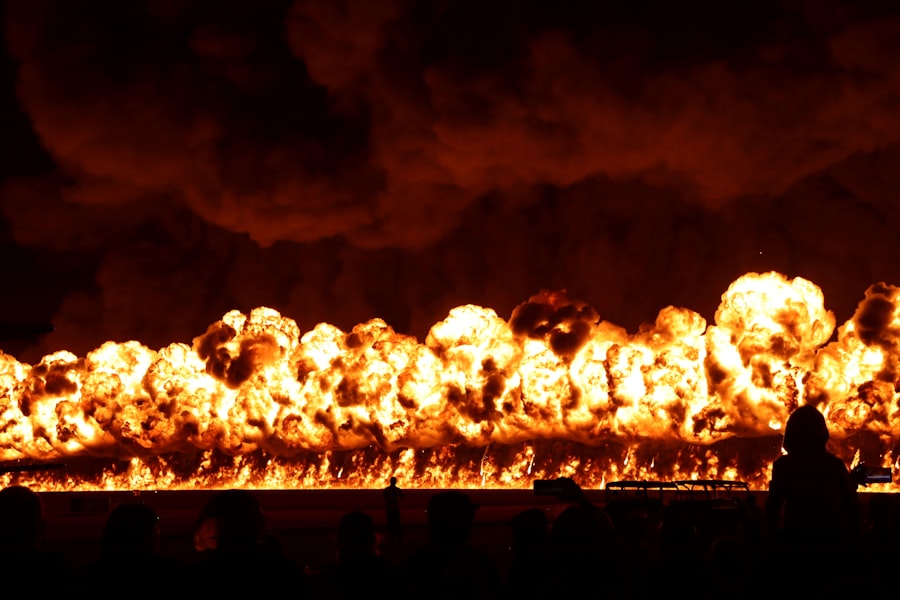
The impact of the San Bruno pipeline explosion reverberated throughout the community and beyond. Eight lives were lost, families were shattered, and entire neighborhoods were left in ruins. The destruction was not limited to physical structures; it extended to the emotional well-being of residents who witnessed the horror unfold before their eyes.
Many survivors faced long-term psychological effects as they grappled with trauma and loss. Moreover, the environmental consequences of the explosion were significant. The fire released harmful pollutants into the air, raising concerns about public health in the affected area.
Soil contamination from leaking gas posed additional risks to local ecosystems. The community’s recovery would require not only rebuilding homes but also addressing these environmental challenges to ensure a safe and healthy living environment for residents moving forward.
Response and Recovery Efforts
In the aftermath of the explosion, response efforts were swift but complicated by the scale of destruction. Local emergency services worked tirelessly to extinguish fires and provide medical assistance to those injured in the blast. However, challenges arose due to communication breakdowns between PG&E and emergency responders, which hindered coordinated efforts during a critical time.
Recovery efforts involved not only rebuilding homes but also providing support for displaced families. Local organizations rallied together to offer assistance, while government agencies provided resources for recovery initiatives. The process was lengthy and fraught with obstacles as residents navigated insurance claims and sought to rebuild their lives amidst ongoing uncertainty about safety measures in place for future incidents.
Legal and Financial Consequences
The legal ramifications of the San Bruno explosion were extensive. PG&E faced numerous lawsuits from victims’ families seeking justice for their losses. The company ultimately agreed to pay substantial settlements to affected individuals and families as part of its legal obligations following the disaster.
Additionally, regulatory fines were imposed on PG&E for its failure to adhere to safety standards and adequately maintain its infrastructure. Financially, PG&E’s reputation suffered significantly in the wake of the explosion. Shareholder confidence waned as investors grappled with potential liabilities stemming from lawsuits and regulatory penalties.
The company was forced to reevaluate its financial strategies while simultaneously investing in infrastructure improvements to restore public trust.
Lessons Learned and Changes in Pipeline Safety
The San Bruno tragedy served as a catalyst for change within the pipeline industry. Lessons learned from this disaster prompted a reevaluation of safety protocols across the nation. Utility companies began implementing more rigorous inspection practices, prioritizing maintenance on aging infrastructure, and investing in advanced technologies for monitoring pipeline integrity.
Furthermore, increased collaboration between regulatory agencies and utility companies emerged as a crucial component of improving safety standards. Enhanced training programs for emergency responders were developed to ensure preparedness in case of future incidents. The collective response to this tragedy underscored the importance of prioritizing safety over profit margins within an industry that carries inherent risks.
Future Prevention and Mitigation Strategies
Looking ahead, preventing similar disasters requires a multifaceted approach that encompasses technological advancements, regulatory reforms, and community engagement. Investment in modernizing aging infrastructure is paramount; replacing outdated pipelines with safer materials can significantly reduce risks associated with leaks or ruptures.
Public awareness campaigns can educate residents about pipeline safety measures while encouraging them to report any concerns regarding potential hazards. By prioritizing proactive measures over reactive responses, stakeholders can work collaboratively toward creating safer environments for all.
Conclusion and Reflection on the Tragedy
The San Bruno pipeline explosion stands as a tragic reminder of the consequences that can arise from neglecting safety protocols within critical infrastructure systems. As communities continue to heal from this devastating event, it is imperative that lessons learned are not forgotten but rather serve as guiding principles for future actions within the energy sector. Reflecting on this tragedy compels society to confront uncomfortable truths about aging infrastructure and regulatory shortcomings while emphasizing the need for vigilance in safeguarding public safety.
By prioritizing proactive measures, fostering collaboration among stakeholders, and investing in modern technologies, communities can work together toward preventing future disasters and ensuring a safer tomorrow for generations to come.
The San Bruno pipeline explosion, which tragically occurred in 2010, was attributed to a combination of factors including aging infrastructure and inadequate safety measures. For a deeper understanding of the regulatory environment surrounding pipeline safety, you can read a related article that discusses the implications of such incidents on policy and public safety. Check it out here: Pipeline Safety Regulations and Their Impact.
WATCH THIS! The Map You Can’t See: America’s $50 Billion Secret Underground City
FAQs
What caused the San Bruno pipeline explosion?
The San Bruno pipeline explosion was caused by a rupture in a natural gas pipeline operated by Pacific Gas and Electric Company (PG&E). Investigations revealed that the pipeline had a defective weld and was operating at a pressure higher than its design limits, which contributed to the failure.
When did the San Bruno pipeline explosion occur?
The explosion occurred on September 9, 2010, in the Crestmoor neighborhood of San Bruno, California.
What were the consequences of the explosion?
The explosion resulted in eight fatalities, dozens of injuries, and the destruction of 38 homes. It also caused significant damage to the surrounding area and led to widespread evacuations.
How was the pipeline inspected before the explosion?
Prior to the explosion, the pipeline was inspected using standard industry practices, but the inspections failed to detect the defective weld and other issues. The incident highlighted shortcomings in pipeline safety and inspection protocols.
What actions were taken after the explosion?
Following the explosion, PG&E faced investigations and legal actions. The company was fined and required to improve its pipeline safety measures. Regulatory agencies also implemented stricter oversight and updated safety regulations for natural gas pipelines.
Has PG&E made changes to prevent future incidents?
Yes, PG&E has undertaken extensive pipeline replacement programs, enhanced inspection and maintenance procedures, and improved emergency response protocols to prevent similar incidents in the future.
Who conducted the investigation into the explosion?
The National Transportation Safety Board (NTSB) led the federal investigation, with assistance from the California Public Utilities Commission (CPUC) and other agencies.
What lessons were learned from the San Bruno pipeline explosion?
The incident underscored the importance of rigorous pipeline integrity management, accurate record-keeping, pressure regulation, and timely replacement of aging infrastructure to ensure public safety.