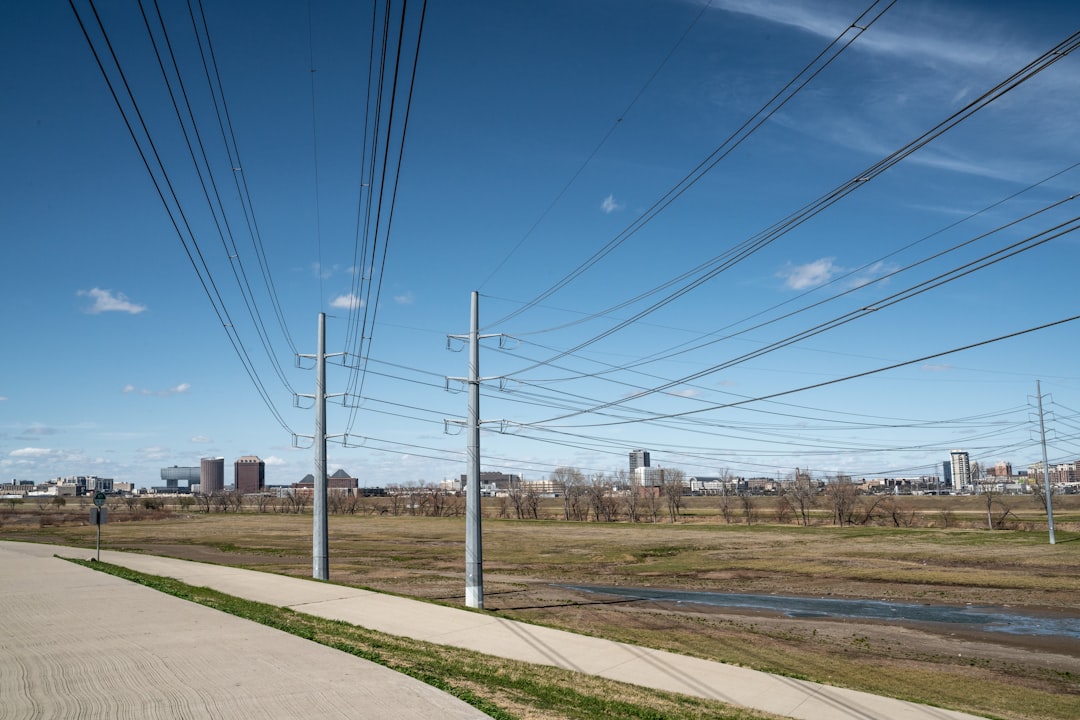
Abandoned utility lines pose significant risks to both public safety and the environment. These lines, often left in place when infrastructure is decommissioned, can become hazardous over time. They may be buried underground or left exposed, creating potential dangers for construction workers, utility personnel, and even unsuspecting members of the public.
The presence of these lines can lead to accidents, including explosions, electrocutions, and injuries from falls or entanglements. As urban areas expand and development projects increase, the likelihood of encountering these abandoned lines grows, making awareness and proper management essential. Moreover, the risks associated with abandoned utility lines extend beyond immediate physical dangers.
They can also lead to environmental contamination if hazardous materials leak from old pipes or cables. For instance, abandoned gas lines may still contain residual gas that could escape into the surrounding soil or atmosphere, posing a fire risk or contributing to air pollution. Similarly, old water lines can become breeding grounds for bacteria and other pathogens if they are not properly sealed.
The cumulative effect of these risks underscores the importance of addressing abandoned utility lines proactively.
Key Takeaways
- Abandoned utility lines pose significant safety and environmental risks if not properly identified and managed.
- Accurate tracing of these lines is crucial to prevent accidents and ensure compliance with legal regulations.
- Advanced technology plays a key role in effectively locating and mapping abandoned utility infrastructure.
- Implementing strict safety measures during tracing operations protects workers and surrounding communities.
- Learning from case studies and following best practices enhances the efficiency and safety of tracing abandoned utility lines.
Understanding the Potential Hazards
The potential hazards associated with abandoned utility lines are multifaceted and can vary depending on the type of utility involved. For example, abandoned electrical lines can pose a serious electrocution risk if they remain energized or if they are inadvertently disturbed during excavation or construction activities. Workers who are unaware of the presence of these lines may inadvertently come into contact with live wires, leading to severe injuries or fatalities.
Additionally, the risk of electrical fires increases when these lines are left unattended, as they may deteriorate over time and create short circuits. In contrast, abandoned gas lines present their own unique set of dangers. Even when decommissioned, these lines can retain residual gas that may leak into the surrounding environment.
This not only creates an explosion hazard but can also lead to long-term environmental damage if the gas contaminates soil and groundwater. Furthermore, the presence of abandoned water lines can result in flooding or erosion if they are not properly sealed off. Understanding these potential hazards is crucial for anyone involved in construction, excavation, or land development, as it allows them to take appropriate precautions and mitigate risks effectively.
Identifying Abandoned Utility Lines
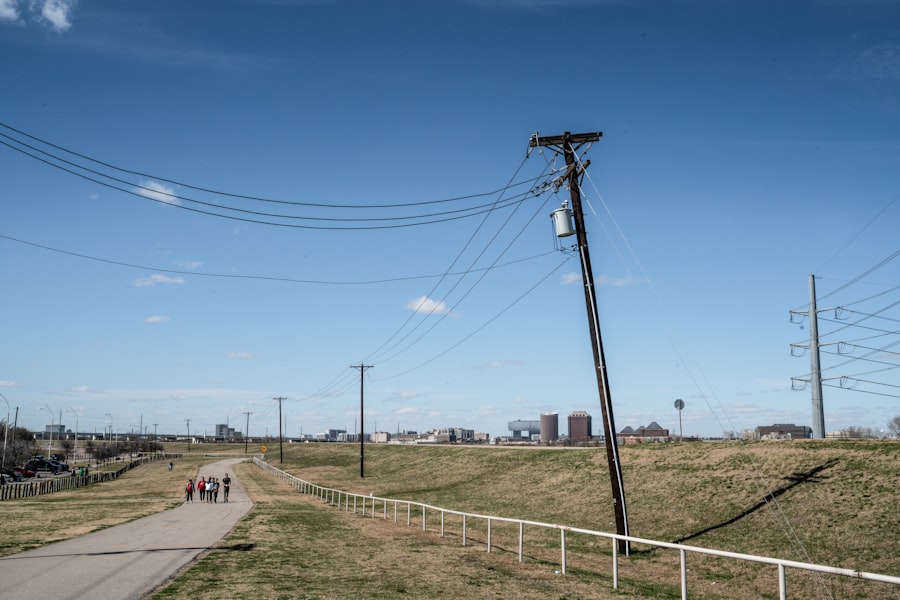
Identifying abandoned utility lines is a critical step in ensuring safety during construction and excavation projects. However, this task can be challenging due to the lack of accurate records and the potential for outdated maps. Many municipalities do not maintain comprehensive databases of utility lines, especially those that have been abandoned for years.
As a result, workers may find themselves unaware of the presence of these lines until it is too late. To address this issue, it is essential to employ a combination of research methods and physical inspections. One effective approach to identifying abandoned utility lines involves consulting historical records and maps.
Local government offices often have archives that include information about past utility installations and decommissioning activities. Additionally, utility companies may have records that detail the locations of their infrastructure, even if it has been abandoned. However, relying solely on documentation can be misleading; therefore, physical inspections using ground-penetrating radar (GPR) or electromagnetic detection tools can provide valuable insights into the presence of buried lines.
By combining these methods, workers can gain a clearer understanding of what lies beneath the surface.
The Importance of Proper Tracing
| Metric | Description | Impact of Proper Tracing | Impact of Poor Tracing |
|---|---|---|---|
| Issue Resolution Time | Average time taken to identify and fix issues | Reduced by up to 40% | Increased delays, often doubling resolution time |
| System Downtime | Duration systems are unavailable due to errors | Minimized downtime by early detection | Extended outages due to late problem identification |
| Debugging Efficiency | Effectiveness of developers in diagnosing problems | Improved clarity and faster debugging | Confusion and longer debugging cycles |
| Customer Satisfaction | Customer feedback and retention rates | Higher satisfaction due to reliable service | Lower satisfaction from frequent issues |
| Compliance and Auditing | Ability to track and verify system activities | Ensures regulatory compliance and traceability | Risk of non-compliance and audit failures |
Proper tracing of abandoned utility lines is vital for ensuring safety and preventing accidents during construction and excavation activities. When workers accurately trace these lines, they can avoid unintentional damage that could lead to hazardous situations. For instance, striking an abandoned gas line during excavation could result in a dangerous leak or explosion.
Similarly, damaging an electrical line could cause power outages or electrocution risks for workers on-site. Therefore, thorough tracing is not just a precaution; it is a necessary step in safeguarding lives and property. In addition to enhancing safety, proper tracing also contributes to more efficient project planning and execution.
When workers have a clear understanding of the location and condition of abandoned utility lines, they can make informed decisions about how to proceed with their work. This knowledge allows for better resource allocation and minimizes delays caused by unexpected discoveries during excavation.
Techniques for Tracing Abandoned Utility Lines
Several techniques are available for tracing abandoned utility lines, each with its own advantages and limitations. One common method involves using electromagnetic locators that detect the electromagnetic fields generated by buried utilities. These devices can help identify the approximate location of metal pipes or cables but may struggle with non-metallic materials such as plastic pipes.
Therefore, it is often necessary to use multiple techniques in conjunction to achieve accurate results. Another effective technique is ground-penetrating radar (GPR), which uses radar pulses to image the subsurface and identify anomalies that may indicate the presence of buried utilities. GPR is particularly useful for locating non-metallic utilities and can provide detailed information about their depth and condition.
However, interpreting GPR data requires specialized training and experience, as various factors such as soil composition can affect the accuracy of results. By employing a combination of electromagnetic locators and GPR technology, workers can enhance their ability to trace abandoned utility lines effectively.
The Role of Technology in Tracing

Technology plays a pivotal role in improving the accuracy and efficiency of tracing abandoned utility lines.
Geographic Information Systems (GIS) enable users to create detailed maps that integrate various data sources, including historical records and real-time survey data.
This technology allows for better visualization of utility networks and aids in planning construction projects while minimizing risks associated with abandoned lines. Additionally, mobile applications equipped with augmented reality (AR) capabilities are emerging as valuable tools for field workers. These applications can overlay digital information onto real-world views through smartphones or tablets, providing real-time guidance on the location of utilities as workers navigate job sites.
By harnessing these technological advancements, professionals in construction and excavation can enhance their ability to trace abandoned utility lines accurately while improving overall safety on-site.
Legal and Regulatory Considerations
Navigating the legal and regulatory landscape surrounding abandoned utility lines is essential for any organization involved in construction or excavation activities. Various laws and regulations govern how utilities must be managed when they are decommissioned or abandoned. Failure to comply with these regulations can result in significant legal liabilities, including fines or lawsuits stemming from accidents caused by improperly managed utility lines.
Moreover, obtaining necessary permits before beginning any excavation work is crucial to ensure compliance with local regulations. Many jurisdictions require contractors to notify utility companies before digging to allow for proper marking of existing utilities—both active and abandoned. Understanding these legal requirements not only helps protect workers but also fosters positive relationships with local authorities and utility providers.
Safety Measures for Tracing Abandoned Utility Lines
Implementing safety measures when tracing abandoned utility lines is paramount to protecting workers and minimizing risks on job sites. First and foremost, conducting thorough site assessments before beginning any excavation work is essential. This includes reviewing historical records, consulting with local utility companies, and utilizing advanced detection technologies to identify potential hazards.
Additionally, providing comprehensive training for workers on recognizing signs of abandoned utility lines is crucial. Workers should be educated about the specific risks associated with different types of utilities and trained in safe excavation practices. Personal protective equipment (PPE) should also be mandatory on-site to safeguard against potential accidents related to abandoned lines.
By prioritizing safety measures throughout the tracing process, organizations can significantly reduce the likelihood of incidents occurring during construction activities.
Environmental Impact of Abandoned Utility Lines
The environmental impact of abandoned utility lines cannot be overlooked when considering their risks and hazards. These lines can contribute to soil contamination if hazardous materials leak from old pipes or cables into the surrounding environment. For instance, abandoned gas lines may still contain residual gas that could escape into the atmosphere or groundwater, leading to air pollution or contamination of drinking water sources.
Furthermore, old water lines that are not properly sealed off can create issues such as erosion or flooding in nearby areas. The presence of these abandoned utilities can disrupt local ecosystems by altering natural water flow patterns or introducing pollutants into soil and waterways. Addressing the environmental impact of abandoned utility lines requires a proactive approach that includes proper decommissioning practices and ongoing monitoring to prevent long-term damage.
Case Studies: Uncovering Hidden Dangers
Several case studies highlight the hidden dangers associated with abandoned utility lines and underscore the importance of proper tracing techniques. One notable incident occurred in a suburban area where construction crews inadvertently struck an abandoned gas line while excavating for a new building project. The resulting explosion caused significant damage to nearby structures and resulted in injuries to several workers on-site.
Investigations revealed that there had been no prior knowledge of the line’s existence due to outdated records. Another case involved a city experiencing repeated flooding issues attributed to old water lines that had been left unsealed after abandonment. The leaking water contributed to soil erosion and compromised nearby infrastructure, leading to costly repairs for the municipality.
These case studies serve as stark reminders of the potential consequences associated with neglected abandoned utility lines and emphasize the need for diligent tracing efforts before any excavation work begins.
Best Practices for Tracing Abandoned Utility Lines
To effectively trace abandoned utility lines while minimizing risks, several best practices should be adopted by organizations involved in construction or excavation activities. First and foremost, conducting thorough pre-excavation research is essential; this includes reviewing historical records, consulting with local authorities, and engaging with utility companies to gather relevant information about past installations. Utilizing advanced detection technologies such as electromagnetic locators and ground-penetrating radar should be standard practice during site assessments.
Combining these methods enhances accuracy in identifying buried utilities while reducing reliance on potentially outdated maps alone. Additionally, fostering a culture of safety among workers through comprehensive training programs is crucial for ensuring everyone understands the risks associated with abandoned utility lines. Regular safety drills should be conducted to reinforce best practices on-site.
By implementing these best practices consistently across projects, organizations can significantly reduce risks associated with abandoned utility lines while promoting safer working environments for all involved parties.
Tracing abandoned utility lines is a crucial task for ensuring safety and planning future developments. For more insights on this topic, you can refer to a related article that discusses various methods and technologies used in the process. Check it out here: MyGeoQuest. This resource provides valuable information that can aid in understanding the complexities involved in locating and managing these lines.
WATCH THIS! The Map You Can’t See: America’s $50 Billion Secret Underground City
FAQs
What are abandoned utility lines?
Abandoned utility lines are old or unused underground cables, pipes, or conduits that were once active but have since been disconnected or decommissioned.
Why is it important to trace abandoned utility lines?
Tracing abandoned utility lines is crucial to avoid accidental damage during construction or excavation, ensure safety, prevent service interruptions, and comply with local regulations.
How are abandoned utility lines traced?
Abandoned utility lines are typically traced using specialized equipment such as ground-penetrating radar (GPR), electromagnetic locators, or by reviewing utility maps and records.
Can all abandoned utility lines be detected?
Not all abandoned utility lines can be easily detected, especially if they are made of non-metallic materials or if records are incomplete. Advanced detection methods may be required.
Who is responsible for tracing abandoned utility lines?
Responsibility varies by location but generally falls on property owners, contractors, or utility companies before any digging or construction work begins.
What risks are associated with not tracing abandoned utility lines?
Failing to trace abandoned utility lines can lead to accidental strikes causing injury, service outages, costly repairs, and legal liabilities.
Are there regulations regarding abandoned utility lines?
Yes, many regions have regulations requiring the identification and proper handling of abandoned utility lines to ensure public safety and infrastructure integrity.
How can property owners find out about abandoned utility lines on their land?
Property owners can contact local utility companies, use public utility records, or hire professional locating services to identify any abandoned lines on their property.
What should be done if an abandoned utility line is found during excavation?
If an abandoned utility line is discovered, work should stop immediately, and the appropriate utility company or a professional locator should be contacted to assess and safely manage the line.
Is it possible to remove abandoned utility lines?
Removal of abandoned utility lines is possible but can be complex and costly. Sometimes lines are left in place and properly marked instead of being removed.