
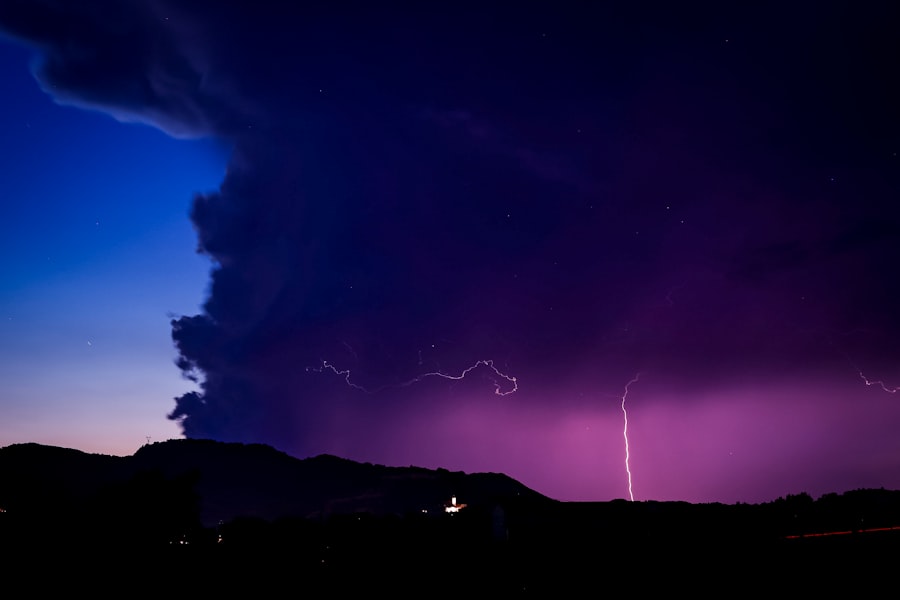
Geomagnetic storms are disturbances in the Earth’s magnetosphere caused by solar wind and solar flares. These storms can have profound effects on the planet’s magnetic field, leading to a variety of phenomena, including auroras and disruptions in satellite communications. The solar wind, a stream of charged particles emitted by the sun, interacts with the Earth’s magnetic field, creating fluctuations that can result in geomagnetic storms.
These storms are classified based on their intensity, with categories ranging from minor to extreme, each capable of causing varying degrees of disruption to technological systems. The implications of geomagnetic storms extend beyond mere visual spectacles like the Northern Lights. They can induce electric currents in power lines, potentially leading to widespread power outages.
Additionally, they can interfere with GPS systems, aviation navigation, and even radio communications.
The growing frequency of these storms, particularly during periods of heightened solar activity, underscores the need for preparedness and risk management strategies.
Key Takeaways
- Geomagnetic storms can cause significant damage, but many insurance policies lack adequate coverage for these events.
- Identifying and understanding common insurance gaps is crucial for ensuring proper protection against geomagnetic storm-related losses.
- Both insurance companies and government initiatives play key roles in improving coverage and addressing existing gaps.
- Proactive steps by individuals and businesses, including reviewing policies and purchasing specialized coverage, can mitigate risks.
- Future trends suggest increased awareness and development of tailored insurance products to better cover geomagnetic storm impacts.
The Impact of Geomagnetic Storms on Insurance Coverage
The impact of geomagnetic storms on insurance coverage is a complex issue that has garnered increasing attention in recent years. As the frequency and intensity of these storms rise, insurers are beginning to recognize the potential risks associated with geomagnetic disturbances. Traditional insurance policies often do not account for the specific damages that can arise from such events, leaving policyholders vulnerable to significant financial losses.
This gap in coverage can lead to disputes between insurers and insured parties when claims arise from geomagnetic storm-related damages. Moreover, the economic implications of geomagnetic storms can be staggering. A severe storm could result in extensive damage to electrical grids, satellites, and other critical infrastructure, leading to costly repairs and prolonged service interruptions.
Insurers may face substantial claims as businesses and individuals seek compensation for losses incurred during these events. Consequently, the insurance industry is being compelled to adapt its policies and coverage options to address these emerging risks more effectively. This evolution is essential not only for protecting policyholders but also for ensuring the stability of the insurance market as a whole.
Common Insurance Gaps in Geomagnetic Storm Coverage

Despite the growing awareness of geomagnetic storm risks, many insurance policies still contain significant gaps in coverage. One common issue is that standard property insurance often excludes damages caused by electromagnetic interference or surges resulting from geomagnetic storms. This exclusion can leave businesses and homeowners unprotected against the financial fallout from such events.
Additionally, many commercial insurance policies do not adequately address the potential for business interruption due to geomagnetic disturbances, which can be particularly damaging for companies reliant on technology and uninterrupted service. Another notable gap is the lack of specialized coverage options tailored specifically for geomagnetic storm risks. While some insurers are beginning to offer endorsements or riders that include coverage for these events, they remain relatively rare.
This lack of tailored options can lead to confusion among policyholders who may not fully understand their coverage limits or exclusions. As a result, many individuals and businesses may unknowingly operate without adequate protection against the unique threats posed by geomagnetic storms.
The Importance of Geomagnetic Storm Insurance
The importance of geomagnetic storm insurance cannot be overstated in today’s technology-driven world. As reliance on electronic systems continues to grow, so does the potential for catastrophic losses resulting from geomagnetic disturbances. Insurance coverage specifically designed to address these risks can provide peace of mind for individuals and businesses alike.
It serves as a financial safety net that can mitigate the economic impact of a geomagnetic storm, allowing policyholders to recover more swiftly from any damages incurred. Furthermore, having appropriate insurance coverage can encourage proactive risk management strategies. Businesses that invest in geomagnetic storm insurance may be more inclined to assess their vulnerabilities and implement measures to protect their assets from potential disruptions.
This proactive approach not only enhances resilience but also fosters a culture of preparedness within organizations. In an era where natural disasters and technological disruptions are becoming increasingly common, having specialized insurance coverage is a critical component of comprehensive risk management.
How to Identify Geomagnetic Storm Insurance Gaps
| Metric | Description | Value / Data | Notes |
|---|---|---|---|
| Estimated Annual Economic Loss from Geomagnetic Storms | Projected financial impact on infrastructure and economy | 10-50 billion USD | Varies by region and storm severity |
| Percentage of Insurance Policies Covering Geomagnetic Storm Damage | Proportion of policies explicitly including geomagnetic storm coverage | Less than 5% | Most policies exclude or do not mention geomagnetic events |
| Percentage of Insurance Claims Denied Due to Geomagnetic Storm Exclusions | Claims rejected because of policy exclusions related to geomagnetic storms | Approximately 90% | High denial rate due to lack of coverage |
| Number of Utilities with Dedicated Geomagnetic Storm Insurance | Utilities that have purchased specific insurance for geomagnetic storm risks | Fewer than 10% | Mostly large utilities in high-risk areas |
| Average Time to Recover from Geomagnetic Storm-Induced Power Outage | Duration for infrastructure restoration post-storm | Days to weeks | Longer recovery increases economic losses |
| Estimated Coverage Gap in Geomagnetic Storm Insurance | Difference between potential losses and insured amounts | Over 90% | Indicates significant underinsurance |
Identifying gaps in geomagnetic storm insurance coverage requires a thorough review of existing policies and an understanding of the specific risks associated with geomagnetic disturbances. Policyholders should begin by examining their current insurance documents to determine what types of coverage are included and what exclusions may apply. It is essential to look for language related to electromagnetic interference, power surges, and business interruption due to external events.
Additionally, consulting with an insurance professional who specializes in risk assessment can provide valuable insights into potential gaps in coverage. These experts can help policyholders understand their unique vulnerabilities based on their geographic location, industry, and reliance on technology. By conducting a comprehensive risk assessment, individuals and businesses can better identify areas where additional coverage may be necessary to protect against the financial repercussions of geomagnetic storms.
Steps to Take to Fill Geomagnetic Storm Insurance Gaps
Filling gaps in geomagnetic storm insurance coverage involves several strategic steps that policyholders can take to enhance their protection against potential losses. First and foremost, individuals and businesses should engage with their insurance providers to discuss their specific needs related to geomagnetic storm risks. This conversation may lead to the identification of additional coverage options or endorsements that can be added to existing policies.
Another important step is to consider investing in specialized insurance products designed explicitly for geomagnetic storm risks. Some insurers are beginning to offer tailored policies that address these unique threats more comprehensively. By exploring these options, policyholders can ensure they have adequate protection against potential damages caused by geomagnetic disturbances.
The Role of Insurance Companies in Addressing Geomagnetic Storm Coverage Gaps
Insurance companies play a pivotal role in addressing gaps in geomagnetic storm coverage through innovation and adaptation of their products. As awareness of the risks associated with geomagnetic storms grows, insurers are increasingly motivated to develop specialized policies that cater to these emerging threats. This evolution requires collaboration between insurers, scientists, and policymakers to create comprehensive solutions that effectively mitigate risks.
Moreover, insurers have a responsibility to educate their clients about the potential impacts of geomagnetic storms and the importance of adequate coverage. By providing resources and guidance on risk management strategies, insurance companies can empower policyholders to make informed decisions about their coverage needs. This proactive approach not only benefits individual clients but also contributes to the overall resilience of communities facing the threat of geomagnetic disturbances.
Government Initiatives to Address Geomagnetic Storm Insurance Gaps
Governments around the world are beginning to recognize the significance of geomagnetic storm risks and are taking steps to address insurance gaps associated with these events. Initiatives may include funding research into the impacts of geomagnetic storms on infrastructure and technology, as well as developing guidelines for insurers regarding coverage options related to these risks. By fostering collaboration between public and private sectors, governments can help create a more robust framework for managing geomagnetic storm threats.
Additionally, public awareness campaigns aimed at educating citizens about the potential impacts of geomagnetic storms can play a crucial role in promoting preparedness. By informing individuals and businesses about the importance of adequate insurance coverage and risk management strategies, governments can help mitigate the economic consequences of these natural phenomena.
The Future of Geomagnetic Storm Insurance Coverage
The future of geomagnetic storm insurance coverage is likely to evolve significantly as awareness of these risks continues to grow. Insurers will need to adapt their products and services to meet the changing landscape of risk management associated with geomagnetic disturbances. This evolution may include the development of more comprehensive policies that address not only direct damages but also indirect impacts such as business interruption and loss of income.
Furthermore, advancements in technology may enable insurers to better assess risks associated with geomagnetic storms through data analytics and modeling techniques. By leveraging real-time data on solar activity and its potential impacts on Earth’s magnetic field, insurers can refine their underwriting processes and offer more tailored coverage options that align with individual policyholder needs.
Case Studies of Geomagnetic Storm Insurance Gaps
Examining case studies related to geomagnetic storm insurance gaps provides valuable insights into the real-world implications of inadequate coverage. For instance, during the 1989 Quebec blackout caused by a severe geomagnetic storm, millions were left without power for hours due to damage sustained by electrical grids. Many businesses faced significant financial losses due to business interruption claims that were not adequately covered under standard policies at that time.
Another example is the 2003 Halloween solar storm event, which disrupted satellite communications and navigation systems across North America. Companies reliant on these technologies experienced operational challenges that highlighted gaps in their insurance coverage related to electromagnetic interference. These case studies underscore the urgent need for both individuals and businesses to reassess their insurance policies in light of potential geomagnetic storm impacts.
Tips for Individuals and Businesses to Protect Themselves from Geomagnetic Storms
To protect themselves from the potential impacts of geomagnetic storms, individuals and businesses should take proactive measures beyond securing adequate insurance coverage. One effective strategy is investing in surge protection devices for electronic equipment, which can help mitigate damage caused by electromagnetic interference during a storm event. Additionally, maintaining backup power systems can ensure continuity during power outages resulting from geomagnetic disturbances.
Developing contingency plans that outline steps to take during a geomagnetic storm can further enhance resilience against these unpredictable events. By combining proactive risk management strategies with appropriate insurance coverage, individuals and businesses can better safeguard themselves against the financial repercussions of geomagnetic storms.
In recent discussions about the increasing frequency of geomagnetic storms and their potential impact on infrastructure, it has become evident that many insurance policies do not adequately cover the damages caused by such events. A related article that delves into the specifics of these coverage gaps can be found at MyGeoQuest, where experts analyze the implications for businesses and homeowners alike. Understanding these gaps is crucial for anyone looking to safeguard their assets against the unpredictable nature of geomagnetic storms.
FAQs
What is a geomagnetic storm?
A geomagnetic storm is a temporary disturbance of the Earth’s magnetosphere caused by solar wind shock waves and/or cloud of magnetic field that interact with the Earth’s magnetic field. These storms can disrupt satellite operations, communication systems, and power grids.
How can a geomagnetic storm affect insurance coverage?
Geomagnetic storms can cause widespread damage to electrical and electronic systems, leading to power outages and equipment failures. However, many standard insurance policies may not explicitly cover damages resulting from geomagnetic storms, creating potential coverage gaps.
Are damages from geomagnetic storms typically covered under standard property insurance?
Standard property insurance policies often exclude damages caused by electromagnetic disturbances, including geomagnetic storms. Policyholders should review their coverage details to understand any exclusions or limitations related to such events.
What types of insurance policies might cover geomagnetic storm-related damages?
Specialized insurance policies, such as cyber insurance, business interruption insurance, or policies specifically designed for natural disasters and electromagnetic events, may offer coverage for damages caused by geomagnetic storms. It is important to consult with insurance providers to confirm coverage specifics.
Why are there coverage gaps for geomagnetic storm-related damages?
Coverage gaps exist because geomagnetic storms are relatively rare and complex events that can cause widespread and unpredictable damage. Insurers may exclude these events due to the difficulty in assessing risk and potential for large-scale claims.
How can businesses protect themselves against geomagnetic storm risks?
Businesses can mitigate risks by investing in specialized insurance policies that cover geomagnetic storm damages, implementing robust backup systems, and developing contingency plans to minimize operational disruptions during such events.
Is there any government assistance available for damages caused by geomagnetic storms?
Government assistance varies by country and region. Some governments may offer disaster relief programs or support for critical infrastructure recovery, but direct compensation for geomagnetic storm damages is generally limited. It is advisable to check with local authorities for available resources.
What should policyholders do to ensure adequate coverage for geomagnetic storm events?
Policyholders should carefully review their insurance policies, discuss potential coverage gaps with their insurance agents, and consider purchasing additional or specialized coverage to protect against geomagnetic storm-related damages.