
Central Asia, a region often characterized by its vast steppes, ancient Silk Road cities, and complex geopolitical landscape, possesses an infrastructure network that is simultaneously a testament to historical legacies, a crucible of contemporary development, and a harbinger of future aspirations. Understanding this intricate web of roads, rails, pipelines, and digital arteries is crucial for comprehending the region’s economic potential, its connectivity with global markets, and the everyday lives of its diverse populations. This article delves into the various facets of Central Asia’s infrastructure, revealing the underlying secrets that shape its present and dictate its future trajectory.
The infrastructure of Central Asia bears an indelible imprint of its Soviet past, a period marked by large-scale, centrally planned projects designed to integrate the region into the broader Soviet economic and strategic framework. These developments, while often impressive in their ambition and scale, also present a unique set of challenges in the post-Soviet era.
Railroads: The Steel Spine of the Steppe
During the Soviet period, extensive railway networks were constructed to facilitate the extraction of natural resources and the movement of goods and personnel across the vast Central Asian republics. These lines, often built to Russian gauge, formed the backbone of regional logistics, connecting remote resource-rich areas with industrial centers and ports. Today, they remain critical for internal trade and international transit.
- Continuing Dominance: Despite the emergence of new transportation modes, railroads continue to dominate freight transport in Central Asia. They are particularly essential for bulk commodities such as oil, gas, coal, and agricultural products.
- Gauge Discrepancies: The Russian gauge (1520 mm) differs from the standard gauge (1435 mm) used by China and Europe, necessitating transshipment points at borders. This “break of gauge” acts as a physical bottleneck, adding to transport costs and slowing down cargo movement.
- Modernization Efforts: Central Asian nations are actively pursuing modernization of their existing rail infrastructure. This includes upgrading tracks, signaling systems, and rolling stock, as well as electrifying key sections to improve efficiency and reduce environmental impact.
Irrigation Systems: Water’s Arteries and Veins
The Soviet era witnessed the construction of colossal irrigation systems, particularly in Uzbekistan and Turkmenistan, to support cotton cultivation – the infamous “white gold.” These complex networks of canals, reservoirs, and pumping stations transformed arid landscapes into fertile agricultural zones, albeit with significant ecological consequences.
- Ecological Footprint: The Aral Sea disaster, a direct consequence of excessive water diversion from the Amu Darya and Syr Darya rivers for irrigation, serves as a stark reminder of the ecological vulnerabilities inherent in such large-scale interventions.
- Hydropower Potential: Many of these water management systems also incorporated hydropower facilities, providing a crucial source of electricity for the region. The Nurek Dam in Tajikistan, for instance, stands as one of the world’s tallest dams, hydroelectric power to the entire region.
- Transboundary Water Management: The transboundary nature of Central Asia’s major rivers necessitates delicate cooperation among riparian states. The legacy of Soviet-era water allocation schemes continues to influence contemporary discussions and agreements on water sharing.
Energy Pipelines: The Lifelines of Hydrocarbons
Central Asia is rich in energy deposits, particularly natural gas and oil. The Soviet Union developed extensive pipeline networks to transport these resources to its western republics and beyond. These “steel serpents” continue to be vital conduits for the region’s energy exports.
- Geopolitical Significance: The routing and ownership of these pipelines are highly politicized, reflecting the geopolitical aspirations and leverage of both Central Asian states and external powers. New pipeline projects, such as the Turkmenistan-Afghanistan-Pakistan-India (TAPI) pipeline, aim to diversify export routes and reduce reliance on traditional pathways.
- Infrastructure Ageing: Many existing pipelines are aging and require substantial investment in maintenance and upgrades to ensure their safety and operational efficiency. The risk of leaks and environmental contamination is a constant concern.
- Diversification of Routes: The desire of Central Asian states to diversify their energy export routes is a defining characteristic of their current infrastructure development. This strategy aims to reduce dependence on any single country or transit corridor, thereby enhancing their economic security and foreign policy autonomy.
In exploring the intricate web of infrastructure developments in Central Asia, one can gain valuable insights from a related article that delves into the region’s hidden challenges and opportunities. This article highlights the strategic importance of transportation networks and energy projects that are shaping the future of Central Asia. For a deeper understanding of these dynamics, you can read more in the article available at this link.
Navigating the Challenges of Post-Soviet Transformation
The transition from a centrally planned economy to market-oriented systems has presented Central Asian nations with a unique set of challenges in managing, maintaining, and expanding their existing infrastructure. This transformation involves not only technical upgrades but also fundamental shifts in financing mechanisms, governance structures, and international partnerships.
Funding Deficits and Investment Gaps
The sheer scale of infrastructure needs in Central Asia often outpaces the financial capacities of individual states. Decades of underinvestment after the collapse of the Soviet Union have led to significant deterioration in many sectors.
- Reliance on External Financing: International financial institutions (IFIs) like the Asian Development Bank (ADB), the World Bank (WB), and the European Bank for Reconstruction and Development (EBRD) play a crucial role in funding major infrastructure projects.
- Chinese Investment: China’s Belt and Road Initiative (BRI) has emerged as a particularly significant source of infrastructure funding, especially for railway, road, and energy projects. This investment comes with both opportunities and potential concerns regarding debt sustainability and geopolitical influence.
- Private Sector Participation: Encouraging greater private sector involvement through Public-Private Partnerships (PPPs) is seen as a key strategy to bridge funding gaps and introduce efficiency gains. However, regulatory frameworks and investment climates need further strengthening to attract substantial private capital.
Governance and Corruption
Effective governance is paramount for successful infrastructure development. Central Asian states face ongoing challenges related to transparency, accountability, and the rule of law in project implementation.
- Transparent Procurement: Ensuring transparent and competitive procurement processes is essential to mitigate corruption risks, optimize project costs, and foster trust among international partners.
- Capacity Building: Strengthening the institutional capacity of government agencies responsible for planning, executing, and overseeing infrastructure projects is a continuous need. This includes expertise in project management, contract negotiation, and environmental and social safeguards.
- Regional Cooperation Mechanisms: Given the transboundary nature of many infrastructure projects, effective regional cooperation frameworks are vital. Initiatives like the Central Asia Regional Economic Cooperation (CAREC) Program aim to foster collaboration on transport, energy, and trade facilitation.
Climate Change and Environmental Resilience
Central Asia is highly vulnerable to the impacts of climate change, including increased temperatures, glacier melt, and more frequent extreme weather events. Infrastructure development must therefore integrate considerations of environmental resilience and sustainability.
- Water Scarcity and Glacier Melt: The region’s reliance on meltwater from glaciers for agriculture and hydropower makes it particularly susceptible to the effects of climate change. Infrastructure planning must account for changing hydrological patterns and promote water-efficient technologies.
- Disaster Preparedness: Roads, bridges, and other critical infrastructure are vulnerable to natural disasters such as landslides, mudslides, and floods. Investing in disaster-resilient design and early warning systems is crucial to protect these assets and ensure connectivity.
- Green Infrastructure: The adoption of “green infrastructure” solutions, such as renewable energy projects, energy-efficient building standards, and sustainable urban planning, can help mitigate climate change impacts and promote a more environmentally sound development pathway.
The Connectivity Revolution: Linking East and West
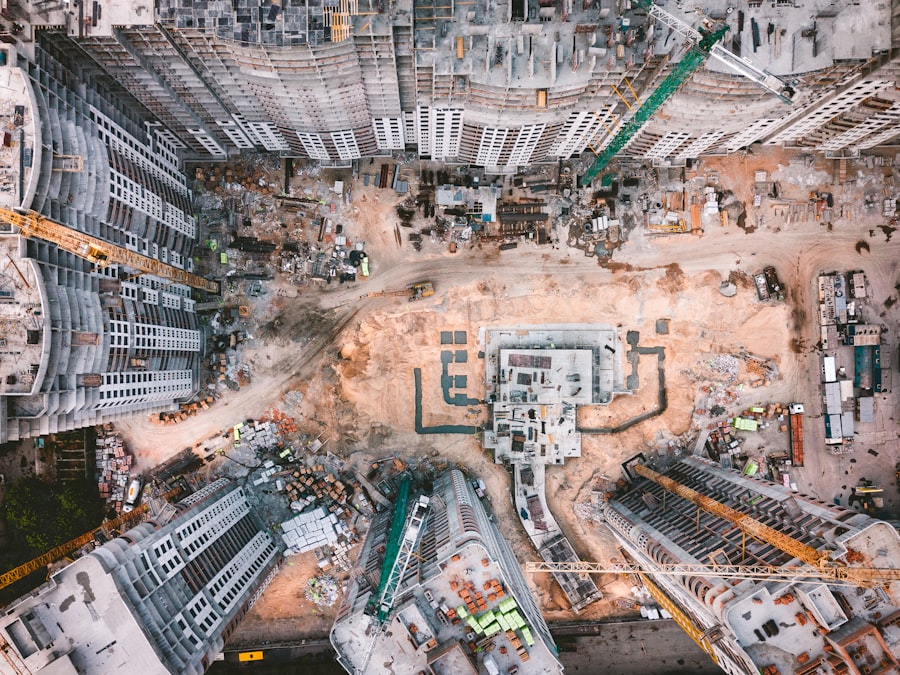
Central Asia’s strategic location, serving as a land bridge between Europe and Asia, has historically endowed it with immense potential for trade and transit. The vision of a revitalized Silk Road, enabled by modern infrastructure, is a driving force behind many ongoing projects.
Roads: Paving the Way for Regional Trade
The development of modern road networks is crucial for enhancing regional connectivity, reducing transit times, and facilitating trade in goods and services. These new arteries are not only improving the movement of goods but also fostering closer economic and social ties between neighboring countries.
- Pan-Central Asian Corridors: Initiatives such as the CAREC corridors aim to create seamless road networks connecting different parts of Central Asia with each other and with major external markets like China, Russia, and Europe.
- Border Crossing Modernization: Streamlining customs procedures and upgrading border crossing points are as important as building physical roads. Efficient border management reduces delays and enhances the overall efficiency of cross-border trade.
- Logistics Hubs: The establishment of modern logistics centers and dry ports along these corridors is essential for consolidating cargo, adding value through warehousing and processing, and improving the overall efficiency of supply chains.
Digital Infrastructure: The Information Superhighway
In an increasingly interconnected world, digital infrastructure is as vital as physical infrastructure. Central Asian nations are investing heavily in expanding internet access, developing data centers, and fostering a digital economy.
- Fiber Optic Networks: Laying new fiber optic cables is expanding high-speed internet access to urban and rural areas, bridging the digital divide and enabling greater participation in the global digital economy.
- E-Government Initiatives: Governments are increasingly leveraging digital platforms to deliver public services, improve efficiency, and enhance transparency. This requires robust underlying digital infrastructure and a skilled workforce.
- Regional Data Centers: The development of secure and reliable regional data centers is crucial for supporting cloud computing, big data analytics, and the growth of e-commerce.
Air Corridors and Logistics Hubs: Reaching for the Skies
While land-based transport remains dominant, the development of modern airports and air cargo facilities is essential for high-value goods, time-sensitive shipments, and bolstering tourism. This “sky highway” complements terrestrial routes, offering versatility and speed.
- Airport Modernization: Upgrading airport infrastructure, including runways, terminals, and air traffic control systems, is crucial for handling increased passenger and cargo volumes.
- Air Cargo Hubs: Developing specialized air cargo terminals and logistics zones around major airports can position Central Asia as a key transshipment point for air freight between East and West.
- Tourism Development: Improved air links are vital for attracting international tourists, who contribute significantly to local economies and provide an impetus for further infrastructure development, such as hotels and complementary services.
The Belt and Road Initiative’s Transformative Impact

China’s ambitious Belt and Road Initiative (BRI) has significantly reshaped the infrastructure landscape of Central Asia. Envisioned as a modern-day Silk Road, the BRI has catalyzed massive investments in transport, energy, and telecommunications, fundamentally altering strategic priorities.
New Transport Corridors: Bridging the Continent
BRI projects have focused on developing new and upgrading existing transport corridors that link Central Asia more directly with China and, in turn, with European markets. These corridors represent a significant reorientation of the regional economic compass.
- China-Central Asia-West Asia Economic Corridor: This corridor, a key component of the BRI, emphasizes multimodal transport links, including railways and roads, designed to shorten transit times and reduce logistical costs between China and beyond.
- Railway Electrification and Doubling: Significant investments have been made in electrifying and doubling sections of existing railways to increase capacity and efficiency, facilitating the movement of increased cargo volumes from China.
- Logistics Parks and Special Economic Zones: The establishment of logistics parks and special economic zones (SEZs) along BRI routes aims to attract foreign investment, promote industrial development, and create employment opportunities within Central Asian countries.
Energy Infrastructure Development: Forging New Connections
The BRI has also played a pivotal role in expanding Central Asia’s energy infrastructure, particularly in gas pipelines and electricity transmission lines.
- Central Asia-China Gas Pipeline System: This extensive network of pipelines transports natural gas from Turkmenistan, Uzbekistan, and Kazakhstan to China, establishing a critical energy supply route for China and a significant revenue stream for Central Asian producers.
- Power Grids and Transmission Lines: Investments in upgrading and expanding electricity transmission lines are improving regional energy integration and facilitating cross-border power trade, particularly relevant for countries with seasonal energy surpluses or deficits.
- Renewable Energy Projects: While fossil fuels remain a primary focus, there is growing interest and some investment under the BRI framework in developing renewable energy projects, such as solar and wind farms, to diversify energy mixes and reduce carbon footprints.
Digital Silk Road Components: Connecting the Information Flow
The “Digital Silk Road” component of the BRI aims to enhance digital connectivity and cooperation, shaping the future of Central Asia’s information infrastructure.
- Fiber Optic Backbone Integration: Connecting Central Asian fiber optic networks with China’s extensive network enhances regional internet resilience and provides alternative routing options for global data traffic.
- Smart City Initiatives: Collaborations on “smart city” projects introduce advanced technologies for urban management, public safety, and intelligent transportation systems, leveraging Chinese expertise and technological solutions.
- E-commerce Platforms and Digital Payments: The BRI also fosters the development of e-commerce platforms and digital payment systems, facilitating cross-border trade and promoting the growth of the digital economy within Central Asia.
Central Asia has been making headlines recently due to its rapidly evolving infrastructure projects, which are often shrouded in secrecy. A fascinating article that delves into the intricacies of these developments can be found at My Geo Quest. This piece explores how various nations in the region are investing in transportation networks and energy corridors, aiming to enhance connectivity and economic growth while navigating geopolitical challenges. The insights provided in this article shed light on the strategic importance of these infrastructure initiatives in shaping the future of Central Asia.
The Future Landscape: Regional Integration and Global Ambitions
| Metric | Details | Notes |
|---|---|---|
| Railway Network Length | Approximately 25,000 km | Key for regional connectivity, especially Kazakhstan and Uzbekistan |
| Major Highway Corridors | Silk Road Economic Belt routes | Facilitates trade between China, Central Asia, and Europe |
| Energy Pipeline Capacity | Over 30 billion cubic meters of natural gas per year | Includes Central Asia-China gas pipeline |
| Internet Penetration Rate | Between 60% to 80% across countries | Growing digital infrastructure but with regional disparities |
| Hydropower Potential | Estimated 150 GW | Significant untapped resource in Kyrgyzstan and Tajikistan |
| Secret Infrastructure Projects | Limited public data; some military and strategic facilities undisclosed | Governments maintain confidentiality for security reasons |
The trajectory of Central Asia’s infrastructure development is increasingly geared towards greater regional integration and a more prominent role in global trade and transit. The “secrets” of its past are gradually being unearthed and repurposed to build a future of connectivity and prosperity.
Multimodal Transport Hubs: Nodes of Connectivity
Central Asian nations are strategically positioning themselves as multimodal transport hubs, combining various modes of transport – rail, road, air, and potentially riverine – to optimize logistics and enhance efficiency.
- Dry Ports and Inland Container Depots: The development of advanced dry ports serves as an extension of sea ports, facilitating the handling and distribution of containers deep inland. These hubs play a crucial role in improving efficiency and reducing transit costs.
- Special Economic Zones (SEZs) and Free Trade Zones: Establishing SEZs and Free Trade Zones co-located with major transport nodes attracts manufacturing and logistics companies, leveraging the region’s geographical advantages and fostering economic diversification.
- Digitalization of Logistics: Embracing digital platforms for cargo tracking, customs clearance, and supply chain management is essential for optimizing multimodal transport operations and ensuring seamless connectivity.
Energy Interconnections: A Regional Powerhouse
The vision for Central Asia includes becoming a significant energy hub, not only for hydrocarbon exports but also for renewable energy and electricity trade. This involves strengthening regional energy grids.
- CASA-1000 Project: This landmark project aims to transmit surplus hydropower from Tajikistan and Kyrgyzstan to Afghanistan and Pakistan, demonstrating the potential for regional energy cooperation and trade.
- Renewable Energy Transition: Leveraging its vast solar and wind resources, Central Asia has significant potential to transition towards a cleaner energy future. Infrastructure investments in large-scale renewable energy projects and smart grids are pivotal.
- Regional Electricity Markets: Developing integrated regional electricity markets can foster greater energy security, stabilize prices, and encourage cross-border energy trade, creating a more resilient and efficient system.
Human Capital and Innovation: The Soft Infrastructure
Beyond the concrete and steel, the development of “soft infrastructure” – human capital, innovation, and institutional capacity – is equally critical for the sustainable growth and maintenance of Central Asia’s physical assets.
- Skills Development: Investing in education and vocational training programs tailored to the needs of the infrastructure sector, such as engineering, logistics, and digital technologies, is crucial for building a skilled workforce.
- Research and Development: Fostering local research and development capabilities in areas like sustainable construction materials, smart infrastructure solutions, and climate-resilient design will ensure long-term sustainability.
- Regulatory Reform and Investment Climate: Continued efforts to improve the regulatory environment, strengthen legal frameworks, and combat corruption are essential to attract and retain both domestic and foreign investment in the infrastructure sector.
The infrastructure secrets of Central Asia are not hidden in cryptic codes but etched into the landscape itself, a palimpsest of historical ambition, contemporary challenge, and future promise. From Soviet-era behemoths to modern digital arteries, this network is an ever-evolving entity. As the region navigates the complexities of global integration and climate change, its ability to strategically invest in, maintain, and innovate its infrastructure will be the ultimate determinant of its economic trajectory and geopolitical significance. The reader, therefore, should perceive Central Asia’s infrastructure not merely as a collection of physical assets, but as the pulsating circulatory system of a region actively carving out its place in the 21st century.
▶️ STOP: The Middle Corridor Is A Death Trap
FAQs
What are the key components of Central Asia’s infrastructure?
Central Asia’s infrastructure primarily includes transportation networks such as roads, railways, and airports; energy systems including pipelines and power plants; telecommunications; and water management facilities. These components are crucial for regional connectivity and economic development.
How does Central Asia’s geography affect its infrastructure development?
Central Asia’s diverse geography, featuring vast deserts, mountain ranges, and landlocked countries, poses significant challenges for infrastructure development. Difficult terrain increases construction costs and complicates maintenance, while the landlocked nature of many countries necessitates efficient cross-border transport links.
What role do international partnerships play in Central Asia’s infrastructure projects?
International partnerships are vital for financing, expertise, and technology transfer in Central Asia’s infrastructure development. Organizations like the Asian Development Bank, World Bank, and countries involved in the Belt and Road Initiative contribute to building roads, railways, and energy projects that enhance regional integration.
How does infrastructure impact economic growth in Central Asia?
Improved infrastructure facilitates trade, attracts investment, and enhances mobility, which collectively boost economic growth. Efficient transport and energy systems reduce costs and increase productivity, enabling Central Asian countries to better access global markets and diversify their economies.
What are the main challenges facing infrastructure development in Central Asia?
Challenges include limited financial resources, political and regulatory complexities, environmental concerns, and regional security issues. Additionally, coordinating infrastructure projects across multiple countries with differing priorities and standards can hinder progress.