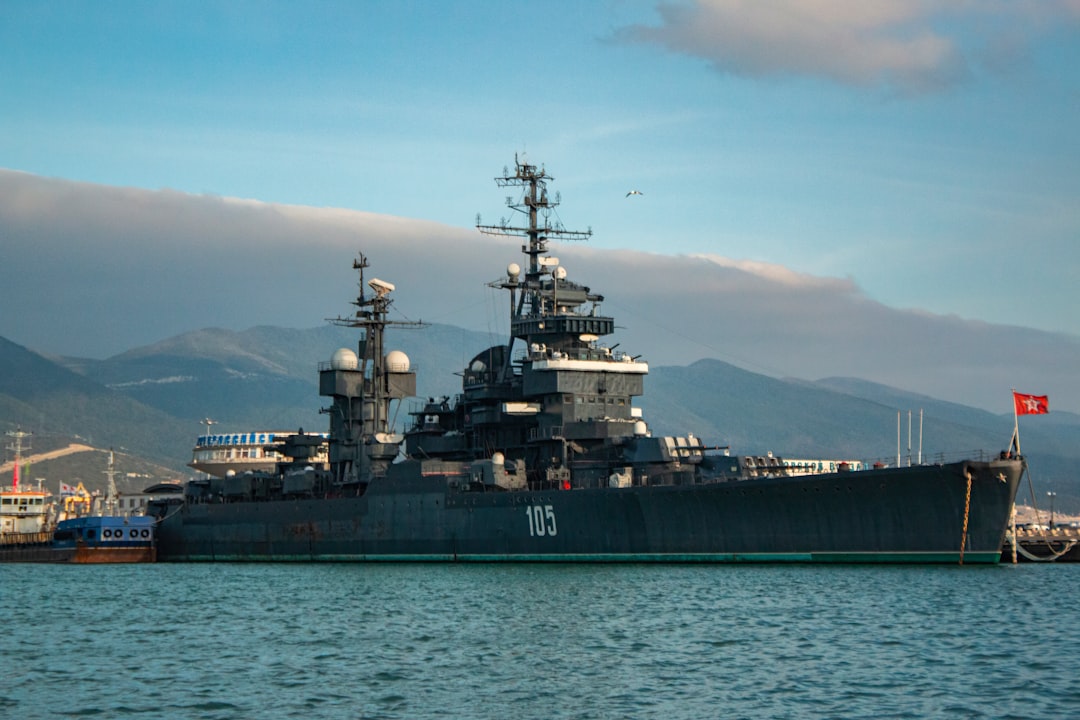
The strategic landscape of naval warfare has undergone significant transformation, moving beyond the traditional clash of symmetrically matched forces. Asymmetric naval warfare, a domain where a less powerful actor leverages unconventional tactics and technologies against a more formidable adversary, presents a complex and enduring challenge to established naval powers. This article delves into a specific case study to elucidate the principles, implications, and potential countermeasures associated with such engagements. When approaching this topic, consider the inherent imbalance of resources and the creative ingenuity often required to bridge that gap.
Asymmetric warfare, broadly defined, involves conflicts between belligerents whose military capabilities or strategies differ significantly. In the naval context, this translates to smaller, often non-state actors or less technologically advanced navies employing tactics that circumvent a superior adversary’s strengths, such as large capital ships, advanced long-range weaponry, or sophisticated surveillance systems. It is not merely about numerical superiority, but rather about the qualitative difference in platforms, training, and doctrinal approaches.
Historical Precedents
Throughout history, examples of asymmetric naval engagements can be found, from the Greek fire employed by the Byzantine Empire against larger Arab fleets to the privateering operations that plagued colonial powers. These early instances often relied on technological disparities, environmental advantages, or superior maneuverability to achieve localized superiority against a larger, more conventional force. The advent of new technologies, such as torpedoes and mines, further empowered smaller navies to present existential threats to larger vessels.
Key Characteristics
Asymmetric naval warfare is often characterized by several defining features. Firstly, it frequently involves the use of unconventional platforms, such as fast attack craft, civilian vessels adapted for military purposes, or increasingly, unmanned surface and underwater vehicles. Secondly, tactics emphasize element of surprise, hit-and-run maneuvers, and operating within complex littoral environments where larger vessels are disadvantaged. Finally, the strategic objective is often not to achieve outright victory in a pitched battle, but rather to inflict disproportionate damage, raise the cost of intervention, and erode the political will of the more powerful adversary.
In examining the complexities of asymmetric naval warfare, a related article that provides valuable insights is titled “The Evolution of Asymmetric Naval Tactics.” This piece delves into historical case studies and modern applications, highlighting how smaller naval forces have effectively countered larger, more technologically advanced opponents. For further reading, you can access the article here: The Evolution of Asymmetric Naval Tactics.
The Case Study: Operation Praying Mantis (1988)
Operation Praying Mantis, a naval engagement between the United States Navy and the Islamic Republic of Iran Navy (IRIN) on April 18, 1988, serves as a compelling case study despite being within a conventional state-to-state conflict. While the engagement involved two state navies, the tactical approach of the Iranian forces, particularly their use of smaller, fast attack craft and the deployment of mines, aligns with core tenets of asymmetric warfare against a technologically superior US Navy. The operation unfolded following the Iranian mining of the USS Samuel B. Roberts in the Persian Gulf.
Pre-Engagement Context
The Iran-Iraq War (1980-1988) had significantly impacted commercial shipping in the Persian Gulf, with both sides attacking oil tankers. The US Navy, present in the region to protect neutral shipping, became entangled in this “Tanker War.” The mining of the USS Samuel B. Roberts, a guided-missile frigate, served as the proximate cause for the US retaliatory action. This event highlighted the vulnerability of even modern warships to inexpensive, often readily deployable threats.
Iranian Tactics and Platforms
The IRIN, facing a stark technological disparity with the US Navy, relied on a combination of tactics and platforms. Their primary offensive assets included Boghammar-class fast attack craft, essentially militarized speedboats equipped with machine guns and rocket-propelled grenades. These vessels, though lightly armed, presented a nuisance threat, capable of swarming larger vessels or attacking vulnerable targets. Furthermore, the extensive use of naval mines, specifically M-08 mines, demonstrated an understanding of area denial and the psychological impact of such weapons. These mines, often laid clandestinely, sought to disrupt shipping lanes and impose significant operational constraints on the US Navy.
US Response and Countermeasures
The US response was multi-faceted, involving a synchronized air and surface attack against Iranian oil platforms serving as command and control centers and staging areas for the Boghammar craft, as well as engaging Iranian naval vessels. The US Navy employed significantly more advanced assets, including aircraft carriers, cruisers, destroyers, and F-14 Tomcat and A-6 Intruder aircraft. The engagement effectively showcased the overwhelming firepower and technological superiority of the US Navy in a conventional fight. However, the initial Iranian acts demonstrated the capacity of a less powerful actor to inflict damage and provoke a significant response.
Strategic Implications and Lessons Learned
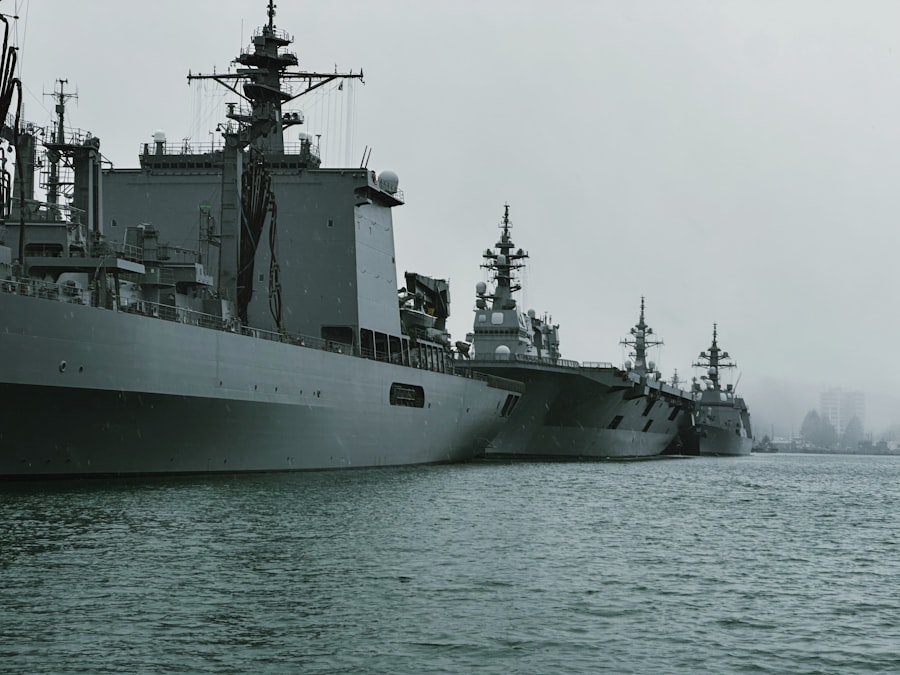
Operation Praying Mantis, while a decisive tactical victory for the US, provided valuable insights into the persistent challenges posed by asymmetric naval threats. It underscores the difficulty even advanced navies face in neutralizing determined adversaries operating with unconventional means. The aftermath of the operation sparked considerable debate about the future of naval warfare.
The Vulnerability of High-Value Assets
The mining of the USS Samuel B. Roberts underscored the inherent vulnerability of even state-of-the-art warships to inexpensive and readily deployable threats like naval mines. This incident served as a potent reminder that technological superiority does not confer absolute immunity from harm. Modern warships, while designed for high-intensity warfare, may lack the inherent resilience against low-cost, high-impact asymmetric attacks, particularly in complex littoral environments. This vulnerability forces navies to invest in counter-mine warfare capabilities and develop robust protection strategies.
The “Swarm” Tactic and Its Effectiveness
The Iranian use of fast attack craft, although ultimately unsuccessful in inflicting significant damage on US capital ships, highlighted the potential effectiveness of “swarm” tactics. A large number of small, agile craft, even if individually fragile, can overwhelm a larger vessel’s defensive systems through sheer numbers and by operating in a disorienting, multi-directional attack pattern. This forces the larger vessel to expend significant resources on multiple targets, potentially leading to defensive overload or a depletion of interceptor munitions. This strategy, sometimes likened to a school of piranhas attacking a shark, seeks to exploit the larger vessel’s limited situational awareness in a congested environment.
The Role of Technology in Asymmetric Warfare
While the US Navy’s technological advantage was ultimately decisive, the Iranian use of mines and adapted commercial vessels demonstrated how less advanced technology, when employed creatively and strategically, can still pose a significant threat. Furthermore, the rapid proliferation of commercially available technologies, such as drones and sophisticated sensors, presents new avenues for asymmetric actors. Understanding these emergent technologies and their potential applications is crucial for future naval planning.
Future Trends and Countermeasures
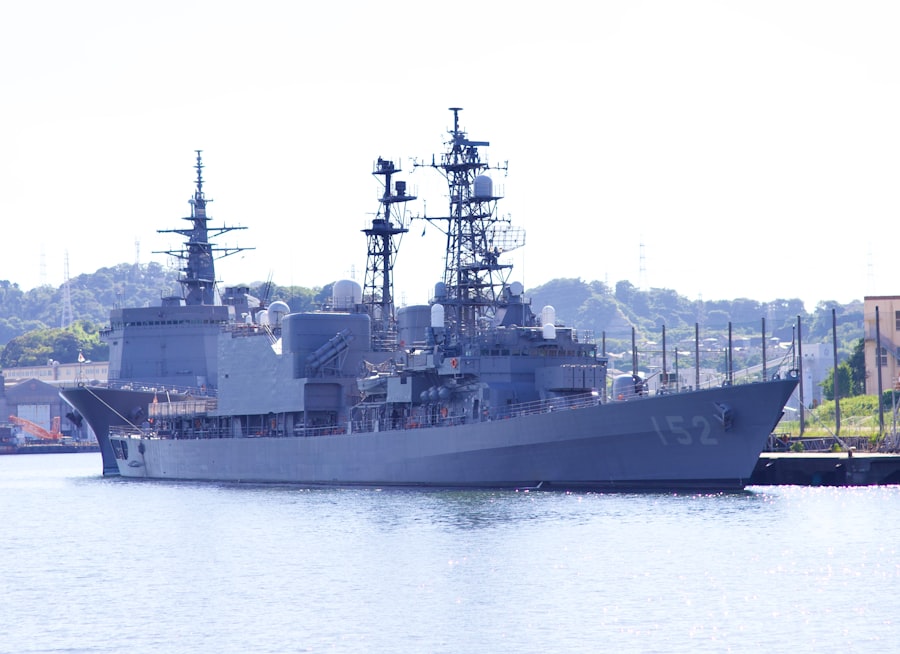
The lessons from Operation Praying Mantis and other relevant case studies continue to inform contemporary naval strategy. Asymmetric threats are not static; they evolve with technological advancements and geopolitical shifts. Therefore, naval powers must adapt and innovate to maintain their edge.
Investment in Littoral Combat and Mine Warfare Capabilities
Navies are increasingly focusing on capabilities tailored for operations in complex littoral environments. This includes the development of Littoral Combat Ships (LCS), designed for speed, agility, and modularity to address diverse threats, including fast attack craft and mines. Dedicated investments in mine warfare platforms, including unmanned systems for mine detection and neutralization, are also paramount. These platforms, often operating autonomously or semi-autonomously, reduce risk to personnel and enhance the speed and efficiency of counter-mine operations. Think of these as naval sanitation systems, clearing hazardous debris from critical waterways.
Enhanced Intelligence, Surveillance, and Reconnaissance (ISR)
Early detection of potential asymmetric threats is critical. This necessitates robust and layered ISR capabilities, employing a combination of satellite imagery, aerial surveillance (manned and unmanned), and maritime patrols. The ability to identify and track suspicious vessels or activities in real-time allows for proactive engagement and disruption of hostile intentions. This forms the “eyes and ears” of the fleet, constantly scanning the horizon for lurking dangers.
Development of Layered Defense Systems
Against swarm attacks, a multi-layered defense system is essential. This includes combining long-range air defense with shorter-range point defense systems, such as Close-in Weapon Systems (CIWS), to protect against incoming munitions and fast approaching small craft. Additionally, training for integrated air and surface engagements, where different platforms coordinate their defensive efforts, enhances overall resilience. This is akin to a complex shield, with each layer designed to deflect or neutralize a specific type of incoming projectile.
Asymmetric naval warfare has become an increasingly relevant topic in modern military strategy, and a comprehensive case study can provide valuable insights into its complexities. For those interested in exploring this subject further, a related article can be found that delves into various historical examples and their implications for contemporary naval operations. You can read more about it in this detailed analysis, which highlights the evolving tactics and technologies that define asymmetric engagements at sea.
Ethical Considerations and Rules of Engagement
| Metric | Description | Example/Case | Impact |
|---|---|---|---|
| Force Disparity Ratio | Ratio of naval assets between opposing forces | 1:10 (Smaller force vs. larger navy) | Smaller force uses hit-and-run tactics to offset disadvantage |
| Use of Swarm Tactics | Number of small, fast attack craft deployed simultaneously | 50+ small boats in coordinated attack | Overwhelms larger ships’ defenses and radar systems |
| Improvised Weaponry | Use of non-traditional or modified weapons (e.g., mines, drones) | Use of naval mines and suicide boats in the Iran-Iraq War | Caused significant damage to larger naval vessels |
| Geographic Advantage | Utilization of coastal terrain and shallow waters | Use of narrow straits and archipelagos for ambushes | Limits maneuverability of larger ships, favors smaller craft |
| Duration of Engagement | Length of naval conflict or campaign | Several months to years (e.g., Sri Lankan Civil War naval operations) | Prolonged engagements favor asymmetric tactics and attrition |
| Casualty Ratio | Comparison of losses between asymmetric force and conventional navy | Lower casualties for smaller force due to hit-and-run tactics | Preserves limited resources while inflicting damage |
| Technological Adaptation | Incorporation of commercial technology for military use | Use of commercial drones for reconnaissance and attack | Enhances situational awareness and strike capability |
The nature of asymmetric warfare often blurs traditional lines of combatants and non-combatants, especially when civilian vessels are repurposed for military use. This raises significant ethical and legal challenges regarding rules of engagement and the proportionality of force.
Distinguishing Combatants from Non-Combatants
In scenarios where adversaries employ “grey-zone” tactics, such as disguising military assets as civilian vessels, the burden of identification falls heavily on the more powerful navy. Strict adherence to international law and established rules of engagement is crucial to minimize civilian casualties and avoid unintended escalation. The fog of war can obscure these distinctions, making clear and precise protocols indispensable.
Proportionality of Response
The application of overwhelming force against an asymmetric threat often raises questions of proportionality. While a decisive response may be militarily effective, it must also consider the broader strategic and political ramifications. Escalation control and de-escalation strategies are vital in preventing localized engagements from spiraling into wider conflicts. This is a delicate balancing act, ensuring a firm response without inadvertently stoking the flames of a larger conflagration.
Conclusion
Asymmetric naval warfare represents a persistent and evolving challenge to established naval powers. Operation Praying Mantis, while a specific historical event, offers enduring insights into the tactics, vulnerabilities, and strategic implications of such engagements. As you reflect on this case study, consider how the landscape of naval power is continually reshaped by innovation, both conventional and unconventional. The future of naval strategy will continue to involve a nuanced understanding of irregular approaches, a commitment to technological adaptation, and a careful balancing of military effectiveness with ethical considerations. The sea, a timeless arena of conflict, continues to test the ingenuity and resilience of all who venture upon it.
FAQs
What is asymmetric naval warfare?
Asymmetric naval warfare refers to conflicts at sea where opposing forces have significantly different levels of military power, technology, or tactics. Typically, a weaker naval force uses unconventional strategies to counter a stronger adversary.
What are common tactics used in asymmetric naval warfare?
Common tactics include the use of small, fast attack boats, mines, submarines, guerrilla-style hit-and-run attacks, and leveraging geographic advantages such as narrow straits or archipelagos to offset technological or numerical disadvantages.
Can you provide an example of an asymmetric naval warfare case study?
One notable case study is the Iran-Iraq War (1980-1988), where Iran used small speedboats and mines to challenge the larger Iraqi navy and disrupt shipping in the Persian Gulf, demonstrating effective asymmetric naval tactics.
Why is understanding asymmetric naval warfare important?
Understanding asymmetric naval warfare is crucial for modern navies to develop strategies and technologies that can counter unconventional threats, maintain maritime security, and protect vital sea lanes against less conventional but potentially effective adversaries.
How do technological advancements impact asymmetric naval warfare?
Technological advancements such as drones, precision-guided missiles, and electronic warfare systems can enhance the capabilities of weaker naval forces, making asymmetric tactics more effective and challenging traditional naval power balances.