
Aquifers are underground layers of water-bearing rock that have provided essential water supplies for human civilizations throughout history. As societies developed, their dependence on these underground water sources increased, especially in arid regions where surface water was limited. The over-extraction and poor management of these water resources resulted in significant aquifer depletion, which has been documented in numerous ancient civilizations.
Examining ancient aquifer depletion patterns provides insight into the challenges these societies faced and offers relevant information for current water management approaches. Research on ancient aquifer depletion demonstrates the complex relationships between human activities, environmental conditions, and technological developments. Population growth and agricultural intensification increased water demand, frequently exceeding the natural rate at which aquifers could recharge.
Historical analysis of aquifer depletion provides documented evidence of past water management successes and failures that remain applicable to contemporary water resource planning.
Key Takeaways
- Ancient aquifers were crucial for sustaining early civilizations and their agriculture.
- Signs of aquifer depletion are evident in archaeological sites, indicating historical water scarcity.
- Climate change played a significant role in the depletion of ancient groundwater resources.
- Ancient societies employed various methods to replenish aquifers, offering insights for modern water management.
- Understanding ancient aquifer depletion can guide current efforts to preserve and sustainably manage groundwater.
The Importance of Aquifers in Ancient Civilizations
In ancient civilizations, aquifers served as lifelines, providing essential water resources for drinking, irrigation, and sanitation. The significance of these underground reservoirs cannot be overstated; they were often the backbone of agricultural systems that supported burgeoning populations. For instance, in regions such as Mesopotamia and the Indus Valley, aquifers facilitated the development of sophisticated irrigation techniques that transformed arid landscapes into fertile farmland.
This agricultural abundance allowed for the rise of cities and complex societies, underscoring the critical role that aquifers played in shaping human history. Moreover, aquifers were not merely sources of water; they were integral to the cultural and spiritual lives of ancient peoples. Many civilizations revered water as a sacred element, often associating it with fertility and life.
The construction of wells and cisterns was not only a practical endeavor but also a reflection of the community’s values and beliefs. In this way, aquifers contributed to both the physical sustenance and the cultural identity of ancient societies, highlighting their multifaceted importance.
Signs of Aquifer Depletion in Ancient Sites
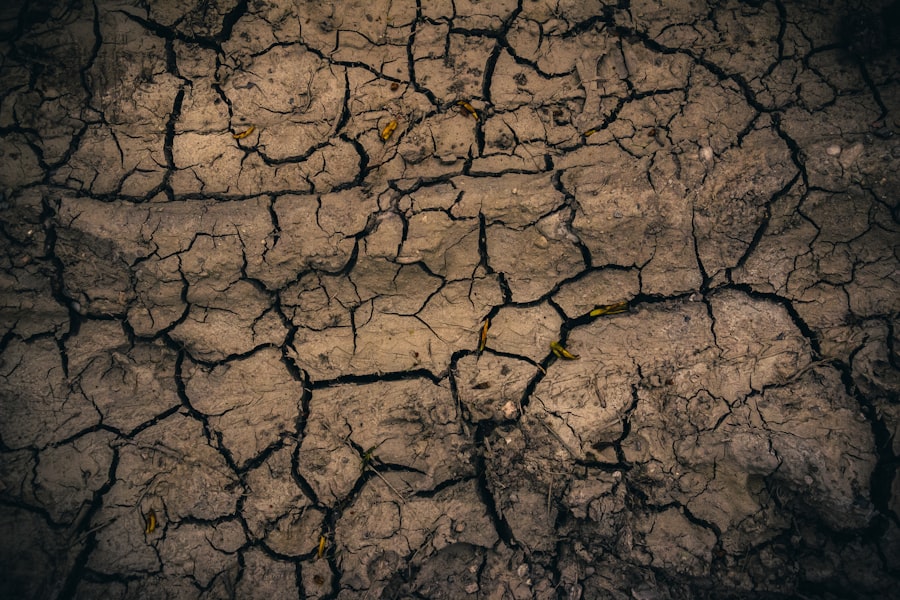
Archaeological evidence provides a wealth of information regarding the signs of aquifer depletion in ancient sites. One prominent indicator is the presence of abandoned agricultural fields and settlements that once thrived due to reliable water sources. In regions like the American Southwest, for example, researchers have uncovered remnants of once-prosperous communities that succumbed to drought and water scarcity.
The gradual decline in agricultural productivity often led to population migrations, as communities sought more sustainable living conditions elsewhere. Additionally, changes in soil composition and vegetation patterns can signal aquifer depletion. In many ancient sites, scientists have noted shifts in plant species that indicate a decline in available groundwater.
These ecological changes often correlate with historical records of climate variability and human activity, painting a comprehensive picture of how aquifer depletion unfolded over time. By studying these signs, researchers can better understand the factors that contributed to the decline of ancient civilizations and draw parallels to contemporary challenges.
The Role of Climate Change in Ancient Aquifer Depletion
Climate change has long been a significant factor influencing aquifer depletion in ancient civilizations. Fluctuations in temperature and precipitation patterns can drastically affect the recharge rates of aquifers, leading to periods of drought that strain water resources. For instance, during the late Bronze Age, many Mediterranean societies experienced prolonged droughts that coincided with evidence of aquifer depletion.
These climatic shifts not only reduced water availability but also exacerbated existing tensions over resource allocation among competing communities. Moreover, climate change often interacted with human activities to compound the effects of aquifer depletion. As populations expanded and agricultural practices intensified, the demand for water increased, placing additional stress on already vulnerable aquifers.
This interplay between environmental factors and human behavior highlights the complexity of ancient aquifer depletion and underscores the need for adaptive strategies in response to changing climatic conditions.
Historical Methods of Aquifer Replenishment
| Region | Aquifer Name | Estimated Age (years) | Annual Depletion Rate (km³/year) | Main Causes of Depletion | Impact on Local Environment |
|---|---|---|---|---|---|
| North Africa | North Western Sahara Aquifer System | 10,000 – 20,000 | 2.5 | Over-extraction for agriculture and drinking water | Lowering water tables, land subsidence, reduced water quality |
| Middle East | Fossil Aquifer of Saudi Arabia | 15,000 – 30,000 | 3.0 | Intensive irrigation and urban use | Desertification, loss of natural springs |
| Australia | Great Artesian Basin | Up to 2 million | 0.5 | Extraction for agriculture and mining | Reduced spring flows, ecosystem stress |
| Central Asia | Turkestan Aquifer | 20,000 – 40,000 | 1.2 | Overuse for irrigation | Declining water availability, soil salinization |
Ancient civilizations developed various methods to replenish aquifers and mitigate depletion. One notable technique involved the construction of reservoirs and cisterns to capture and store rainwater during wet seasons. These structures allowed communities to manage their water resources more effectively, ensuring a steady supply even during dry periods.
Additionally, some cultures practiced land management techniques that promoted groundwater recharge. For example, agroforestry systems integrated trees with crops to enhance soil moisture retention and reduce runoff.
By fostering a symbiotic relationship between vegetation and agriculture, these methods not only supported food production but also contributed to the sustainability of local aquifers. Such historical practices offer valuable insights into sustainable water management approaches that can be adapted for modern use.
Modern Techniques for Monitoring Aquifer Depletion
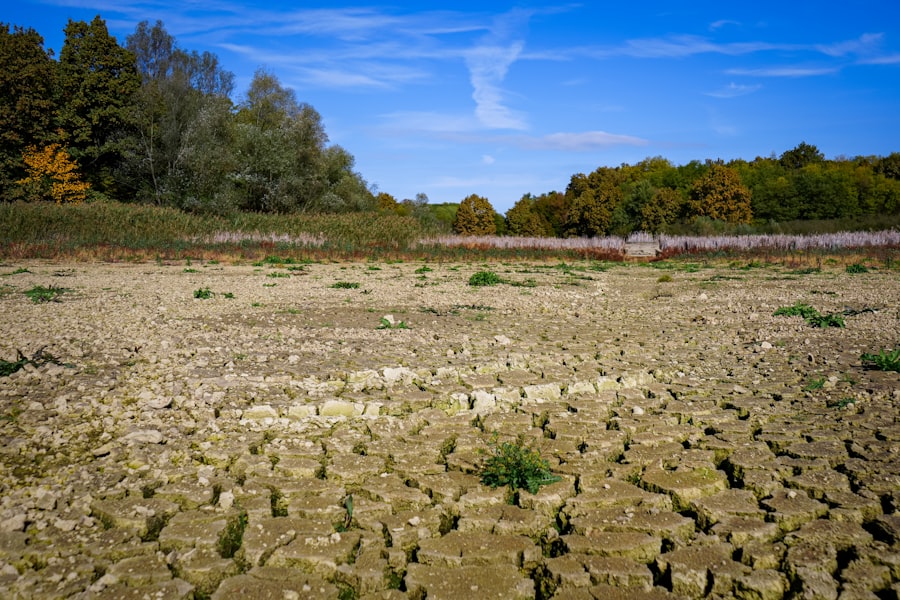
In contemporary times, advancements in technology have revolutionized the monitoring of aquifer depletion. Remote sensing techniques, such as satellite imagery and aerial surveys, allow scientists to assess changes in land use and vegetation cover that may impact groundwater resources. These tools provide critical data on surface conditions that can indicate underlying aquifer health, enabling more informed decision-making regarding water management.
Furthermore, groundwater modeling software has become increasingly sophisticated, allowing researchers to simulate aquifer behavior under various scenarios. By analyzing factors such as recharge rates, extraction levels, and climatic influences, these models help predict future trends in aquifer depletion and inform sustainable management practices. The integration of modern technology with traditional knowledge can create a comprehensive approach to monitoring and preserving vital water resources.
The Impact of Aquifer Depletion on Ancient Agriculture
The impact of aquifer depletion on ancient agriculture was profound and often devastating. As water resources dwindled, crop yields declined, leading to food shortages that threatened the stability of entire societies. In regions heavily reliant on irrigation, such as ancient Egypt along the Nile River or the Hohokam culture in present-day Arizona, reduced access to groundwater directly correlated with agricultural decline.
This decline not only affected food security but also had cascading effects on trade networks and social structures. Moreover, as agricultural productivity waned due to aquifer depletion, communities faced increased competition for remaining resources. This competition often resulted in social unrest or conflict as groups vied for control over dwindling water supplies.
The historical record is replete with examples of societies that collapsed or underwent significant transformations as a result of agricultural failures linked to water scarcity. Understanding these dynamics provides critical context for contemporary discussions about sustainable agriculture and water resource management.
The Connection Between Aquifer Depletion and Ancient Urbanization
The relationship between aquifer depletion and urbanization in ancient civilizations is intricate and multifaceted. As cities grew in size and complexity, their demand for water escalated dramatically. Urban centers often emerged in proximity to reliable aquifers or rivers; however, as populations swelled, these resources became increasingly strained.
The rapid urbanization witnessed in places like ancient Rome or Mesopotamia led to over-extraction from local aquifers, resulting in significant depletion. This depletion had profound implications for urban life. As water became scarcer within cities, public health issues arose due to inadequate sanitation and hygiene practices.
The decline in water quality further exacerbated social tensions as communities struggled to secure access to clean drinking water. The challenges faced by ancient urban centers serve as a cautionary tale for modern cities grappling with similar issues related to population growth and resource management.
Lessons from Ancient Aquifer Depletion for Modern Water Management
The study of ancient aquifer depletion offers valuable lessons for contemporary water management practices. One key takeaway is the importance of sustainable resource use; many ancient societies failed to balance their water extraction with natural replenishment rates, leading to irreversible damage to their aquifers. Modern water managers can learn from these historical missteps by implementing policies that prioritize conservation and responsible usage.
Additionally, the integration of traditional knowledge with modern science can enhance water management strategies. Many indigenous cultures possess deep understanding of local ecosystems and sustainable practices that have been honed over generations. By incorporating these insights into contemporary frameworks, societies can develop more holistic approaches to managing their water resources while respecting cultural heritage.
Preserving Ancient Aquifers for Future Generations
Preserving ancient aquifers is essential not only for maintaining historical legacies but also for ensuring future generations have access to clean water resources. Efforts to protect these vital ecosystems require collaboration among governments, researchers, and local communities. Initiatives aimed at restoring degraded aquifers through reforestation or sustainable land management practices can help revitalize these crucial resources.
Moreover, raising awareness about the significance of ancient aquifers can foster a sense of stewardship among communities. Educational programs highlighting the historical importance of these water sources can inspire individuals to take action in preserving them for future use. By cultivating a collective responsibility towards safeguarding ancient aquifers, societies can work towards sustainable water management practices that benefit both people and ecosystems.
Collaborative Efforts to Address Ancient Aquifer Depletion
Addressing ancient aquifer depletion necessitates collaborative efforts across various sectors and disciplines. Governments must engage with scientists, local communities, and non-governmental organizations to develop comprehensive strategies for managing groundwater resources sustainably. Collaborative research initiatives can facilitate knowledge sharing and innovation while fostering partnerships that empower local stakeholders.
International cooperation is also vital in addressing transboundary aquifer issues where multiple nations share common groundwater resources. Establishing agreements that promote equitable sharing and sustainable management practices can help mitigate conflicts over water access while ensuring long-term viability for shared aquifers. By working together across borders and sectors, societies can create resilient frameworks for managing their precious groundwater resources effectively.
In conclusion, understanding ancient aquifer depletion provides critical insights into both historical human behavior and contemporary challenges related to water management. By learning from past mistakes and successes, modern societies can develop sustainable practices that honor both their heritage and future needs for clean water resources.
Ancient aquifer depletion is a pressing issue that has significant implications for water resources and sustainability. For a deeper understanding of this topic, you can explore a related article that discusses the historical context and current challenges associated with aquifer management. Check out the article on MyGeoQuest for more insights: MyGeoQuest.
FAQs
What is an ancient aquifer?
An ancient aquifer is a groundwater reservoir that has been stored underground for thousands to millions of years. These aquifers contain fossil water that was accumulated during past climatic conditions and is not being significantly recharged under current climate conditions.
Why is ancient aquifer depletion a concern?
Depleting ancient aquifers is concerning because these water sources are non-renewable on human timescales. Once the water is extracted, it cannot be replenished quickly, leading to long-term water scarcity and potential ecological and economic impacts.
How do humans deplete ancient aquifers?
Humans deplete ancient aquifers primarily through excessive groundwater pumping for agriculture, industry, and domestic use. Over-extraction exceeds the natural recharge rate, causing water levels to drop and the aquifer to shrink.
What are the consequences of ancient aquifer depletion?
Consequences include reduced water availability for drinking and irrigation, land subsidence, deterioration of water quality, loss of ecosystems dependent on groundwater, and increased costs for water extraction and treatment.
Where are some major ancient aquifers being depleted?
Significant ancient aquifers experiencing depletion include the Ogallala Aquifer in the United States, the Nubian Sandstone Aquifer System in North Africa, and the Great Artesian Basin in Australia.
Can ancient aquifers be recharged?
Recharge of ancient aquifers is generally very slow or negligible under current climatic conditions. Some recharge may occur through natural processes over thousands of years, but human-induced recharge is limited and often not feasible on a large scale.
What measures can help prevent ancient aquifer depletion?
Measures include implementing sustainable groundwater management practices, reducing water consumption, improving irrigation efficiency, using alternative water sources, and enforcing regulations to limit over-extraction.
How is ancient aquifer depletion monitored?
Depletion is monitored using methods such as satellite remote sensing, groundwater level measurements from wells, geophysical surveys, and hydrological modeling to assess changes in water volume and aquifer health over time.