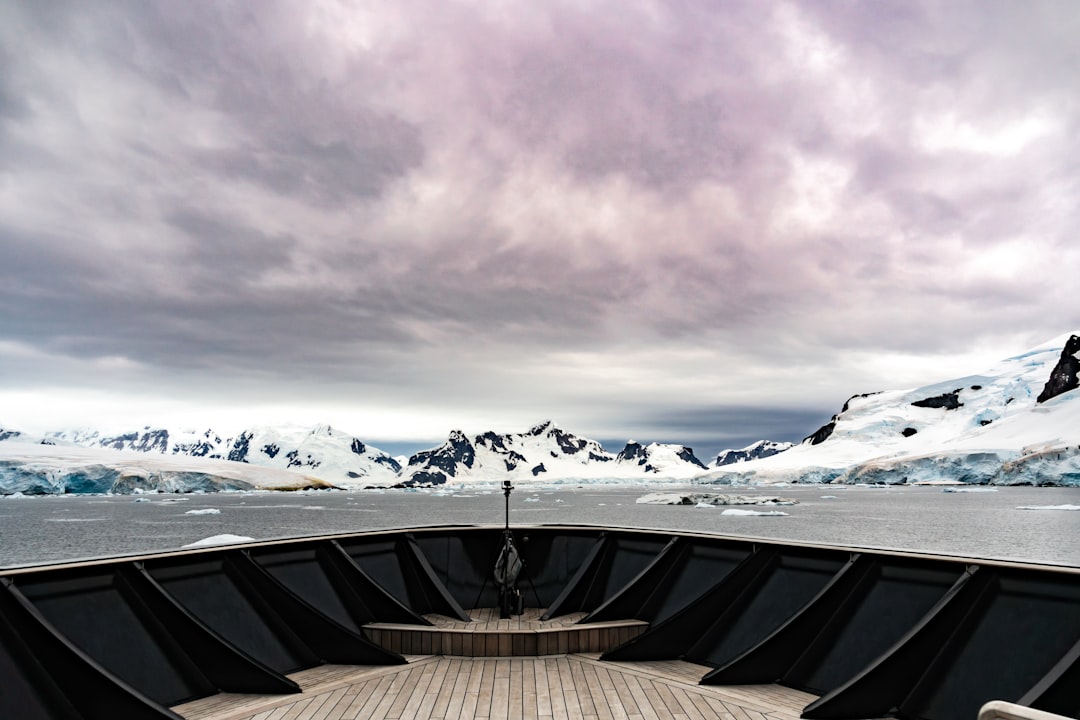
The Drake Passage, a body of water that separates South America from Antarctica, is often regarded as one of the most formidable maritime routes in the world. Stretching approximately 600 miles, this passage is notorious for its unpredictable weather and turbulent seas, making it a legendary crossing for adventurers and seafarers alike. The waters here are a confluence of the Atlantic and Pacific Oceans, creating a unique environment that has both fascinated and terrified those who dare to navigate it.
The passage is named after Sir Francis Drake, the English explorer who was the first to sail through these treacherous waters in the late 16th century. For many travelers, crossing the Drake Passage is not merely a means to an end; it is an adventure in itself. The journey offers a chance to experience the raw power of nature, with waves that can reach heights of up to 30 feet during storms.
Despite its challenges, the passage serves as a gateway to the breathtaking landscapes and unique wildlife of Antarctica.
Key Takeaways
- The Drake Passage is a legendary and challenging crossing known for its rough seas and unpredictable weather.
- When choosing a cruise for the Drake Passage, consider factors such as ship size, itinerary, and onboard amenities.
- Be prepared for extreme weather and sea conditions, including strong winds, high waves, and potential seasickness.
- The Drake Passage is home to unique wildlife such as albatrosses, penguins, and whales, making it a prime spot for wildlife spotting.
- Safety precautions and emergency protocols are crucial for a Drake Passage expedition, including mandatory safety drills and experienced crew members.
Choosing the Right Cruise for Your Drake Passage Adventure
Selecting the right cruise for a Drake Passage adventure is crucial for ensuring a memorable experience. With numerous operators offering various itineraries, travelers must consider factors such as ship size, amenities, and onboard activities. Smaller expedition vessels often provide a more intimate experience, allowing passengers to engage more closely with the crew and fellow travelers.
These ships typically have fewer passengers, which can enhance the overall experience by fostering a sense of camaraderie among explorers. On the other hand, larger cruise ships may offer more luxurious accommodations and a wider range of amenities, including fine dining and entertainment options. However, they may not provide the same level of personal interaction with the environment or crew.
Travelers should also consider the duration of the cruise, as some itineraries may include additional stops at various islands or points of interest along the way. Ultimately, choosing the right cruise involves balancing personal preferences with the desire for adventure and exploration.
What to Expect: Weather and Sea Conditions

The weather and sea conditions in the Drake Passage can be highly variable, making it essential for travelers to prepare adequately for their journey. The region is known for its rapidly changing weather patterns, which can shift from calm and sunny to stormy and cold within hours. Temperatures typically range from 30°F to 50°F, depending on the season, with summer months (November to March) generally offering milder conditions.
However, even during these months, travelers should be prepared for sudden temperature drops and inclement weather. Sea conditions in the Drake Passage can also be unpredictable. The infamous “Drake Shake” refers to the rough seas that can occur when strong winds collide with ocean currents.
It is advisable for passengers to stay informed about weather forecasts and sea conditions before embarking on their journey. Understanding what to expect can help travelers mentally prepare for their crossing and ensure they have an enjoyable experience.
Wildlife Spotting: A Guide to the Drake Passage’s Unique Fauna
| Species | Common Name | Population | Conservation Status |
|---|---|---|---|
| Leptonychotes weddellii | Weddell Seal | 800,000 | Least Concern |
| Pygoscelis adeliae | Adelie Penguin | 5 million | Near Threatened |
| Thalassoica antarctica | Antarctic Krill | Unknown | Least Concern |
| Hydrurga leptonyx | Leopard Seal | Unknown | Least Concern |
One of the most exciting aspects of crossing the Drake Passage is the opportunity to observe its unique wildlife. The waters are teeming with life, including various species of seabirds, seals, and whales. Travelers may spot albatrosses gliding gracefully above the waves or playful seals basking on ice floes.
The passage is also home to several species of whales, including humpback, minke, and orca whales, which can often be seen breaching or spouting in the distance. In addition to marine life, the surrounding islands are rich in biodiversity. Penguins are perhaps the most iconic inhabitants of this region, with several species residing on nearby islands.
Travelers may have the chance to observe these charming birds waddling along beaches or diving into the frigid waters in search of food. For wildlife enthusiasts, crossing the Drake Passage offers an unparalleled opportunity to witness some of nature’s most remarkable creatures in their natural habitat.
Safety Precautions and Emergency Protocols
Safety is paramount when navigating the Drake Passage, given its unpredictable conditions and remote location. Cruise operators typically have comprehensive safety protocols in place to ensure passenger well-being throughout the journey. Before setting sail, passengers are usually briefed on emergency procedures, including evacuation plans and safety equipment usage.
It is essential for travelers to pay close attention during these briefings and familiarize themselves with safety measures. In addition to onboard safety protocols, travelers should also take personal precautions to minimize risks during their crossing. Wearing appropriate clothing and footwear can help prevent slips and falls on deck during rough seas.
Passengers are encouraged to stay informed about weather conditions and follow crew instructions at all times. By prioritizing safety and being prepared for emergencies, travelers can enjoy their adventure with peace of mind.
The History and Exploration of the Drake Passage
The history of the Drake Passage is rich with tales of exploration and discovery. Sir Francis Drake was one of the first European explorers to navigate these waters in 1578 during his circumnavigation of the globe. His journey opened up new trade routes and sparked interest in further exploration of Antarctica.
Over the centuries, many explorers have followed in his footsteps, drawn by the allure of uncharted territories and the promise of scientific discovery. In more recent history, the Drake Passage has become a focal point for scientific research and environmental studies. Researchers have been studying its unique ecosystems and climate patterns to better understand global climate change and its impact on marine life.
The passage serves as a vital link between two major oceans, making it an essential area for understanding oceanic currents and their effects on global weather systems. As exploration continues, the Drake Passage remains a symbol of human curiosity and resilience in the face of nature’s challenges.
Packing Essentials for a Drake Passage Expedition
Packing for a Drake Passage expedition requires careful consideration of both comfort and practicality. Given the variable weather conditions, travelers should prioritize layering clothing that can be easily adjusted throughout the day. Waterproof jackets, thermal layers, and insulated gloves are essential items that will help keep passengers warm and dry during their journey.
Additionally, sturdy footwear is crucial for navigating wet decks and uneven terrain during excursions. Beyond clothing, travelers should also consider packing personal items such as sunscreen, sunglasses, and seasickness medication. The sun’s reflection off icy surfaces can be intense, making sun protection vital even in cooler temperatures.
Seasickness can affect anyone during rough crossings; therefore, having medication on hand can help alleviate discomfort. By preparing thoughtfully and packing wisely, travelers can ensure they are ready for whatever adventures await them in the Drake Passage.
Tips for Navigating Seasickness on the Drake Passage
Seasickness is a common concern for many travelers embarking on a journey through the Drake Passage. The combination of rough seas and anxiety about potential discomfort can make this experience daunting for some individuals. However, there are several strategies that can help mitigate seasickness symptoms.
One effective approach is to choose accommodations located in midship areas where motion is less pronounced compared to cabins at either end of the vessel. Additionally, staying hydrated and consuming light meals can help maintain comfort levels while at sea. Ginger tea or ginger candies are often recommended as natural remedies for nausea.
Engaging in light activities or spending time on deck can also distract from feelings of seasickness while allowing passengers to enjoy fresh air and stunning views. By employing these tips, travelers can enhance their chances of having a pleasant crossing despite potential challenges.
Capturing the Beauty: Photography Tips for the Drake Passage
The breathtaking landscapes and unique wildlife encountered during a journey through the Drake Passage present countless opportunities for photography enthusiasts. To capture stunning images, travelers should consider bringing a camera with manual settings that allow for adjustments based on varying light conditions. A sturdy tripod can also be beneficial for stabilizing shots during rough seas or low-light situations.
When photographing wildlife, patience is key; waiting for animals to exhibit natural behaviors often results in more compelling images than attempting to capture them in hurried moments. Additionally, using zoom lenses can help capture distant subjects without disturbing them or compromising their natural habitat. By employing thoughtful techniques and being mindful of surroundings, travelers can create lasting memories through their photography while traversing this remarkable passage.
Exploring the Surrounding Islands and Landscapes
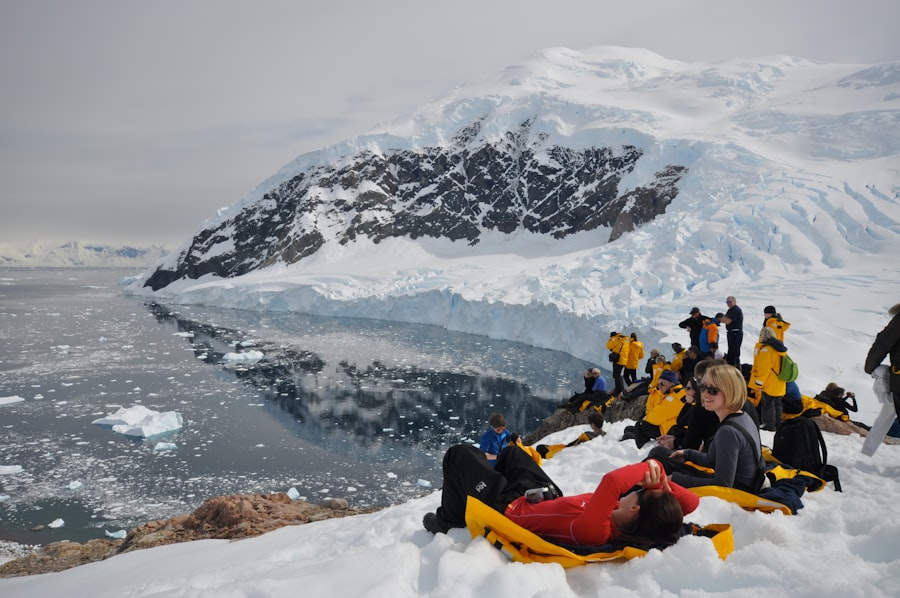
The journey through the Drake Passage often includes opportunities to explore nearby islands and landscapes that showcase Antarctica’s stunning beauty. These excursions allow travelers to step foot on land where they can witness breathtaking glaciers, towering icebergs, and unique geological formations up close. Each island has its own distinct character; some may feature rugged cliffs while others boast serene beaches dotted with wildlife.
Guided landings provide passengers with insights into local ecosystems and historical significance while allowing them to engage with nature directly. Whether hiking along scenic trails or participating in guided zodiac tours around ice formations, these experiences enrich travelers’ understanding of this remote region’s beauty and fragility. Exploring surrounding islands adds depth to any expedition through the Drake Passage.
Making the Most of Your Ultimate Antarctica Cruise: Activities and Excursions
To fully embrace an ultimate Antarctica cruise experience through the Drake Passage, travelers should take advantage of various activities and excursions offered by cruise operators. Many itineraries include opportunities for kayaking among icebergs or participating in polar plunges—an exhilarating experience that involves swimming in frigid waters surrounded by stunning scenery. Additionally, educational programs led by onboard naturalists provide valuable insights into local wildlife behavior and environmental conservation efforts within this fragile ecosystem.
Engaging in these activities not only enhances passengers’ appreciation for their surroundings but also fosters a deeper connection with nature during their journey through one of Earth’s last frontiers. In conclusion, crossing the Drake Passage is an adventure filled with challenges and rewards that beckons explorers from around the globe. From selecting the right cruise to preparing for unpredictable weather conditions and engaging with unique wildlife encounters—each aspect contributes to an unforgettable experience that leaves lasting memories long after returning home.
If you’re planning an unforgettable journey to Antarctica, navigating the Drake Passage is an essential part of the adventure. Known for its challenging waters, the Drake Passage is a rite of passage for many travelers seeking the pristine beauty of the Antarctic continent. For those interested in learning more about the best cruises that traverse this legendary route, you might find this related article insightful. It provides valuable information on what to expect during the voyage and tips for making the most of your Antarctic cruise experience.
WATCH NOW! Drake Passage: Earth’s Deadliest Waters Revealed
FAQs
What is the best time to take an Antarctica cruise through the Drake Passage?
The best time to take an Antarctica cruise through the Drake Passage is during the austral summer, which runs from November to March. This is when the weather is milder and wildlife is most active.
What should I pack for an Antarctica cruise through the Drake Passage?
It is important to pack warm, waterproof clothing, including insulated layers, waterproof pants, and sturdy, waterproof boots. Additionally, it is recommended to bring sunscreen, sunglasses, and a camera with extra batteries and memory cards.
What wildlife can I expect to see on an Antarctica cruise through the Drake Passage?
During an Antarctica cruise through the Drake Passage, you can expect to see a variety of wildlife, including penguins, seals, whales, and a wide variety of seabirds such as albatrosses and petrels.
What are the accommodations like on an Antarctica cruise through the Drake Passage?
Accommodations on Antarctica cruises through the Drake Passage vary depending on the cruise line and vessel. However, most cruises offer comfortable and cozy cabins with private bathrooms, as well as common areas for dining and relaxation.
What activities are available on an Antarctica cruise through the Drake Passage?
Activities on an Antarctica cruise through the Drake Passage typically include zodiac excursions for wildlife viewing and shore landings, as well as lectures and presentations by onboard naturalists and experts. Some cruises may also offer kayaking and camping options.