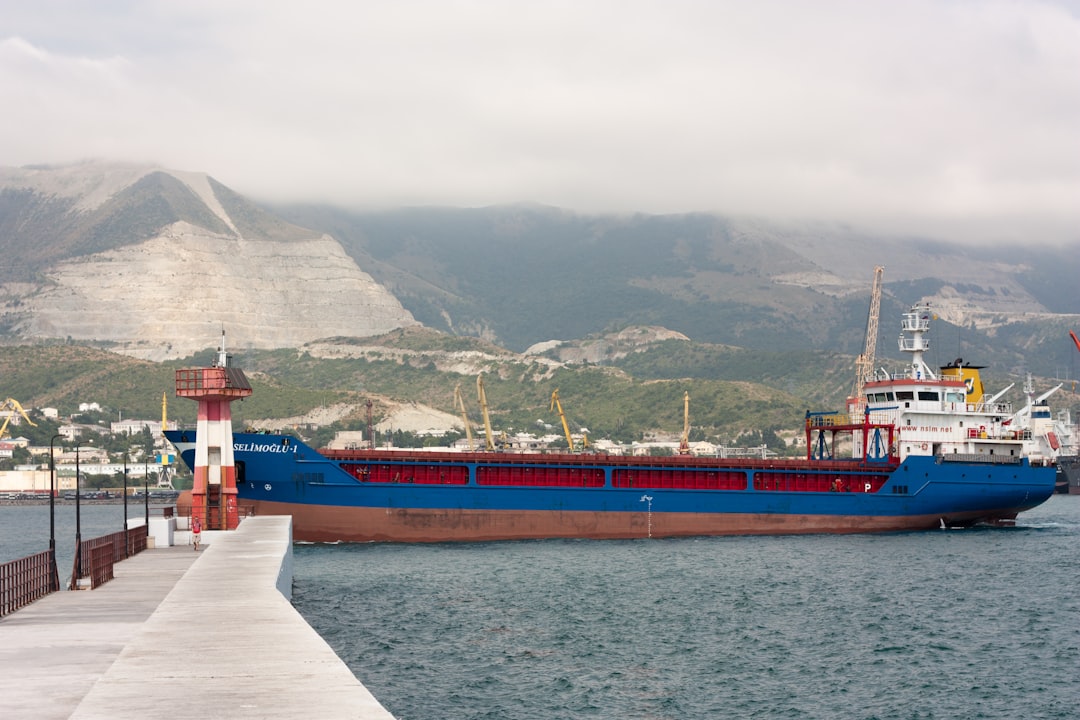
The Turkmenbashi Port, a vital gateway on the Caspian Sea, is currently undergoing a significant dredging operation aimed at enhancing its operational capabilities. This endeavor, driven by the imperative to accommodate larger vessels and streamline cargo movement, represents a crucial investment in Turkmenistan’s maritime infrastructure and its broader economic ambitions. The project’s success is poised to unlock new trade routes and solidify the port’s position as a regional logistic hub.
To appreciate the current dredging efforts, one must first understand the inherent limitations of existing port infrastructure and the evolving demands of global maritime trade. Ports are not static entities; they are living arteries of commerce that require continuous adaptation to remain competitive and efficient.
The Ever-Growing Size of Global Shipping
The global shipping industry has witnessed a relentless trend towards ever-larger vessels. Container ships, in particular, have seen exponential growth in capacity, with the largest vessels now capable of carrying over 24,000 TEUs (twenty-foot equivalent units). This trend is driven by economies of scale, aiming to reduce per-unit shipping costs. However, these behemoths require significantly deeper and wider channels to navigate safely, a reality that many older ports struggle to meet.
Economies of Scale in Maritime Transport
The economic rationale behind building larger ships is straightforward. By consolidating cargo onto fewer, larger vessels, shipping lines can reduce crewing costs, fuel consumption per container, and port call frequency. This efficiency translates into lower freight rates for businesses, making international trade more accessible. For ports, failing to accommodate these larger vessels effectively means becoming obsolete, losing out on lucrative shipping contracts and the associated economic benefits.
The Impact of Vessel Size on Port Infrastructure
The increasing size of vessels presents a direct challenge to port infrastructure. It is not merely about the depth of the approach channels; the width of the fairways, the turning basins, and the berthing areas must also be sufficient. These larger ships, with their expansive drafts and wider beams, demand a much greater spatial envelope within the port and its approaches. Failure to provide this space can lead to increased transit times, safety concerns, and ultimately, the exclusion of these modern vessels.
The Caspian Sea’s Unique Maritime Environment
The Caspian Sea, while the world’s largest inland body of water, presents its own set of challenges for maritime operations. Its relatively shallow average depth, compared to open oceans, means that even moderate increases in vessel draft can significantly impact navigability. Furthermore, sediment transport within the Caspian can be a dynamic process, requiring ongoing maintenance to ensure consistent channel depths.
Sedimentation Dynamics in the Caspian
Rivers flowing into the Caspian Sea, such as the Volga and Ural, carry substantial sediment loads. This sediment, over time, accumulates in shallower areas, including port approaches and fairways, gradually reducing water depth. This natural phenomenon necessitates regular dredging to counteract the accretion process and maintain the required navigable depths.
Limited Draft Capabilities of Existing Channels
Historically, Caspian ports have been designed for smaller vessels with shallower drafts. As the Turkmenistan government seeks to leverage the port’s strategic location for increased international trade, the limitations imposed by these existing shallow drafts become a significant bottleneck. The current dredging operation is a direct response to this critical constraint, aiming to broaden the port’s horizons by welcoming vessels with greater carrying capacity.
The recent dredging operations at Turkmenbashi Port have garnered significant attention due to their potential impact on regional trade and maritime activities. For further insights into the implications of these operations, you can read a related article that explores the strategic importance of the port and its modernization efforts. For more information, visit this article.
The Scope and Objectives of the Dredging Project
The dredging operation at Turkmenbashi Port is a multifaceted undertaking, designed not only to deepen existing channels but also to create new ones, thereby expanding the port’s overall capacity and accessibility. The project’s objectives are clearly defined and directly address the identified operational challenges.
Deepening of Approach Channels and Fairways
The primary objective of the dredging project is the systematic deepening of the main approach channels and fairways leading into Turkmenbashi Port. This will allow larger vessels, with deeper drafts, to enter and exit the port safely and efficiently. This is akin to widening the arteries of a city to accommodate a growing traffic volume.
Target Depths and Widths
The project specifications detail precise target depths and widths for the main navigation channels. These figures are not arbitrary; they are calculated based on the draft requirements of the largest vessels Turkmenistan anticipates attracting and the navigational practices of international shipping. Achieving these targets will transform the port’s accessibility.
Incremental vs. Comprehensive Dredging
The dredging operations may involve both incremental deepening of existing channels and comprehensive removal of sediment in specific areas to achieve the desired dimensions. The approach often involves a phased strategy, prioritizing the most critical areas first to achieve immediate operational improvements.
Expansion of Turning Basins and Berthing Areas
Beyond the approach channels, the dredging also aims to expand the turning basins within the port and the depths alongside existing and planned berths. Sufficient space for large vessels to maneuver safely, especially in confined port areas, is paramount. This is akin to creating larger roundabouts and wider parking spaces for oversized vehicles.
Ensuring Safe Maneuverability for Large Vessels
Large vessels require significant space to turn, especially in port confines where propulsion and steering are less effective. The expansion of turning basins ensures that these vessels can safely execute their maneuvers without risk of grounding or collision, a critical safety consideration.
Accommodating Increased Cargo Throughput
Deeper and more accessible berths are essential for increasing the volume of cargo that can be handled at the port. This involves not only dredging alongside the quay but also ensuring that the areas immediately in front of the berths are adequately deep to allow vessels to dock fully laden.
Creation of New Channels and Facilities
In some instances, dredging might be employed to create entirely new navigational channels to access new development areas within the port or to bypass existing congestion points. This proactive approach anticipates future growth and infrastructure needs.
Future Development Zones
The project may include dredging to open up new areas for port expansion, such as the development of new container terminals or specialized cargo handling facilities. This foresight is crucial for long-term port planning.
Improving Internal Port Circulation
Dredging can also be used to improve the flow of vessel traffic within the port itself, creating more efficient routes and reducing the potential for internal bottlenecks. This contributes to the overall speed and efficiency of port operations.
The Dredging Process and Technology Employed

The physical execution of a large-scale dredging project involves specialized equipment and techniques. Understanding the process provides insight into the scale and complexity of the undertaking.
Types of Dredging Equipment
The choice of dredging equipment depends on the type of material to be removed, the required depth, and the environmental considerations. For a project of this nature, a variety of dredgers are typically deployed.
Suction Dredgers (Trailing Suction Hopper Dredgers – TSHDs)
TSHDs are the workhorses of large-scale dredging operations. They are self-propelled vessels equipped with powerful suction pipes that excavate material from the seabed. This excavated material is then stored in their hoppers for transport and disposal.
Hopper Capacity and Environmental Considerations
The capacity of the hoppers on these dredgers dictates how much material can be moved in a single trip. Environmental regulations often dictate where the dredged material can be disposed of, sometimes requiring offshore dumping or beneficial reuse in other projects.
Bucket-Chain Dredgers
These dredgers use a continuous chain of buckets to excavate material. They are effective in a variety of soil conditions, including harder materials, and can achieve precise depths.
Grab Dredgers
Grab dredgers are used for smaller areas or for clearing specific obstructions. They employ a large clamshell bucket to scoop up material.
Sediment Removal and Disposal Methods
The excavated sediment must be managed responsibly. Various methods are employed, depending on the nature of the sediment and environmental regulations.
Onshore Disposal and Reclamation
In some cases, dredged material can be used for land reclamation projects, creating new land for industrial or urban development. This is a form of beneficial reuse and can offset some of the project’s costs.
Offshore Disposal
When onshore reuse is not feasible, dredged material is often transported offshore to designated disposal sites. These sites are carefully selected to minimize environmental impact.
Mechanical Dewatering and Beneficial Reuse
Advanced techniques may involve dewatering dredged material to reduce its volume and make it more suitable for beneficial reuse, such as in construction materials or agricultural applications.
Environmental Monitoring and Mitigation Measures
Modern dredging projects are subject to stringent environmental regulations. Comprehensive monitoring and mitigation strategies are crucial to minimize any negative impacts on the marine ecosystem.
Baseline Environmental Surveys
Before dredging begins, detailed surveys are conducted to assess the existing marine environment, including seabed habitats, water quality, and marine life. This provides a baseline against which any changes can be measured.
Sediment Plume Management
Dredging can create sediment plumes that can affect water quality and marine life. Techniques such as the use of silt curtains are employed to contain these plumes and minimize their spread.
Noise and Vibration Control
The operation of heavy dredging equipment can generate noise and vibration. Measures are taken to mitigate these impacts, particularly in areas close to sensitive ecosystems or human populations.
Economic Implications and Strategic Benefits

The dredging of Turkmenbashi Port is not merely an engineering feat; it is a strategic economic initiative with far-reaching implications for Turkmenistan and the broader region. The investment is designed to yield significant returns through enhanced trade and connectivity.
Boosting Turkmenistan’s Trade Capacity
By enabling larger vessels to dock at Turkmenbashi, the port’s capacity to handle both imports and exports will significantly increase. This is crucial for a nation seeking to diversify its economy and reduce its reliance on raw commodity exports.
Facilitating Larger Cargo Volumes
The direct outcome of deeper channels is the ability to accommodate vessels with greater cargo capacities. This means that more goods can be shipped in a single voyage, leading to lower per-unit transportation costs and increased competitiveness for Turkmen goods.
Diversification of Export Markets
With improved port infrastructure, Turkmenistan can more effectively access a wider range of international markets for its products, including agricultural produce, textiles, and manufactured goods. This diversification is a key element of economic resilience.
Enhancing Trans-Caspian Trade Routes
Turkmenbashi Port sits at a critical nexus of trans-Caspian trade. Improved dredging will solidify its role in connecting Central Asia with Europe and the Middle East.
The “Middle Corridor” Initiative
The project is likely to play a pivotal role in the development of the “Middle Corridor” (also known as the Trans-Caspian International Transport Route – TITR), a burgeoning trade route aiming to bypass traditional overland routes and leverage maritime transport across the Caspian Sea.
Connecting East and West
The Middle Corridor seeks to provide a more direct and potentially faster link between China, Central Asia, the Caspian Sea, and Europe. Turkmenbashi Port, with its enhanced capabilities, becomes a crucial chokepoint and facilitator for this ambitious initiative.
Reducing Transit Times and Costs
By enabling larger vessels and potentially more efficient cargo handling, the dredging can contribute to reduced transit times and overall logistics costs for goods moving along this route, making it more attractive to shippers.
Attracting Foreign Investment and Shipping Lines
A modernized and efficient port is a significant draw for foreign investment. Improved infrastructure signals a commitment to international standards and a conducive business environment.
Competitive Advantage in the Region
As other Caspian ports also strive to modernize, investing in dredging at Turkmenbashi gives Turkmenistan a competitive edge in attracting shipping lines and cargo volumes.
Development of Ancillary Industries
Increased port activity often stimulates the growth of ancillary industries, such as logistics services, warehousing, and manufacturing, creating jobs and further economic opportunities.
The recent dredging operations at Turkmenbashi port have garnered significant attention due to their potential to enhance maritime trade in the region. These efforts are part of a broader initiative to improve infrastructure and facilitate larger vessels entering the port. For more insights on the implications of such developments, you can read a related article that discusses the strategic importance of Turkmenbashi in the context of regional trade dynamics. Check it out here.
Challenges and Future Outlook
| Metric | Value | Unit | Notes |
|---|---|---|---|
| Total Dredged Volume | 1,200,000 | cubic meters | Material removed during the operation |
| Dredging Depth | 15 | meters | Target depth for navigation channel |
| Operation Duration | 6 | months | Time taken to complete dredging |
| Equipment Used | 1 Cutter Suction Dredger, 2 Hopper Barges | – | Main machinery involved |
| Disposal Site Distance | 5 | kilometers | Distance from port to dredged material disposal area |
| Improved Channel Width | 120 | meters | Width after dredging for vessel passage |
| Environmental Monitoring | Continuous | – | Water quality and sediment control during operations |
While the dredging project at Turkmenbashi Port represents a significant step forward, it is important to acknowledge the challenges involved and consider the long-term outlook for the port’s development in the dynamic global maritime landscape.
Funding and Resource Management
Large-scale infrastructure projects require substantial financial investment and meticulous resource management to ensure efficient execution and timely completion.
Securing Adequate Financing
The financing of such ambitious projects often involves a combination of government investment, international loans, and private sector partnerships. Ensuring a stable and sufficient funding stream is paramount.
Efficient Allocation of Resources
Effective project management, including the efficient allocation of labor, equipment, and materials, is crucial to avoid delays and cost overruns.
Environmental Impact and Sustainability Concerns
Despite mitigation measures, dredging can have environmental impacts. Continuous monitoring and adherence to best practices are essential for sustainable development.
Long-Term Ecological Monitoring
Beyond the initial construction phase, ongoing ecological monitoring is necessary to assess the long-term health of the marine environment in and around the port.
Adaptive Management Strategies
The port authority must remain prepared to adapt its management strategies based on environmental monitoring data and evolving scientific understanding of marine ecosystems.
Adapting to Future Maritime Trends
The shipping industry is constantly evolving. Future investments and operational strategies must anticipate emerging trends such as automation, digitalization, and the increasing demand for green shipping solutions.
Embracing Digitalization and Automation
The integration of digital technologies for port management, cargo tracking, and vessel traffic control can significantly enhance efficiency and safety. Automation of port operations, from gantry cranes to autonomous vehicles, is also a growing trend.
The Role of Green Port Technologies
As global environmental awareness grows, ports are increasingly expected to adopt green technologies, such as shore power for vessels, reduced emissions from port machinery, and sustainable waste management. Turkmenbashi Port’s future success will likely be linked to its ability to integrate these sustainability initiatives.
In conclusion, the dredging operation at Turkmenbashi Port is a foundational investment in Turkmenistan’s maritime future. By addressing the fundamental requirement of deeper navigation channels, the project aims to unlock greater trade potential, solidify its position in regional transport networks, and contribute to the nation’s broader economic development goals. The success of this endeavor will be measured not only in the cubic meters of sediment removed but in the sustained growth and connectivity it fosters for years to come.
FAQs
What is the purpose of the dredging operations at Turkmenbashi port?
The dredging operations at Turkmenbashi port aim to deepen and maintain the port’s navigation channels and berths to accommodate larger vessels and improve maritime traffic efficiency.
Who is responsible for carrying out the dredging at Turkmenbashi port?
The dredging operations are typically managed by the Turkmenbashi International Seaport Authority in collaboration with specialized dredging contractors and maritime engineering firms.
What methods are used in the dredging process at Turkmenbashi port?
The dredging process commonly involves mechanical dredgers such as cutter suction dredgers or trailing suction hopper dredgers to remove sediment and deepen the port’s waterways.
How does dredging impact the environment around Turkmenbashi port?
Dredging can affect marine ecosystems by disturbing sediments and aquatic habitats; therefore, environmental assessments and mitigation measures are usually implemented to minimize negative impacts.
When were the most recent dredging operations conducted at Turkmenbashi port?
The most recent dredging operations at Turkmenbashi port were carried out in [insert year], as part of ongoing efforts to upgrade the port’s infrastructure and support increased maritime trade.