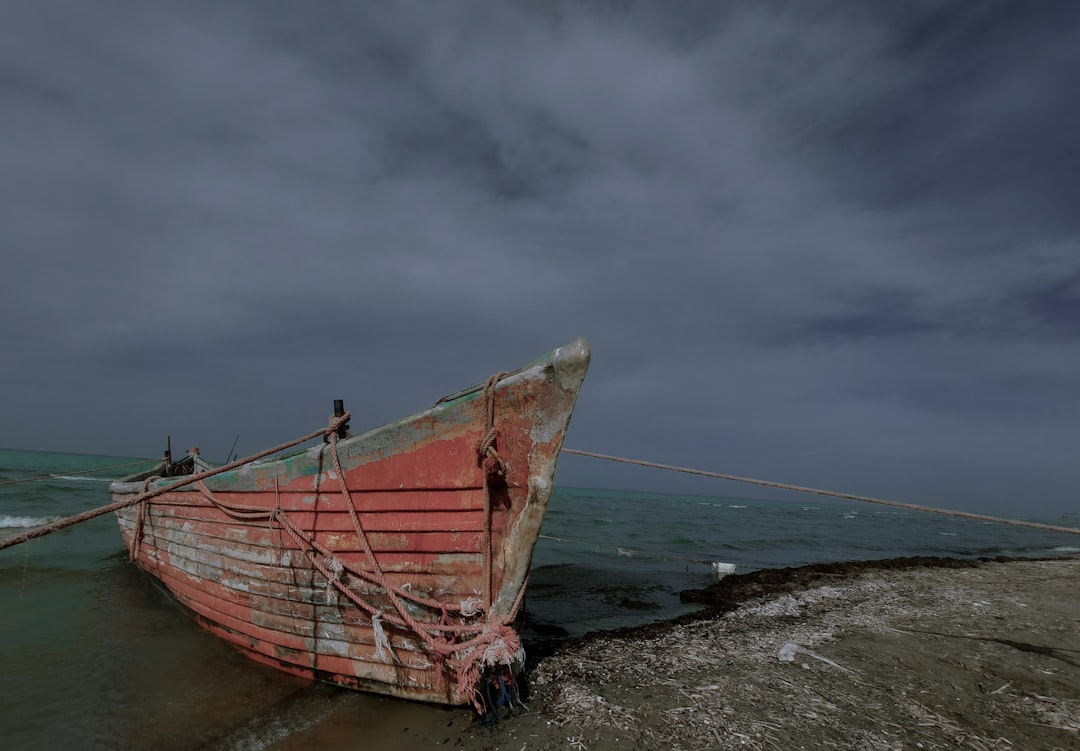
The Caspian Sea, the world’s largest inland body of water, is experiencing a troubling decline in its water levels, a phenomenon that has been a cause for growing concern among scientists, environmentalists, and the bordering nations. As of 2026, the signs point towards a significant and sustained drop, raising alarm bells about the ecological, economic, and social ramifications. This article will delve into the multifaceted nature of this crisis, examining its causes, projected impacts, and the ongoing efforts to understand and potentially mitigate this environmental challenge.
The Caspian Sea, a vast expanse of water often mistaken for a sea due to its size, has seen its water levels fluctuate throughout history. However, the current trend exhibits an unusual and accelerating pace. For decades, scientists have been monitoring these changes, but the consistent and marked decrease observed in recent years has moved the issue from a topic of academic discussion to a pressing global concern. The shrinking of this immense water body is not simply a matter of aesthetic concern; it represents a fundamental alteration of an aquatic ecosystem that supports a unique array of biodiversity and underpins the livelihoods of millions. The visual evidence is stark: coastlines are receding, ancient shorelines are being exposed, and the very geography of the region is being redrawn in slow motion.
A Historical Perspective: Cycles of Rise and Fall
It is crucial to acknowledge that the Caspian Sea has undergone natural cycles of water level fluctuation. These historical variations have been driven by a complex interplay of climatic factors, including precipitation patterns and riverine inflow, as well as geological shifts. However, it is the deviation from these historical norms, the unprecedented speed and magnitude of the current decline, that sets this period apart. Understanding these past trends provides a baseline against which the current situation can be accurately assessed. By identifying when and why the sea has risen or fallen in the past, researchers can better discern the anthropogenically influenced drivers of the present crisis.
The Current Trajectory: Not Just a Blip
The data collected from various monitoring stations across the Caspian basin in 2026 paints a sobering picture. The annual rate of decline has surpassed previous decades, indicating that this is not a temporary phenomenon but a persistent and escalating problem. This sustained decrease suggests that the factors contributing to the loss of water are deeply entrenched and are likely to continue their influence in the foreseeable future. The scientific community is engaged in a race against time to accurately forecast the extent of this decline and its ultimate consequences.
The decline in the Caspian Sea water level has been a growing concern for environmentalists and researchers alike, with projections indicating significant changes by 2026. For a deeper understanding of the factors contributing to this phenomenon and its potential impacts on the surrounding ecosystems and communities, you can read a related article on this topic at My Geo Quest. This resource provides valuable insights into the ongoing research and discussions surrounding the Caspian Sea’s environmental challenges.
Unraveling the Causes: A Multifactorial Threat
The decline of the Caspian Sea’s water levels is a complex issue with no single culprit. Instead, it is the result of a confluence of interconnected environmental and anthropogenic factors, each playing a significant role in draining this colossal water body. Understanding these drivers is paramount to developing effective strategies for addressing the crisis.
The Impact of Climate Change: A Warming World’s Thirst
Climate change is emerging as a dominant force behind the Caspian Sea’s dwindling water levels. Rising global temperatures are directly impacting the delicate hydrological balance of the region.
Reduced Precipitation and Increased Evaporation
One of the most significant consequences of a warming climate is the alteration of precipitation patterns. In the Caspian Sea’s drainage basin, which encompasses vast territories across Eurasia, some areas are experiencing decreased rainfall, a vital source of replenishment for the sea. Simultaneously, higher ambient temperatures accelerate evaporation rates from the sea’s surface, effectively siphoning off precious water. This double whammy of reduced inflow and increased outflow creates a deficit that the sea struggles to overcome. The atmospheric blanket is becoming less generous, and the sun’s rays are more potent, creating a cycle of depletion.
Changes in Snowmelt and Riverine Inflow
The major rivers that feed the Caspian Sea, such as the Volga, Ural, and Kura, are crucial arteries of life for this inland ocean. Their water levels are intricately linked to snowmelt patterns in their upstream catchment areas. As temperatures rise, winter snowpacks are reduced, and the timing of snowmelt shifts. This can lead to earlier, less voluminous meltwater flows, or prolonged periods of low flow during critical summer months. This disruption in the natural rhythm of riverine supply directly impacts the volume of water reaching the Caspian. Think of it as the lifeline to the sea being constricted, leaving it parched.
Anthropogenic Pressures: Human Footprints on the Water Balance
Beyond the overarching influence of climate change, direct human activities are also exerting considerable pressure on the Caspian Sea’s water resources.
Increased Water Consumption for Agriculture and Industry
The burgeoning populations and expanding economies of the countries bordering the Caspian Sea have led to a significant increase in water demand. Agriculture, particularly in irrigated lands, is a major consumer of freshwater. Industrial processes and urban development also add to the significant draw on rivers and aquifers that would otherwise feed the Caspian. This increased thirst of human endeavors acts as a silent drain, diverting water that is desperately needed to sustain the sea’s volume. It is akin to a siphon being applied to the sea’s reserves, steadily draining them away for other purposes.
Dam Construction and Hydropower Projects
The extensive network of dams and hydroelectric power plants constructed on the rivers that flow into the Caspian Sea has profoundly altered their natural flow regimes. While these projects provide essential energy and water for human needs, they also impound large volumes of water, regulating and often reducing the amount that ultimately reaches the sea. The dams act as colossal sponges, holding back water that once flowed freely. This manipulation of riverine flow has a direct and measurable impact on the Caspian’s water budget.
Upstream Water Diversion
In some upstream regions, water from rivers that eventually feed the Caspian is being diverted for irrigation and other uses, further diminishing the natural replenishment of the sea. This strategic redirection of water resources, while serving local needs, contributes to the overall deficit experienced by the Caspian.
The Ripple Effect: Consequences for Ecosystems and Economies

The declining water levels of the Caspian Sea are not merely a geophysical phenomenon; they are a harbinger of profound ecological and economic disruptions. The intricate web of life within and around the Caspian is exceptionally sensitive to changes in its water volume, salinity, and habitat.
Ecological Devastation: A Threatened Biodiversity Hotspot
The Caspian Sea is a unique ecological system, home to a rich and endemic biodiversity. Its declining water levels pose a severe threat to these species and their habitats.
Impact on Wetlands and Coastal Habitats
As the sea recedes, vast areas of wetlands and shallow coastal habitats are exposed and dry out. These areas are critical breeding grounds, feeding sites, and nurseries for a multitude of fish, bird, and invertebrate species. Their disappearance leads to habitat loss and fragmentation, pushing many species towards the brink. The receding waterline leaves behind a desolate expanse, a ghost of wetlands past.
Threat to Fisheries and Endangered Species
The Caspian Sea is renowned for its sturgeon populations, the source of prized caviar, and other commercially important fish species. Changes in water depth, salinity, and temperature directly impact fish reproduction, migration patterns, and overall survival rates. Reduced water volume also concentrates pollutants, further stressing fish populations. The iconic seals of the Caspian are also susceptible to displacement and habitat loss. Many species, already facing threats from overfishing and pollution, are now confronted with an existential crisis brought on by the shrinking sea. The very lifeblood of the Caspian’s fisheries is being drained away.
Salinity Changes and Their Ramifications
As the surface area of the sea decreases relative to its remaining volume, the concentration of salts can increase in certain areas. This shift in salinity can be detrimental to species that are adapted to specific salinity ranges, potentially leading to population declines or shifts in species distribution. This invisible alteration of chemical balance can be as devastating as the visible loss of water.
Economic Fallout: Livelihoods Adrift
The economic ramifications of the Caspian Sea’s declining water levels are far-reaching, affecting industries deeply intertwined with this vital water body.
Fisheries Sector Crisis
The decline in fish stocks, particularly sturgeon, threatens the viability of the region’s fishing industry. This has direct implications for the livelihoods of thousands of fishermen, fish processors, and related businesses. The centuries-old tradition of Caspian fishing is facing an unprecedented challenge. The nets that once teemed with bounty are now finding fewer catches.
Impacts on Shipping and Transportation
The Caspian Sea is a crucial waterway for trade and transportation among the bordering nations. Reduced water levels can lead to shallower navigation channels, impacting the draft of ships and potentially disrupting or halting maritime traffic. This can increase transportation costs and hinder economic exchange. The once navigable pathways are becoming treacherous shallows.
Tourism and Recreation Losses
Coastal communities that rely on tourism and recreation are also vulnerable. Receding shorelines can diminish beach access, impact waterfront infrastructure, and reduce the appeal of the Caspian as a tourist destination. The allure of the Caspian’s beaches is being swallowed by the advancing land.
Infrastructure Challenges
Port facilities, offshore oil and gas platforms, and other coastal infrastructure may face new challenges as water levels drop. Dredging may be required to maintain navigability, and existing structures may need adaptation or relocation. The very foundations built to interact with the sea are being tested by its retreat.
The Scientific Scrutiny: Monitoring and Research Efforts

Recognizing the gravity of the situation, a considerable amount of scientific effort is being dedicated to understanding the Caspian Sea’s declining water levels. International collaborations and extensive monitoring programs are underway to gather data, refine models, and predict future scenarios.
International Cooperation: A Shared Responsibility
The Caspian Sea is bordered by five nations: Azerbaijan, Iran, Kazakhstan, Russia, and Turkmenistan. Addressing the decline requires a coordinated and collaborative approach among these countries.
Joint Monitoring Programs
Various international organizations and national agencies are engaged in joint monitoring programs to collect vital data on water levels, salinity, temperature, river discharge, and climatic variables across the Caspian basin. These collaborative efforts are essential for a comprehensive understanding of the complex hydrological system.
Scientific Research Initiatives
Numerous research initiatives are focused on modeling the Caspian Sea’s hydrological dynamics, assessing the impacts of climate change and human activities, and projecting future water level scenarios. These studies are critical for informing policy decisions and developing mitigation strategies.
Data Sharing and Knowledge Exchange
The open sharing of data and scientific findings among researchers and policymakers from the bordering nations is paramount. This fosters a collective understanding of the problem and facilitates the development of shared solutions.
Advanced Modeling and Forecasting: Peering into the Future
Scientists are employing sophisticated hydrological models to simulate the complex interactions of factors influencing the Caspian Sea’s water balance.
Climate Impact Models
These models aim to quantify the specific contributions of climate change-induced factors, such as altered precipitation and evaporation rates, to the observed decline.
Water Management Models
Models that incorporate human activities, such as water abstraction for agriculture and industry, as well as dam operations, are crucial for understanding the cumulative anthropogenic impact on the sea’s water levels.
Scenario Development
Based on these models, scientists are developing various future scenarios, ranging from optimistic projections with significant mitigation efforts to more pessimistic outcomes if current trends continue unchecked. These scenarios provide valuable insights for long-term planning.
The decline of the Caspian Sea’s water level has become a pressing environmental concern, with projections indicating significant changes by 2026. This issue not only affects the local ecosystems but also impacts the economies of the surrounding countries that rely on its resources. For a deeper understanding of the factors contributing to this phenomenon, you can read a related article that explores the implications of climate change and human activity on the Caspian Sea’s water levels. To learn more, visit this article for insights and analysis.
Navigating the Challenges: Potential Mitigation and Adaptation Strategies
| Year | Water Level (meters below sea level) | Annual Decline (cm) | Primary Causes | Impact on Coastal Areas |
|---|---|---|---|---|
| 2022 | -28.0 | 5 | Reduced river inflow, increased evaporation | Coastal erosion begins |
| 2023 | -28.5 | 5 | Continued drought, water diversion for agriculture | Loss of wetlands |
| 2024 | -29.0 | 5 | Climate change effects intensify | Fisheries decline |
| 2025 | -29.5 | 5 | Increased evaporation rates | Saltwater intrusion in coastal aquifers |
| 2026 (Projected) | -30.0 | 5 | Ongoing climate trends and human activity | Significant habitat loss and economic impact |
The declining water levels of the Caspian Sea present an formidable challenge, but not an insurmountable one. A range of mitigation and adaptation strategies are being explored and, in some cases, implemented by the bordering nations and the international community.
Mitigation Measures: Addressing the Root Causes
Mitigation efforts focus on addressing the underlying causes of the decline, primarily related to climate change and unsustainable water management practices.
Reducing Greenhouse Gas Emissions
While a global effort, the reduction of greenhouse gas emissions is fundamental to mitigating the long-term impacts of climate change on the Caspian Sea and other water bodies worldwide. This involves transitioning to cleaner energy sources and promoting sustainable industrial and agricultural practices.
Improving Water Use Efficiency
Implementing more efficient irrigation techniques in agriculture, promoting water recycling in industrial processes, and enhancing water management in urban areas can significantly reduce overall water demand, thereby leaving more water available for the Caspian.
Sustainable River Basin Management
Adopting more integrated and sustainable management approaches for the rivers that feed the Caspian is crucial. This could involve optimizing dam operations to balance energy generation with environmental flow requirements and considering the cumulative impact of upstream water diversions.
Adaptation Strategies: Living with a Changing Reality
Adaptation strategies focus on adjusting to the inevitable changes brought about by the declining water levels and preparing for future scenarios.
Coastal Zone Management and Infrastructure Adaptation
Coastal communities and industries need to adapt to rising sea levels and potential shoreline changes. This may involve relocating vulnerable infrastructure, implementing erosion control measures, and developing new approaches to coastal land use.
Diversification of Economic Activities
For communities heavily reliant on Caspian-related industries such as fisheries and tourism, diversification of economic activities can build resilience against the impacts of declining water levels and ecosystem changes.
Preservation of Critical Habitats
Efforts to identify and protect remaining critical habitats, such as key breeding grounds and feeding areas, can help to conserve biodiversity despite the changing environmental conditions. This might involve creating protected marine areas or managing water levels in specific wetland zones.
International Dialogue and Policy Harmonization
Continued and strengthened dialogue among the Caspian riparian states is essential for harmonizing policies related to water management, environmental protection, and resource utilization. A unified approach is more likely to yield effective solutions.
The troubling decline of the Caspian Sea in 2026 serves as a stark reminder of the interconnectedness of our planet’s natural systems and the profound impact of human activities on the environment. The challenges are significant, but through continued scientific inquiry, international cooperation, and a commitment to sustainable practices, there is hope for navigating this complex crisis and safeguarding the future of this extraordinary inland sea. The Caspian, a giant in decline, demands our urgent attention and a unified response to ensure its survival for generations to come.
FAQs
What is causing the Caspian Sea water level decline in 2026?
The decline in the Caspian Sea water level in 2026 is primarily attributed to a combination of reduced river inflow, increased evaporation rates due to rising temperatures, and changes in regional climate patterns.
How much is the Caspian Sea water level expected to drop by 2026?
Estimates suggest that the Caspian Sea water level could decline by several tens of centimeters to over a meter by 2026, depending on climatic conditions and water management practices in the surrounding countries.
What are the environmental impacts of the Caspian Sea water level decline?
The decline can lead to habitat loss for aquatic and coastal species, increased salinity, disruption of fisheries, and negative effects on biodiversity. It may also expose previously submerged land, affecting local ecosystems.
How does the water level decline affect the economies of Caspian Sea bordering countries?
Lower water levels can impact fisheries, oil and gas extraction infrastructure, shipping routes, and tourism, potentially leading to economic losses for countries such as Russia, Iran, Kazakhstan, Turkmenistan, and Azerbaijan.
Are there any measures being taken to address the Caspian Sea water level decline?
Regional cooperation efforts focus on sustainable water management, monitoring climate impacts, and developing adaptation strategies. However, addressing the decline requires coordinated policies among the Caspian littoral states to manage water resources effectively.