
A hidden danger lurks beneath the surface of Salt Lake City, a silent specter composed of microscopic particles carrying the insidious weight of arsenic. This highly toxic metalloid, a ubiquitous element in the Earth’s crust, has become a substantial concern for residents, particularly in areas surrounding historical industrial activity. The very salt that gives the Great Salt Lake its name also hints at the rich mineral deposits that have drawn industry to the region for generations. However, this historical legacy, coupled with specific geological conditions, has created a precarious situation where arsenic-laden dust can become airborne, posing a significant threat to public health. The seemingly innocuous act of kicking up dust, whether from construction, traffic, or natural erosion, can release these venomous particles, turning the air itself into a potential vector for harm.
Salt Lake City’s development has been intrinsically linked to its mineral wealth. The mining and smelting industries, which have operated in and around the valley for over a century, are the primary culprits behind the elevated arsenic levels. These industries, while crucial to the region’s economic growth, left behind a toxic inheritance.
Smelting Operations and Their Lingering Impact
Historically, smelting operations were responsible for processing vast quantities of ore, often rich in arsenic compounds. The high-temperature processes involved in extracting valuable metals from these ores would volatilize arsenic, releasing it into the atmosphere as fine particulate matter. Much of this material was then deposited in the surrounding environment, creating contaminated soils and dust.
The Transformation Process
When sulfide ores, for instance, are heated in the presence of air (roasting), arsenic can be oxidized and form volatile arsenic oxides, such as arsenic trioxide ($\text{As}_2\text{O}_3$), which readily vaporizes. This vapor, upon cooling, condenses into fine particles that can be dispersed by wind or incorporated into soils.
Historical Sites of Concern
Several former industrial sites within and adjacent to Salt Lake City are known to have significant arsenic contamination. These sites, remnants of a bygone era of heavy industry, now stand as silent reminders of the environmental consequences of unchecked industrial practices. The remediation of these sites is a complex and ongoing challenge, a painstaking effort to scrub the land clean of its toxic past.
Mining Activities and Source Rock Considerations
The geological makeup of the region also plays a role. Naturally occurring arsenic is present in many of the mineral deposits that were, and to some extent still are, mined in the vicinity of Salt Lake City. Mining activities, by their very nature, disturb these natural deposits, exposing them to weathering processes that can lead to the release of arsenic into the environment.
Geochemical Background Levels
Understanding the natural background levels of arsenic in the local geology is crucial. While industrial activities significantly amplify these levels, natural geological formations can contribute to the overall arsenic load in the soil and dust. The Wasatch Range, a prominent geological feature bordering the city, contains minerals that can naturally host arsenic.
The Impact of Open Pit Mining and Underground Extraction
Both methods of mining can mobilize arsenic. Open pit mining exposes large surface areas to weathering and erosion, while underground mining can create pathways for water to leach arsenic from ore bodies. The fine particles generated by drilling, blasting, and ore crushing can also become airborne.
In recent discussions about environmental health concerns, the issue of toxic arsenic dust in Salt Lake City has garnered significant attention. A related article that delves deeper into this pressing topic can be found on MyGeoQuest, which explores the implications of arsenic exposure and the measures being taken to mitigate its effects on the local population. For more information, you can read the article here: MyGeoQuest.
The Mechanisms of Arsenic Dust Dispersal
Once arsenic is present in the soil, a variety of natural and human-induced processes can transform it into airborne dust, posing a direct threat to inhalation. This is where the invisible enemy truly becomes a tangible risk.
Wind Erosion and Aeolian Transport
The arid to semi-arid climate of the Great Salt Lake Basin makes wind erosion a significant factor in arsenic dust dispersal. Strong prevailing winds can pick up dry, contaminated soil particles and transport them across considerable distances, affecting areas far from the original source of contamination.
The “Salt Lake Shuffle” of Contaminants
Imagine the fine, powdery salt that characterizes the Great Salt Lake. This same lightness and susceptibility to wind apply to arsenic-laden dust. When dry conditions prevail, the wind becomes an active agent, a relentless sculptor that can lift and carry these toxic particles, an unwelcome “Salt Lake shuffle” of contaminants across residential neighborhoods and recreational areas.
Particle Size Matters
The smaller the dust particles, the easier they are to become airborne and the deeper they can penetrate the respiratory system. Arsenic can exist in various chemical forms, and its mobility and toxicity are influenced by these forms and their association with different particle sizes.
Human Activities as Dust Mobilizers
Human activities, even those seemingly unrelated to industry, can disturb contaminated soils and generate arsenic-laden dust. This means that everyday life in Salt Lake City can inadvertently contribute to the problem.
Construction and Demolition
Construction sites, particularly those involving excavation or demolition of older structures, can churn up arsenic-rich soils. This dust can then settle on nearby properties or be carried by the wind.
Site Preparation and Grading
The initial stages of construction, involving clearing land, grading, and excavating, are particularly prone to dust generation. If the underlying soil is contaminated, these activities become a direct source of airborne arsenic.
Demolition of Older Buildings
Buildings constructed with materials derived from contaminated sites or located in historically industrial areas can release arsenic-laden dust during demolition.
Vehicular Traffic
Traffic on unpaved roads or roads with accumulated dust can resuspend these particles into the air. The constant passage of vehicles acts as a miniature wind machine, stirring up the toxic legacy.
Dust on Roadways
Accumulated dust on paved and unpaved roads, especially in areas near former industrial sites or where soil contamination is prevalent, can be easily disturbed by passing vehicles.
Off-Road Vehicle Use
The use of off-road vehicles in undeveloped or lightly developed areas can significantly contribute to dust generation and arsenic dispersal.
Agricultural Practices
Certain agricultural practices, especially in areas where agricultural fields are located on or near historically contaminated land, can also lead to the mobilization of arsenic.
Tilling and Plowing
Tilling and plowing operations can disturb contaminated soils, bringing arsenic-laden dust to the surface and making it susceptible to wind erosion.
Irrigation and Runoff
While irrigation can sometimes help to suppress dust, it can also mobilize arsenic-containing particles in runoff, potentially spreading contamination to unaffected areas.
The Health Implications: When the Air Bites Back

Inhaling or ingesting arsenic, even in microscopic quantities, can have serious long-term health consequences. The insidious nature of arsenic poisoning lies in its ability to accumulate in the body and damage vital organs over time.
Short-Term vs. Long-Term Exposure Effects
The effects of arsenic exposure can manifest differently depending on the duration and level of exposure. While acute poisoning is rare in this context, chronic low-level exposure is a significant concern.
Acute Arsenic Poisoning Symptoms
While not the primary concern for dust inhalation in Salt Lake City, very high acute exposures can cause symptoms like severe gastrointestinal distress (vomiting, diarrhea), abdominal pain, muscle cramps, and even cardiovascular problems and neurological effects.
Chronic Arsenic Toxicity Manifestations
Long-term exposure to arsenic is a much more prevalent and concerning issue. It can lead to a range of health problems, often developing insidiously over years.
Skin Lesions and Changes
One of the most common signs of chronic arsenic exposure is the development of characteristic skin lesions, including hyperkeratosis (thickening of the skin) and hyperpigmentation (darkening of the skin). These can appear on the hands and feet.
Cardiovascular Disease
Studies have linked chronic arsenic exposure to an increased risk of heart disease, including hypertension, atherosclerosis, and peripheral artery disease. The metalloid can disrupt normal cellular processes within the cardiovascular system.
Neurological Effects
Arsenic can cross the blood-brain barrier and affect the nervous system, leading to symptoms such as peripheral neuropathy (numbness, tingling, and pain in the extremities), cognitive impairment, and developmental issues in children.
Gastrointestinal Issues
Chronic arsenic exposure can also contribute to persistent gastrointestinal problems, including nausea, abdominal pain, and changes in appetite.
Arsenic as a Carcinogen
Perhaps the most alarming health implication of arsenic exposure is its classification as a Group 1 carcinogen by the International Agency for Research on Cancer (IARC). This means there is sufficient evidence to conclude that arsenic causes cancer in humans.
Lung Cancer Risk
Inhalation of arsenic-containing dust is a known risk factor for lung cancer. The particles can lodge in the lungs and damage DNA, leading to the uncontrolled growth of cells.
Bladder and Skin Cancer Link
Arsenic is also strongly linked to an increased risk of bladder cancer and skin cancer. The mechanisms involve arsenic’s ability to damage DNA and interfere with DNA repair processes.
Other Cancer Associations
Research is ongoing into the potential links between arsenic exposure and other types of cancer, including liver, kidney, and prostate cancer. The metalloid’s widespread impact on cellular function suggests a broad carcinogenic potential.
Vulnerable Populations
Certain groups within the Salt Lake City population are more vulnerable to the harmful effects of arsenic dust. Children, with their developing bodies and faster metabolisms, are particularly susceptible, as are individuals with pre-existing respiratory or cardiovascular conditions.
Children and Developmental Impacts
The developing brains and bodies of children are more susceptible to the toxic effects of arsenic. Exposure can impact cognitive development, leading to lower IQ scores and behavioral problems. It can also affect growth and immune system development.
Individuals with Compromised Health
Those with existing lung diseases, heart conditions, or weakened immune systems are at a higher risk of experiencing severe health consequences from arsenic exposure. The additional burden on their already stressed systems can be significant.
Monitoring and Mitigation: Fighting the Invisible Threat
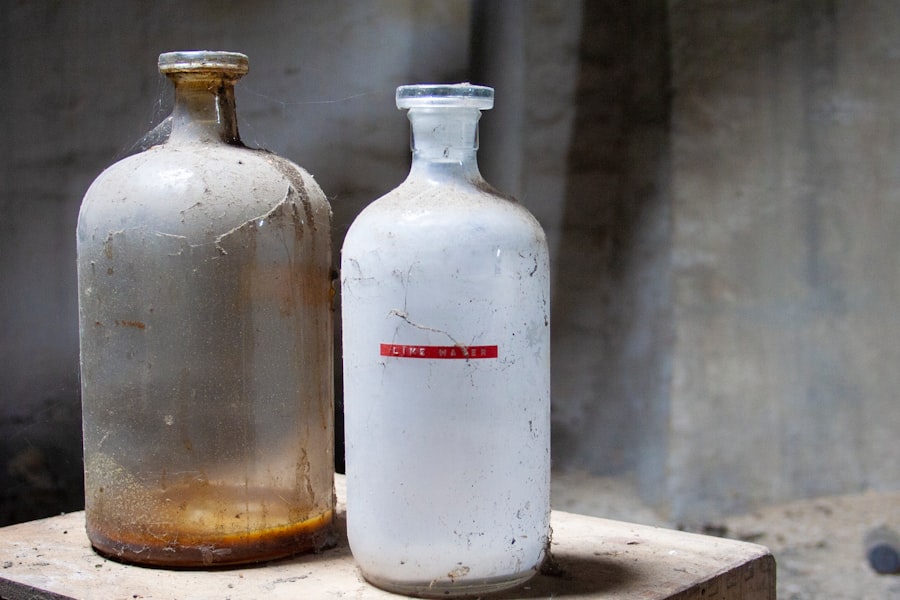
Addressing the threat of arsenic dust requires a multi-faceted approach, encompassing diligent monitoring, effective mitigation strategies, and ongoing public education. It’s a battle fought on scientific and community fronts.
Environmental Monitoring and Assessment Programs
Regular monitoring of arsenic levels in dust, soil, and air is crucial for understanding the extent of the problem and identifying high-risk areas. This forms the bedrock of any effective response.
Air Quality Monitoring Networks
The Utah Department of Environmental Quality (DEQ) and other agencies are responsible for operating air quality monitoring stations that can detect particulate matter, including arsenic. These networks provide real-time data and historical trends.
Identifying Hotspot Areas
Monitoring helps pinpoint “hotspot” areas where arsenic concentrations in dust are unusually high, allowing for targeted interventions. These are like the battlegrounds where the fight against contamination is most critical.
Tracking Seasonal Variations
Arsenic dust levels can fluctuate seasonally, often increasing during dry, windy periods. Monitoring helps in understanding these patterns and anticipating potential spikes in exposure risk.
Soil and Dust Sampling
Systematic soil and dust sampling in residential areas, parks, and recreational spaces provides a more granular understanding of arsenic distribution and potential exposure pathways.
Residential Area Surveys
Targeted sampling in neighborhoods located near historical industrial sites is essential to assess the risk to residents.
Public Park and Playground Assessments
Ensuring the safety of public spaces where children play is paramount, necessitating regular testing of soil and dust in parks and playgrounds.
Remediation and Dust Control Strategies
Once contaminated areas are identified, various strategies can be employed to reduce arsenic dust levels and limit exposure. These are the tactical maneuvers in the fight.
Soil Stabilization and Capping
Methods like covering contaminated soil with clean soil, vegetation, or specialized caps can prevent dust from becoming airborne. This is akin to creating an impermeable seal against the threat.
Vegetative Covers and Landscaping
Planting deep-rooted vegetation can help stabilize soils and absorb some contaminants. Careful landscaping can also direct wind away from exposed areas.
Grouting and Encapsulation
In some cases, sealing contaminated soil with cementitious materials or other binding agents can effectively immobilize the arsenic.
Dust Suppression Techniques
Applying dust suppressants to exposed soils, especially in construction zones and unpaved roads, can significantly reduce the generation of airborne particles.
Water Sprinkling and Chemical Dust Suppressants
Regular watering of construction sites and the application of environmentally friendly dust suppressants can keep surfaces moist and prevent dust from lifting.
Mulching and Ground Cover
Applying mulch or other organic ground cover materials can help bind soil particles and reduce wind erosion.
Public Health Education and Awareness Campaigns
Informing the public about the risks of arsenic dust and providing guidance on how to minimize exposure is a vital component of any arsenic mitigation plan. Knowledge is the first line of defense.
Communicating Risks Effectively
Public health campaigns need to clearly and concisely communicate the potential health risks associated with arsenic exposure, tailoring the message to different audiences.
Guidance on Safe Practices
Providing practical advice to residents on how to reduce their exposure, such as washing hands frequently, cleaning homes regularly, and avoiding playing in dusty areas, is crucial.
Indoor Dust Management
Encouraging regular cleaning of homes, including vacuuming with HEPA filters and wet mopping floors, can significantly reduce indoor arsenic dust levels.
Outdoor Dust Management
Advising residents to cover exposed soil in their yards, keep lawns well-watered, and avoid activities that stir up dust can be beneficial.
Collaboration with Community Organizations
Engaging with community groups, schools, and local organizations can help disseminate information and foster a sense of shared responsibility in addressing the arsenic threat.
Recent studies have highlighted the dangers of toxic arsenic dust in Salt Lake City, raising concerns about air quality and public health. This issue is particularly alarming for residents living near the Great Salt Lake, where high levels of arsenic can become airborne during dry conditions. For more in-depth information on this topic, you can read a related article that explores the environmental impact and health risks associated with arsenic exposure. To learn more, visit this article.
The Long Road to a Cleaner Future
| Metric | Value | Unit | Notes |
|---|---|---|---|
| Arsenic Concentration in Dust | 15 | µg/m³ | Measured near Salt Lake City salt flats |
| Average Dust Particle Size | 2.5 | µm | PM2.5 fraction of airborne dust |
| Arsenic Soil Concentration | 25 | mg/kg | Topsoil samples from salt flats |
| Air Quality Index (AQI) – Arsenic | 85 | Index | Moderate risk level |
| Exposure Limit (OSHA) | 10 | µg/m³ (8-hour TWA) | Occupational safety standard |
| Reported Health Complaints | 12 | Cases/month | Respiratory issues linked to dust exposure |
The challenge of toxic arsenic dust in Salt Lake City is not a singular event but an ongoing commitment to environmental stewardship and public health. It is a marathon, not a sprint, requiring sustained effort and vigilance.
The Importance of Ongoing Research and Technological Advancement
Scientific research plays a pivotal role in understanding the complex behavior of arsenic in the environment and developing innovative solutions for its detection, mitigation, and remediation. The pursuit of knowledge is our guiding star.
Understanding Arsenic Speciation and Mobility
Further research into how arsenic exists in different chemical forms (speciation) and how it moves through soil, water, and air is essential for developing more effective control strategies.
Development of Novel Remediation Technologies
The search for more cost-effective and efficient technologies for arsenic removal from soil and water continues to be a priority for researchers.
Policy and Regulatory Frameworks
Robust policy and regulatory frameworks are essential to ensure that industries operate responsibly and that contaminated sites are properly managed and remediated. These frameworks are the sturdy pillars supporting our efforts.
Strengthening Environmental Regulations
Regular review and updates of environmental regulations pertaining to arsenic in air, soil, and water are necessary to maintain and improve air quality.
Incentivizing Remediation Efforts
Government incentives and funding programs can encourage property owners and industries to undertake necessary remediation work on contaminated sites.
Community Involvement and Advocacy
The active participation of the Salt Lake City community is indispensable in advocating for stronger protections, supporting mitigation efforts, and holding stakeholders accountable. A united community is a powerful force.
Citizen Science Initiatives
Empowering citizens to participate in environmental monitoring and data collection can provide valuable insights and raise awareness.
Public Comment and Engagement
Encouraging public participation in the decision-making processes related to environmental management and remediation is crucial for building trust and ensuring effective solutions.
The threat of arsenic dust in Salt Lake City serves as a stark reminder that the exploitation of natural resources, while beneficial for economic progress, can leave behind a toxic residue. The “invisible enemy” lurks in the very ground beneath our feet, a silent testament to the environmental consequences of industrialization. Addressing this challenge requires a sustained, collaborative effort involving government agencies, industry, scientific researchers, and, most importantly, the vigilant and informed citizens of Salt Lake City. By understanding the origins of the problem, the mechanisms of its spread, and the potential health implications, the community can unite to forge a path towards a cleaner, healthier future, ensuring that the beauty of the Salt Lake Valley is not marred by the insidious whispers of a toxic legacy.

WATCH NOW ▶️ WARNING: The $10 Trillion Toxic Lie Killing the American West
FAQs
What is toxic arsenic dust?
Toxic arsenic dust consists of fine particles containing arsenic, a naturally occurring element that can be harmful to human health when inhaled or ingested in significant amounts. It often originates from industrial processes, mining, or natural sources such as salt lakes.
Why is arsenic dust a concern in Salt Lake City?
Salt Lake City is near natural salt flats and industrial areas where arsenic can be present in dust form. Exposure to arsenic dust in this region can pose health risks, including respiratory issues and long-term effects like cancer, making it a public health concern.
How can people be exposed to arsenic dust in Salt Lake City?
Exposure can occur through inhalation of airborne dust particles, especially during windy conditions or construction activities that disturb contaminated soil or salt flats. It can also happen through direct contact with contaminated soil or water.
What health effects are associated with arsenic dust exposure?
Short-term exposure to arsenic dust can cause irritation of the eyes, skin, and respiratory tract. Long-term exposure is linked to more serious health problems such as skin lesions, cardiovascular disease, and an increased risk of various cancers.
What measures are being taken to reduce arsenic dust exposure in Salt Lake City?
Authorities monitor air quality and enforce regulations to limit dust emissions from industrial and construction sites. Public health advisories and cleanup efforts are also implemented to reduce exposure risks, along with community education on minimizing contact with contaminated dust.