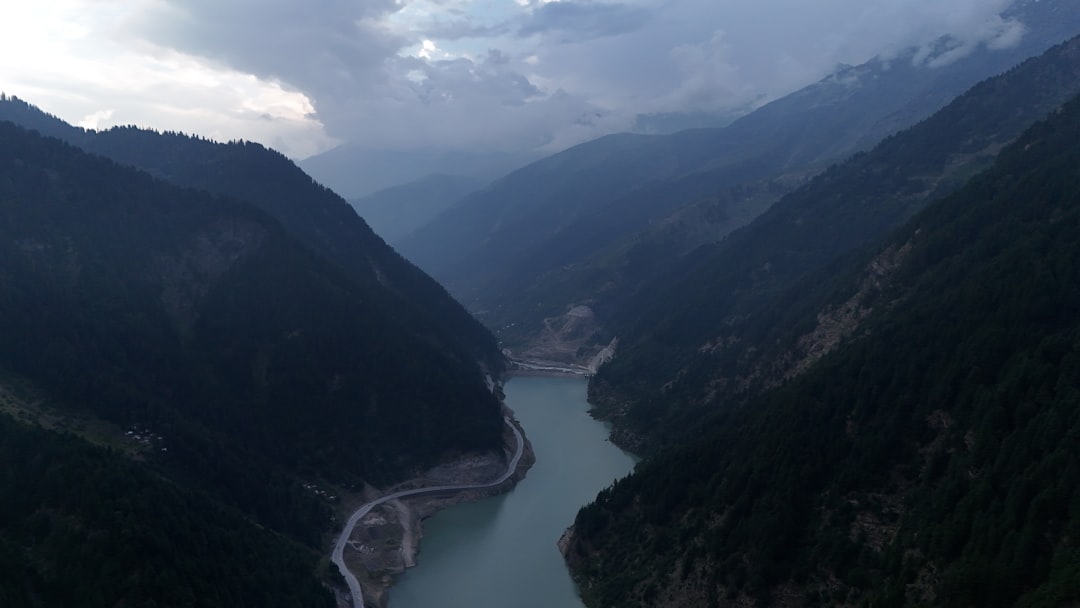
Tibet, often referred to as the “Roof of the World,” occupies a unique and strategic position in the heart of Asia. This vast plateau, which stands at an average elevation of over 4,500 meters, serves as a natural barrier and a pivotal geographic feature that influences the climate and hydrology of the surrounding regions. Bordered by several major countries, including India, Nepal, and China, Tibet acts as a crucial watershed for many of Asia’s largest rivers.
The geographic significance of Tibet extends beyond its physical dimensions; it is a critical hub for cultural exchange and biodiversity, making it an essential area for understanding the dynamics of the Asian continent. The Tibetan Plateau’s elevation and topography create distinct climatic conditions that affect not only Tibet itself but also neighboring regions. The plateau’s vast expanse influences monsoon patterns, temperature variations, and precipitation levels across Asia.
As a result, Tibet plays a vital role in shaping the environmental landscape of countries that rely on its rivers for water resources. The geographic importance of Tibet is thus multifaceted, encompassing ecological, cultural, and geopolitical dimensions that resonate throughout Asia.
Key Takeaways
- Tibet’s geographic location at the “Roof of the World” makes it a crucial region for the water resources of Asia.
- The Tibetan Plateau serves as the source of major rivers in Asia, including the Yangtze, Yellow, Mekong, and Indus rivers.
- Tibetan glaciers play a significant role in sustaining the flow of Asian rivers, providing water for millions of people.
- Tibetan monsoons have a direct impact on the flow of rivers in Asia, influencing agricultural productivity and water availability.
- Tibetan rivers hold cultural and spiritual significance for the people of Tibet and neighboring regions, shaping their way of life and belief systems.
The Role of Tibetan Plateau in the Formation of Asian Rivers
The Tibetan Plateau is often regarded as the source of many of Asia’s major rivers, including the Indus, Brahmaputra, Yangtze, and Mekong. These rivers originate from the glaciers and snowmelt found in the high-altitude regions of Tibet, where the unique climatic conditions foster the accumulation of ice and snow. As these glaciers melt during warmer months, they release vast quantities of freshwater that feed into the river systems, creating a lifeline for millions of people downstream.
The formation of these rivers is not merely a geographical phenomenon; it is a complex interplay of climatic factors, geological processes, and hydrological cycles that underscore the importance of the Tibetan Plateau in sustaining life across Asia. Moreover, the Tibetan Plateau’s role in river formation extends to its influence on sediment transport and river morphology. The high elevation and steep gradients contribute to rapid river flows, which in turn shape the landscape through erosion and sediment deposition.
This dynamic process creates fertile plains in lower regions, supporting agriculture and biodiversity. The rivers originating from Tibet are not just watercourses; they are vital arteries that connect diverse ecosystems and cultures across vast distances, highlighting the interconnectedness of life in Asia.
The Influence of Tibetan Glaciers on Asian River Systems
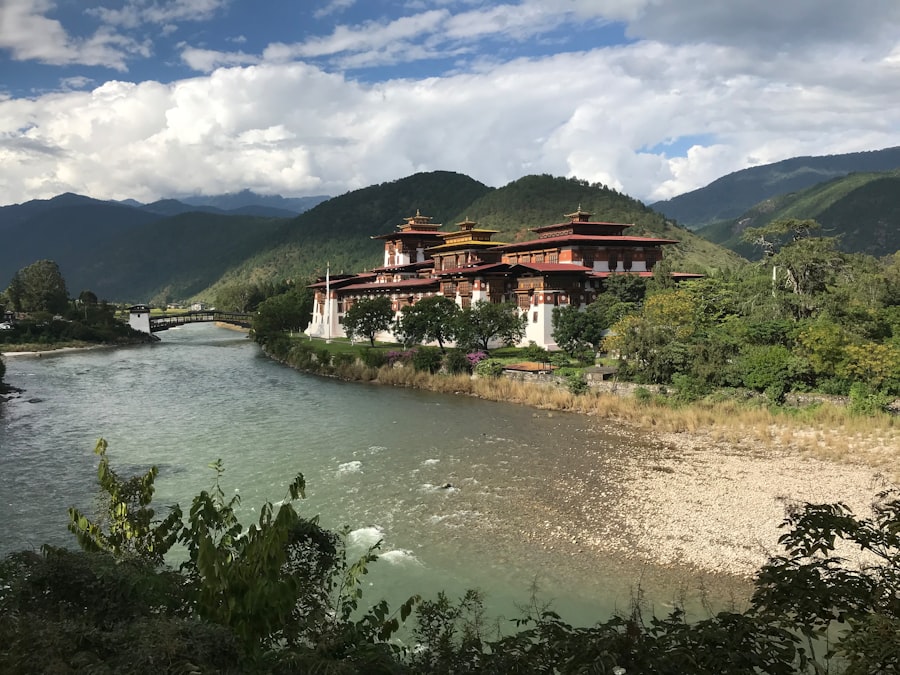
Tibetan glaciers are critical to the health and sustainability of Asian river systems. These glaciers act as natural reservoirs, storing freshwater that is gradually released into rivers during warmer months. This seasonal meltwater is essential for maintaining river flows, especially during dry periods when water demand peaks for agriculture and domestic use.
The glaciers’ contribution to river systems is particularly significant in regions where rainfall is scarce or erratic. As such, Tibetan glaciers play a pivotal role in ensuring water security for millions of people who depend on these rivers for their livelihoods. However, the influence of Tibetan glaciers on river systems is increasingly threatened by climate change.
Rising global temperatures have led to accelerated glacier melting, resulting in short-term increases in river flows but long-term concerns about water availability. As glaciers recede, the volume of meltwater diminishes, posing risks to agricultural productivity and freshwater supply in downstream regions. The delicate balance between glacier dynamics and river health underscores the need for comprehensive studies to understand how changes in Tibet’s glacial landscape will impact Asian river systems in the future.
The Impact of Tibetan Monsoons on River Flows in Asia
| Location | Monsoon Impact | River Flow Changes |
|---|---|---|
| Tibetan Plateau | Heavy rainfall during monsoon season | Increased river flow due to runoff |
| South Asia | Monsoon brings heavy rainfall | Significant increase in river flow |
| Southeast Asia | Monsoon brings heavy rainfall | Increased river flow and potential flooding |
| East Asia | Monsoon brings moderate rainfall | Moderate increase in river flow |
The monsoon season is a defining climatic feature that significantly impacts river flows across Asia, with Tibet playing a crucial role in this phenomenon. The Tibetan Plateau acts as a barrier that influences monsoon winds, causing them to rise and cool, resulting in precipitation that nourishes the region’s rivers. This interaction between the plateau and monsoon systems creates a complex hydrological cycle that sustains both local ecosystems and agricultural practices across neighboring countries.
During the summer months, when monsoon rains are at their peak, rivers originating from Tibet experience substantial increases in flow. This surge not only replenishes water supplies but also supports biodiversity along riverbanks and floodplains. However, the intensity and variability of monsoon rains can lead to challenges such as flooding or droughts in different regions.
Understanding the impact of Tibetan monsoons on river flows is essential for effective water management strategies that can mitigate these risks while ensuring sustainable use of water resources across Asia.
The Cultural and Spiritual Significance of Tibetan Rivers
Tibetan rivers hold profound cultural and spiritual significance for the people living in their vicinity. Many rivers are considered sacred in Tibetan Buddhism, symbolizing purity and life. They are often associated with various deities and are integral to religious rituals and practices.
For instance, the Brahmaputra River is revered as a goddess by many communities, while other rivers serve as pilgrimage routes for spiritual seekers. This deep-rooted connection between rivers and spirituality reflects the broader relationship between nature and culture in Tibetan society. Beyond their spiritual importance, Tibetan rivers also play a vital role in sustaining traditional livelihoods.
Communities rely on these waterways for fishing, irrigation, and transportation. The cultural practices surrounding river use are often intertwined with local customs and traditions, highlighting the importance of preserving these natural resources for future generations. As such, Tibetan rivers are not merely physical entities; they embody cultural heritage and identity for many communities across the region.
The Environmental Challenges Facing Tibetan Rivers
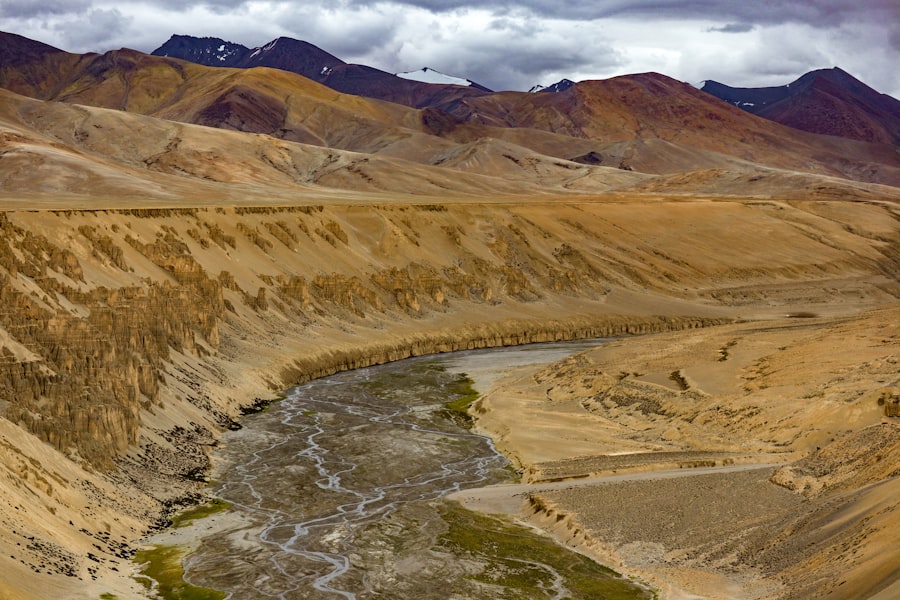
Despite their significance, Tibetan rivers face numerous environmental challenges that threaten their health and sustainability. Climate change is perhaps the most pressing issue, leading to altered precipitation patterns, increased glacial melting, and rising temperatures. These changes can disrupt the delicate balance of river ecosystems, affecting water quality and availability for both human use and wildlife habitats.
Additionally, increased human activity—such as mining, dam construction, and urbanization—further exacerbates these challenges by altering natural flow patterns and introducing pollutants into river systems. The degradation of river ecosystems has far-reaching consequences not only for local communities but also for downstream regions that depend on these rivers for water supply. As Tibetan rivers become increasingly vulnerable to environmental stressors, there is an urgent need for comprehensive conservation efforts aimed at protecting these vital waterways.
Addressing these challenges requires collaboration among governments, NGOs, and local communities to develop sustainable practices that prioritize both ecological health and human needs.
The Role of Tibetan Rivers in Sustaining Asian Ecosystems
Tibetan rivers are essential components of broader Asian ecosystems, providing critical habitats for diverse flora and fauna. These waterways support rich biodiversity along their banks and within their waters, serving as breeding grounds for fish species and habitats for various aquatic organisms. The health of these ecosystems is intricately linked to the quality and quantity of water flowing through them; thus, any disruption to river systems can have cascading effects on local wildlife populations.
Moreover, Tibetan rivers contribute to ecosystem services that benefit both nature and human communities. They play a crucial role in nutrient cycling, sediment transport, and flood regulation—all vital processes that sustain agricultural productivity and maintain ecological balance. By supporting diverse ecosystems, Tibetan rivers help ensure food security for millions while also preserving cultural heritage tied to traditional land-use practices.
Recognizing the interconnectedness between Tibetan rivers and Asian ecosystems is essential for fostering sustainable development strategies that prioritize environmental conservation.
The Economic Importance of Tibetan Rivers for Asian Countries
The economic significance of Tibetan rivers extends far beyond their immediate geographic boundaries. These waterways serve as vital resources for agriculture, industry, and energy production across several Asian countries. For instance, countries like India and Bangladesh rely heavily on rivers originating from Tibet for irrigation purposes, supporting millions of farmers who depend on consistent water supply for their crops.
Additionally, hydropower projects harnessing river flows have become increasingly important for meeting energy demands in various regions. Furthermore, Tibetan rivers facilitate trade and transportation routes that connect different parts of Asia. They enable the movement of goods and people across borders while fostering economic ties between nations.
As such, these rivers are not only lifelines for local communities but also integral components of regional economies that contribute to national development goals. Recognizing the economic importance of Tibetan rivers underscores the need for collaborative management approaches that balance economic growth with environmental sustainability.
The Political Implications of Tibet’s Control over River Resources
The geopolitical landscape surrounding Tibet’s control over river resources is complex and fraught with tension. Several countries downstream rely on rivers originating from Tibet for their water supply; thus, any changes in flow or access can have significant political ramifications. Disputes over water rights have emerged as nations vie for control over these vital resources, leading to potential conflicts that could destabilize regional relations.
China’s management of Tibetan rivers has raised concerns among neighboring countries regarding water security and environmental impacts downstream. As China continues to invest in infrastructure projects such as dams along these rivers, questions arise about how these developments will affect water availability for other nations reliant on these waterways. Navigating the political implications of Tibet’s control over river resources requires diplomatic engagement among affected countries to ensure equitable access while addressing environmental concerns.
The Future of Tibetan Rivers in the Face of Climate Change
The future of Tibetan rivers hangs in a precarious balance as climate change continues to exert pressure on their ecosystems. With rising temperatures leading to accelerated glacial melting and altered precipitation patterns, there is growing uncertainty about water availability in both upstream and downstream regions. This unpredictability poses significant challenges for communities reliant on these rivers for their livelihoods while also threatening biodiversity within aquatic ecosystems.
To safeguard the future of Tibetan rivers amidst climate change impacts, proactive measures must be taken at local, national, and international levels. This includes investing in research to monitor changes in hydrology and ecosystem health while promoting sustainable land-use practices that minimize environmental degradation. Collaborative efforts among governments, NGOs, scientists, and local communities will be essential to develop adaptive strategies that ensure resilience against climate-related challenges facing these vital waterways.
Potential Solutions for Protecting and Sustaining Tibetan Rivers
Protecting and sustaining Tibetan rivers requires a multifaceted approach that addresses both environmental conservation and community needs. One potential solution involves implementing integrated water resource management (IWRM) practices that promote collaboration among stakeholders across different sectors—agriculture, industry, conservation—to ensure equitable access to water resources while safeguarding ecological health. Additionally, raising awareness about the cultural significance of Tibetan rivers can foster greater appreciation among local communities and policymakers alike.
Engaging indigenous populations in conservation efforts can empower them to take an active role in protecting their natural heritage while promoting sustainable practices that benefit both people and ecosystems. Investing in renewable energy alternatives can also alleviate pressure on river systems by reducing reliance on hydropower projects that disrupt natural flow patterns.
Tibet’s unique geographical position has a profound influence on several major rivers in Asia, serving as the source for many of them. The region’s glaciers and high-altitude lakes contribute significantly to the water supply of rivers such as the Yangtze, Mekong, and Indus, which are vital for millions of people downstream. For a deeper understanding of how Tibet’s topography affects these waterways, you can read more in this related article: Tibet’s Influence on Asian Rivers.
WATCH THIS! Tibet’s Emptiness Is No Accident
FAQs
What is the influence of Tibet on Asian rivers?
Tibet is the source of several major rivers in Asia, including the Yangtze, Yellow, Mekong, and Brahmaputra rivers. These rivers provide water for millions of people in China, India, Southeast Asia, and other parts of the continent.
How does Tibet’s geography contribute to its influence on Asian rivers?
Tibet is a high-altitude region with vast glaciers and snow-capped mountains. The melting of these glaciers and snowpacks feeds the rivers that originate in Tibet, making it a crucial source of freshwater for downstream regions.
What are the environmental challenges facing Tibet’s rivers?
Tibet’s rivers are vulnerable to climate change, as rising temperatures can accelerate the melting of glaciers and alter the flow of water. Additionally, dam construction and water diversion projects in Tibet can impact the downstream flow of these rivers, leading to potential conflicts over water resources.
How does Tibet’s influence on Asian rivers impact regional geopolitics?
The control and management of Tibet’s rivers have significant geopolitical implications, as downstream countries rely on these rivers for agriculture, industry, and domestic water supply. This has led to tensions and disputes over water rights and resource management in the region.