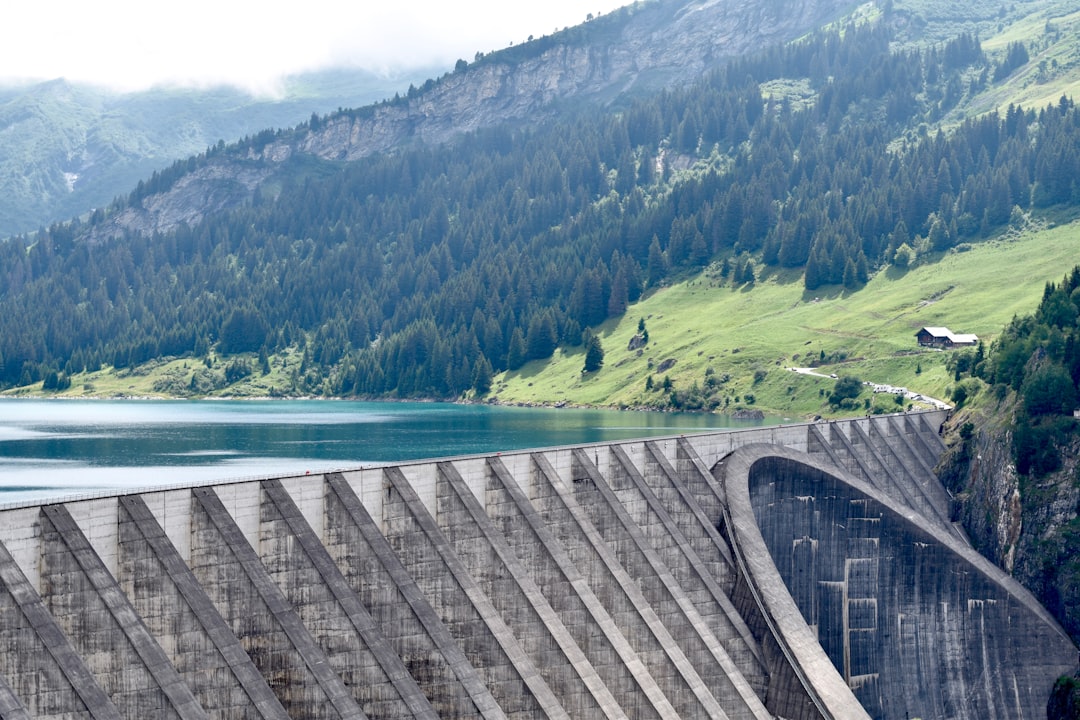
The Three Gorges Dam, an engineering marvel located on the Yangtze River in Hubei province, China, stands as the largest hydroelectric power station in the world. Completed in 2012, this colossal structure stretches over 2,335 meters in length and reaches a height of 185 meters. The dam was constructed not only to generate electricity but also to control flooding, improve river navigation, and facilitate economic development in the region.
Its significance extends beyond mere power generation; it represents a pivotal moment in China’s quest for sustainable energy solutions and flood management. The dam’s construction has been a subject of both admiration and controversy. While it has undoubtedly contributed to the country’s energy needs and flood control measures, it has also raised concerns regarding environmental degradation and the displacement of local communities.
The Three Gorges Dam is a symbol of modern engineering prowess, yet it embodies the complex interplay between progress and preservation, making it a focal point for discussions on infrastructure development in the 21st century.
Key Takeaways
- The Three Gorges Dam plays a crucial role in controlling water levels for flood prevention and hydroelectric power generation.
- Water level fluctuations are influenced by seasonal rainfall, upstream inflows, and dam operations.
- Changes in water levels impact the environment, including aquatic ecosystems and sediment transport.
- Effective management and advanced technology are essential to balance economic benefits with environmental and social concerns.
- Future strategies must address ongoing challenges to ensure sustainable water level regulation and minimize adverse effects.
Importance of Water Level Fluctuations
Water level fluctuations in the Three Gorges Reservoir are critical for various reasons, impacting not only the dam’s operational efficiency but also the surrounding ecosystems and communities. The reservoir’s water levels are meticulously monitored and managed to ensure optimal conditions for hydroelectric power generation. These fluctuations can influence the amount of electricity produced, as well as the dam’s ability to mitigate flooding during periods of heavy rainfall.
Understanding these variations is essential for maintaining a balance between energy production and environmental stewardship. Moreover, water level fluctuations play a significant role in navigation along the Yangtze River. The dam has transformed the river into a more navigable waterway, allowing larger vessels to traverse its length.
However, maintaining appropriate water levels is crucial for ensuring safe passage for shipping and trade. The interplay between water levels and navigation underscores the importance of effective management strategies that can adapt to changing conditions while supporting economic activities in the region.
Factors Affecting Water Levels
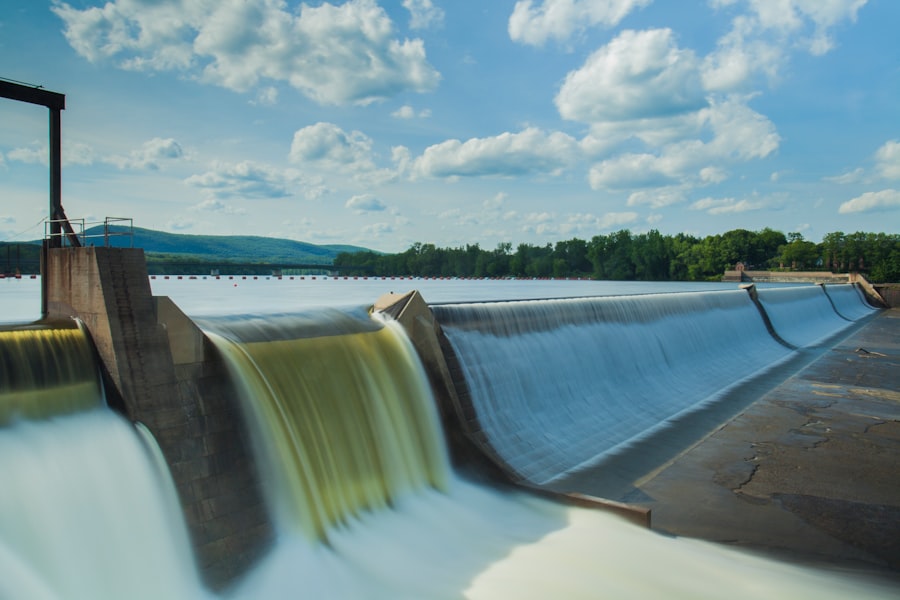
Several factors contribute to the fluctuations in water levels within the Three Gorges Reservoir. Seasonal changes, particularly during the monsoon season, can lead to significant increases in water inflow due to heavy rainfall in the upper reaches of the Yangtze River. This influx necessitates careful management to prevent overflow and potential flooding downstream.
Conversely, during dry seasons, water levels may drop, requiring strategic releases from the reservoir to maintain navigational depths and support agricultural needs in surrounding areas. In addition to natural factors, human activities also play a crucial role in influencing water levels. Water extraction for agricultural irrigation, industrial use, and domestic consumption can lead to significant changes in reservoir levels.
Furthermore, climate change poses an additional layer of complexity, as shifting weather patterns may alter precipitation rates and evaporation processes. Understanding these multifaceted influences is essential for developing effective management strategies that can accommodate both natural variability and human demands.
Environmental Impact of Water Level Changes
| Metric | Description | Impact | Measurement Unit | Typical Range |
|---|---|---|---|---|
| Water Level Fluctuation | Variation in water surface elevation over time | Affects aquatic habitats and shoreline stability | meters (m) | 0.1 – 5 m |
| Shoreline Erosion Rate | Rate at which shoreline is worn away due to water level changes | Loss of land and habitat degradation | meters per year (m/yr) | 0.01 – 1 m/yr |
| Wetland Area Change | Change in wetland surface area due to water level variations | Impacts biodiversity and water filtration | hectares (ha) | -50 to +50 ha/year |
| Water Temperature Variation | Change in water temperature linked to water level changes | Affects aquatic species metabolism and reproduction | degrees Celsius (°C) | ±0.5 – 3 °C |
| Dissolved Oxygen Levels | Oxygen concentration in water influenced by water depth | Critical for aquatic life survival | milligrams per liter (mg/L) | 2 – 14 mg/L |
| Fish Population Density | Number of fish per unit area affected by habitat changes | Indicator of ecosystem health | individuals per square meter (ind/m²) | 0 – 50 ind/m² |
| Algal Bloom Frequency | Occurrence rate of algal blooms linked to nutrient changes | Can cause oxygen depletion and toxin release | events per year | 0 – 10 events/year |
The environmental impact of water level changes in the Three Gorges Reservoir is profound and multifaceted. Fluctuations can disrupt local ecosystems, affecting aquatic life and biodiversity within the river system. For instance, changes in water temperature and flow rates can influence fish spawning patterns and migration routes, potentially leading to declines in certain species.
The alteration of habitats due to rising or falling water levels can also threaten terrestrial wildlife that relies on stable environments for survival. Moreover, the dam’s construction has led to significant alterations in sediment transport along the Yangtze River. The trapping of sediment behind the dam can result in erosion downstream, affecting riverbanks and altering landscapes.
This sedimentation issue not only impacts aquatic habitats but also has implications for agriculture and infrastructure along the river. Addressing these environmental challenges requires a comprehensive understanding of the interconnectedness of water levels and ecosystem health.
Management of Water Levels
Effective management of water levels in the Three Gorges Reservoir is paramount for balancing energy production, flood control, and ecological preservation. The China Three Gorges Corporation employs advanced monitoring systems to track real-time data on inflow and outflow rates, allowing for timely adjustments to reservoir operations. This proactive approach helps mitigate risks associated with extreme weather events while optimizing hydroelectric output.
In addition to technological advancements, stakeholder engagement is crucial for successful water level management. Local communities, environmental organizations, and government agencies must collaborate to develop strategies that consider diverse interests and priorities. By fostering dialogue among stakeholders, it becomes possible to create a more holistic approach to water management that addresses both human needs and environmental sustainability.
Economic Implications of Water Level Fluctuations
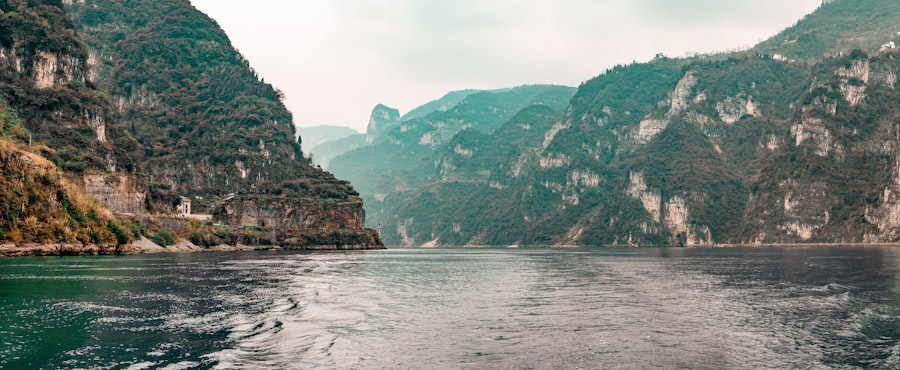
The economic implications of water level fluctuations in the Three Gorges Reservoir are significant and far-reaching. The dam plays a vital role in China’s energy landscape, providing a substantial portion of the country’s electricity needs. Fluctuations in water levels directly impact hydroelectric power generation capacity, influencing energy prices and availability across regions.
During periods of low water levels, electricity production may decrease, leading to potential shortages or increased reliance on fossil fuels. Furthermore, the dam has transformed regional economies by enhancing navigation along the Yangtze River. Improved shipping routes have facilitated trade and commerce, contributing to economic growth in surrounding areas.
However, fluctuations that disrupt navigation can have cascading effects on local businesses reliant on shipping activities. Understanding these economic dynamics is essential for policymakers seeking to balance energy production with economic stability.
Challenges Faced in Regulating Water Levels
Regulating water levels in the Three Gorges Reservoir presents numerous challenges that require careful consideration and innovative solutions. One major challenge is the unpredictability of weather patterns due to climate change. Increased frequency and intensity of extreme weather events can lead to sudden surges in water inflow or prolonged droughts, complicating management efforts.
Adapting to these changing conditions necessitates flexible strategies that can respond effectively to unforeseen circumstances. Another challenge lies in balancing competing interests among various stakeholders. Farmers may advocate for higher water levels during dry seasons to support irrigation needs, while environmentalists may push for lower levels to protect aquatic habitats.
Navigating these conflicting demands requires transparent decision-making processes that prioritize long-term sustainability while addressing immediate concerns.
Technological Solutions for Managing Water Levels
Advancements in technology offer promising solutions for managing water levels in the Three Gorges Reservoir more effectively. Remote sensing technologies enable real-time monitoring of weather patterns, river flow rates, and reservoir conditions, providing valuable data for decision-makers. These tools facilitate proactive management strategies that can adapt to changing circumstances and optimize reservoir operations.
Additionally, modeling software can simulate various scenarios based on historical data and predictive analytics. By assessing potential outcomes under different conditions, managers can develop informed strategies that balance energy production with ecological preservation.
Social and Cultural Effects of Water Level Changes
The social and cultural effects of water level changes in the Three Gorges Reservoir are profound and often overlooked. The construction of the dam led to the displacement of millions of residents from their homes and ancestral lands, resulting in significant social upheaval. Communities that once thrived along the Yangtze River faced challenges in adapting to new environments and rebuilding their lives after relocation.
Moreover, changes in water levels have altered traditional practices tied to fishing, agriculture, and cultural heritage along the riverbanks. As local communities grapple with these transformations, there is a growing need for initiatives that honor cultural identities while promoting sustainable livelihoods. Recognizing the social dimensions of water management is crucial for fostering resilience among affected populations.
Future Outlook for Water Level Fluctuations
The future outlook for water level fluctuations in the Three Gorges Reservoir is shaped by a combination of environmental trends, technological advancements, and policy decisions. As climate change continues to influence weather patterns globally, it is likely that water level variability will increase, necessitating adaptive management strategies that prioritize resilience and sustainability. Furthermore, ongoing research into ecological impacts will inform future decision-making processes regarding reservoir operations.
By integrating scientific knowledge with community input, stakeholders can develop comprehensive approaches that address both human needs and environmental health. The path forward will require collaboration among government agencies, local communities, scientists, and industry leaders to ensure a balanced approach to managing water resources.
Conclusion and Recommendations
In conclusion, managing water level fluctuations in the Three Gorges Reservoir presents both challenges and opportunities that require careful consideration from multiple perspectives. The dam’s significance as an engineering feat is matched by its complex implications for energy production, environmental health, economic stability, and social well-being. To navigate these complexities effectively, stakeholders must prioritize collaboration and transparency in decision-making processes.
Recommendations for future action include investing in advanced monitoring technologies that enhance real-time data collection and analysis while fostering community engagement initiatives that empower local voices in water management discussions. Additionally, integrating ecological considerations into reservoir operations will be essential for preserving biodiversity while meeting human needs.
The fluctuations in water levels at the Three Gorges Dam have significant implications for both the environment and local communities. For a deeper understanding of the factors influencing these changes, you can read the related article on this topic at this link. This article provides insights into the dam’s operational challenges and its impact on the surrounding ecosystem.
WATCH THIS! The $30 Billion Lie: Why China’s Three Gorges Dam Will Fail Sooner Than You Think
FAQs
What is the Three Gorges Dam?
The Three Gorges Dam is a hydroelectric gravity dam located on the Yangtze River in Hubei Province, China. It is the world’s largest power station in terms of installed capacity and serves multiple purposes including flood control, power generation, and navigation improvement.
Why do water levels fluctuate at the Three Gorges Dam?
Water levels at the Three Gorges Dam fluctuate due to seasonal changes, flood control requirements, power generation demands, and sediment management. The dam stores water during the rainy season to prevent downstream flooding and releases water during dry periods to maintain river flow and generate electricity.
What are the typical water level ranges at the Three Gorges Dam?
The normal reservoir water level varies between approximately 145 meters (during flood season) and 175 meters (during dry season) above sea level. These levels are managed to balance flood control, power generation, and ecological considerations.
How do water level fluctuations impact the environment?
Fluctuations can affect aquatic ecosystems, fish migration, and sediment transport. Changes in water levels may alter habitats and water quality, potentially impacting biodiversity. The dam’s management aims to minimize negative environmental effects while meeting operational goals.
How does the dam manage flood control through water level adjustments?
During the rainy season, the dam lowers the reservoir level before heavy rains to create storage capacity for floodwaters. This helps reduce the risk of downstream flooding. After the flood season, water levels are gradually raised to maximize power generation and water supply.
Are there any social impacts related to water level changes at the dam?
Yes, fluctuations in water levels have affected local communities, including displacement during reservoir filling and changes in fisheries and agriculture. The government has implemented resettlement programs and environmental measures to address these impacts.
How often are water levels monitored at the Three Gorges Dam?
Water levels are continuously monitored using advanced sensors and hydrological data systems to ensure safe and efficient dam operation. Real-time monitoring allows for timely adjustments in response to weather conditions and water inflows.
Can water level fluctuations affect the structural safety of the dam?
The dam is designed to withstand regular water level changes within specified limits. Engineers conduct routine inspections and maintenance to ensure structural integrity and safety despite fluctuations in reservoir levels.