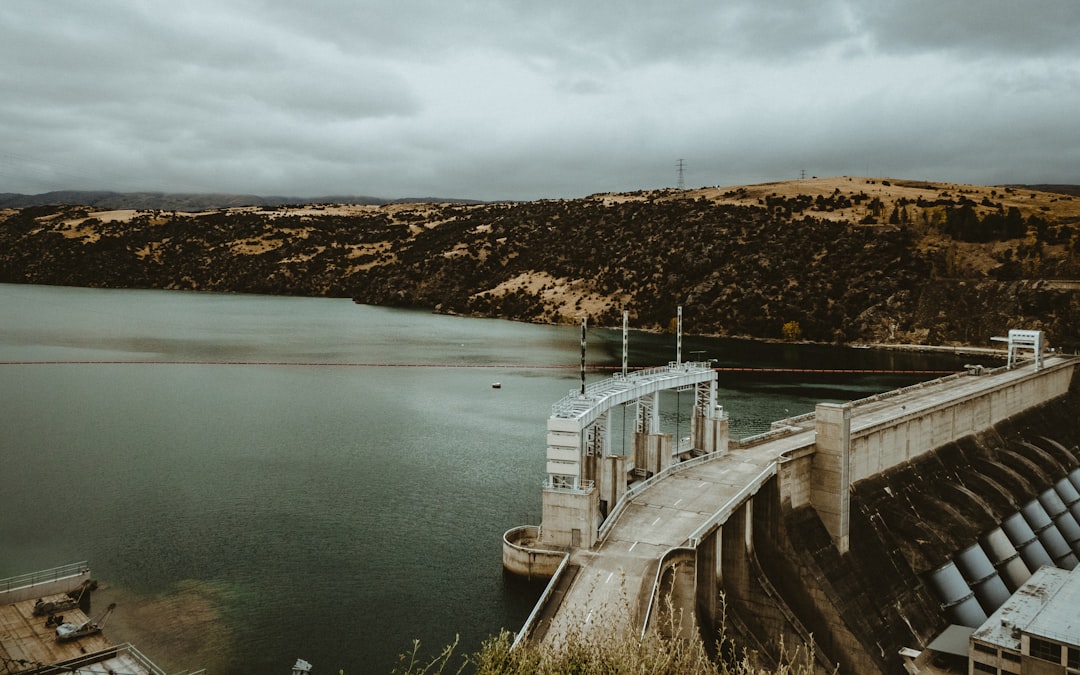
The Three Gorges Dam, located on the Yangtze River in Hubei province, China, stands as a monumental feat of engineering and a symbol of national pride. Completed in 2012, this colossal structure is the largest hydroelectric power station in the world, generating an impressive capacity of over 22,500 megawatts. The dam was constructed not only to produce electricity but also to control flooding, improve river navigation, and promote economic development in the region.
Its construction has transformed the landscape and the lives of millions, making it a focal point of both admiration and controversy. However, the dam’s sheer size and complexity have led to significant structural challenges. As with any large infrastructure project, the Three Gorges Dam is subject to various forms of structural movement, which can pose risks to its integrity and functionality.
Understanding these movements is crucial for ensuring the safety and longevity of the dam, as well as for safeguarding the communities that depend on it. This article delves into the intricacies of structural movement associated with the Three Gorges Dam, exploring its causes, monitoring techniques, impacts, and the broader implications for the environment and society.
Key Takeaways
- The Three Gorges Dam experiences structural movement influenced by various natural and operational factors.
- Continuous monitoring and advanced measurement techniques are essential to assess the dam’s stability.
- Structural movement impacts the dam’s safety, surrounding environment, and local communities.
- Mitigation and maintenance efforts focus on minimizing risks and preserving ecological balance.
- Future challenges include addressing environmental, economic, and social concerns while ensuring sustainable dam operation.
Overview of Structural Movement
Structural movement refers to the physical changes that occur within a structure over time due to various factors such as environmental conditions, material properties, and operational stresses.
These movements are often influenced by the immense weight of the dam itself, the water pressure exerted by the reservoir, and geological factors inherent to the region.
The dam’s design incorporates numerous safety features intended to accommodate some degree of movement. Engineers have anticipated potential shifts and have implemented measures to monitor these changes closely. However, as the dam continues to age and as external conditions evolve, understanding and managing structural movement becomes increasingly critical.
The interplay between natural forces and human engineering efforts creates a dynamic environment that requires constant vigilance and adaptation.
Causes of Structural Movement

Several factors contribute to structural movement in large dams like the Three Gorges Dam. One primary cause is the geological characteristics of the surrounding area. The Yangtze River basin is known for its complex geology, which includes various rock types and fault lines.
As water levels fluctuate in the reservoir, the underlying geology can shift, leading to settlement or deformation of the dam structure itself. Another significant factor is hydrodynamic pressure.
This pressure can lead to stress within the materials used in construction, potentially resulting in cracks or other forms of structural compromise. Additionally, seasonal variations in water levels can exacerbate these effects, as rapid changes can induce stress cycles that challenge the dam’s integrity.
Monitoring and Measurement Techniques
| Technique | Description | Common Metrics | Applications |
|---|---|---|---|
| Performance Monitoring | Tracking system or application performance over time. | Response time, throughput, CPU usage, memory usage | Web servers, databases, network devices |
| Network Monitoring | Observing network traffic and health. | Packet loss, latency, bandwidth utilization, error rates | Enterprise networks, ISPs, data centers |
| Environmental Monitoring | Measuring physical conditions affecting equipment. | Temperature, humidity, vibration, noise levels | Data centers, manufacturing plants, laboratories |
| Quality Control Measurement | Assessing product or process quality. | Defect rate, yield, process capability (Cp, Cpk) | Manufacturing, software testing, service delivery |
| Security Monitoring | Detecting and analyzing security threats. | Number of intrusion attempts, malware detections, vulnerability counts | IT security, compliance auditing, incident response |
| Customer Satisfaction Measurement | Evaluating customer feedback and experience. | Net Promoter Score (NPS), Customer Satisfaction Score (CSAT), churn rate | Service industries, product development, marketing |
To ensure the safety and stability of the Three Gorges Dam, a comprehensive monitoring system has been established. This system employs a variety of techniques designed to detect and measure structural movement accurately. One common method involves the use of geodetic surveys, which utilize GPS technology to track any shifts in position over time.
These surveys provide precise data on how different parts of the dam are moving relative to one another. In addition to geodetic surveys, other monitoring techniques include strain gauges and inclinometers. Strain gauges measure deformation within materials, allowing engineers to assess how much stress different sections of the dam are experiencing.
Inclinometers track changes in angle or tilt, providing insights into potential stability issues. Together, these methods create a robust framework for ongoing assessment and maintenance, ensuring that any signs of structural movement are detected early and addressed promptly.
Impact of Structural Movement
The implications of structural movement at the Three Gorges Dam extend beyond engineering concerns; they also encompass environmental and social dimensions. If left unaddressed, significant structural movement could compromise the dam’s ability to generate electricity or manage floodwaters effectively. This could lead to power shortages or increased flood risks for communities downstream, highlighting the interconnectedness of infrastructure integrity and public safety.
Moreover, structural movement can have cascading effects on local ecosystems. Changes in water levels or flow patterns resulting from dam instability may disrupt aquatic habitats and affect biodiversity in the Yangtze River basin. Fish populations could decline due to altered spawning grounds or increased sedimentation, impacting both ecological balance and local fishing industries that rely on healthy fish stocks.
Mitigation and Maintenance Efforts
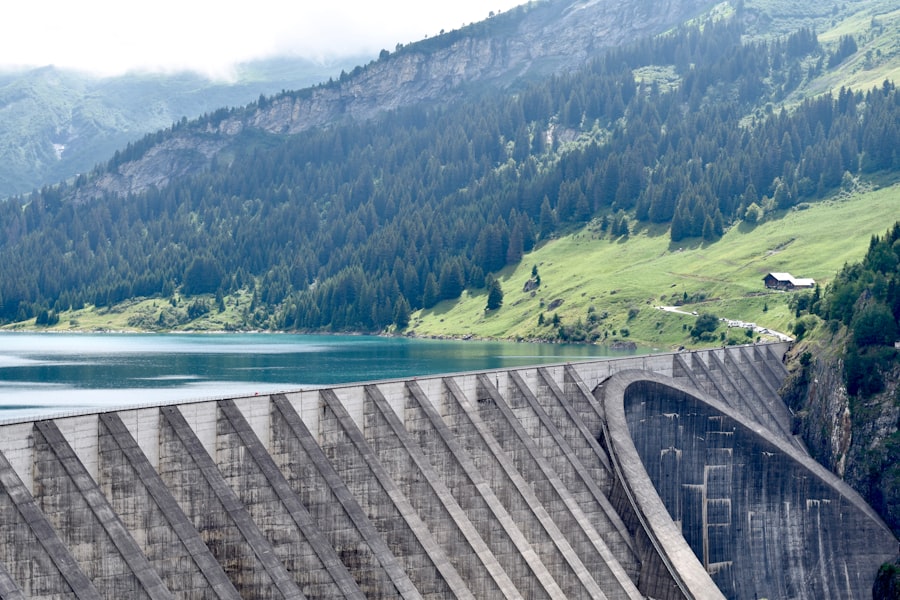
To address potential risks associated with structural movement, ongoing maintenance and mitigation efforts are essential. The management team at the Three Gorges Dam employs a proactive approach to maintenance, conducting regular inspections and assessments to identify any signs of distress or movement. This includes routine checks on critical components such as spillways, gates, and concrete structures.
In addition to routine maintenance, engineers have developed specific mitigation strategies aimed at minimizing risks associated with structural movement. These may include reinforcing certain sections of the dam with additional materials or adjusting operational protocols to reduce stress during periods of high water levels. By implementing these measures, authorities aim to enhance the resilience of the dam against potential structural challenges while ensuring its continued functionality.
Environmental and Ecological Consequences
The construction and operation of the Three Gorges Dam have had profound environmental consequences that extend beyond structural concerns. The creation of a vast reservoir has altered local ecosystems significantly, inundating vast areas of land that were once home to diverse flora and fauna. This transformation has led to habitat loss for many species, raising concerns about biodiversity in the region.
Additionally, changes in water flow patterns have affected sediment transport along the Yangtze River. Sediment plays a crucial role in maintaining river health by supporting aquatic habitats and replenishing nutrients downstream. The dam’s operation has disrupted this natural process, leading to increased erosion in some areas while causing sediment buildup in others.
These ecological shifts pose long-term challenges for conservation efforts and highlight the need for careful management of both human activities and natural resources.
Economic Implications
The economic implications of structural movement at the Three Gorges Dam are multifaceted. On one hand, a stable and well-maintained dam contributes significantly to regional economic development by providing reliable electricity generation and improved navigation along the Yangtze River. This has facilitated trade and commerce in surrounding areas, boosting local economies.
Conversely, if structural movement leads to operational disruptions or safety concerns, it could have detrimental economic effects. Power outages or flooding risks could deter investment in nearby industries or agriculture, leading to job losses and reduced economic activity. Therefore, maintaining structural integrity is not only crucial for safety but also for sustaining economic growth in a region that relies heavily on the dam’s capabilities.
Social and Cultural Effects
The social and cultural effects of the Three Gorges Dam are profound and complex. The construction of the dam necessitated the relocation of over a million people from their homes, leading to significant social upheaval. Communities that had existed for generations were displaced, resulting in loss of cultural heritage and traditional ways of life.
Moreover, as people adapt to new environments post-relocation, there are ongoing challenges related to social integration and community cohesion. The influx of new residents into urban areas surrounding the dam has created pressures on infrastructure and services, leading to tensions between different groups. Addressing these social dynamics is essential for fostering a sense of belonging among displaced populations while ensuring that their cultural identities are preserved.
Future Challenges and Considerations
Looking ahead, several challenges loom for the Three Gorges Dam as it continues to operate in an evolving landscape. Climate change poses significant risks through altered precipitation patterns and increased frequency of extreme weather events. These changes could exacerbate structural movement issues or create new challenges related to water management.
Additionally, ongoing monitoring will be crucial as new technologies emerge that may enhance understanding of structural dynamics. Investing in research and development can provide valuable insights into innovative solutions for mitigating risks associated with structural movement while ensuring that environmental considerations remain at the forefront.
Conclusion and Recommendations
In conclusion, while the Three Gorges Dam represents an extraordinary achievement in engineering and energy production, it also embodies a complex interplay of challenges related to structural movement. Understanding these movements is vital for ensuring safety and sustainability in both engineering practices and environmental stewardship. To address these challenges effectively, it is recommended that authorities continue investing in advanced monitoring technologies while prioritizing regular maintenance efforts.
Furthermore, engaging with local communities affected by the dam’s operations can foster collaboration in addressing social impacts while preserving cultural heritage. Ultimately, a holistic approach that balances engineering integrity with environmental protection and social responsibility will be essential for navigating future challenges associated with this iconic structure on the Yangtze River.
The structural movement of the Three Gorges Dam has been a topic of significant concern among engineers and environmentalists alike. Recent studies have highlighted the dam’s response to geological and hydrological changes, emphasizing the need for ongoing monitoring and assessment. For more detailed insights into the structural integrity and movement of the dam, you can refer to this related article: Three Gorges Dam Structural Analysis.
WATCH THIS! The $30 Billion Lie: Why China’s Three Gorges Dam Will Fail Sooner Than You Think
FAQs
What is the Three Gorges Dam?
The Three Gorges Dam is a hydroelectric gravity dam located on the Yangtze River in Hubei Province, China. It is the world’s largest power station in terms of installed capacity and was constructed primarily for flood control, power generation, and improved river navigation.
What does structural movement mean in the context of the Three Gorges Dam?
Structural movement refers to any displacement, deformation, or shift in the dam’s physical structure. This can include settling, tilting, or cracking that may occur due to natural forces such as water pressure, seismic activity, or temperature changes, as well as construction-related factors.
Why is monitoring structural movement important for the Three Gorges Dam?
Monitoring structural movement is crucial to ensure the dam’s safety and operational integrity. Detecting any abnormal movements early helps prevent potential failures, ensures the dam can withstand environmental stresses, and maintains the safety of downstream communities.
What types of structural movements have been observed in the Three Gorges Dam?
The dam has experienced minor and controlled movements such as slight settling and thermal expansion or contraction. These movements are typical for large concrete structures and are continuously monitored to ensure they remain within safe limits.
How is structural movement of the Three Gorges Dam monitored?
The dam is equipped with a comprehensive monitoring system that includes sensors, inclinometers, strain gauges, and GPS technology. These instruments provide real-time data on displacement, stress, and other structural parameters to engineers and safety officials.
Has structural movement affected the safety of the Three Gorges Dam?
To date, structural movements observed in the Three Gorges Dam have been within design tolerances and have not compromised its safety. Continuous monitoring and maintenance ensure that any potential issues are addressed promptly.
What measures are taken if abnormal structural movement is detected?
If abnormal movement is detected, engineers conduct detailed inspections and analyses to determine the cause. Remedial actions may include structural reinforcement, controlled water level adjustments, or other engineering interventions to stabilize the dam.
Can natural events like earthquakes impact the structural movement of the dam?
Yes, seismic activity can influence structural movement. The Three Gorges Dam was designed to withstand significant seismic forces, and its monitoring systems are capable of detecting any movement caused by earthquakes to ensure timely response.
How does the dam’s design accommodate structural movement?
The dam’s design incorporates expansion joints, flexible materials, and robust foundations to accommodate expected movements caused by temperature changes, water pressure, and other environmental factors, minimizing stress on the structure.
Where can I find more detailed technical information about the Three Gorges Dam’s structural movement?
Detailed technical reports and research papers on the Three Gorges Dam’s structural behavior are available through engineering journals, Chinese government publications, and international hydropower organizations. Official monitoring data may also be accessible through the dam’s managing authorities.