
The Three Gorges Dam, an engineering marvel located on the Yangtze River in Hubei province, China, stands as the largest hydroelectric power station in the world. Spanning over 2,300 meters in length and reaching a height of 185 meters, this colossal structure has been a focal point of both admiration and controversy since its inception. Designed to generate electricity, control flooding, and improve river navigation, the dam has transformed the landscape and economy of the region.
However, its sheer size and complexity have also raised significant concerns regarding its safety and environmental impact. As the dam continues to operate, it serves as a testament to human ingenuity and ambition. Yet, it also embodies the precarious balance between progress and sustainability.
The Three Gorges Dam is not merely a feat of engineering; it is a symbol of the challenges faced by modern society in managing natural resources while safeguarding the environment and local communities.
Key Takeaways
- The Three Gorges Dam is a massive hydroelectric project with significant historical and environmental importance.
- Structural risks and climate change increase the potential for dam collapse, posing serious threats.
- A collapse would have devastating effects on local communities and the surrounding ecosystem.
- International concerns arise due to the dam’s impact on downstream countries and global water management.
- Ongoing mitigation efforts and expert analyses aim to prevent collapse and address controversies.
History of the Three Gorges Dam construction
The journey toward the construction of the Three Gorges Dam began in the early 20th century, with initial proposals emerging as early as 1919. However, it was not until the late 20th century that serious plans took shape. In 1992, the National People’s Congress of China officially approved the project, marking a significant turning point in its history.
Construction commenced in 1994, and over the next two decades, thousands of workers labored tirelessly to bring this ambitious vision to life. The dam was completed in 2012, but its impact on the region was felt long before that. The construction process was fraught with challenges, including geological instability, displacement of local populations, and environmental concerns.
Approximately 1.3 million people were relocated to make way for the dam and its reservoir, leading to significant social upheaval. Despite these challenges, the Chinese government remained steadfast in its commitment to completing the project, viewing it as essential for economic development and energy production. The dam’s completion marked a new era for China, positioning it as a leader in renewable energy while simultaneously raising questions about the long-term consequences of such large-scale infrastructure projects.
Factors contributing to the risk of collapse
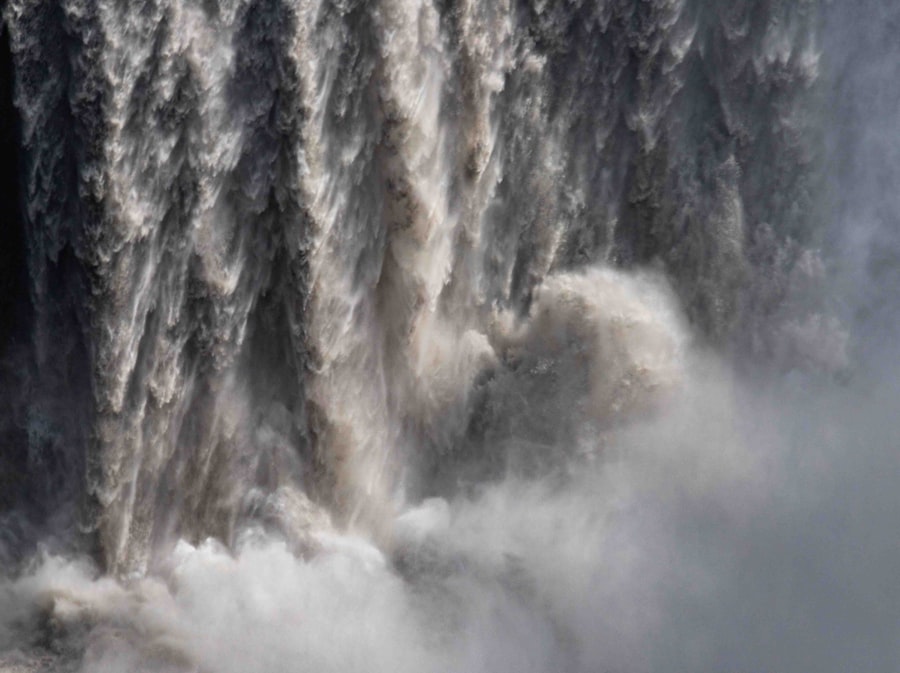
The structural integrity of the Three Gorges Dam has been a topic of intense scrutiny since its completion. Several factors contribute to the risk of collapse, including geological conditions, design flaws, and maintenance challenges. The dam is situated in a seismically active region, where earthquakes pose a significant threat to its stability.
Experts have raised concerns about the potential for landslides and other geological events that could compromise the dam’s structure. Additionally, the sheer volume of water held back by the dam creates immense pressure on its walls. Over time, wear and tear can lead to structural weaknesses that may not be immediately apparent.
Regular maintenance is crucial to ensure that any potential issues are addressed promptly; however, reports have indicated that maintenance practices may not always meet necessary standards. As these factors converge, they create a complex web of risks that could ultimately jeopardize the dam’s integrity.
Environmental impact of a potential collapse
| Metric | Description | Potential Impact | Measurement Unit |
|---|---|---|---|
| Air Quality Degradation | Increase in airborne pollutants due to collapse debris and fires | High | µg/m³ (PM2.5, PM10) |
| Water Contamination | Release of hazardous substances into water bodies | Severe | mg/L (chemical concentration) |
| Soil Pollution | Deposition of toxic materials affecting soil quality | Moderate to High | mg/kg (contaminant concentration) |
| Wildlife Displacement | Loss of habitat and forced migration of species | Significant | Number of species affected |
| Greenhouse Gas Emissions | Release of CO2 and methane from debris and disturbed ecosystems | Moderate | Metric tons CO2 equivalent |
| Noise Pollution | Increase in noise levels from collapse and rescue operations | Temporary High | Decibels (dB) |
| Vegetation Loss | Destruction of plant life in the affected area | High | Hectares |
The environmental consequences of a potential collapse of the Three Gorges Dam would be catastrophic. The dam’s reservoir currently holds an enormous volume of water, and if it were to fail, the resulting flood could devastate ecosystems along the Yangtze River and beyond. Aquatic life would be particularly vulnerable, as sudden changes in water levels could disrupt breeding patterns and habitats for countless species.
Moreover, the dam has already altered the natural flow of the Yangtze River, leading to sediment buildup and changes in water quality. A collapse would exacerbate these issues, potentially releasing pollutants trapped in sediment back into the river system. The long-term ecological effects could be profound, affecting not only local wildlife but also agricultural practices and water supply for millions of people downstream.
Potential consequences for local communities
The potential collapse of the Three Gorges Dam poses dire consequences for local communities that have come to rely on its stability for their livelihoods. With millions living in proximity to the dam and its reservoir, a sudden failure could lead to widespread displacement and loss of life. Emergency response systems may struggle to cope with such a disaster, leaving communities vulnerable in their time of need.
In addition to immediate physical dangers, there would be long-term socio-economic repercussions. Many residents depend on agriculture and fishing for their livelihoods; a collapse could destroy arable land and disrupt fishing grounds. The psychological toll on affected populations would also be significant, as communities grapple with loss and uncertainty about their future.
The potential for social unrest could rise as displaced individuals seek assistance and resources in an already strained environment.
International implications of a collapse
The ramifications of a collapse at the Three Gorges Dam would extend far beyond China’s borders. The Yangtze River is one of Asia’s most vital waterways, serving as a crucial resource for neighboring countries. A catastrophic failure could lead to regional instability as downstream nations grapple with flooding and its aftermath.
Countries such as Vietnam and Myanmar could face significant challenges if water levels rise dramatically due to a dam failure. Furthermore, international relations may be strained as nations respond to the crisis. Humanitarian aid efforts would likely be necessary, requiring cooperation among countries in the region and beyond.
The global community would need to address not only immediate relief efforts but also long-term strategies for managing shared water resources in light of such an event. The interconnectedness of modern geopolitics means that a disaster at the Three Gorges Dam could have far-reaching implications for international diplomacy and cooperation.
Efforts to mitigate the risk of collapse
In response to growing concerns about the safety of the Three Gorges Dam, various measures have been implemented to mitigate risks associated with its operation.
These efforts aim to identify potential weaknesses before they escalate into serious issues that could threaten the dam’s stability.
Additionally, advancements in technology have allowed for more sophisticated modeling and analysis of geological conditions surrounding the dam. By utilizing data-driven approaches, engineers can better understand how external factors may impact the dam over time. These proactive measures are essential for ensuring that any necessary repairs or reinforcements are made promptly, thereby reducing the likelihood of catastrophic failure.
Controversies surrounding the dam’s construction and maintenance
The construction and ongoing maintenance of the Three Gorges Dam have not been without controversy. Critics argue that the project has prioritized economic growth over environmental sustainability and social equity. The displacement of over a million people raised ethical questions about government priorities and accountability.
Many displaced individuals faced inadequate compensation or support during their transition to new homes. Moreover, concerns about transparency in maintenance practices have fueled skepticism regarding the dam’s safety protocols. Reports of insufficient funding for regular upkeep have led some experts to question whether adequate resources are being allocated to ensure long-term stability.
As debates continue over these issues, public trust in government oversight remains fragile.
The role of climate change in exacerbating the risk
Climate change has emerged as a critical factor influencing the risk profile of large infrastructure projects like the Three Gorges Dam. As weather patterns become increasingly unpredictable, extreme weather events such as heavy rainfall or prolonged droughts can place additional stress on water management systems. The potential for more intense storms raises concerns about flooding risks that could overwhelm even well-designed structures.
Furthermore, rising temperatures can affect water levels in rivers and reservoirs, complicating management strategies for hydroelectric power generation. As climate change continues to evolve, it is essential for engineers and policymakers to consider these factors when assessing risks associated with large dams like Three Gorges. Adapting infrastructure to withstand changing environmental conditions will be crucial for ensuring long-term safety.
Expert opinions on the likelihood of collapse
Experts remain divided on the likelihood of a collapse at the Three Gorges Dam. Some engineers express confidence in its design and ongoing maintenance efforts, citing advancements in technology that enhance monitoring capabilities. They argue that proactive measures taken by authorities significantly reduce risks associated with structural failure.
Conversely, other experts caution against complacency, emphasizing that no infrastructure is entirely immune to failure. They point out that unforeseen geological events or extreme weather conditions could still pose significant threats to even well-maintained structures like the Three Gorges Dam. This divergence in expert opinion underscores the complexity of assessing risk in large-scale engineering projects and highlights the need for continued vigilance.
Conclusion and potential future developments
The future of the Three Gorges Dam remains uncertain as it navigates a landscape marked by both opportunity and risk. While it stands as a testament to human achievement in renewable energy production, it also serves as a reminder of the delicate balance between progress and sustainability. Ongoing efforts to mitigate risks associated with its operation are essential for ensuring safety while addressing environmental concerns.
As climate change continues to shape global weather patterns and increase uncertainty around water management systems, it is imperative for stakeholders to remain proactive in their approach to infrastructure development. The lessons learned from the Three Gorges Dam can inform future projects worldwide as societies grapple with similar challenges related to resource management and environmental stewardship. Ultimately, fostering collaboration among governments, experts, and local communities will be crucial for navigating these complex issues in an increasingly interconnected world.
The Three Gorges Dam, one of the largest engineering projects in the world, has raised concerns regarding its structural integrity and the potential risk of collapse. A related article that delves into the implications of such a disaster can be found on MyGeoQuest, which discusses the environmental and social impacts of the dam’s operations. For more information, you can read the article [here](https://www.mygeoquest.com/).
WATCH THIS! The $30 Billion Lie: Why China’s Three Gorges Dam Will Fail Sooner Than You Think
FAQs
What is the Three Gorges Dam?
The Three Gorges Dam is the world’s largest hydroelectric power station, located on the Yangtze River in China. It serves multiple purposes including flood control, power generation, and improving river navigation.
Is there a risk of the Three Gorges Dam collapsing?
While concerns have been raised about the dam’s structural integrity, there is currently no credible evidence suggesting an imminent risk of collapse. The dam was designed and constructed to withstand significant natural events, including earthquakes and floods.
What factors could potentially threaten the stability of the Three Gorges Dam?
Potential threats include extreme flooding, seismic activity, landslides in the reservoir area, and structural wear over time. However, continuous monitoring and maintenance are conducted to mitigate these risks.
How is the safety of the Three Gorges Dam monitored?
The dam is equipped with advanced monitoring systems that track water levels, structural stress, seismic activity, and other critical parameters. Regular inspections and maintenance are also performed to ensure its safety.
What measures are in place to prevent a dam collapse?
Preventive measures include rigorous engineering standards, real-time monitoring, emergency response plans, controlled water discharge during floods, and ongoing maintenance and upgrades.
What would be the consequences if the Three Gorges Dam were to fail?
A failure could lead to catastrophic flooding downstream, affecting millions of people, causing significant economic damage, and impacting the environment. However, such an event is considered highly unlikely due to the dam’s robust design and safety protocols.
Has the Three Gorges Dam experienced any structural issues since its completion?
There have been no reports of major structural failures. Minor issues related to sedimentation and landslides in the reservoir area have been managed through engineering interventions.
How does the Three Gorges Dam contribute to flood control?
The dam regulates the flow of the Yangtze River by storing excess water during heavy rains and releasing it gradually, thereby reducing the risk of downstream flooding.
Are there any environmental concerns related to the Three Gorges Dam?
Yes, the dam has impacted local ecosystems, fish migration, and sediment flow. Efforts are ongoing to address these environmental challenges through conservation and management programs.
Where can I find official information about the safety of the Three Gorges Dam?
Official information can be obtained from the China Three Gorges Corporation, Chinese government agencies responsible for water resources, and international engineering and environmental organizations monitoring the dam.