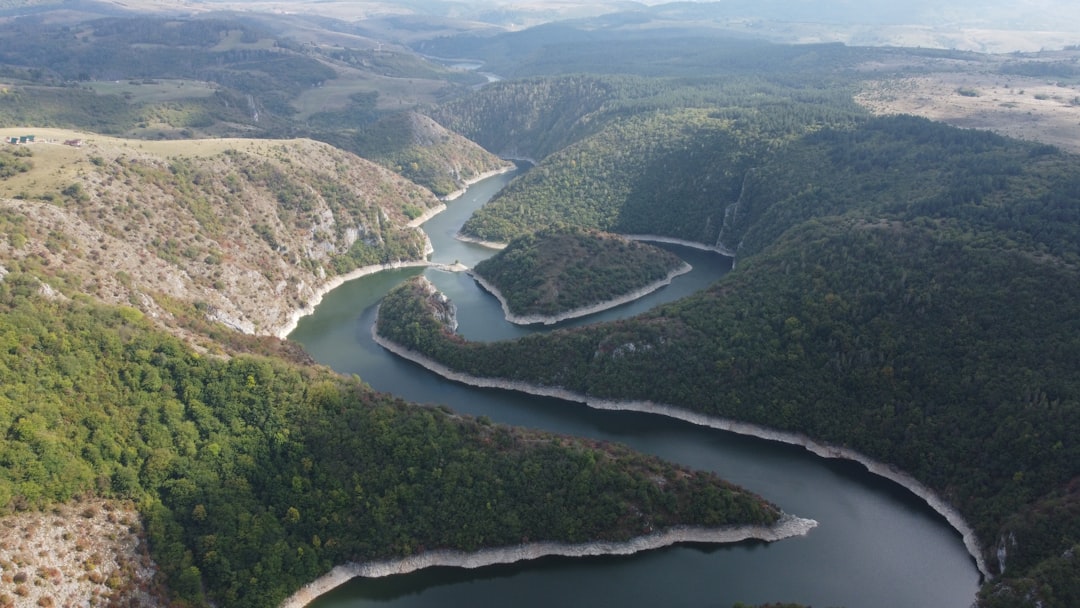
The Three Gorges Dam, located on the Yangtze River in Hubei province, China, stands as a monumental feat of engineering and a symbol of national pride. Completed in 2012, it is the largest hydroelectric power station in the world, both in terms of installed capacity and annual generation. The dam stretches over 2,300 meters in length and reaches a height of 185 meters, creating a reservoir that extends for approximately 600 kilometers upstream.
This colossal structure was designed not only to generate electricity but also to provide flood control, improve river navigation, and enhance water supply for the surrounding regions. The construction of the Three Gorges Dam has had profound implications for the environment, economy, and society.
While the dam has been lauded for its contributions to energy production and flood management, it has also faced criticism for its environmental impact and the social upheaval it has caused. Understanding the complexities surrounding the dam requires a closer examination of its operational goals, particularly the management of reservoir level targets.
Key Takeaways
- The Three Gorges Dam’s reservoir level targets are crucial for optimizing flood control and hydropower generation.
- Balancing flood prevention with energy production presents significant management challenges.
- Reservoir level decisions impact environmental health and local communities economically and socially.
- International cooperation plays a role in managing reservoir levels and addressing transboundary concerns.
- Future strategies focus on improving reservoir management to enhance sustainability and operational efficiency.
Importance of Reservoir Level Targets
Reservoir level targets are critical for the effective operation of the Three Gorges Dam. These targets dictate the optimal water levels within the reservoir to achieve various objectives, including flood control, hydropower generation, and ecological preservation. Maintaining appropriate reservoir levels is essential for ensuring that the dam can respond effectively to seasonal variations in rainfall and river flow.
The management of these levels is a delicate balancing act that requires careful planning and real-time monitoring. The significance of reservoir level targets extends beyond mere operational efficiency; they are integral to safeguarding the communities and ecosystems that depend on the Yangtze River. By setting specific targets, dam operators can mitigate the risks associated with flooding during periods of heavy rainfall while also ensuring that sufficient water is available for power generation during dry spells.
This proactive approach not only enhances the reliability of the dam’s functions but also fosters a sense of security among local populations who rely on the river for their livelihoods.
Flood Control Considerations
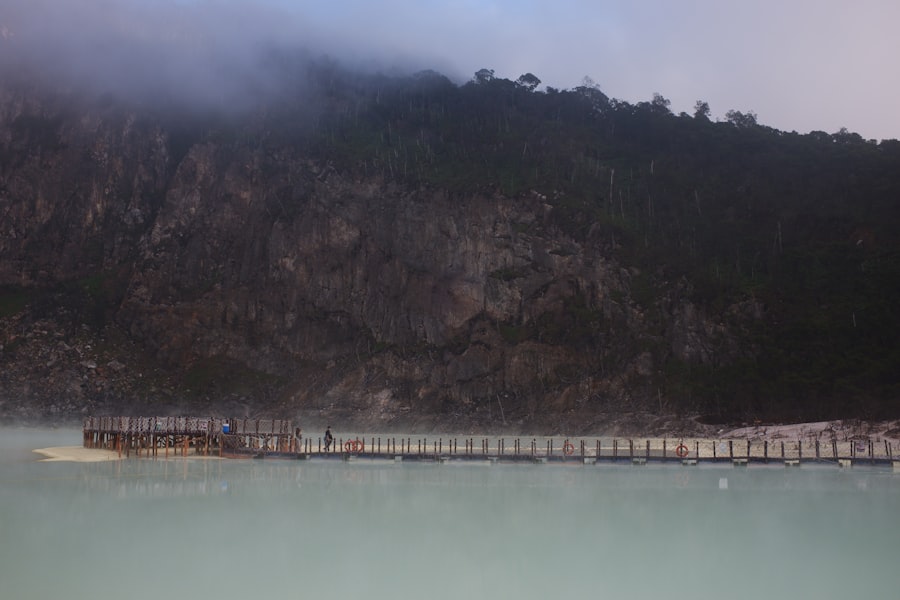
Flood control is one of the primary purposes of the Three Gorges Dam, and it plays a crucial role in protecting millions of people living along the Yangtze River. Historically, this region has been prone to devastating floods that have caused significant loss of life and property. The dam’s reservoir acts as a buffer, absorbing excess water during periods of heavy rainfall and releasing it gradually to prevent downstream flooding.
This capability is particularly vital during the monsoon season when rainfall can be intense and unpredictable. To effectively manage flood risks, operators must continuously assess weather patterns and river conditions. The dam’s design allows for real-time adjustments to reservoir levels based on forecasts and current inflow rates.
By adhering to established flood control protocols, operators can minimize the impact of potential flooding events. However, this requires a comprehensive understanding of hydrological dynamics and an ability to make swift decisions in response to changing conditions. The success of these flood control measures is evident in the reduced incidence of catastrophic flooding since the dam’s construction.
Hydropower Generation Considerations
| Consideration | Description | Impact on Hydropower Generation | Measurement Metrics |
|---|---|---|---|
| Water Flow Rate | Volume of water passing through the turbine per unit time | Directly affects the amount of energy generated | Cubic meters per second (m³/s) |
| Hydraulic Head | Height difference between water source and turbine | Determines potential energy available for conversion | Meters (m) |
| Turbine Efficiency | Effectiveness of converting water energy to mechanical energy | Higher efficiency increases power output | Percentage (%) |
| Environmental Impact | Effects on aquatic ecosystems and water quality | May limit operational capacity or require mitigation measures | Environmental impact assessments, biodiversity indices |
| Seasonal Variability | Changes in water availability throughout the year | Affects consistency and reliability of power generation | Monthly flow rate variations, reservoir levels |
| Sedimentation | Accumulation of sediments in reservoirs | Reduces storage capacity and turbine efficiency | Volume of sediment (cubic meters), sedimentation rate |
| Grid Connectivity | Ability to transmit generated power to the electrical grid | Impacts feasibility and economic viability | Distance to grid, transmission capacity (MW) |
| Regulatory Compliance | Adherence to laws and permits governing hydropower | Can affect project timelines and operational limits | Number of permits, compliance status |
In addition to flood control, hydropower generation is a key function of the Three Gorges Dam. The facility boasts an installed capacity of over 22,500 megawatts, which translates into substantial electricity production that supports China’s growing energy demands. The ability to generate power from renewable sources is increasingly important in the context of global climate change and the need for sustainable energy solutions.
The dam’s hydropower capabilities contribute significantly to reducing reliance on fossil fuels and lowering greenhouse gas emissions. The management of reservoir levels directly influences hydropower generation efficiency. Higher water levels typically result in increased pressure on turbines, allowing for greater electricity output.
Conversely, if water levels fall below optimal thresholds, power generation can be adversely affected.
This intricate interplay between flood management and energy generation underscores the complexity of operating such a large-scale infrastructure project.
Challenges in Balancing Flood Control and Hydropower
The dual objectives of flood control and hydropower generation present significant challenges for the management of reservoir levels at the Three Gorges Dam. Operators must navigate competing priorities while considering environmental impacts and social implications. For instance, during periods of heavy rainfall, there may be a pressing need to lower reservoir levels quickly to accommodate incoming water and prevent flooding downstream.
However, this rapid drawdown can compromise hydropower generation capabilities if not managed carefully. Moreover, climate change adds another layer of complexity to this balancing act. As weather patterns become increasingly erratic, operators must adapt their strategies to account for more frequent and intense storms as well as prolonged droughts.
This unpredictability necessitates advanced forecasting techniques and flexible operational protocols to ensure that both flood control and energy generation goals are met without compromising safety or environmental integrity.
Reservoir Level Target Management
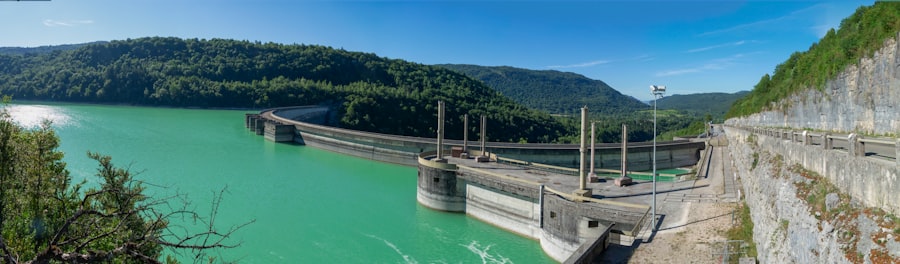
Effective reservoir level target management is essential for optimizing the performance of the Three Gorges Dam. This process involves setting specific water level goals based on historical data, current conditions, and future forecasts. Operators utilize sophisticated modeling tools to simulate various scenarios and determine the best course of action for maintaining reservoir levels within desired ranges.
Regular monitoring is also crucial in this management process. Automated systems track water inflow and outflow, allowing operators to make informed decisions in real time. Additionally, collaboration with meteorological agencies provides valuable insights into weather patterns that may impact reservoir levels.
By integrating data from multiple sources, operators can enhance their ability to respond proactively to changing conditions and ensure that both flood control and hydropower generation objectives are met.
Impact of Reservoir Level Targets on the Environment
The management of reservoir level targets at the Three Gorges Dam has significant environmental implications. Fluctuating water levels can affect aquatic ecosystems, including fish populations and plant life along the riverbanks. For instance, rapid changes in water levels can disrupt spawning cycles for fish species that rely on stable conditions for reproduction.
Additionally, altered flow patterns can impact sediment transport, which is vital for maintaining healthy river habitats. Efforts to mitigate these environmental impacts are ongoing. Environmental assessments are conducted regularly to evaluate how changes in reservoir levels affect local ecosystems.
Strategies such as creating fish passages or implementing controlled releases can help minimize adverse effects while still achieving operational goals. Balancing ecological health with human needs remains a critical challenge for dam operators as they strive to fulfill their responsibilities toward both energy production and environmental stewardship.
Social and Economic Implications of Reservoir Level Targets
The social and economic implications of reservoir level targets at the Three Gorges Dam are profound and multifaceted. The dam has transformed local economies by providing reliable electricity and improving navigation along the Yangtze River. However, it has also led to significant displacement of communities due to land inundation caused by the creation of the reservoir.
Millions were relocated during construction, leading to social upheaval and challenges in resettlement efforts. Furthermore, fluctuations in reservoir levels can impact agricultural practices in surrounding areas. Farmers depend on consistent water availability for irrigation; thus, any changes in water management can directly affect crop yields and livelihoods.
As such, effective communication between dam operators and local communities is essential to ensure that residents are informed about potential changes in water levels and can plan accordingly.
International Cooperation and Reservoir Level Targets
International cooperation plays a vital role in managing reservoir level targets at the Three Gorges Dam, particularly given the transboundary nature of river systems like the Yangtze. Collaborative efforts among neighboring countries can enhance understanding of shared water resources and promote sustainable management practices. Engaging with international organizations can also facilitate knowledge exchange regarding best practices in dam operation and environmental conservation.
China’s commitment to international dialogue on water management issues reflects an awareness of its responsibilities as a major player in regional hydrology. By participating in forums focused on transboundary water governance, China can foster relationships with neighboring countries while addressing concerns related to water allocation, environmental protection, and disaster preparedness.
Future Outlook for Three Gorges Dam Reservoir Level Targets
Looking ahead, the future management of reservoir level targets at the Three Gorges Dam will likely be shaped by evolving challenges such as climate change, technological advancements, and shifting societal needs. As weather patterns become increasingly unpredictable, operators will need to adopt more adaptive management strategies that prioritize resilience against extreme weather events while still meeting energy demands. Technological innovations may also play a crucial role in enhancing operational efficiency at the dam.
Advances in data analytics, remote sensing technologies, and predictive modeling could provide operators with more accurate forecasts and better tools for decision-making regarding reservoir management. Ultimately, a forward-thinking approach that integrates environmental sustainability with economic viability will be essential for ensuring that the Three Gorges Dam continues to serve its intended purposes effectively.
Conclusion and Recommendations
In conclusion, the Three Gorges Dam represents a complex interplay between engineering prowess and environmental stewardship. The management of reservoir level targets is central to achieving its dual objectives of flood control and hydropower generation while addressing social and ecological concerns. As challenges continue to evolve in response to climate change and societal needs, it is imperative that operators adopt adaptive management strategies that prioritize sustainability.
Recommendations for future management include enhancing collaboration with local communities to ensure their voices are heard in decision-making processes related to water management. Additionally, investing in research on ecological impacts will be crucial for developing strategies that protect aquatic ecosystems while fulfilling operational goals. Finally, fostering international cooperation will help address transboundary water issues effectively while promoting shared benefits among neighboring countries reliant on the Yangtze River system.
Through these efforts, the Three Gorges Dam can continue to be a vital resource while minimizing its environmental footprint and supporting local communities.
The management of the Three Gorges Dam reservoir levels is crucial for flood control and hydroelectric power generation in China. For a deeper understanding of the implications of these reservoir level targets, you can read more in the article available at this link. This article discusses the challenges and strategies involved in maintaining optimal water levels in the dam’s reservoir.
WATCH THIS! The $30 Billion Lie: Why China’s Three Gorges Dam Will Fail Sooner Than You Think
FAQs
What is the Three Gorges Dam?
The Three Gorges Dam is a hydroelectric gravity dam located on the Yangtze River in Hubei Province, China. It is the world’s largest power station in terms of installed capacity and serves multiple purposes including flood control, power generation, and navigation improvement.
What is meant by the reservoir level of the Three Gorges Dam?
The reservoir level refers to the height of the water surface in the dam’s reservoir. It is measured in meters above sea level and is a critical factor in managing water storage, flood control, and power generation.
What are the typical reservoir level targets for the Three Gorges Dam?
The reservoir level targets vary seasonally. Generally, the reservoir is maintained at a high level of about 175 meters above sea level during the flood control season (usually from June to September) to maximize flood storage capacity. During the dry season, the level may be lowered to around 145 meters to prepare for flood control and to manage water resources effectively.
Why are reservoir level targets important for the Three Gorges Dam?
Reservoir level targets are crucial for balancing flood control, power generation, and water supply. Maintaining appropriate water levels helps prevent downstream flooding, ensures sufficient water for electricity production, and supports navigation and ecological needs.
How does the Three Gorges Dam manage reservoir levels during flood season?
During flood season, the dam lowers the reservoir level before heavy rains to create storage capacity for incoming floodwaters. This helps reduce the risk of downstream flooding by temporarily holding excess water and releasing it gradually after the flood peak.
Can the reservoir level targets change due to environmental or operational factors?
Yes, reservoir level targets can be adjusted based on weather forecasts, hydrological conditions, and operational requirements. Emergency situations such as extreme floods or droughts may also necessitate temporary changes in reservoir management strategies.
What impact do reservoir levels have on local communities?
Fluctuations in reservoir levels can affect local communities by influencing water availability, agriculture, fisheries, and transportation. Proper management aims to minimize negative impacts while maximizing benefits such as flood protection and power supply.
How is the reservoir level monitored and controlled?
The reservoir level is continuously monitored using advanced hydrological instruments and satellite data. Operators use this information to make real-time decisions on water release and storage, ensuring the dam meets its operational targets safely and efficiently.