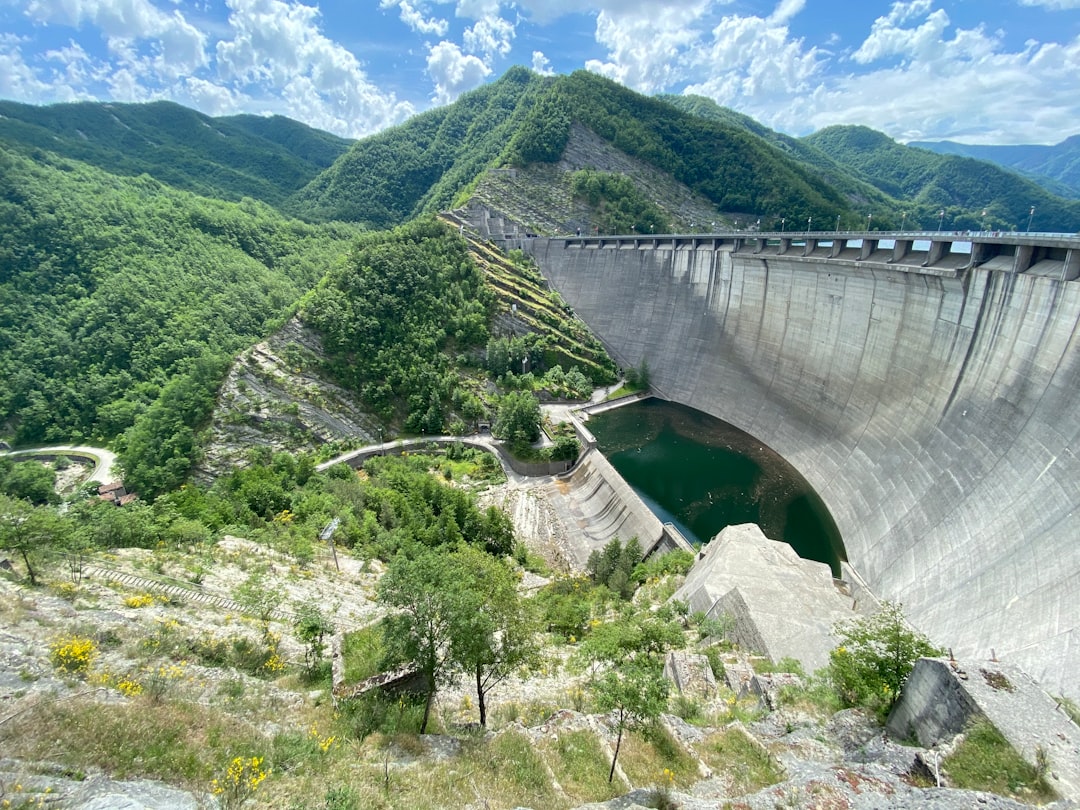
The Three Gorges Dam, located on the Yangtze River in Hubei province, stands as one of the most ambitious engineering feats in modern history. Completed in 2012, it is the largest hydroelectric power station in the world, generating an impressive amount of electricity while also serving as a flood control mechanism. However, the dam has been a source of intense debate and controversy since its inception.
Proponents argue that it has significantly contributed to China’s energy needs and has helped mitigate the devastating floods that have historically plagued the region. Yet, critics contend that the dam’s construction has led to severe social and environmental repercussions that overshadow its benefits. The project has not only transformed the landscape but has also displaced millions of residents, leading to significant social upheaval.
This displacement has raised ethical questions about the rights of those affected and the government’s responsibility towards its citizens. As such, the Three Gorges Dam serves as a focal point for discussions about development, environmental sustainability, and human rights in China.
Key Takeaways
- The Three Gorges Dam project has sparked significant controversy due to its environmental, social, and political implications.
- Allegations of political cover-ups have emerged, raising concerns about transparency and government accountability.
- Investigative journalism and whistleblowers have played a crucial role in revealing hidden truths about the dam’s impact.
- Public opposition and international concerns highlight the widespread unease regarding the dam’s economic, social, and environmental consequences.
- Calls for greater accountability and reassessment emphasize the need to address the dam’s long-term effects and ethical considerations.
Allegations of Political Cover-Up
Allegations of political cover-up surrounding the Three Gorges Dam have emerged from various quarters, suggesting that the Chinese government has downplayed or concealed critical information regarding the project’s adverse effects. Reports indicate that officials may have suppressed data related to geological instability and environmental degradation, raising concerns about the integrity of the information disseminated to the public. Critics argue that this lack of transparency is indicative of a broader pattern within the Chinese political system, where dissenting voices are often silenced in favor of maintaining a façade of progress and success.
Investigative reports have suggested that local governments were pressured to present overly optimistic assessments of the dam’s impact, leading to a significant disconnect between official narratives and on-the-ground realities. Whistleblowers within governmental and environmental agencies have come forward with claims that they were instructed to ignore or minimize reports of landslides and ecological damage. This culture of secrecy not only undermines public trust but also raises serious questions about accountability within the government.
Environmental Impact of the Three Gorges Dam
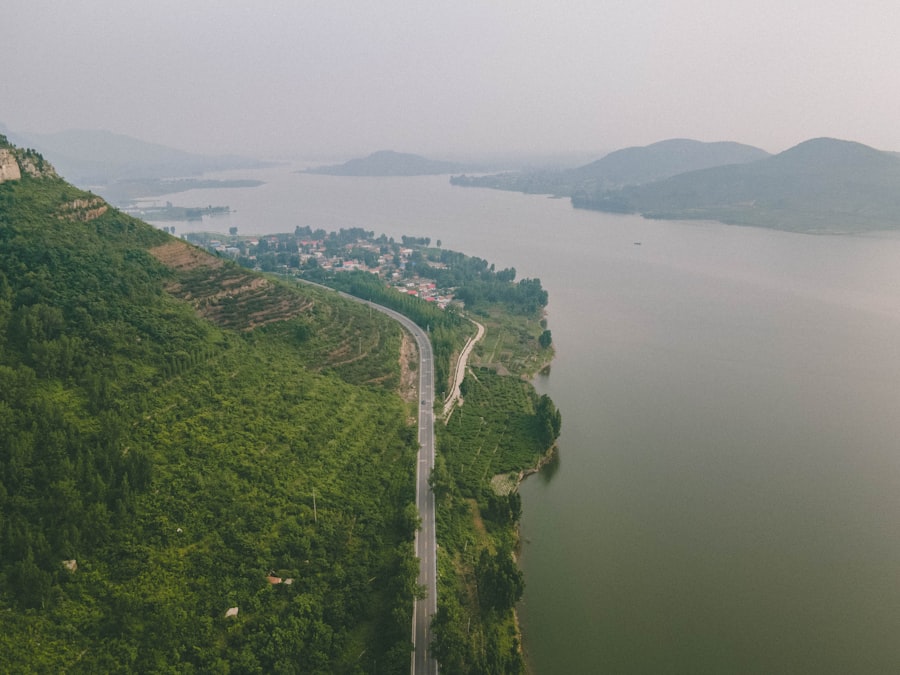
The environmental impact of the Three Gorges Dam is profound and multifaceted. While it was designed to provide renewable energy and flood control, its construction has led to significant ecological disruptions. The alteration of the Yangtze River’s natural flow has affected fish populations and aquatic ecosystems, with some species facing extinction due to changes in their habitats.
The dam’s reservoir has also led to increased sedimentation, which can further exacerbate ecological imbalances. Moreover, the dam’s creation has resulted in increased greenhouse gas emissions from submerged organic matter, countering its intended purpose as a clean energy source. The flooding of vast areas has released carbon dioxide and methane into the atmosphere, contributing to climate change concerns.
Environmentalists argue that these unintended consequences highlight the need for more comprehensive assessments before embarking on large-scale infrastructure projects.
The Role of Chinese Government in the Construction of the Dam
| Aspect | Details | Metrics/Impact |
|---|---|---|
| Funding | Chinese government provided major financial support for dam construction | Investment exceeded 10 billion RMB |
| Policy Support | Implementation of national policies promoting renewable energy and infrastructure development | Inclusion in 5-year plans and energy strategy documents |
| Technical Expertise | Deployment of state-owned enterprises and engineering teams for design and construction | Over 5,000 engineers and technicians involved |
| Environmental Regulation | Government oversight on environmental impact assessments and mitigation measures | Compliance with national environmental standards; reforestation of 1,000+ hectares |
| Social Impact Management | Resettlement programs for displaced communities | Relocation of approximately 50,000 residents with compensation and support |
| Operational Control | Government agencies manage dam operation and maintenance | Annual electricity generation capacity of 22,500 GWh |
The Chinese government played a pivotal role in the construction of the Three Gorges Dam, championing it as a symbol of national pride and technological advancement. The project was initiated under former Premier Zhu Rongji, who emphasized its potential to transform China’s energy landscape and improve flood control measures. However, this ambitious vision came at a cost, as the government prioritized rapid development over thorough environmental assessments and social considerations.
In its pursuit of modernization, the government faced criticism for sidelining local communities and disregarding their concerns. Many residents were forcibly relocated without adequate compensation or support, leading to widespread discontent. The government’s approach has raised questions about its commitment to sustainable development and respect for human rights, as it often appears willing to sacrifice individual welfare for perceived national progress.
Uncovering the Truth: Investigative Journalism and Whistleblowers
Investigative journalism has played a crucial role in uncovering the complexities surrounding the Three Gorges Dam project. Journalists have worked tirelessly to expose discrepancies between official narratives and actual conditions on the ground. Through interviews with displaced residents, environmental experts, and whistleblowers, they have painted a more nuanced picture of the dam’s impact than what is typically presented by state media.
Whistleblowers have emerged as vital sources of information, providing insights into internal government discussions and decisions that have shaped the dam’s development. Their testimonies reveal a troubling culture of silence and fear within governmental agencies, where dissenting opinions are often stifled. These courageous individuals have risked their careers and personal safety to bring attention to issues that might otherwise remain hidden from public scrutiny.
Public Outcry and Opposition to the Dam
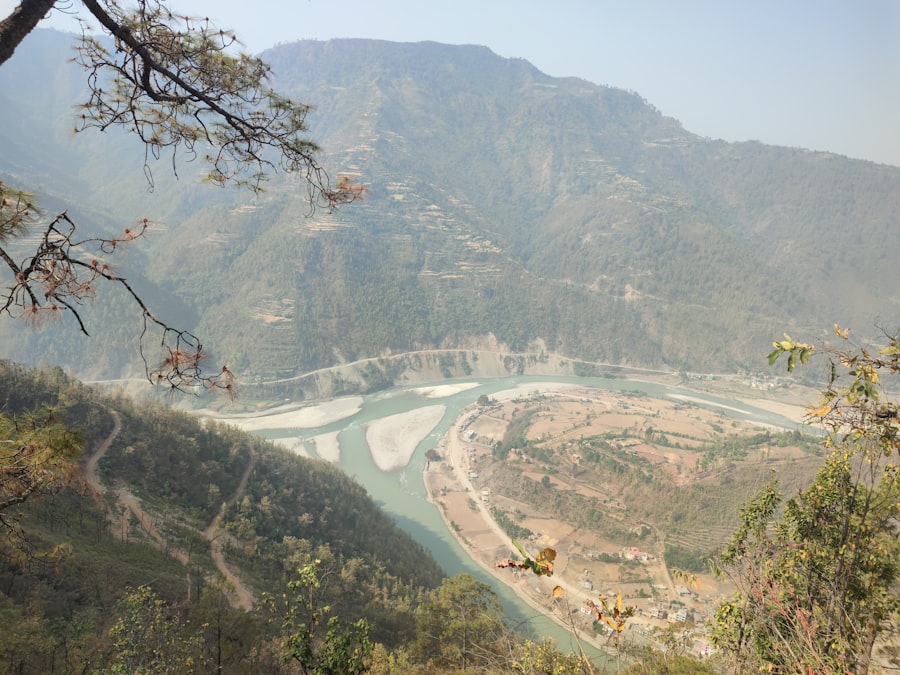
Public outcry against the Three Gorges Dam has manifested in various forms, from grassroots protests to organized campaigns advocating for environmental protection and social justice. Many citizens have expressed their discontent over forced relocations and inadequate compensation packages, leading to widespread dissatisfaction with government policies. Activists have mobilized both online and offline to raise awareness about the dam’s negative consequences, calling for greater accountability from authorities.
The opposition is not limited to local communities; it has garnered international attention as well. Environmental organizations and human rights advocates have criticized the project for its ecological footprint and social injustices. This growing chorus of dissent highlights a broader movement advocating for sustainable development practices that prioritize both environmental health and human rights.
Economic and Social Consequences of the Dam
The economic implications of the Three Gorges Dam are complex and multifaceted. While it has undoubtedly contributed to China’s energy supply and created jobs during its construction phase, it has also led to significant economic disruptions for those displaced by its creation. Many former residents have struggled to adapt to new livelihoods after losing their homes and agricultural land, leading to increased poverty levels in some areas.
Socially, the dam has altered community dynamics as families were uprooted from their ancestral homes. The loss of cultural heritage sites and traditional ways of life has left many feeling disconnected from their roots.
International Response and Concerns
The international response to the Three Gorges Dam has been mixed, with some countries praising China’s engineering prowess while others express deep concern over its environmental and social ramifications. Environmental organizations worldwide have raised alarms about the dam’s impact on biodiversity in the Yangtze River ecosystem, urging China to reconsider its approach to large-scale infrastructure projects. Additionally, human rights advocates have called attention to the plight of displaced communities, emphasizing that development should not come at the expense of individual rights.
International scrutiny has prompted some discussions within China about balancing economic growth with environmental sustainability and social equity.
Legal and Ethical Implications of the Cover-Up
The allegations of political cover-up surrounding the Three Gorges Dam raise significant legal and ethical questions regarding governmental accountability. If officials knowingly suppressed information about environmental risks or social injustices, they could be held liable for negligence or misconduct. The lack of transparency in decision-making processes undermines public trust in government institutions and raises concerns about democratic governance.
Ethically, the situation poses dilemmas regarding development priorities. Should economic advancement take precedence over environmental protection and human rights? The case of the Three Gorges Dam serves as a cautionary tale about the potential consequences of prioritizing rapid development without adequate consideration for ethical implications.
Calls for Accountability and Transparency
In light of ongoing concerns regarding the Three Gorges Dam, there have been increasing calls for accountability and transparency from both domestic and international stakeholders. Activists advocate for independent investigations into allegations of cover-ups and demand that affected communities be given a voice in discussions about future infrastructure projects. They argue that genuine progress can only be achieved through open dialogue and collaboration with those impacted by such developments.
Furthermore, there is a growing recognition that sustainable development requires a shift towards more participatory governance models that prioritize community input and environmental stewardship. By fostering transparency in decision-making processes, governments can rebuild trust with their citizens while ensuring that development initiatives align with broader societal goals.
The Future of the Three Gorges Dam: Reassessing the Project’s Impact
As discussions surrounding the Three Gorges Dam continue to evolve, there is an urgent need for reassessment regarding its long-term impact on both society and the environment. While it remains a critical component of China’s energy infrastructure, ongoing challenges related to ecological degradation and social displacement necessitate a reevaluation of its role in sustainable development. Moving forward, it is essential for policymakers to consider alternative approaches that prioritize ecological health alongside economic growth.
This may involve investing in renewable energy sources that do not carry such significant social costs or implementing measures to mitigate existing damage caused by the dam’s construction. Ultimately, reassessing the Three Gorges Dam’s impact will require a commitment to transparency, accountability, and a willingness to learn from past mistakes in pursuit of a more sustainable future for all stakeholders involved.
The Three Gorges Dam, a monumental engineering project in China, has been the subject of intense scrutiny and controversy, particularly regarding allegations of political cover-ups related to its environmental and social impacts. For a deeper understanding of the complexities surrounding this issue, you can read a related article that explores the implications of such cover-ups in large-scale infrastructure projects. Check it out here: Three Gorges Dam Political Cover-Up.
WATCH THIS! The $30 Billion Lie: Why China’s Three Gorges Dam Will Fail Sooner Than You Think
FAQs
What is the Three Gorges Dam?
The Three Gorges Dam is a hydroelectric gravity dam located on the Yangtze River in Hubei Province, China. It is the world’s largest power station in terms of installed capacity and was constructed to generate electricity, control flooding, and improve river navigation.
What political controversies have been associated with the Three Gorges Dam?
The Three Gorges Dam has been subject to political controversies including concerns about environmental impact, displacement of local populations, and transparency issues. Some critics allege that the Chinese government has downplayed or concealed negative consequences related to the dam’s construction and operation.
What does the term “political cover-up” mean in the context of the Three Gorges Dam?
In this context, “political cover-up” refers to accusations that authorities may have intentionally withheld or manipulated information about problems such as environmental damage, safety risks, or social impacts to maintain political stability and public support for the project.
Have there been any official investigations into these allegations?
There have been various studies and reports by independent researchers, environmental groups, and international organizations examining the impacts of the Three Gorges Dam. However, official investigations by the Chinese government into allegations of cover-ups are limited and information is often tightly controlled.
What are some documented impacts of the Three Gorges Dam?
Documented impacts include significant ecological changes, such as altered river ecosystems and sediment flow, displacement of over a million residents, increased risk of landslides in certain areas, and concerns about seismic activity. The dam has also contributed substantially to China’s renewable energy capacity.
How has the Chinese government responded to criticism about the dam?
The Chinese government has generally emphasized the dam’s benefits, including flood control, power generation, and economic development. It has also implemented measures to mitigate environmental and social impacts, though critics argue these efforts are insufficient or lack transparency.
Where can I find more information about the Three Gorges Dam and related controversies?
Reliable information can be found through academic research papers, reports by international environmental organizations, news articles from reputable media outlets, and official publications by the Chinese government and the Three Gorges Corporation.