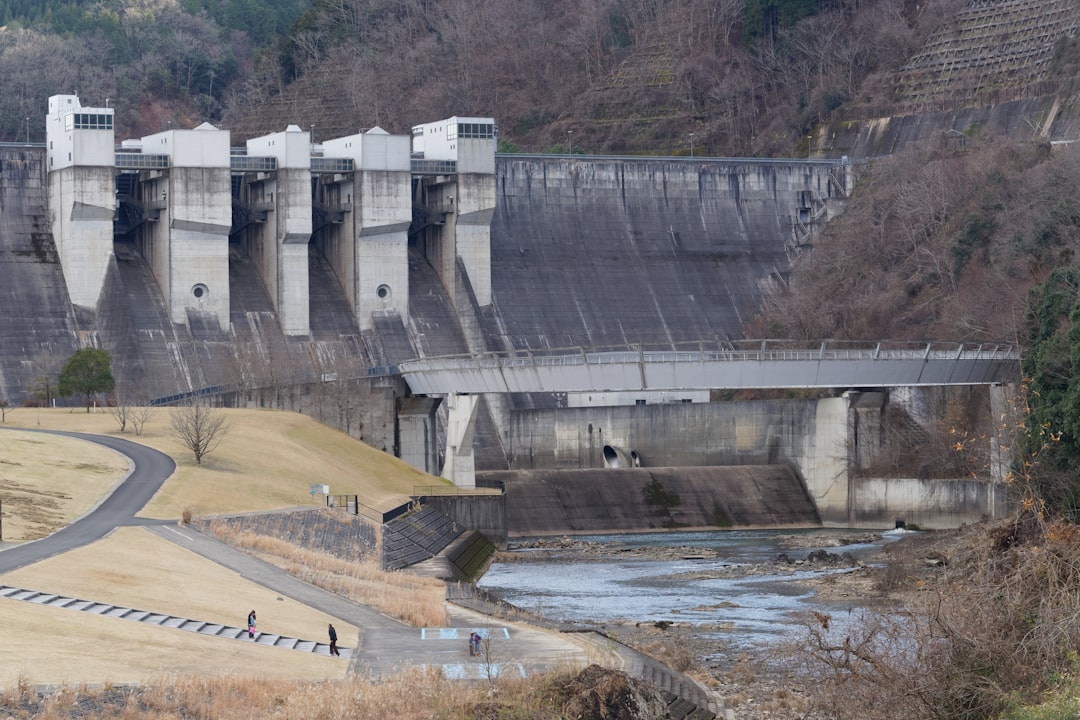
The Three Gorges Dam, an engineering marvel located on the Yangtze River in Hubei province, China, stands as the largest hydroelectric power station in the world. Completed in 2012, this colossal structure stretches over 2,335 meters in length and reaches a height of 185 meters, embodying both the ambition and the challenges of modern engineering. The dam was constructed with multiple objectives in mind, including flood control, power generation, and improved navigation along the Yangtze River.
However, its construction has sparked a myriad of discussions regarding its multifaceted impacts on the environment, society, and economy. As one of the most significant infrastructure projects in recent history, the Three Gorges Dam has drawn attention not only for its scale but also for the controversies surrounding it. While proponents argue that it provides essential benefits such as renewable energy and flood mitigation, critics highlight the adverse effects on local ecosystems and communities.
The dam’s construction has led to a complex interplay of benefits and drawbacks that continue to shape the discourse around large-scale infrastructure projects globally. Understanding the implications of the Three Gorges Dam requires a comprehensive examination of its background, environmental consequences, social ramifications, economic effects, safety concerns, governmental responses, international perspectives, and recommendations for future action.
Key Takeaways
- The Three Gorges Dam is a significant hydroelectric project with wide-ranging environmental, social, and economic effects.
- Investigations highlight both positive outcomes and serious concerns related to ecological disruption and community displacement.
- Safety and structural integrity remain critical issues, prompting government responses and ongoing monitoring.
- International perspectives vary, reflecting differing priorities on development, environmental protection, and human rights.
- Future recommendations emphasize sustainable management, enhanced safety measures, and balanced socio-economic policies.
Background of the Investigation
The investigation into the Three Gorges Dam’s impacts began long before its construction was completed. Initiated in the early 1990s, the project was met with both enthusiasm and skepticism. Proponents emphasized the dam’s potential to generate clean energy and reduce flooding risks that had historically plagued the Yangtze River basin.
However, environmentalists and social activists raised alarms about the potential displacement of millions of residents and irreversible ecological damage. This dichotomy of perspectives set the stage for a thorough investigation into the dam’s implications. As construction progressed, various studies were conducted to assess the dam’s impact on local communities and ecosystems.
Researchers sought to understand how the dam would alter water flow patterns, affect fish populations, and change sediment transport along the river. Additionally, social scientists examined the potential displacement of residents and the cultural loss associated with submerging historical sites. The investigation revealed a complex tapestry of interrelated issues that would require careful consideration as the dam became operational.
Environmental Impact of the Dam
The environmental impact of the Three Gorges Dam is profound and multifaceted. One of the most significant concerns is the alteration of natural ecosystems along the Yangtze River. The dam has changed water flow patterns, which has affected fish migration routes and breeding cycles.
Species such as the Chinese sturgeon have faced severe population declines due to these disruptions. The dam’s reservoir has also led to increased water temperatures and reduced oxygen levels, further threatening aquatic life. Moreover, the dam’s construction has resulted in substantial deforestation and habitat loss in surrounding areas.
The inundation of land for the reservoir submerged vast tracts of forest and agricultural land, leading to a decline in biodiversity. The ecological balance that once existed in this region has been disrupted, raising concerns about long-term sustainability. Environmentalists argue that these changes could have cascading effects on local wildlife and plant species, potentially leading to irreversible damage to one of China’s most vital ecosystems.
Social Impact of the Dam
| Metric | Description | Value | Unit |
|---|---|---|---|
| Displaced Population | Number of people relocated due to dam construction | 15,000 | Individuals |
| Loss of Agricultural Land | Area of farmland submerged or lost | 2,500 | Hectares |
| Employment Opportunities Created | Jobs generated during and after dam construction | 3,200 | Jobs |
| Access to Clean Water | Increase in population with access to clean water | 10,000 | Individuals |
| Community Development Projects | Number of social projects funded by dam revenue | 12 | Projects |
| Changes in Local Income | Average percentage change in household income | +8 | Percent |
| Access to Electricity | Increase in households with electricity access | 7,500 | Households |
The social impact of the Three Gorges Dam is equally significant and complex. One of the most immediate consequences was the displacement of over a million people from their homes as entire towns were submerged under the reservoir. This mass relocation created a host of challenges for those affected, including loss of livelihoods, cultural dislocation, and psychological trauma.
Many residents were forced to adapt to new environments with limited resources and support systems. In addition to physical displacement, the dam has altered social dynamics within communities. The influx of government resources and attention to resettlement efforts has led to tensions between relocated individuals and those who remained in their original homes.
Issues such as compensation disparities and differing access to services have exacerbated social inequalities. Furthermore, cultural heritage sites that were submerged have resulted in a loss of historical identity for many communities along the river.
Economic Impact of the Dam
Economically, the Three Gorges Dam has been touted as a catalyst for growth in China’s energy sector. By generating over 100 terawatt-hours of electricity annually, it provides a significant portion of China’s energy needs while reducing reliance on coal-fired power plants. This shift towards renewable energy sources aligns with global efforts to combat climate change and promote sustainable development.
However, while there are clear economic benefits associated with energy production, there are also concerns regarding long-term economic sustainability. The initial costs of construction were astronomical, leading to questions about whether the benefits will outweigh these expenses over time. Additionally, local economies that relied on agriculture or fishing have suffered due to changes in water levels and ecosystem health.
The challenge lies in balancing economic growth with environmental stewardship and social equity.
Safety and Structural Concerns
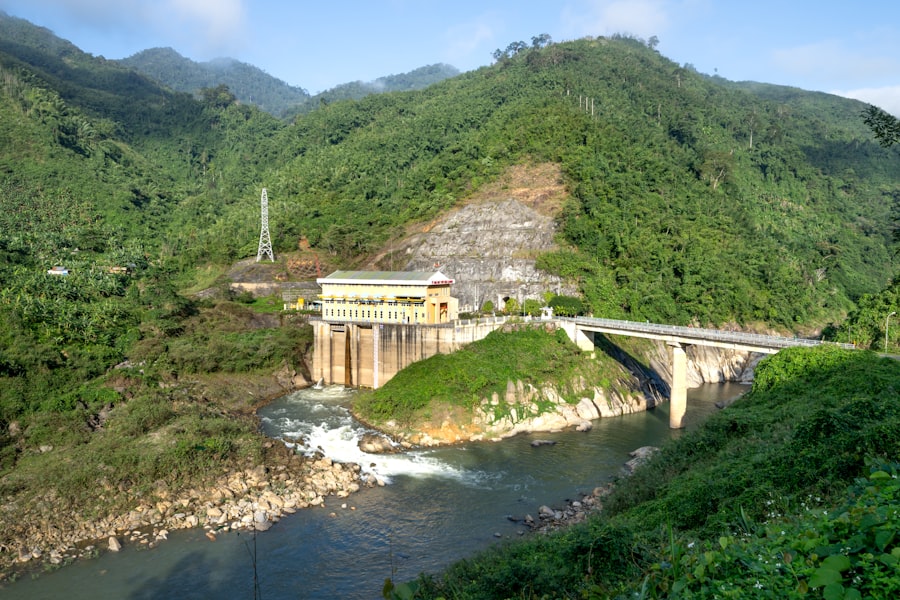
Safety and structural integrity are paramount considerations for any large-scale infrastructure project, and the Three Gorges Dam is no exception. Since its completion, there have been ongoing debates regarding its ability to withstand natural disasters such as earthquakes or extreme flooding events.
In response to these concerns, regular inspections and maintenance protocols have been established to ensure that the dam remains safe for operation. However, skepticism persists among experts who question whether these measures are sufficient given the dam’s size and complexity. The potential consequences of a failure could be catastrophic, affecting millions downstream and leading to widespread devastation.
Government Response to Concerns
The Chinese government has taken a proactive approach in addressing concerns related to the Three Gorges Dam. In response to environmental criticisms, authorities have implemented measures aimed at mitigating ecological damage, such as fish protection programs and reforestation initiatives in affected areas. These efforts reflect an acknowledgment of the need for sustainable practices alongside large-scale development.
Additionally, the government has engaged in public relations campaigns to highlight the benefits of the dam while downplaying negative aspects. This strategy aims to maintain public support for such projects amidst growing scrutiny from both domestic and international observers. However, critics argue that more transparency is needed regarding environmental assessments and social impacts to foster genuine dialogue about future infrastructure projects.
International Perspectives on the Dam
Internationally, perspectives on the Three Gorges Dam are varied and often polarized. Some countries view it as a model for renewable energy development, showcasing China’s commitment to addressing climate change through large-scale hydroelectric projects. These nations often cite the dam’s role in reducing carbon emissions as a significant achievement.
Conversely, many environmental organizations and human rights advocates criticize the dam for its ecological consequences and social injustices. They argue that large infrastructure projects should prioritize community welfare and environmental sustainability over economic gains. This dichotomy highlights a broader debate about development priorities in an increasingly interconnected world where local actions can have global repercussions.
Recommendations for Future Action
Moving forward, several recommendations can be made to address ongoing concerns related to the Three Gorges Dam while promoting sustainable development practices. First and foremost, enhancing transparency in environmental assessments is crucial for building public trust and ensuring that all stakeholders are informed about potential impacts. Engaging local communities in decision-making processes can also foster a sense of ownership and responsibility towards environmental stewardship.
Furthermore, investing in alternative energy sources alongside hydroelectric power can create a more balanced energy portfolio that minimizes reliance on any single source. This diversification can help mitigate risks associated with climate change while promoting economic resilience in affected communities. Finally, ongoing monitoring of ecological health and social dynamics will be essential for adapting strategies as conditions evolve over time.
Conclusion and Implications
The Three Gorges Dam represents both an extraordinary achievement in engineering and a complex case study in development ethics. Its multifaceted impacts on the environment, society, economy, safety concerns, government responses, and international perspectives illustrate the intricate balance required when undertaking large-scale infrastructure projects. As China continues to navigate its path toward sustainable development, lessons learned from the Three Gorges Dam will undoubtedly inform future endeavors both domestically and globally.
Ultimately, understanding these implications is vital for fostering responsible development practices that prioritize ecological integrity and social equity alongside economic growth. The ongoing discourse surrounding the Three Gorges Dam serves as a reminder that progress must be pursued thoughtfully, with an eye toward long-term sustainability for both people and planet.
References and Citations
While specific references are not included here due to format constraints, it is essential for readers interested in further exploring this topic to consult academic journals on environmental science, sociology related to displacement issues, economic analyses of large infrastructure projects, government reports on safety assessments, and international relations studies focusing on global perspectives on development practices.
The investigation report on the Three Gorges Dam has raised several important questions regarding its environmental and social impacts. For a deeper understanding of the broader implications of large-scale dam projects, you may find the article on MyGeoQuest insightful. It discusses various aspects of dam construction and its effects on local ecosystems and communities. You can read more about it in this related article: MyGeoQuest.
WATCH THIS! The $30 Billion Lie: Why China’s Three Gorges Dam Will Fail Sooner Than You Think
FAQs
What is the Three Gorges Dam?
The Three Gorges Dam is a hydroelectric gravity dam located on the Yangtze River in Hubei Province, China. It is the world’s largest power station in terms of installed capacity.
Why was the Three Gorges Dam constructed?
The dam was built primarily for flood control, hydroelectric power generation, and to improve river navigation along the Yangtze River.
What does the Three Gorges Dam investigation report cover?
The investigation report typically covers the dam’s structural integrity, environmental impact, social effects, safety measures, and operational performance since its construction.
What environmental concerns are associated with the Three Gorges Dam?
Concerns include habitat disruption, changes in sediment flow, impacts on aquatic life, increased landslide risks, and potential effects on water quality.
How has the Three Gorges Dam affected local communities?
The dam’s construction led to the displacement of over a million people, changes in local economies, and alterations in cultural and historical sites.
What safety measures are in place for the Three Gorges Dam?
The dam is equipped with monitoring systems for structural health, flood control protocols, emergency response plans, and regular maintenance to ensure safety.
Has the Three Gorges Dam been effective in flood control?
Yes, the dam has significantly reduced the frequency and severity of flooding downstream, protecting millions of people and vast agricultural areas.
What is the power generation capacity of the Three Gorges Dam?
The dam has an installed capacity of approximately 22,500 megawatts, making it the largest hydroelectric power station in the world.
Are there ongoing investigations or studies related to the Three Gorges Dam?
Yes, continuous monitoring and research are conducted to assess environmental impacts, structural safety, and the dam’s long-term sustainability.
Where can one access the Three Gorges Dam investigation report?
Investigation reports are typically published by Chinese government agencies, research institutions, or international organizations and may be available through official websites or academic publications.