
The Three Gorges Dam, a monumental engineering feat on the Yangtze River in China, has been a subject of both admiration and controversy since its inception. While it was designed to generate hydroelectric power, control flooding, and improve navigation, the dam’s construction has led to one of the largest displacement crises in modern history. Millions of people have been uprooted from their homes, leading to profound social, economic, and environmental repercussions.
The displacement crisis surrounding the Three Gorges Dam is not merely a tale of relocation; it encapsulates the struggles of communities fighting to maintain their identities and livelihoods in the face of overwhelming change. As the dam’s reservoir filled, entire towns and villages disappeared beneath the water, leaving behind a legacy of loss and disruption. The government’s push for modernization and development often overshadowed the voices of those affected, raising critical questions about human rights and social justice.
This article delves into the multifaceted dimensions of the Three Gorges Dam displacement crisis, exploring its historical context, the impact on communities, and the broader implications for cultural heritage, the environment, and economic stability.
Key Takeaways
- The Three Gorges Dam project led to massive displacement, affecting millions of people and their communities.
- Displaced populations faced significant economic hardships and loss of cultural heritage.
- Environmental degradation accompanied the displacement, impacting local ecosystems.
- Resettlement efforts struggled with challenges in rehabilitation, mental health, and social well-being.
- Legal, human rights concerns, and international aid responses highlight the complexity of addressing displacement issues.
Historical Context of the Three Gorges Dam Project
The origins of the Three Gorges Dam project can be traced back to the early 20th century when discussions about harnessing the Yangtze River’s power began. However, it was not until the late 1990s that the project gained momentum under the leadership of the Chinese government. Advocates argued that the dam would provide a solution to chronic flooding, particularly in the Yangtze River basin, which had historically suffered devastating floods.
The promise of renewable energy and improved navigation further fueled support for this ambitious initiative. Despite its potential benefits, the project faced significant opposition from environmentalists and local communities who feared the consequences of such a massive undertaking. The government ultimately prioritized economic growth and infrastructure development over these concerns, leading to the dam’s construction beginning in 1994.
By 2012, when it was completed, the dam had transformed not only the landscape but also the lives of millions who lived in its shadow. The historical context of this project is essential to understanding the complexities of the displacement crisis that followed.
Impact on Displaced Communities
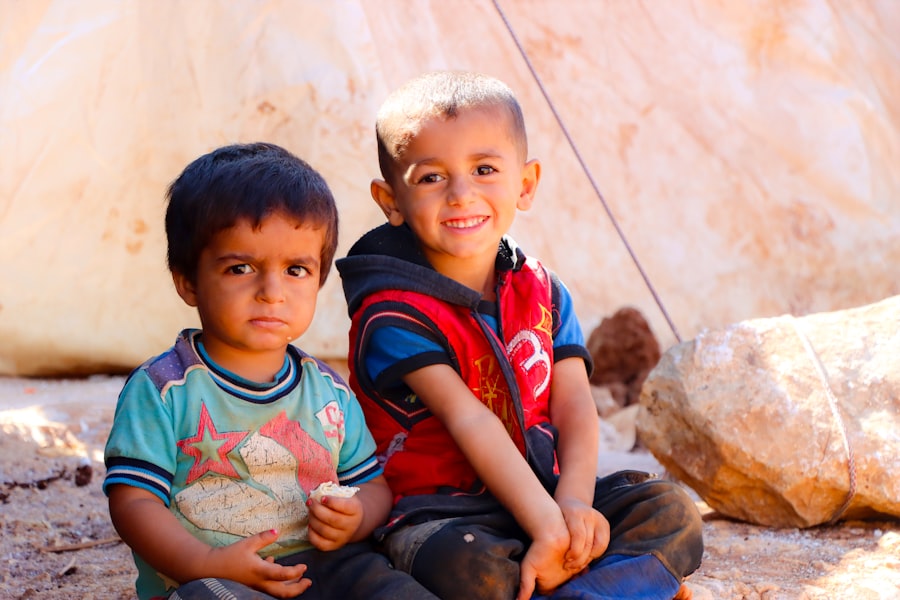
The impact on displaced communities has been profound and far-reaching. As the reservoir expanded, approximately 1.3 million people were relocated from their homes, with many losing not only their residences but also their livelihoods. The abrupt nature of this displacement left many individuals struggling to adapt to new environments that were often ill-suited to their traditional ways of life.
Farmers found themselves in urban settings with little knowledge of how to navigate city life or secure employment in unfamiliar industries. Moreover, the resettlement process was fraught with challenges. Many displaced individuals received inadequate compensation for their lost homes and land, leading to economic instability and increased poverty levels among those affected.
The psychological toll of being uprooted from one’s community cannot be overstated; individuals faced not only material loss but also a profound sense of dislocation and alienation from their cultural roots. The impact on these communities extends beyond mere statistics; it represents a deep-seated crisis that continues to unfold.
Loss of Cultural Heritage and Identity
| Metric | Description | Example Data | Source/Year |
|---|---|---|---|
| Number of Endangered Languages | Languages at risk of falling out of use | Approximately 2,500 languages | UNESCO, 2023 |
| Annual Rate of Language Extinction | Languages lost per year globally | 1-2 languages per month | Ethnologue, 2022 |
| Percentage of Indigenous Cultural Sites Threatened | Sites at risk due to development or conflict | 30% | World Monuments Fund, 2023 |
| Decline in Traditional Craft Practitioners | Reduction in artisans practicing traditional crafts | 40% decline over 20 years | UNESCO, 2021 |
| Loss of Oral Traditions | Percentage of communities with fading oral histories | 50% of indigenous communities | UNDP, 2022 |
| Decrease in Use of Traditional Dress | Reduction in daily or ceremonial use of traditional clothing | 25% decline in last decade | Global Cultural Survey, 2023 |
The displacement caused by the Three Gorges Dam has resulted in significant losses in cultural heritage and identity for many communities. Entire villages with rich histories and traditions were submerged under water, erasing centuries of cultural practices and communal bonds. For many residents, their homes were not just physical structures; they were repositories of memories, stories, and cultural significance that defined their identities.
As communities were relocated, they faced challenges in preserving their cultural practices in new environments. The loss of ancestral lands often meant a disconnection from traditional agricultural practices, rituals, and festivals that had been passed down through generations. This cultural erosion has led to a sense of identity crisis among displaced individuals, as they grapple with maintaining their heritage while adapting to new ways of life.
The struggle to preserve cultural identity amidst such upheaval highlights the broader implications of development projects that prioritize economic growth over social and cultural considerations.
Environmental Impact of Displacement
The environmental consequences of the Three Gorges Dam extend far beyond the immediate area surrounding its construction. The flooding caused by the dam’s reservoir has altered ecosystems, disrupted wildlife habitats, and contributed to significant changes in local biodiversity. As communities were displaced, so too were countless species that relied on the river’s natural flow for survival.
Additionally, the dam has been linked to increased sedimentation and water quality issues in the Yangtze River. The alteration of natural water flow patterns has led to concerns about erosion and sediment buildup downstream, affecting agriculture and fishing industries that depend on a healthy river ecosystem. The environmental impact of displacement is a critical aspect that cannot be overlooked; it serves as a reminder that large-scale infrastructure projects often come at a steep ecological cost.
Economic Consequences for Displaced Communities
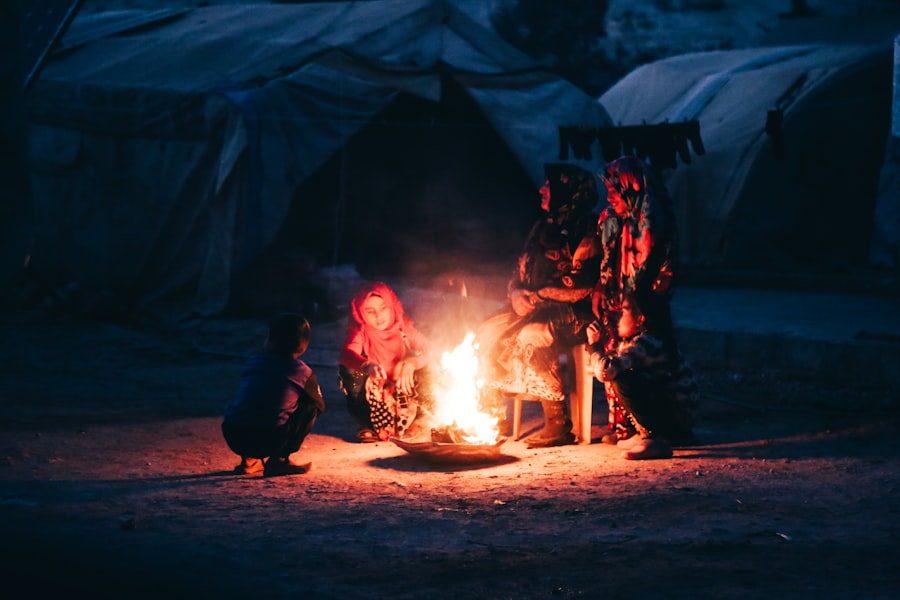
The economic consequences for displaced communities have been severe and multifaceted. Many individuals who were once self-sufficient farmers found themselves struggling to make ends meet in urban environments where job opportunities were scarce or ill-suited to their skills. The transition from rural to urban life is often fraught with challenges, including high living costs and limited access to social services.
Moreover, inadequate compensation for lost land and homes has left many families in precarious financial situations. Reports indicate that some displaced individuals received compensation that was insufficient to cover their basic needs or facilitate a smooth transition into new livelihoods. This economic instability has perpetuated cycles of poverty among displaced populations, further exacerbating social inequalities within society.
Challenges in Resettlement and Rehabilitation
The challenges associated with resettlement and rehabilitation are numerous and complex. While the government implemented various programs aimed at assisting displaced individuals, many have criticized these efforts as insufficient or poorly executed. In some cases, resettlement sites lacked essential infrastructure such as schools, healthcare facilities, and transportation networks, making it difficult for individuals to rebuild their lives.
Furthermore, bureaucratic hurdles often hindered access to resources and support services for those affected by displacement. Many individuals faced difficulties navigating the complex systems put in place for resettlement assistance, leading to frustration and feelings of helplessness. The challenges in resettlement highlight the need for more comprehensive planning and support mechanisms that prioritize the well-being of displaced individuals rather than merely focusing on logistical aspects.
Mental Health and Social Well-being of Displaced Individuals
The mental health and social well-being of displaced individuals have been significantly impacted by their experiences. The trauma associated with forced relocation can lead to a range of psychological issues, including anxiety, depression, and post-traumatic stress disorder (PTSD). Many individuals struggle with feelings of loss and grief over their homes and communities, which can manifest in various ways.
Social cohesion within displaced communities has also been affected as traditional support networks are disrupted. Individuals who once relied on close-knit community ties may find themselves isolated in unfamiliar environments, leading to increased feelings of loneliness and despair. Addressing mental health needs is crucial for promoting recovery and resilience among displaced populations; however, access to mental health services is often limited in resettlement areas.
Legal and Human Rights Issues
The displacement crisis surrounding the Three Gorges Dam raises significant legal and human rights issues that warrant attention. Many displaced individuals have reported inadequate compensation for their losses, raising questions about property rights and fair treatment under national laws. Furthermore, there have been allegations of coercion during the resettlement process, with some individuals claiming they were pressured into leaving their homes without proper consultation or consent.
Human rights organizations have criticized the Chinese government for its handling of displacement issues related to the dam project. They argue that the rights of affected individuals have been overlooked in favor of economic development goals. This situation underscores the importance of ensuring that development projects adhere to international human rights standards and prioritize the voices of those most affected by such initiatives.
International Response and Aid Efforts
The international response to the Three Gorges Dam displacement crisis has been mixed. While some humanitarian organizations have sought to provide aid and support to affected communities, others have raised concerns about the broader implications of large-scale infrastructure projects on human rights and environmental sustainability. International attention has focused on advocating for better treatment of displaced populations and promoting accountability for those responsible for their suffering.
Aid efforts have included initiatives aimed at providing financial assistance, vocational training programs, and mental health support for displaced individuals. However, challenges remain in ensuring that these efforts reach those most in need and effectively address their unique circumstances. The international community’s role in advocating for displaced populations is crucial in fostering dialogue around sustainable development practices that prioritize human rights.
Looking Towards the Future: Solutions and Mitigation Strategies
Looking towards the future, it is essential to explore solutions and mitigation strategies that can address the ongoing challenges faced by displaced communities due to the Three Gorges Dam project. One potential approach involves enhancing community engagement in decision-making processes related to development projects.
Additionally, implementing comprehensive support programs that address both economic needs and mental health concerns can help facilitate smoother transitions for displaced individuals. This may include providing access to vocational training programs tailored to local job markets or establishing community centers that offer mental health services and social support networks. Ultimately, addressing the displacement crisis requires a multifaceted approach that prioritizes human rights while balancing economic development goals.
By learning from past mistakes and actively engaging with affected communities, stakeholders can work towards creating more equitable solutions that honor both people’s rights and their cultural heritage as they navigate an uncertain future.
The Three Gorges Dam displacement crisis has had profound social and environmental impacts, leading to significant discussions about the consequences of large-scale infrastructure projects.
Check it out here: Three Gorges Dam Displacement Crisis.
WATCH THIS! The $30 Billion Lie: Why China’s Three Gorges Dam Will Fail Sooner Than You Think
FAQs
What is the Three Gorges Dam displacement crisis?
The Three Gorges Dam displacement crisis refers to the large-scale relocation and resettlement of over a million people due to the construction of the Three Gorges Dam on the Yangtze River in China. The dam’s reservoir flooded numerous towns, villages, and farmland, forcing residents to move to new areas.
Why were people displaced by the Three Gorges Dam?
People were displaced because the dam’s reservoir submerged vast areas of land, including homes, agricultural fields, and cultural sites. To create the reservoir, entire communities had to be evacuated and resettled to higher ground or other regions.
How many people were displaced by the Three Gorges Dam project?
Approximately 1.2 to 1.4 million people were displaced as a result of the Three Gorges Dam construction and reservoir flooding.
What challenges did displaced residents face?
Displaced residents faced challenges such as loss of farmland and livelihoods, inadequate compensation, difficulties adapting to new environments, social disruption, and sometimes poor living conditions in resettlement areas.
How did the Chinese government address the displacement?
The Chinese government implemented resettlement programs that included financial compensation, construction of new housing, and efforts to provide employment opportunities. However, the effectiveness and fairness of these measures have been widely debated.
What environmental impacts contributed to the displacement crisis?
The dam’s construction led to ecological changes, including altered river flow, increased landslide risks, and submersion of ecosystems, which affected local agriculture and living conditions, exacerbating the displacement crisis.
Is the displacement crisis unique to the Three Gorges Dam?
No, large dam projects worldwide often cause displacement and resettlement issues. However, the scale of displacement caused by the Three Gorges Dam is one of the largest in modern history.
What are the long-term effects of the displacement?
Long-term effects include changes in demographic patterns, economic challenges for resettled populations, cultural loss, and ongoing social and environmental issues in the affected regions.