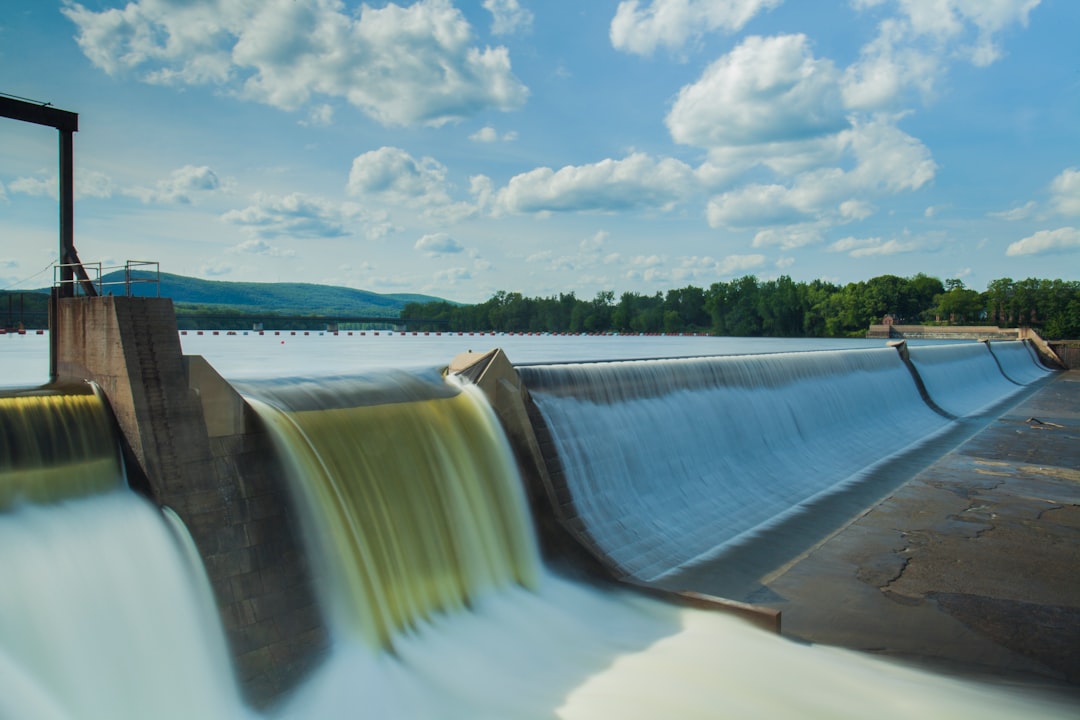
The Three Gorges Dam, located on the Yangtze River in Hubei province, China, stands as a monumental feat of engineering and a symbol of national pride. Completed in 2012, it is the largest hydroelectric power station in the world, boasting an installed capacity of over 22,500 megawatts. The dam was constructed not only to generate electricity but also to control flooding, improve river navigation, and provide water for irrigation.
Its construction has transformed the landscape and economy of the region, impacting millions of lives and altering the natural environment. However, the dam’s existence is not without controversy. While it has brought significant benefits, such as increased energy production and reduced flood risks in some areas, it has also led to environmental degradation and displacement of local communities.
As climate change continues to pose unprecedented challenges globally, the Three Gorges Dam finds itself at a critical juncture. Understanding its role in the context of climate change is essential for assessing its future viability and sustainability.
Key Takeaways
- The Three Gorges Dam plays a crucial role in hydropower generation but faces significant challenges from climate change impacts.
- Climate change increases flooding risks, affects water levels, and alters reservoir capacity, threatening dam stability and efficiency.
- Sedimentation, erosion, and extreme weather events intensified by climate change pose potential damage to the dam’s infrastructure.
- Climate change influences hydropower output, necessitating adaptive strategies to maintain energy production and dam safety.
- Coordinated international and domestic efforts are essential to mitigate climate change threats and ensure the dam’s sustainable future.
Impact of the Three Gorges Dam on Climate Change
The Three Gorges Dam has a complex relationship with climate change. On one hand, it plays a crucial role in reducing greenhouse gas emissions by providing a renewable source of energy. By harnessing the power of the Yangtze River, the dam displaces reliance on fossil fuels, which are significant contributors to global warming.
The energy generated from hydropower is considered cleaner compared to coal or natural gas, thus contributing to China’s efforts to meet its climate goals. On the other hand, the dam’s construction and operation have led to significant ecological changes that may exacerbate climate-related issues. The alteration of natural water flow patterns can disrupt local ecosystems and biodiversity, potentially leading to increased carbon emissions from disturbed soils and vegetation.
Furthermore, the massive reservoir created by the dam has implications for methane emissions, a potent greenhouse gas released from decomposing organic matter submerged underwater. This duality highlights the need for a nuanced understanding of how large infrastructure projects like the Three Gorges Dam interact with climate dynamics.
Potential Threats Posed by Climate Change to the Three Gorges Dam
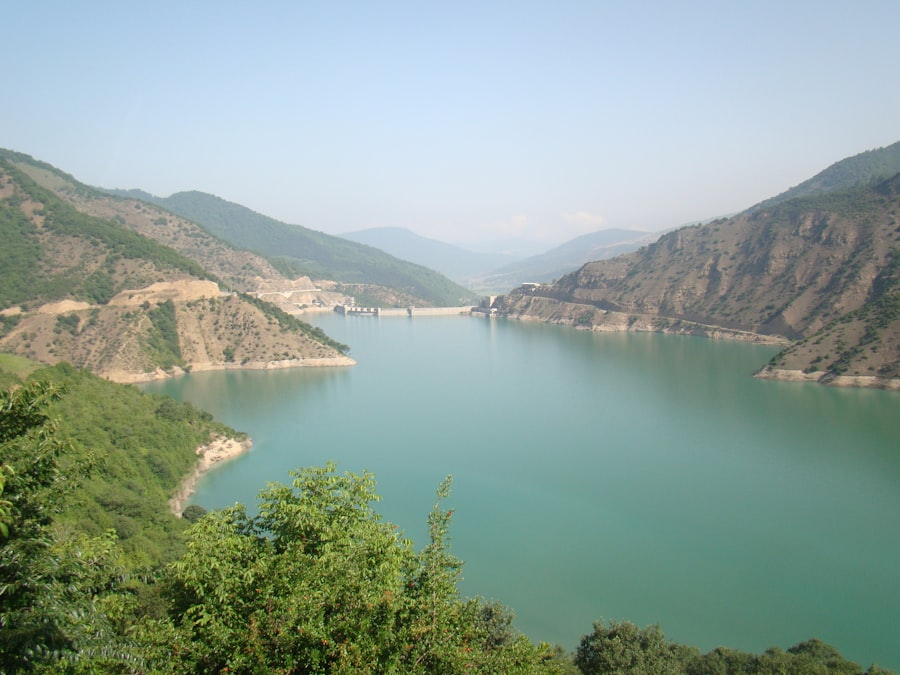
As climate change progresses, the Three Gorges Dam faces several potential threats that could compromise its structural integrity and operational efficiency. One of the most pressing concerns is the increase in extreme weather events, including heavy rainfall and prolonged droughts. These phenomena can lead to unpredictable water levels in the reservoir, challenging the dam’s ability to manage water flow effectively.
The risk of overtopping during severe storms poses a significant threat not only to the dam itself but also to the millions of people living downstream. Additionally, rising temperatures can affect the hydrological cycle in the region. Changes in precipitation patterns may lead to either excessive flooding or insufficient water supply for hydropower generation.
This variability can strain the dam’s operational capacity and necessitate costly adaptations to ensure its continued functionality. As climate change continues to evolve, it is imperative for engineers and policymakers to assess these risks and develop strategies to mitigate them.
Increased Flooding Risk Due to Climate Change
| Metric | Description | Value/Trend | Source |
|---|---|---|---|
| Global Sea Level Rise | Increase in average global sea levels due to melting ice and thermal expansion | 3.3 mm per year (1993-2020) | IPCC AR6 |
| Frequency of Extreme Rainfall Events | Increase in heavy precipitation events leading to flash floods | Up to 7% increase per °C warming | NOAA Climate Report |
| Number of Flood Events Globally | Reported flood events worldwide per decade | Increased from ~2000 in 1980s to ~4000 in 2010s | EM-DAT Database |
| Population Exposed to Flood Risk | Number of people living in flood-prone areas | ~1.81 billion (2020) | World Bank |
| Economic Losses from Flooding | Annual global economic losses due to floods | Estimated 100 billion (USD equivalent) | UNDRR |
| Projected Increase in Flood Risk by 2100 | Expected rise in flood frequency and severity under high emissions scenario | Up to 3-4 times current levels | IPCC AR6 |
Climate change is expected to intensify flooding risks across many regions, including those surrounding the Three Gorges Dam. The dam was initially constructed with flood control in mind; however, changing weather patterns may overwhelm its capacity. Increased rainfall intensity can lead to rapid runoff into the Yangtze River, raising water levels more quickly than anticipated.
This scenario could result in significant challenges for flood management systems designed around historical weather patterns. Moreover, as glaciers in upstream regions melt due to rising temperatures, they contribute additional water flow into rivers during certain seasons. This phenomenon can create a dual threat: while it may temporarily increase water availability for hydropower generation, it also raises concerns about potential flooding during peak melt periods.
The dam’s ability to adapt to these changing conditions will be crucial in safeguarding both infrastructure and communities that rely on its flood control capabilities.
Effects of Climate Change on Water Levels and Reservoir Capacity
The implications of climate change extend beyond flooding; they also affect water levels and reservoir capacity at the Three Gorges Dam. Variability in precipitation patterns can lead to periods of both drought and excessive rainfall, creating challenges for water management. During droughts, reduced inflow into the reservoir can limit hydropower generation and impact agricultural irrigation downstream.
Conversely, during periods of heavy rainfall, managing excess water becomes critical to prevent overflow and maintain safety. Furthermore, changes in temperature can influence evaporation rates from the reservoir surface. Higher temperatures may lead to increased evaporation losses, further reducing available water for power generation and other uses.
This dynamic necessitates careful monitoring and adaptive management strategies to ensure that the dam can continue to meet energy demands while balancing ecological and social needs.
Impact of Climate Change on Sedimentation and Erosion
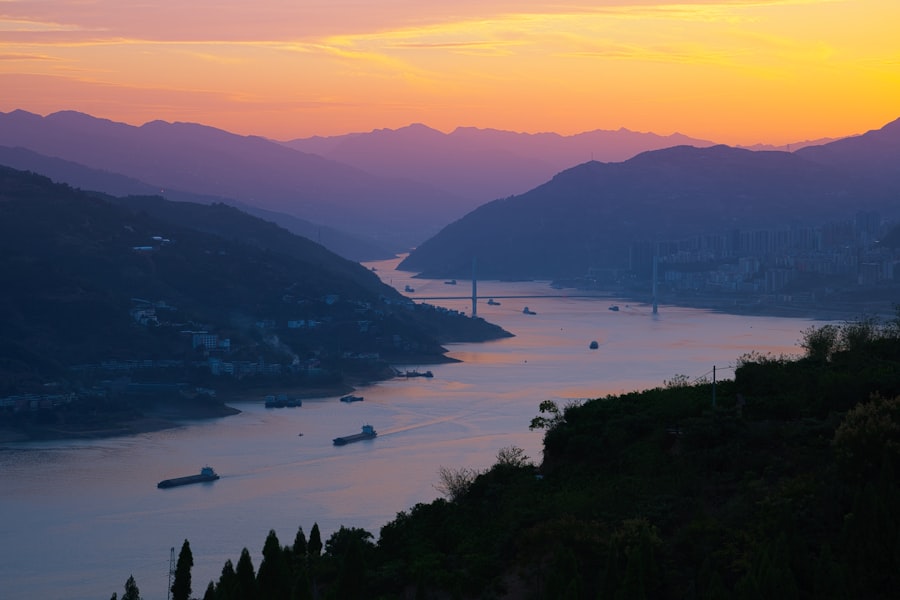
Sedimentation is another critical issue exacerbated by climate change that affects the Three Gorges Dam’s long-term viability. Increased rainfall can lead to heightened erosion in upstream areas, resulting in more sediment being transported into the reservoir. This sedimentation can reduce storage capacity over time, impacting the dam’s ability to manage water flow effectively and generate hydropower.
Moreover, sediment buildup can alter aquatic habitats within the reservoir and downstream ecosystems. The ecological balance may be disrupted as sedimentation affects fish populations and other wildlife dependent on specific habitats. Addressing sedimentation challenges will require innovative solutions that consider both engineering approaches and ecological restoration efforts.
Potential Damaging Effects of Extreme Weather Events on the Three Gorges Dam
Extreme weather events driven by climate change pose significant risks to the structural integrity of the Three Gorges Dam itself. Severe storms can lead to high winds and heavy rainfall that may compromise construction materials or cause landslides in surrounding areas. Such events could threaten not only the dam’s physical structure but also its operational systems that monitor water levels and manage flow.
Additionally, prolonged heatwaves can impact maintenance schedules and operational efficiency. Equipment may be subjected to stress under extreme temperatures, leading to potential failures if not adequately managed. The need for robust contingency plans becomes increasingly important as climate change continues to drive more frequent and severe weather events.
Climate Change’s Influence on Hydropower Generation and Energy Production
The Three Gorges Dam is a cornerstone of China’s energy strategy, but climate change threatens its hydropower generation capabilities. Variability in water availability due to changing precipitation patterns can lead to fluctuations in energy production.
Conversely, during periods of excessive rainfall, while there may be an initial boost in energy production, managing excess water becomes critical to prevent flooding downstream. This duality underscores the need for adaptive management strategies that can respond dynamically to changing hydrological conditions while ensuring a stable energy supply.
Strategies for Mitigating Climate Change Threats to the Three Gorges Dam
To address the multifaceted challenges posed by climate change, a range of strategies must be implemented to safeguard the Three Gorges Dam’s future. One approach involves enhancing monitoring systems that track hydrological changes in real-time. By utilizing advanced technology such as satellite imagery and predictive modeling, authorities can better anticipate shifts in weather patterns and adjust operations accordingly.
Additionally, investing in ecological restoration projects upstream can help mitigate erosion and sedimentation issues while enhancing biodiversity. Implementing sustainable land-use practices can reduce runoff and improve water quality entering the reservoir. Collaboration with local communities is essential for developing these strategies effectively, ensuring that their needs are considered alongside environmental goals.
International and Domestic Efforts to Address Climate Change and Its Impact on the Three Gorges Dam
Both international and domestic efforts are underway to address climate change’s impact on critical infrastructure like the Three Gorges Dam. On a global scale, initiatives such as the Paris Agreement aim to unite countries in their efforts to reduce greenhouse gas emissions and promote sustainable development practices. China has committed to various targets under this framework, recognizing that addressing climate change is essential for protecting vital resources like water.
Domestically, China has been investing heavily in renewable energy sources beyond hydropower, including solar and wind energy. These efforts aim not only to diversify energy production but also to reduce reliance on large-scale hydroelectric projects that may be vulnerable to climate impacts. By fostering a more resilient energy portfolio, China seeks to ensure long-term sustainability for its infrastructure while addressing pressing environmental challenges.
Conclusion and Future Outlook for the Three Gorges Dam in the Face of Climate Change
The future of the Three Gorges Dam is intricately linked with ongoing climate change dynamics that present both challenges and opportunities. While it remains a vital source of renewable energy and flood control for millions, its long-term viability will depend on proactive measures taken today. By investing in adaptive management strategies, enhancing monitoring systems, and fostering collaboration with local communities, stakeholders can work towards mitigating risks associated with climate change.
As global awareness of climate issues continues to grow, there is hope that innovative solutions will emerge that not only protect infrastructure like the Three Gorges Dam but also promote ecological resilience and social equity. The path forward will require a commitment from all sectors—governmental bodies, private enterprises, and civil society—to ensure that this monumental structure continues to serve its purpose while adapting to an uncertain future shaped by climate change.
The Three Gorges Dam, while a significant engineering achievement, poses various climate change risks that are increasingly coming to light. An insightful article discussing these risks can be found on MyGeoQuest, which explores the environmental implications of large-scale hydropower projects in the context of a changing climate. For more information, you can read the article here: MyGeoQuest.
WATCH THIS! The $30 Billion Lie: Why China’s Three Gorges Dam Will Fail Sooner Than You Think
FAQs
What is the Three Gorges Dam?
The Three Gorges Dam is the world’s largest hydroelectric power station, located on the Yangtze River in China. It was completed in 2012 and serves multiple purposes including flood control, power generation, and improving river navigation.
How does the Three Gorges Dam relate to climate change?
The dam plays a role in climate change mitigation by generating large amounts of renewable hydroelectric power, which reduces reliance on fossil fuels. However, it also faces risks from climate change impacts such as altered rainfall patterns, increased flooding, and sedimentation changes.
What are the climate change risks associated with the Three Gorges Dam?
Climate change risks include increased frequency and intensity of extreme weather events like floods and droughts, which can affect the dam’s structural safety and operational efficiency. Changes in precipitation and river flow can impact water storage and power generation capacity.
Can the Three Gorges Dam help reduce greenhouse gas emissions?
Yes, by producing clean hydroelectric energy, the dam helps reduce greenhouse gas emissions compared to coal-fired power plants. It contributes significantly to China’s efforts to lower carbon emissions and transition to renewable energy sources.
What measures are in place to manage climate risks at the Three Gorges Dam?
The dam is equipped with advanced monitoring and early warning systems to manage flood risks. Authorities also implement adaptive water management strategies to respond to changing hydrological conditions caused by climate change.
Has climate change affected the dam’s performance so far?
There have been instances where extreme weather events influenced reservoir levels and power generation. However, ongoing assessments and management practices aim to minimize adverse impacts and maintain dam safety and efficiency.
Is the Three Gorges Dam sustainable in the context of future climate change?
While the dam provides significant renewable energy benefits, its sustainability depends on continuous adaptation to evolving climate conditions, including infrastructure upgrades and improved water resource management to handle increased climate variability.