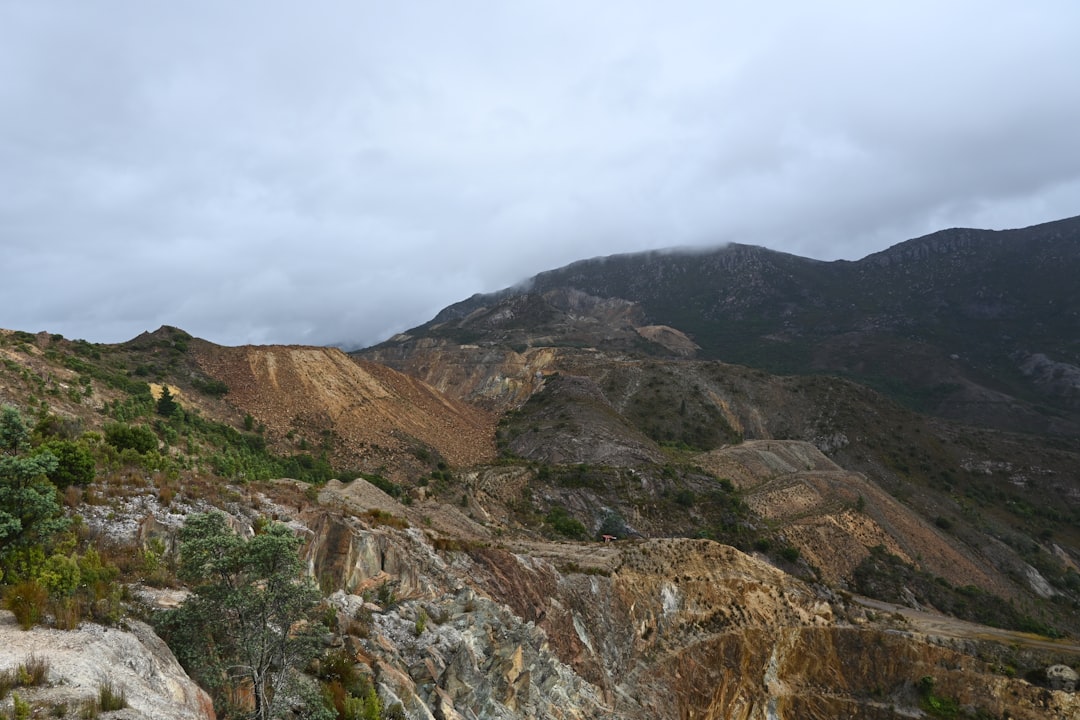
The Three Gorges Dam, located on the Yangtze River in Hubei province, China, stands as a monumental feat of engineering and a symbol of national pride. Completed in 2012, it is the world’s largest hydroelectric power station in terms of installed capacity, boasting an impressive 22,500 megawatts. The dam was constructed not only to generate electricity but also to control flooding, improve river navigation, and promote economic development in the region.
Its construction involved the relocation of millions of people and the submergence of numerous towns and villages, leading to significant social and environmental changes. The dam’s sheer size and complexity have made it a focal point for discussions about sustainable development and environmental management. However, the Three Gorges Dam is not without its challenges.
One of the most pressing concerns is the risk of landslides in the surrounding area. The combination of geological factors, human activity, and climatic conditions has created a precarious environment where landslides can occur with little warning. As the dam continues to operate, understanding and managing these risks becomes increasingly critical to ensure the safety of the infrastructure and the communities that depend on it.
This article delves into the various aspects of landslide risk in the Three Gorges Dam area, exploring its causes, impacts, and potential solutions.
Key Takeaways
- The Three Gorges Dam area is prone to landslides due to geological and environmental factors.
- Landslides pose significant risks to the dam’s structural integrity and surrounding communities.
- Advanced monitoring and early warning systems are crucial for timely landslide detection.
- Mitigation strategies include engineering solutions and environmental management to reduce landslide impact.
- Addressing landslide risks requires ongoing research, community involvement, and adaptive management approaches.
Overview of Landslide Risk in the Three Gorges Dam area
The Three Gorges Dam area is characterized by steep topography and complex geological formations, making it particularly susceptible to landslides. The risk of landslides is exacerbated by the dam’s operation, which alters water levels in the Yangtze River and affects the stability of surrounding slopes. As water levels rise and fall, the pressure on the banks changes, potentially triggering landslides.
Additionally, heavy rainfall during the monsoon season can saturate the soil, further increasing the likelihood of slope failure. Landslides in this region can vary in scale and impact, ranging from small debris flows to large rockslides that can threaten infrastructure and human life. The consequences of such events can be devastating, leading to loss of life, damage to property, and disruption of essential services.
As such, understanding the dynamics of landslide risk in the Three Gorges Dam area is crucial for effective management and mitigation strategies.
Factors contributing to Landslide Risk near the Three Gorges Dam
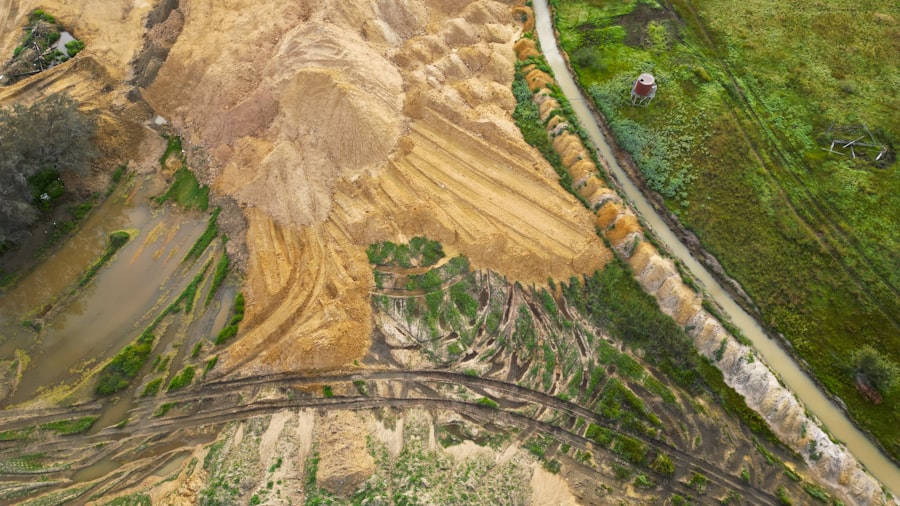
Several factors contribute to the heightened landslide risk near the Three Gorges Dam. Geologically, the region is composed of various rock types that exhibit different degrees of stability. The presence of weak layers within these formations can create conditions conducive to landslides, especially when combined with external stressors such as heavy rainfall or seismic activity.
Furthermore, human activities such as construction, deforestation, and mining can destabilize slopes and increase vulnerability to landslides. Climatic conditions also play a significant role in landslide risk. The region experiences a subtropical climate with distinct wet and dry seasons.
During periods of intense rainfall, soil saturation can lead to increased pore water pressure within slopes, reducing their stability. Additionally, temperature fluctuations can cause freeze-thaw cycles that weaken rock structures over time. These natural processes, combined with anthropogenic influences, create a complex interplay that heightens the risk of landslides in the vicinity of the dam.
Impact of Landslides on the Three Gorges Dam
| Metric | Value | Unit | Notes |
|---|---|---|---|
| Number of Significant Landslides Recorded | 15 | Events | Since dam construction completion in 2012 |
| Maximum Landslide Volume | 2.5 | Million cubic meters | Largest single landslide impacting reservoir area |
| Reservoir Water Level Fluctuation Due to Landslides | Up to 5 | meters | Temporary displacement waves caused by landslides |
| Number of Landslide-Induced Reservoir Waves | 8 | Events | Waves exceeding 2 meters in height |
| Impact on Dam Structural Integrity | Minimal | N/A | Regular monitoring shows no significant damage |
| Economic Losses Attributed to Landslides | Not quantified | N/A | Indirect costs due to sedimentation and maintenance |
| Mitigation Measures Implemented | Rock bolting, slope drainage, monitoring systems | N/A | Ongoing efforts to reduce landslide risk |
The impact of landslides on the Three Gorges Dam can be profound and multifaceted. When a landslide occurs, it can directly threaten the structural integrity of the dam itself or disrupt its operations. For instance, debris flows may obstruct water channels or damage critical infrastructure such as access roads and power lines.
Such disruptions can lead to operational delays and increased maintenance costs, ultimately affecting the dam’s efficiency in generating electricity. Moreover, landslides pose significant risks to nearby communities. The potential for loss of life and property damage is substantial, particularly in densely populated areas that lie within reach of unstable slopes.
In addition to immediate physical impacts, landslides can have long-term social and economic repercussions for affected communities. Displacement due to landslide events can lead to increased pressure on local resources and infrastructure, exacerbating existing vulnerabilities.
Monitoring and early warning systems for Landslide Risk
To effectively manage landslide risk near the Three Gorges Dam, robust monitoring and early warning systems are essential. These systems utilize a combination of geological surveys, remote sensing technologies, and real-time data collection to assess slope stability and detect changes that may indicate an impending landslide. By integrating various data sources—such as rainfall measurements, soil moisture levels, and seismic activity—authorities can develop predictive models that help identify high-risk areas.
Early warning systems play a crucial role in mitigating the impacts of landslides by providing timely alerts to local communities and stakeholders. When potential landslide activity is detected, warnings can be issued to evacuate at-risk populations or implement preventive measures. The effectiveness of these systems relies on continuous monitoring and community engagement to ensure that residents are aware of risks and prepared for potential emergencies.
Mitigation measures for Landslide Risk near the Three Gorges Dam
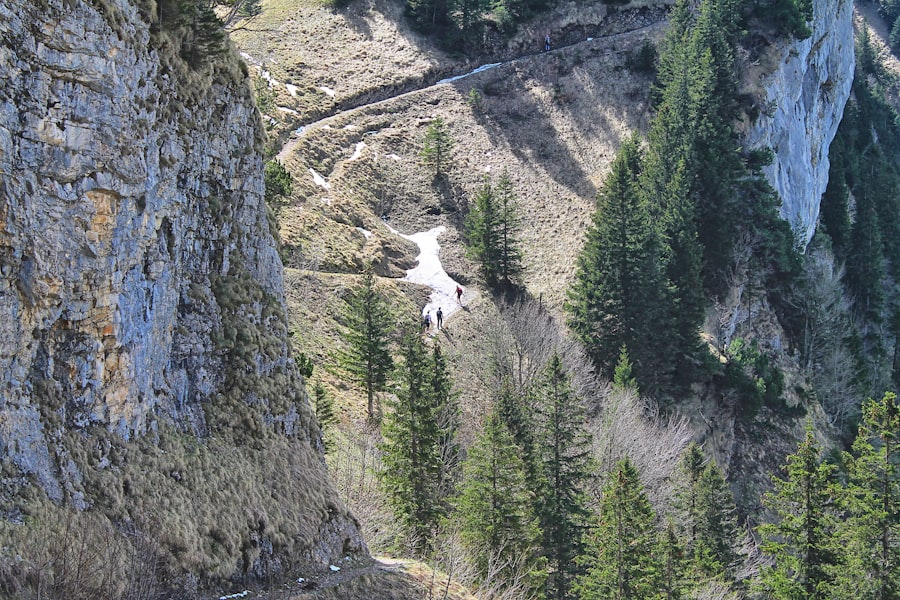
Mitigating landslide risk near the Three Gorges Dam requires a multifaceted approach that combines engineering solutions with sustainable land management practices. One effective strategy involves stabilizing slopes through engineering interventions such as retaining walls, drainage systems, and vegetation planting. These measures help reduce soil erosion and improve slope stability by managing water runoff and enhancing root systems that bind soil together.
In addition to engineering solutions, promoting sustainable land use practices is vital for long-term risk reduction. This includes regulating construction activities on steep slopes, implementing reforestation programs to restore vegetation cover, and educating local communities about responsible land management techniques. By fostering a culture of environmental stewardship, authorities can help mitigate human-induced factors that contribute to landslide risk while enhancing community resilience.
Case studies of previous landslides in the Three Gorges Dam area
Examining case studies of previous landslides in the Three Gorges Dam area provides valuable insights into the dynamics of landslide risk and effective response strategies. One notable incident occurred in 2010 when heavy rainfall triggered a massive landslide in Wushan County, resulting in significant damage to infrastructure and displacement of residents. The event highlighted vulnerabilities in slope stability exacerbated by human activities such as deforestation and construction.
Another case study involved a series of smaller landslides that occurred during a particularly wet monsoon season in 2016. These events underscored the importance of timely monitoring and early warning systems as local authorities were able to issue alerts that helped evacuate at-risk populations before larger-scale disasters could unfold. Analyzing these incidents allows researchers and policymakers to identify patterns and develop targeted interventions aimed at reducing future risks.
Environmental and ecological impacts of landslides near the Three Gorges Dam
Landslides near the Three Gorges Dam have significant environmental and ecological implications that extend beyond immediate physical damage. When slopes fail, they can lead to habitat destruction for local flora and fauna, disrupting ecosystems that have developed over centuries. The sedimentation caused by landslides can also affect water quality in the Yangtze River, impacting aquatic life and potentially harming fisheries that local communities rely on for their livelihoods.
Furthermore, landslides can alter natural drainage patterns, leading to changes in hydrology that may exacerbate flooding or drought conditions downstream. The loss of vegetation cover due to landslides reduces biodiversity and increases soil erosion, creating a cycle that further destabilizes slopes over time. Addressing these environmental impacts requires an integrated approach that considers both ecological health and human safety.
Social and economic implications of landslides near the Three Gorges Dam
The social and economic implications of landslides near the Three Gorges Dam are profound and far-reaching. Communities affected by landslides often face immediate challenges such as loss of housing, disruption of livelihoods, and increased health risks due to displacement or contamination of water sources. The psychological toll on residents who experience such traumatic events can also be significant, leading to long-term mental health issues.
Economically, landslides can disrupt local economies by damaging infrastructure critical for transportation and trade. The costs associated with recovery efforts—ranging from emergency response to rebuilding damaged structures—can strain local budgets and divert resources from other essential services.
Future challenges and potential solutions for mitigating landslide risk near the Three Gorges Dam
As climate change continues to influence weather patterns globally, future challenges related to landslide risk near the Three Gorges Dam are likely to intensify. Increased frequency and intensity of rainfall events may lead to more frequent slope failures, necessitating adaptive management strategies that account for changing environmental conditions. Policymakers must prioritize research into climate-resilient infrastructure designs that can withstand extreme weather events while ensuring community safety.
Potential solutions include enhancing collaboration between government agencies, researchers, and local communities to develop comprehensive land-use planning frameworks that incorporate risk assessments for future developments. Investing in advanced monitoring technologies—such as satellite imagery and drone surveillance—can provide real-time data on slope stability while fostering community engagement through education initiatives focused on disaster preparedness.
Conclusion and recommendations for managing landslide risk near the Three Gorges Dam
In conclusion, managing landslide risk near the Three Gorges Dam requires a holistic approach that integrates engineering solutions with sustainable land management practices while prioritizing community engagement and education.
Recommendations for effective management include investing in robust monitoring systems that provide early warnings for potential landslide activity while promoting sustainable land-use practices that enhance slope stability.
Additionally, fostering collaboration among government agencies, researchers, and local communities will be essential for developing adaptive strategies that address future challenges posed by climate change. Ultimately, ensuring the safety of both infrastructure and communities surrounding the Three Gorges Dam will require ongoing commitment from all stakeholders involved in managing this critical resource while safeguarding against natural hazards like landslides.
The Three Gorges Dam, while a remarkable feat of engineering, poses significant risks related to landslides in the surrounding areas. A related article that delves into the geological challenges and potential hazards associated with the dam can be found at this link. Understanding these risks is crucial for the safety and sustainability of the region, as well as for the ongoing management of the dam’s operations.
WATCH THIS! The $30 Billion Lie: Why China’s Three Gorges Dam Will Fail Sooner Than You Think
FAQs
What is the Three Gorges Dam?
The Three Gorges Dam is a hydroelectric gravity dam located on the Yangtze River in Hubei Province, China. It is the world’s largest power station in terms of installed capacity and was completed in 2012.
Why is landslide risk a concern near the Three Gorges Dam?
The reservoir created by the dam has caused changes in water levels and geological stress in the surrounding areas. These changes can destabilize slopes and increase the risk of landslides along the reservoir banks.
What factors contribute to landslide risk around the Three Gorges Dam?
Key factors include fluctuating water levels, geological conditions such as weak rock formations, heavy rainfall, seismic activity, and human activities like construction and deforestation.
Have landslides occurred near the Three Gorges Dam?
Yes, several landslides have been reported in the reservoir area since the dam’s construction. Some have caused damage to infrastructure and required evacuation of residents.
What measures are taken to monitor landslide risk at the Three Gorges Dam?
Authorities use geological surveys, remote sensing technology, real-time monitoring systems, and early warning mechanisms to detect and assess landslide risks in the region.
How does the dam’s operation affect landslide risk?
The dam’s water level management, including rapid changes in reservoir levels, can influence slope stability. Controlled water level fluctuations aim to minimize landslide risk.
What impact do landslides have on the dam and surrounding communities?
Landslides can threaten the safety of the dam infrastructure, disrupt transportation routes, damage property, and pose risks to the lives of local residents.
Is the Three Gorges Dam considered safe despite landslide risks?
While landslide risks exist, extensive engineering, monitoring, and mitigation efforts are in place to ensure the dam’s safety and reduce hazards to nearby populations.
Can landslide risks increase due to climate change?
Climate change may lead to more intense rainfall and extreme weather events, potentially increasing the frequency and severity of landslides in the region.
What should residents near the Three Gorges Dam do to stay safe?
Residents should stay informed through official channels, follow evacuation orders if issued, and participate in community preparedness programs related to landslide and flood risks.